Chanel Sydney runway: Australia gets the mirror test
Chanel Sydney runway plans for November 2026 turn a luxury calendar note into a sharper question about Australia’s fashion confidence.
Being chosen gives Sydney a peculiar little shock. Not invited. Chosen. This city knows the look it gets: water, weather, that blue postcard glare that makes the rest of Australia accuse it of narcissism and, annoyingly, not be entirely wrong. A Chanel runway asks for something else. Can the place hold a fantasy without being flattened into scenery?
This is the bit I keep circling in the news that Chanel will stage its Resort 2027 show in Sydney on 5 November 2026, its first runway presentation in Australia. Not the guest list. Not the hotel-lobby anthropology we will all pretend not to enjoy. The choice itself. Sydney, for once, has not been cast as the sunny cousin at the edge of the luxury map. It has been asked to carry the mood.
For Australian fashion, that feels flattering and faintly uncomfortable. A compliment from Paris is still a compliment. So is a mirror held at a fairly brutal angle.
The Sydney of it
Chanel’s language around the decision is almost too neat for the city. Harbour. Surf. Culture. A place where resort clothes can look as if they have walked out of the wardrobe and straight into salt air. The house has described Sydney as a city marked by its harbour, beaches and cultural life, which is not exactly news to anyone who has stood on a ferry with a tote bag cutting into one shoulder. Still, the seduction is clear. Resort is fashion’s permission slip to move.

Biarritz saw the collection first, and that matters. Gabrielle Chanel opened a couture house there in 1915; Cruise collections have always liked a little travel mythology. They need somewhere to go. The Sydney re-show gives the clothes a second climate: less Atlantic elegance, more ferry wake, sandstone heat, the practical indignity of stilettos anywhere near Circular Quay.
Pedestrian.tv carried Chanel’s line about the city’s image with almost comic precision:
“Sydney is distinguished by its spectacular harbour, world-famous surf beaches, and vibrant cultural scene.”
Chanel, via Pedestrian.tv
I winced at the adjective, mostly because Australian fashion has spent years trying to be read as something more interesting than a tourism-board mood board. The cliché still has teeth here. Harbour light changes the way clothes are seen: brighter, harsher, more exposed. Melbourne can do mood. Sydney has to survive glare.
That glare is part of what makes the Chanel decision clever. A resort collection needs movement, ease, money with a tan. Sydney offers all of that. It also offers a runway city still deciding what it wants to be after a strange few years.
A business decision in evening light
Romantically, Chanel has fallen for Sydney. Usefully, Chanel has read the numbers and decided Australia deserves a larger role in the house’s imagination.

Bruno Pavlovsky’s comment lands with more force than the polite phrasing first suggests. In Marie Claire Australia’s report, Chanel’s president of fashion put it plainly:
“We feel that it’s time now for Chanel to accelerate our development in Australia.”
Bruno Pavlovsky, Chanel
Accelerate. Not celebrate, though there will be plenty of that. Not simply visit. The show sits beside a bigger retail and brand strategy: Chanel’s Market Street boutique in Sydney is reported at 1,000 square metres, and the house has been reinforcing its Australian presence rather than treating it as a faraway shopfront with a good summer client base.
Globally, the company is hardly operating from weakness. In a Vogue interview with Chanel chief executive Leena Nair, the house reported 2025 revenues of $19.3 billion and growth of 1.8 per cent. Those are not fireworks numbers in luxury terms. They are steady enough to support the cultural theatre that keeps a house feeling alive between designer debuts and quarterly anxieties.
“We are on track and confident for the year ahead and beyond.”
Leena Nair, Vogue
At this point the show becomes less about Sydney being pretty and more about Sydney being useful. Chanel does not move a runway across the world because a skyline photographs well. It does it because a market, a client base and a cultural story line all seem worth the freight.
Maybe I am over-reading one night in November. Fashion makes fools of anyone who tries to turn spectacle into scripture. Houses like Chanel are too deliberate, though, to mistake the signal. Sydney is not getting a travelling circus. It is getting a vote.
What local fashion gets, and what it doesn’t
Pride is the tempting local response. Fair enough. No other luxury house has staged this kind of show in Australia, as ELLE Australia noted, and the symbolism is not small. A global maison deciding that Sydney can host a Cruise re-show changes the way the city is talked about in boardrooms, on buying trips, in the private calculations of editors deciding whether the long-haul flight is worth it.
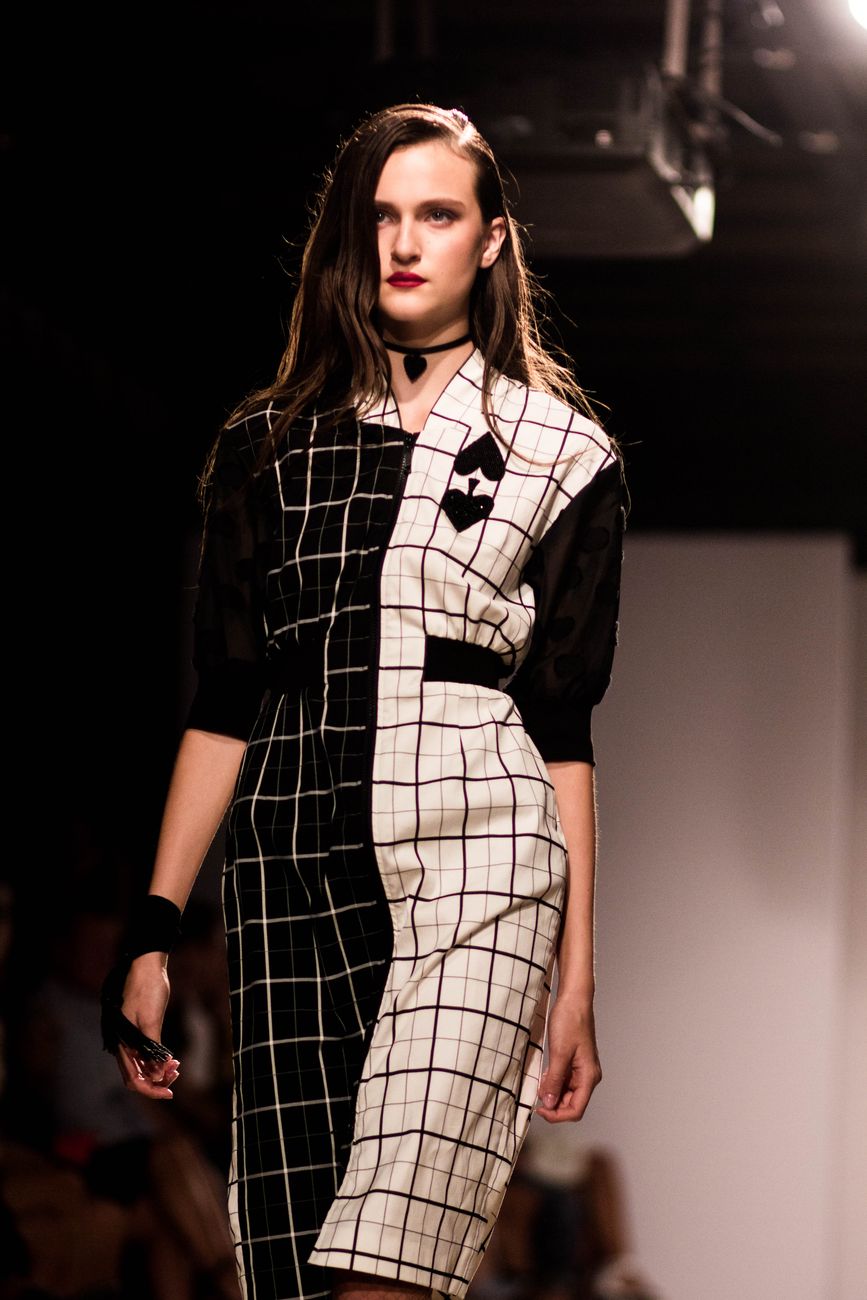
From the back row, the sceptic has a point. A Chanel runway does not fix Australian Fashion Week. It does not create a sustainable buyer pathway for independent labels. It does not solve the cost of staging a show, the exhaustion of designers who have to be manufacturers and publicists at once, or the maddening way local fashion is praised as original while being asked to prove its commercial seriousness every season.
Australian Fashion Week, as Vogue’s Resort 2027 coverage put it, is at a turning point. That phrase can be evasive, but here it fits. The event has been through a reset, local designers are negotiating visibility in a small market, and international attention still arrives unevenly. Sometimes it is generous. Sometimes it is extractive. Often it wants the image more than the ecosystem.
Here is the worry I would bring to the Chanel announcement: does the show pull light towards Australian designers, or does it flood the room so completely that everyone else disappears?
In the better version, international editors and buyers come for Chanel and stay alert to what is happening around it: the independent labels, the First Nations designers staging work on their own terms, the mature models and bodies that made some of this year’s local runway conversation feel less narrow. Porous, in other words. Sydney gets to be more than a luxury backdrop.
The weaker version is easier to imagine because fashion is very good at it. A few days of black cars. A room full of people saying “Australia is having a moment” as if Australian designers have been waiting patiently in a storage cupboard for a French house to turn on the lights. Then everyone leaves.
Still, I am less cynical than I expected to be. Partly because the timing is useful. Australian fashion has been trying to argue for its own maturity, its own climate, its own distance from the European calendar without pretending distance is glamour. Chanel’s arrival does not make that argument for us. It does make it harder to ignore.
The outside validation problem
Fashion people pretend not to care about validation. We are terrible liars. Every industry has its version of this, but ours comes with better shoes and a more complicated relationship to air travel. When Paris looks at Sydney and says yes, something in the local body straightens.
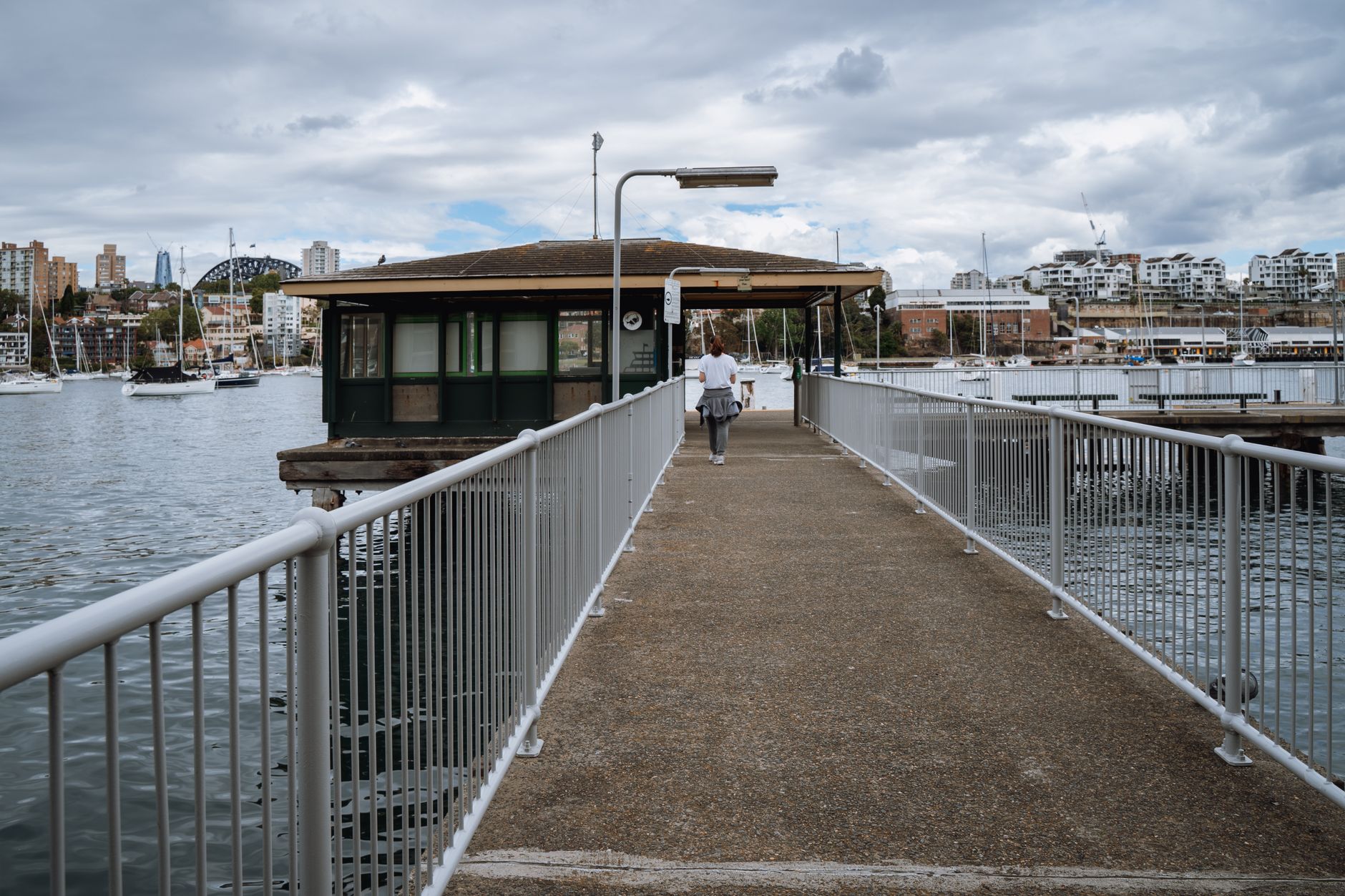
What do we do with that straightened spine? Ask for deeper attention to the work being made here, I hope, rather than simply enjoy the borrowed glamour and call it progress.
Harper’s Bazaar Australia framed the move as a landmark first, which it is. The word landmark can feel overworked in fashion, but Sydney has earned it this time. A Chanel show here will rearrange the week around it. Hotel bookings, dinner reservations, street-style corners, the texture of November gossip. The city will perform itself. It always does.
I hope it performs with some nerve. Not gratitude exactly. Gratitude can curdle into smallness. Better to treat the show as a meeting between two fashion stories: one with the weight of a French house that knows how to turn history into desire, and one with a local industry still arguing for the value of its own conditions.
Those conditions are specific. Hard light. Long distance. A market that can feel tiny until a global brand decides it is worth accelerating into. Designers who work with sun, subculture, beach damage, office polish, diaspora memory and the practical fact that Australian women do not dress as if they are permanently stepping out of a Left Bank taxi.
If Chanel’s Sydney runway reveals anything, I want it to be that. Not that Australia has been blessed by luxury. Please. That story is too obedient. The better story is that a French house has noticed a city with enough fashion tension to be useful: beautiful and insecure, commercially sharper than outsiders think, culturally louder than it is often allowed to be.
Come November 2026, the clothes will take the official bow. The harbour will do what the harbour does. Cameras will find the Opera House even if everyone swears they are above it.
After the lights are packed away, the more interesting test begins. If Sydney is only a backdrop, the show will become a handsome memory. If Australian fashion uses the attention to widen the frame, even slightly, it might become something better: not proof that we matter, but evidence that we were already more complicated than the postcard allowed.
The Lifestyle Desires brief
Style, food, travel and wellbeing — weekly in your inbox.
Subscribe