Australia is over its white-wall hangover
Dulux Colour Awards 2026 winners point to a warmer Australian home, where colour works as structure rather than a weekend paint whim.
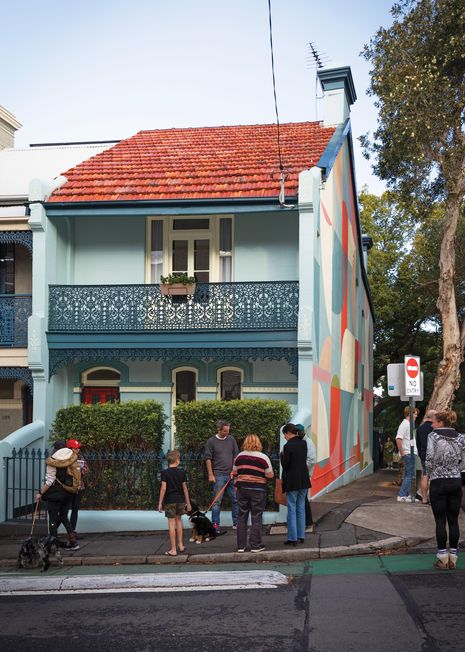
I keep returning to the first rental I redecorated entirely in my head. Never with a brush, obviously. Picture a narrow inner-west terrace with a hallway the colour of unbuttered toast, a bathroom lit like a pathology collection room and a landlord who treated every nick in the skirting board as evidence of poor character. Most evenings I stood in the doorway with my keys still in my hand, imagining tobacco pink on one wall, maybe eucalyptus green if I was feeling brave. After a minute or two, caution won. I bought a linen cushion and left the walls alone.
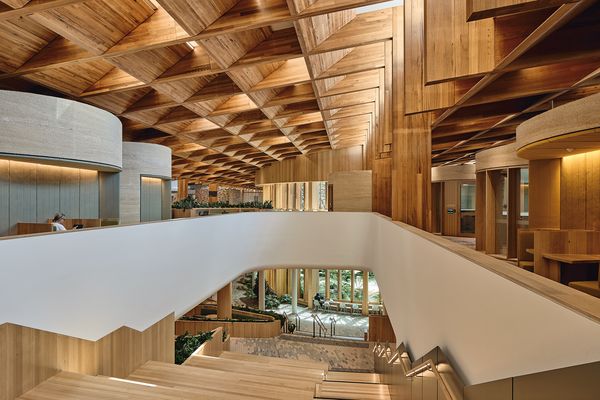
That small, slightly pathetic memory is what I brought to the Dulux Colour Awards 2026. On paper, the awards are not a referendum on our national fear of pigment. They are a design programme in its 40th year, with more than 540 entries from Australia and New Zealand, 96 finalists and eight categories. Polished. Industry-facing. Yet this year’s winners read like a group decision to stop treating colour as garnish.
Across the coverage, the best rooms don’t ask white to do the emotional labour first. They begin somewhere else: brick red, moss, a softened yellow, shades that look as though someone mixed them after staring at old timber and late light for longer than was strictly necessary. Some are quiet. That matters.
In Homes To Love’s account of the winners, Dulux colour and design manager Lauren Treloar put it plainly:
“the winners stepped away from traditional or stereotypical palettes to reveal what is possible when colour is treated as a foundational design element”
(Lauren Treloar, Dulux, via Homes To Love)
Foundational. Not the feature wall behind the television because somebody got bored over Easter. Not the terracotta arch that made every cafe look briefly related. Colour as the thing that gives a room its bones.
The room stopped apologising
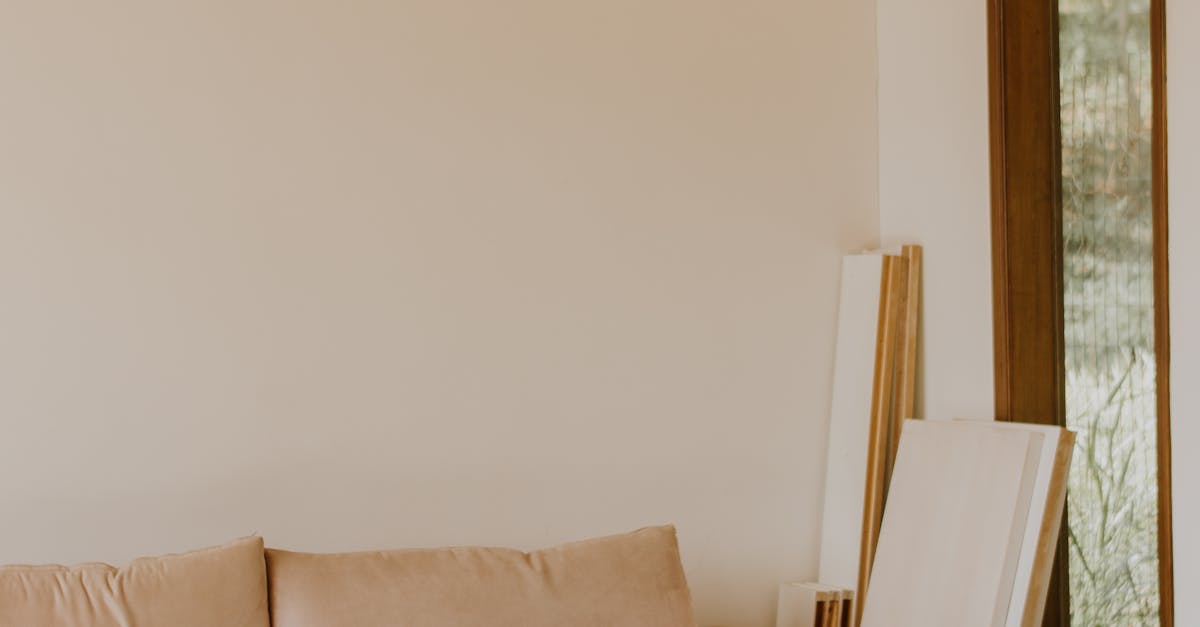
A particular Australian white sits somewhere between sunscreen and new-build plaster. It photographs cleanly. Renters know it. Nervous renovators trust it. For years we called it restraint, though plenty of the time it was just avoidance in a linen shirt.

I understand the appeal. White is practical if you are renovating to sell, fretting about resale value or living with a bond inspection calendar on the fridge. It throws the sharp Australian light around. In real-estate photos, at least, a small room looks less small. But it can also flatten domestic life until the house looks as if nobody has ever sliced a mango in the kitchen or cried in the spare room.
So this year’s colour-forward interiors feel less like trend churn than a correction. The ArchitectureAu report on the award winners reads across residential, retail and hospitality projects, which is the useful bit. One moody hotel or one brave powder room could be shrugged off as a decorative mood swing. Colour showing up in the spaces where we sleep, browse, eat, wait and work is harder to dismiss.
No, this does not mean everyone should paint the living room aubergine by Sunday. Please don’t. What interests me is why the safest-looking rooms have started to feel the least alive.
Colour is doing more than looking pretty
The lazy version of this story says maximalism is back. I don’t buy it. Maximalism, at least online, can become another costume: books arranged for the camera, lacquer trays, a novelty lamp, a wall colour chosen because it will halt a scrolling thumb. Better projects in the Dulux field seem more disciplined.

Take The View, described in the reporting as a seven-year reimagining. Seven years is an unfashionable amount of time to spend on a room now. Decisions had to survive moods, invoices, delays, mistakes and the creeping embarrassment of an idea that sounded better at the beginning. To me, that is where colour becomes architectural rather than cosmetic. It has to carry time.
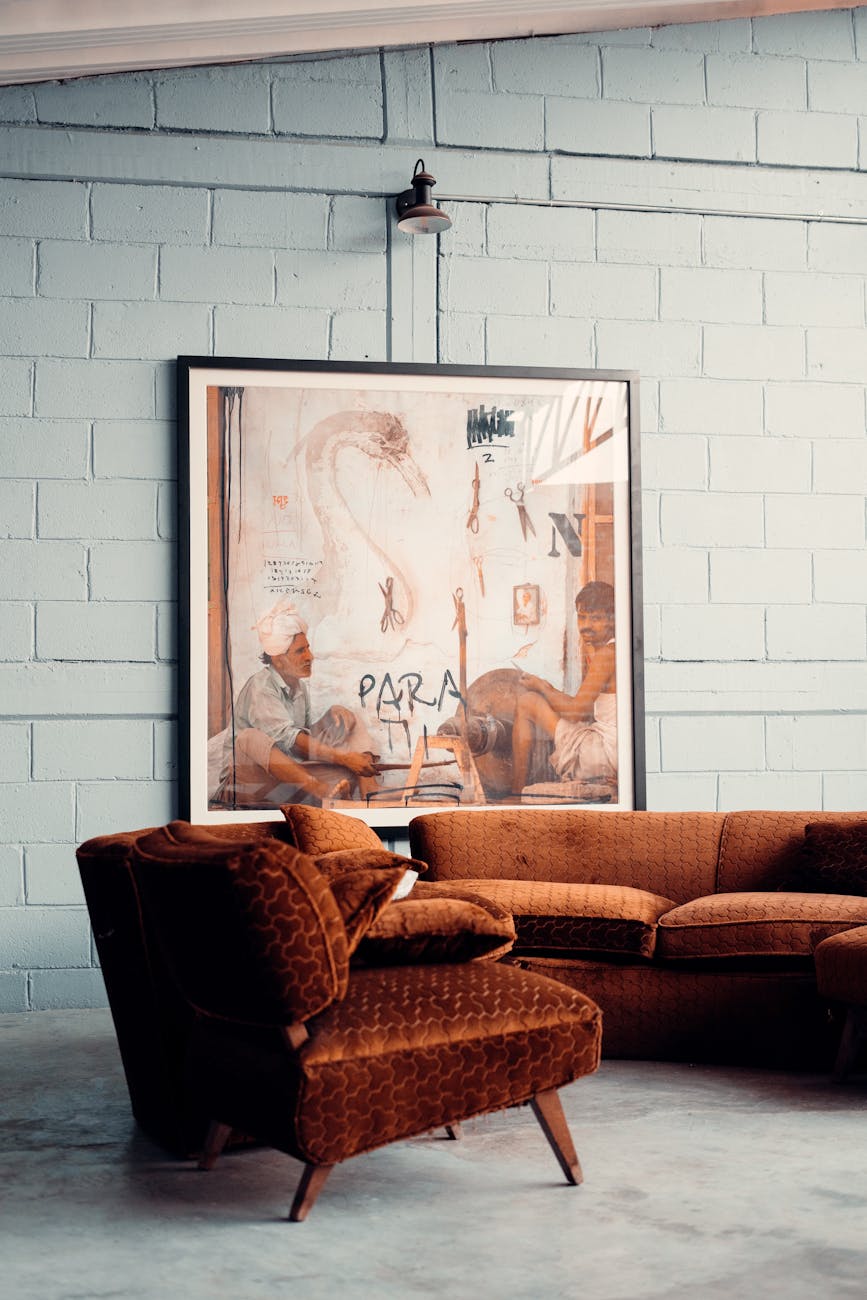
Colour-drenching is the phrase designers use when the wall, ceiling, trim and sometimes the built-ins are wrapped in related tones. Admittedly, it can sound like something invented by a paint brand at lunch, but in practice it changes the edges of a room. Cornices quieten. Doors pull back. Depending on the shade, the ceiling lowers or lifts. A room can feel held. Different thing from decorated.
Read that way, the awards are asking colour to organise space. Another reading is about permission. When ArchitectureAu can see similar instincts across housing and hospitality, it starts to look like a design culture inching away from blankness as its default setting. Maybe I am overstating it. Awards are a concentrated dose of bravery; nobody gives a trophy to the safest white living room in the suburb. Even so, awards have a habit of telling the market what it is allowed to want next.
Here is why I feel a little fond of the whole thing. Australian interiors have always had to negotiate punishing light, dust, heat, old fibro, glossy renovations and the national terror of looking like we tried too hard. Colour asks us to be more exposed. A bad white room can hide behind taste. A bad green room has nowhere to go.
The slow cure for photo-ready homes
The strongest argument for colour is not fashion. Fashion will betray you; half the things I loved in 2016 now look like a cafe bathroom. A better argument is that colour can record a life in a way white often refuses to do.

The awards sit neatly beside another interiors conversation from the same week: slow decorating. In that piece, designer Ruby Shields argues for rooms formed by observation and use rather than instant completion.
“It’s an approach rooted in observation, emotion and lived experience”
(Ruby Shields, Studio Shields, via Homes To Love)
I like that sentence because it takes the pressure off the reveal. Bad decorating often happens because we try to finish a room before we know what the room is good at. A rug appears because there is a rug-shaped absence. The pendant gets ordered because the ceiling looks lonely. White goes everywhere because it lets you postpone every other decision while pretending the postponement is taste.
Slow decorating makes colour less frightening. Given time, paint doesn’t have to arrive as an identity crisis. It can come after you learn that the winter sun hits the western wall at 3pm, that the blue sofa you inherited is staying, that the timber table looks warmer against a dirty apricot than it ever did against gallery white.
By then, the white-wall hangover is emotional rather than aesthetic. The old ideal promised calm, but sometimes it delivered household amnesia. No marks. No friction. No visual evidence that anyone lived there with opinions.
A Guardian Life profile of art collector Ruth Evans catches the counterargument beautifully. In the story about her colour-filled home, interior designer Mika Burdett says of a certain restrained look:
“It looks very nice, but in my opinion it’s nihilistic”
(Mika Burdett, quoted in Guardian Life)
Nihilistic is a hard word for beige. It made me laugh, then wince, because I knew exactly what she meant. A perfectly neutral room can sometimes feel as if it has opted out of memory. Not wrong, exactly. Just emotionally unavailable.
A brave room still needs manners
None of this is permission to bully a house with paint. Colour can be obnoxious. Small rooms can turn airless; timber can go grey; the garden can start fighting the sofa. Objects can look as if they have walked into the wrong party. Many people stay pale for good reasons.
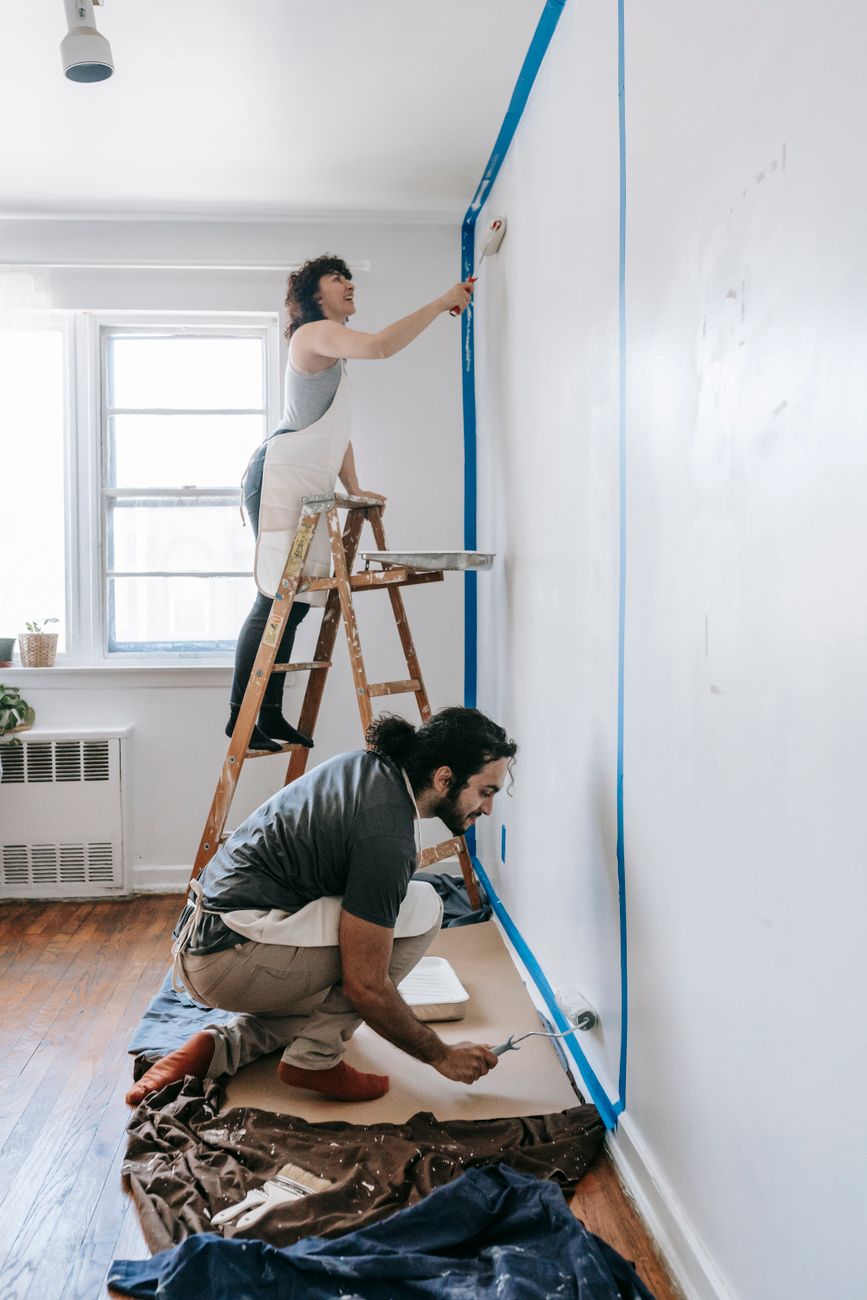
Practical limits matter too. Renters cannot always paint. Apartment owners have strata rules, damp corners, bad light wells and budgets that do not stretch to repainting mistakes. The cult of brave colour becomes class-coded very quickly if we pretend everyone has the same freedom to experiment. A designer can call the painter back. A renter gets charged for a scratch above the skirting.
So I would not read the Dulux winners as a command. I’d read them as a loosening. White is not over. White can be lovely when it is chosen, rather than used as a panic room. The shift is that colour is starting to look less like risk and more like care.
For homeowners, that might mean painting one room properly instead of sprinkling coloured objects around a white shell. If you rent, maybe it is a fabric screen, a painted second-hand cabinet or a deep-toned lampshade that changes the temperature of the room after dark. For the design industry, it might mean admitting the most photographed room is not always the room people want to come home to.
This part matters after the awards night flowers have been cleared away. People do not live in mood boards. We live beside power points in the wrong place, in kitchens that smell like toast at 7.40am, in bedrooms where the chair collects clothes because no one has invented a better system than the chair. Colour has to work there, among the ordinary mess.
What I’d paint first
If I were starting again with that old rental hallway, I would not choose the tobacco pink. Too theatrical for the light. Something muddier would suit it better, maybe a tea-stained green with a bit of grey in it, and I would stop pretending the hallway needed to feel bigger. It was narrow. Fine. Let it be narrow, but let it have a temperature.
At a more ambitious scale, the 2026 Dulux Colour Awards give permission. They show colour as structure, atmosphere and a way of making a room tell the truth about itself. The white-wall decade taught us to fear regret. The next one might ask a better question: what if the greater regret is living for years in rooms that never quite speak back?
I don’t think Australia is about to become a nation of marigold bedrooms and oxblood kitchens. We are too suspicious for that, and perhaps too practical. But I do think the safest room in the house has lost some of its authority. Once you notice that, white starts to look less like a blank canvas and more like a pause that went on too long.

The Lifestyle Desires brief
Style, food, travel and wellbeing — weekly in your inbox.
Subscribe