Why Australian fashion’s outsider runway feels more alive
Australian Fashion Week 2026 looks slick on paper, but the off-calendar runways around it are where local risk, access and excitement now live.
The detail I keep coming back to is not on the official schedule at all. You find it in Shiva Yousefpour’s account of showing Shiyo at Wings Independent Fashion Festival: not the clothes first, not even the applause, but the relief afterwards. In Australian fashion, relief is rarely the word that trails runway season. Nerves, yes. Debt, often. Prestige too, in that pinched and faintly exhausting way the industry still treats as normal. Relief suggests the room itself is changing.
Writing about her collection Alchemy, the reporting on Wings and Yousefpour’s show landed on the line I could not stop thinking about:
“They made everything happen really smoothly – it was one of the easiest runways I’ve done.”
— Shiva Yousefpour, via The Sydney Morning Herald
Watch local fashion for long enough and that line lands harder than any trend report. It gets at the question younger designers keep asking, sometimes quietly: can the runway still help if it stops feeling like a punishment?
By paragraph three, the tension is already in the room. In Gary Bigeni’s recent conversation with PEDESTRIAN.TV, the designer put a blunt number on the old model: a standard show costs between $25,000 and $40,000. The sanctioned week still carries cachet, buyers and the cleaner photograph, but that figure changes the emotional temperature. Once runway becomes a line item that large, the liveliest work was always going to leak out to the sides.
Sure, prestige still matters. I do not think the official week turned irrelevant overnight. Buyers still need rooms to move through. Editors still need a timetable that keeps the day in order. Sponsors still want the neat picture. Yet the hierarchy of attention has shifted. The official calendar no longer has a monopoly on risk, surprise or local texture, and the events around it feel less like a fringe now than the place where the real argument has moved.
The room people actually lean towards
Wings, at least, seems to understand that a smaller room can produce a larger feeling. The festival is only in its second edition, but it has already been pitched as a month-long programme rather than a one-night appendage, with six designers and fashion folded into music, art and a broader city crowd. That shift matters because it moves the show away from a solitary industry rite and towards a public cultural event.
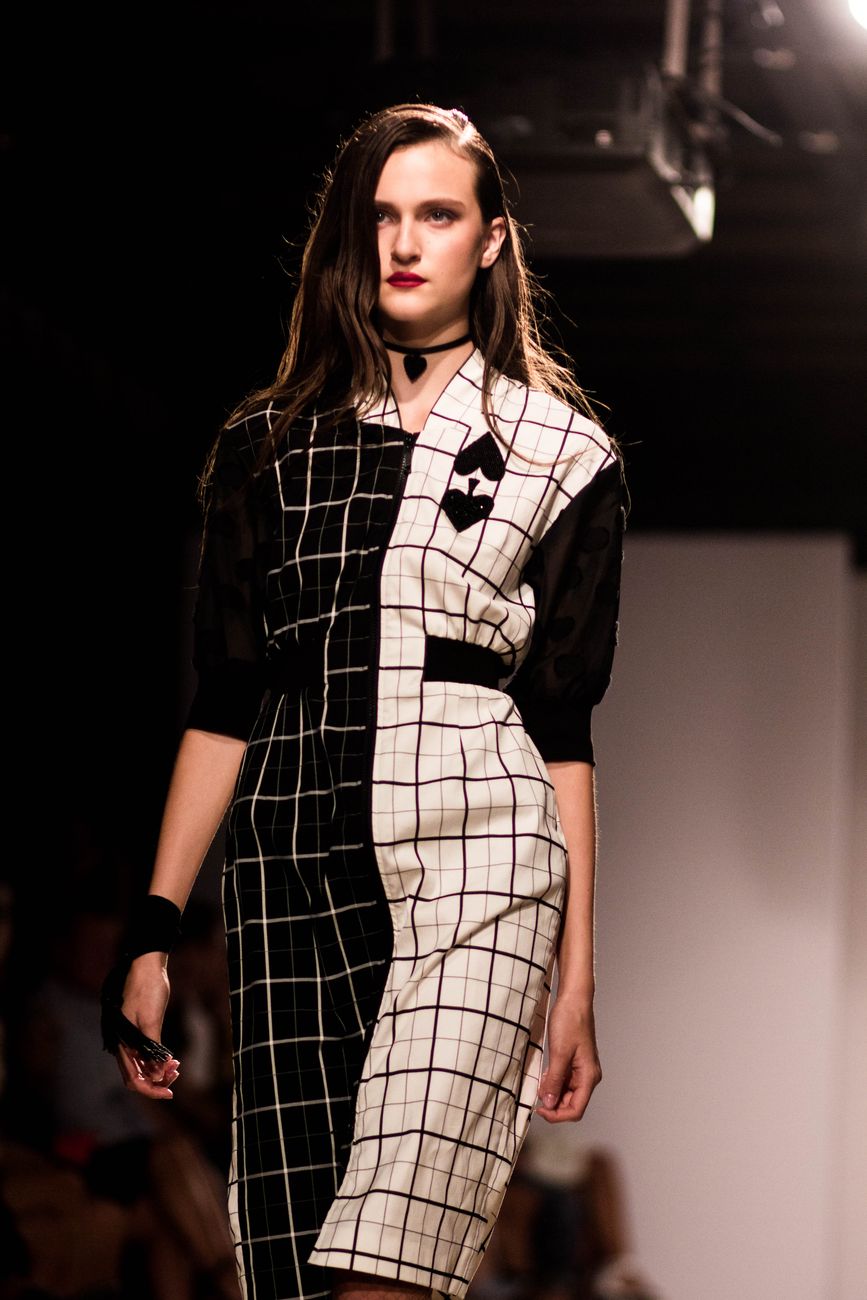
Read Destination NSW’s own outline of the event and the logic from founders Alvi Chung and Dan Neeson feels fairly plain. If the official week is expensive, compressed and anxious, build something looser. Spread the attention over time. Let people who are not buyers or editors feel invited rather than merely tolerated. Fashion is forever describing itself as a world; Wings sounds more like a scene. Healthier, frankly.
Instead of asking every young label to prove itself in one high-pressure slot, the format gives the clothes a little air. A month is not just a scheduling detail. It changes who can attend, who can help, who can be seen and who can afford to imagine themselves in the room. When a festival creates more than 1,000 paid and volunteer roles across fashion, music and the arts, as Wings has been described doing, it stops feeling like an insiders-only exam and starts behaving like culture.
Straight away, Yousefpour seemed to feel that difference. The Herald’s reporting on her show caught the almost disbelieving note in her reaction:
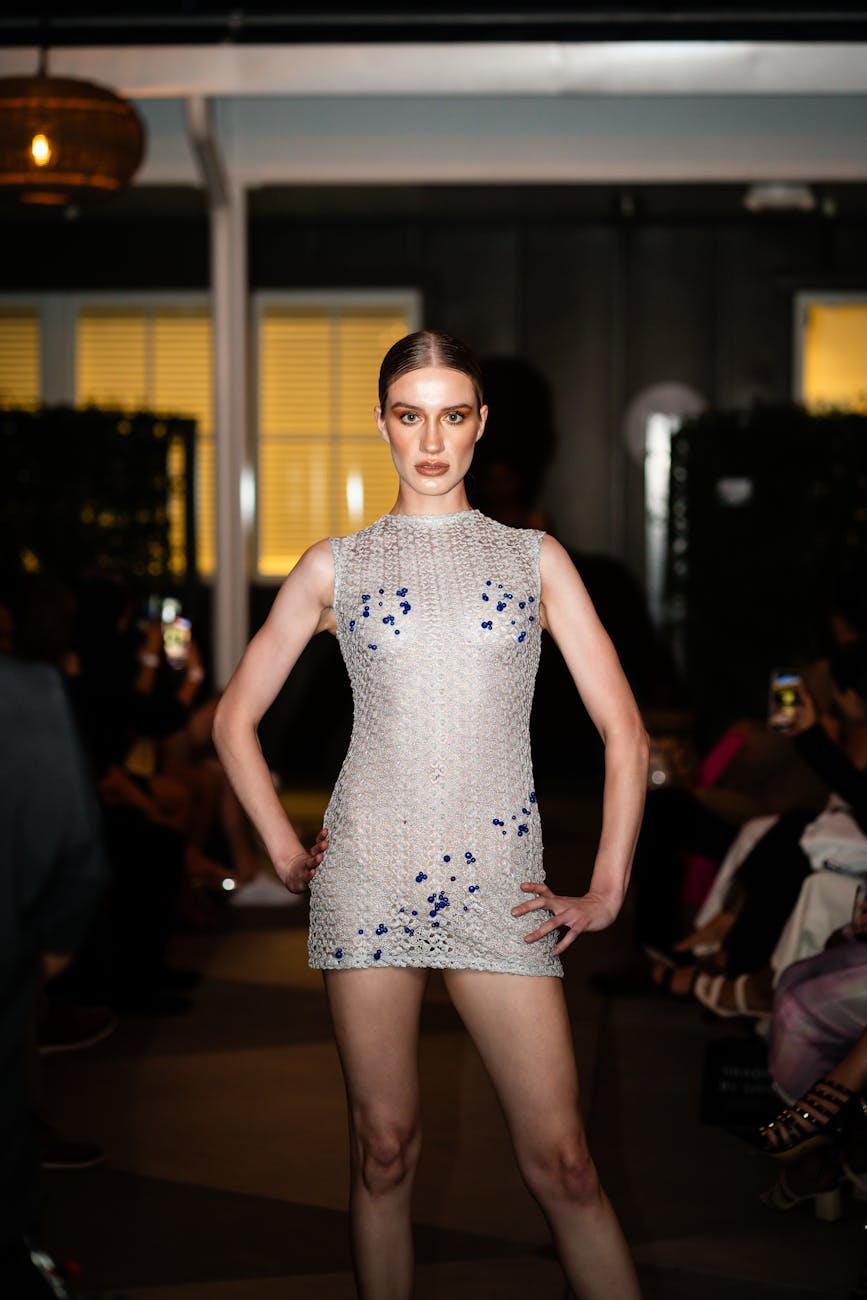
“It felt unreal,” Yousefpour says of watching her collection Alchemy coming to life.
— Shiva Yousefpour, via The Sydney Morning Herald
For me, that sentence answers the user-side question more cleanly than any panel discussion could. Alternative festivals can offer visibility. They can feel easier. They can create the kind of community that changes how the work looks once it hits the runway.
The price of looking official
More than anything, the off-calendar circuit exposes the price attached to looking official. Australian Fashion Week still offers the quicker shorthand; say the name and everyone knows the room you mean. But Bigeni’s blunt cost estimate makes the official calendar look less like a cultural necessity than a financing decision.

Bigeni put it even more starkly than that:
“A standard show costs between $25,000 and $40,000.”
— Gary Bigeni, via PEDESTRIAN.TV
Numbers do ugly things to romance. Once that figure lands in the room, the old myth of the official slot starts behaving like a maths problem. Who can spend that and still pay a team properly? Who can absorb it if buyers do not bite? Which labels never reach the first fitting because the cost of presenting ruled them out earlier? The glamour starts to look a lot like a gate fee.
More revealing than the glossy recap is the insider view. Bigeni has spoken about lighter show models, digital lookbooks and social media as part of a more survivable business. That sits neatly beside Vogue’s own read of the Resort 2027 collections, which singled out the next generation of independent designers, and Refinery29’s dispatches from the week, which felt like coverage of a calendar already sharing attention with side rooms, fringe presentations and labels building their own audiences in parallel. The monopoly has softened. The paperwork has not quite caught up.
From there, off-calendar fashion looks less like a protest against the runway than a revision of what the runway is for. Less certification. More communication. Less one-night coronation. More ongoing conversation between designer, crowd and buyer.
The city looks different from the fringe
Maybe that is also why the outsider runway feels more alive. It is not only cheaper. It looks more like Sydney, and more like the actual mix of people making Australian clothes right now. The Herald described the Wings crowd as predominantly non-white, which sounds like a small detail until you remember how often the main fashion conversation slides back to the same narrow idea of taste.
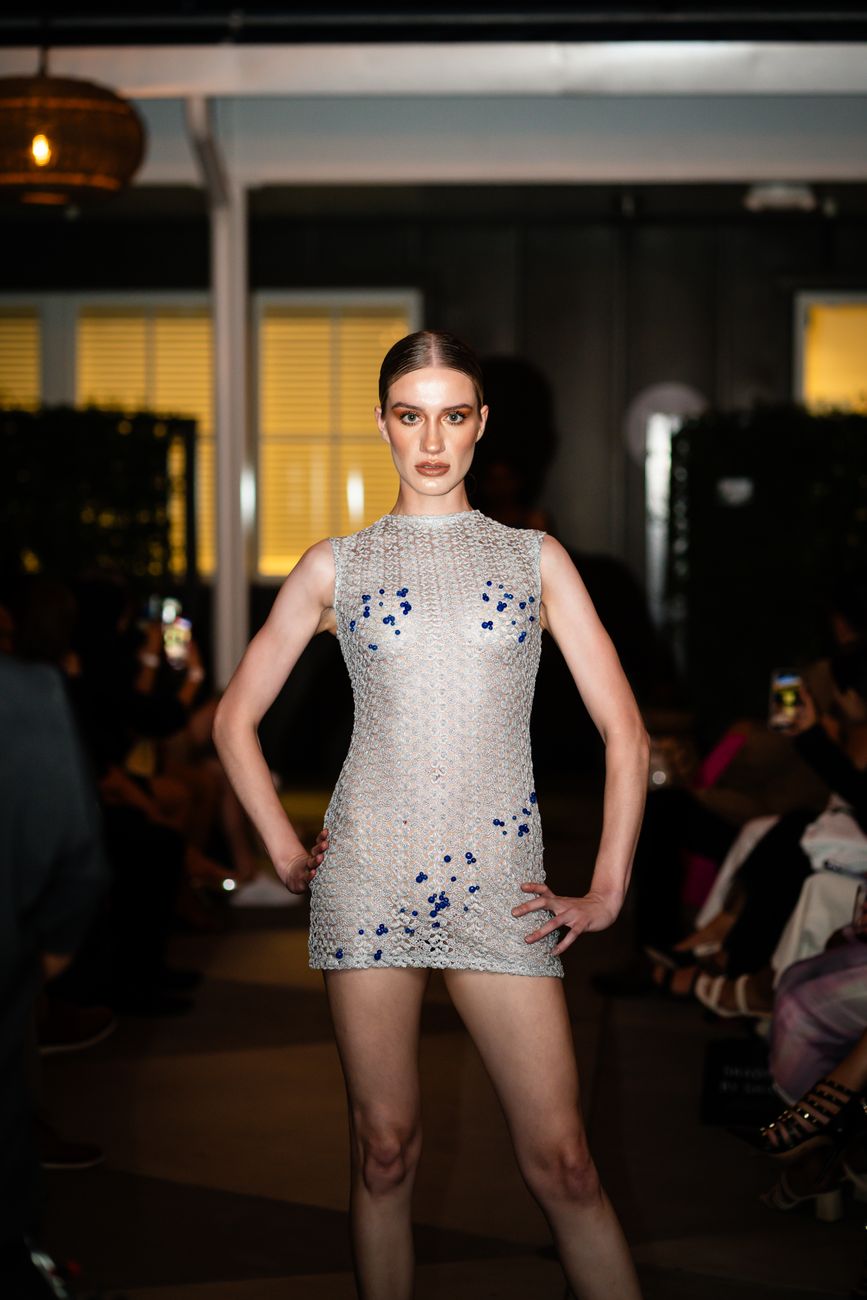
Put bluntly, who is in the room changes what counts as fashionable. It changes which references feel natural instead of imported, which silhouette reads as exciting rather than merely saleable, which mood board gets to look legitimate without first passing through Europe or New York. Fashion likes to pretend these are airy aesthetic questions. They are really questions about power.
Look at The Guardian’s gallery of an independent Indigenous runway staged ahead of Australian Fashion Week and the point is not simply representation. The satellite events are producing some of the season’s clearest images and some of its least compromised ideas about who gets to be seen. That matters because the Australian Fashion Week machine has spent years wobbling between real experimentation and a tidied-up version of itself that is easier to sell internationally.
Analyst coverage sharpens the picture too. Lucianne Tonti’s Guardian analysis of Australian gothic’s return and Refinery29’s broader trend report both suggest the week’s real charge is coming from labels willing to be darker, stranger and less obedient to the resortwear brief that used to flatten the local scene. Wings fits that mood even when the clothes themselves differ. The off-calendar circuit is compelling not because it is wholesome, but because it lets designers stay specific.
The calendar has already loosened
No, the old calendar has not collapsed, and I do not think it needs to. The official week still gives buyers, sponsors and editors a place to convene. It just no longer owns the fantasy of arrival. That is the deeper shift. For younger labels, a show can be one expression of a brand rather than the single exam that decides whether they get to belong.

Off to the side, the newer model is answering questions the official week has become too expensive to ask. Can you gather a crowd without pretending exclusivity is the same thing as value? Can a younger label be legible without being flattened into trend bait? Can a runway serve the designer rather than the institution around it? Wings is interesting because it appears to answer yes, or at least yes often enough to make the old script wobble.
Which is why the builder question around Wings matters. Can an alternative festival provide visibility, ease and community at once? On the evidence so far, at least partly, yes. A month-long festival structure with six designers, cross-pollination with music and art, and more than 1,000 paid and volunteer roles does something the older format struggles to do. It turns fashion into a civic event again rather than a private test of stamina.
I might be wrong about this, and the main tent may yet reassert itself. Fashion institutions are hard to kill and even harder to replace. Still, if you want to know where Australian fashion feels least rehearsed right now, I would not begin with the sanctioned room. I would start with the cheaper one, the stranger one, the room just outside it, where a designer can call a runway easy and mean it as praise.
The Lifestyle Desires brief
Style, food, travel and wellbeing — weekly in your inbox.
Subscribe