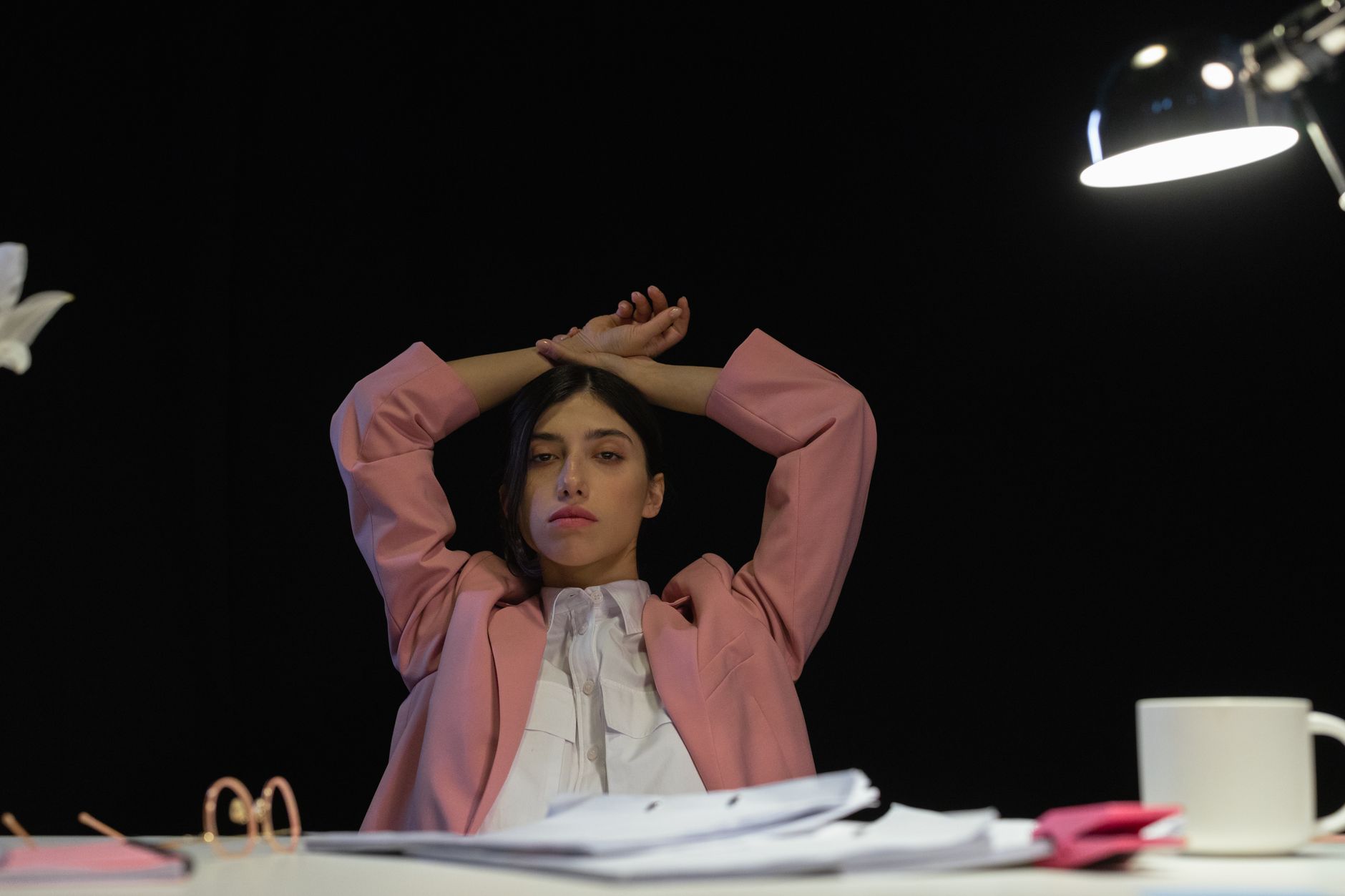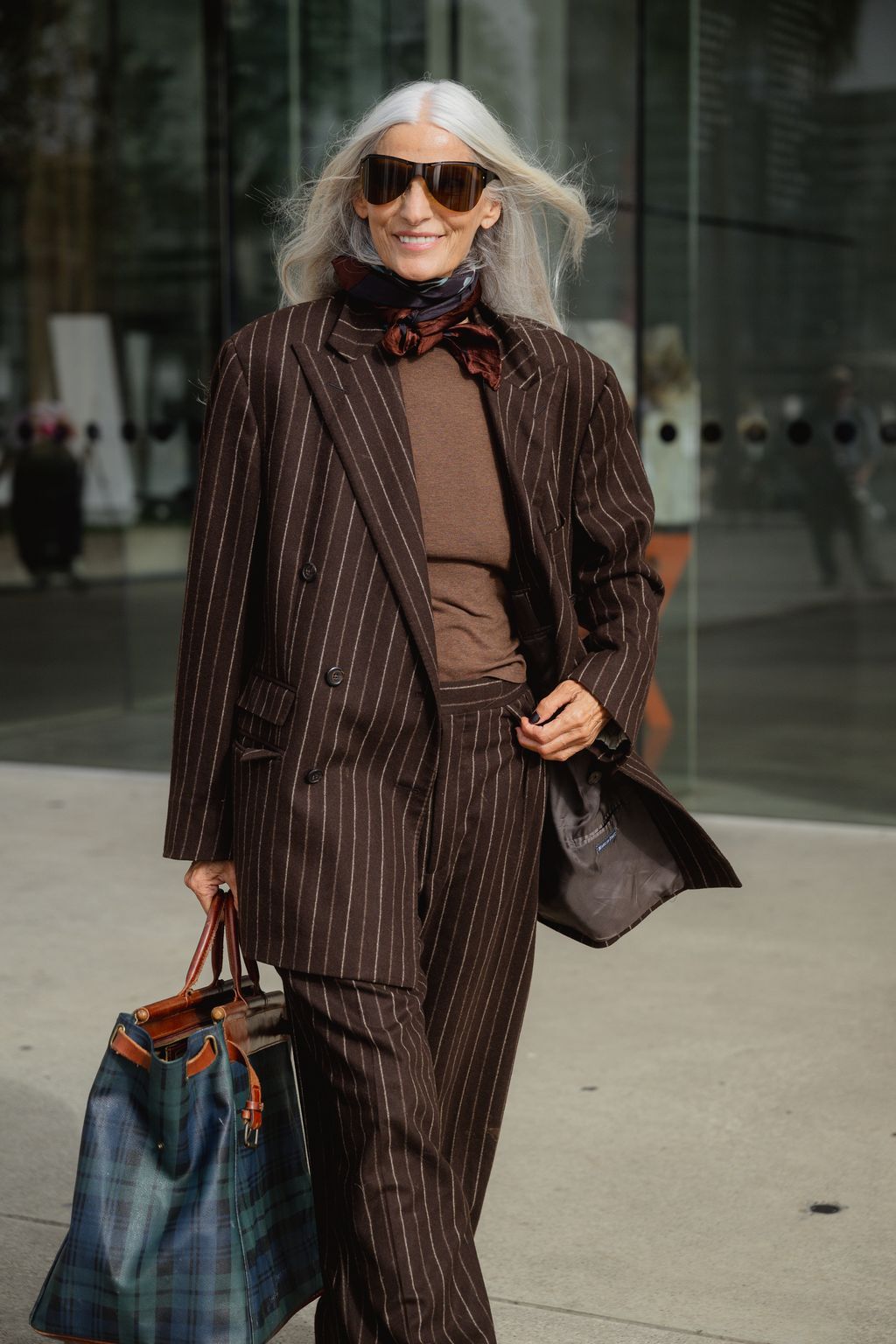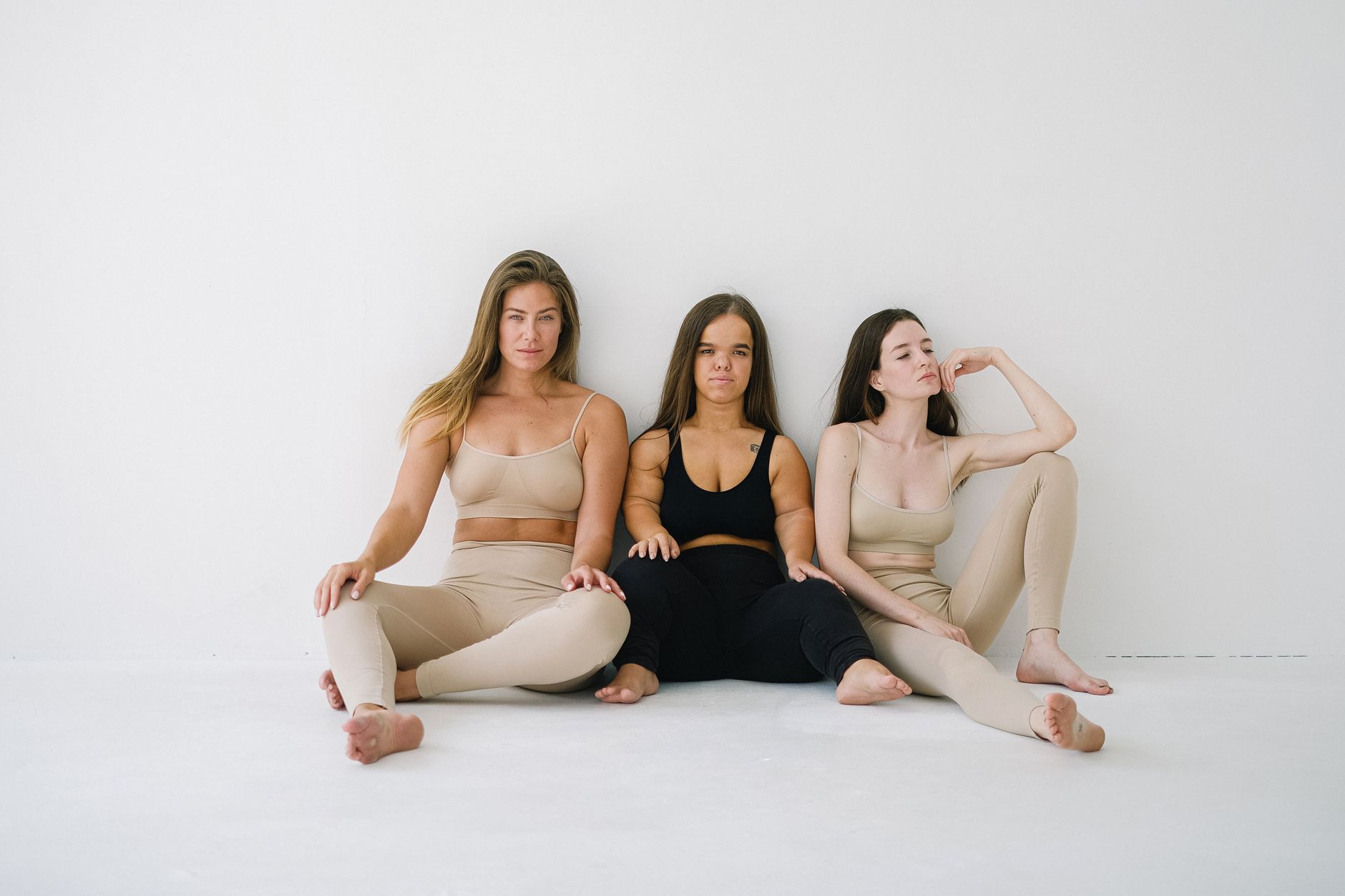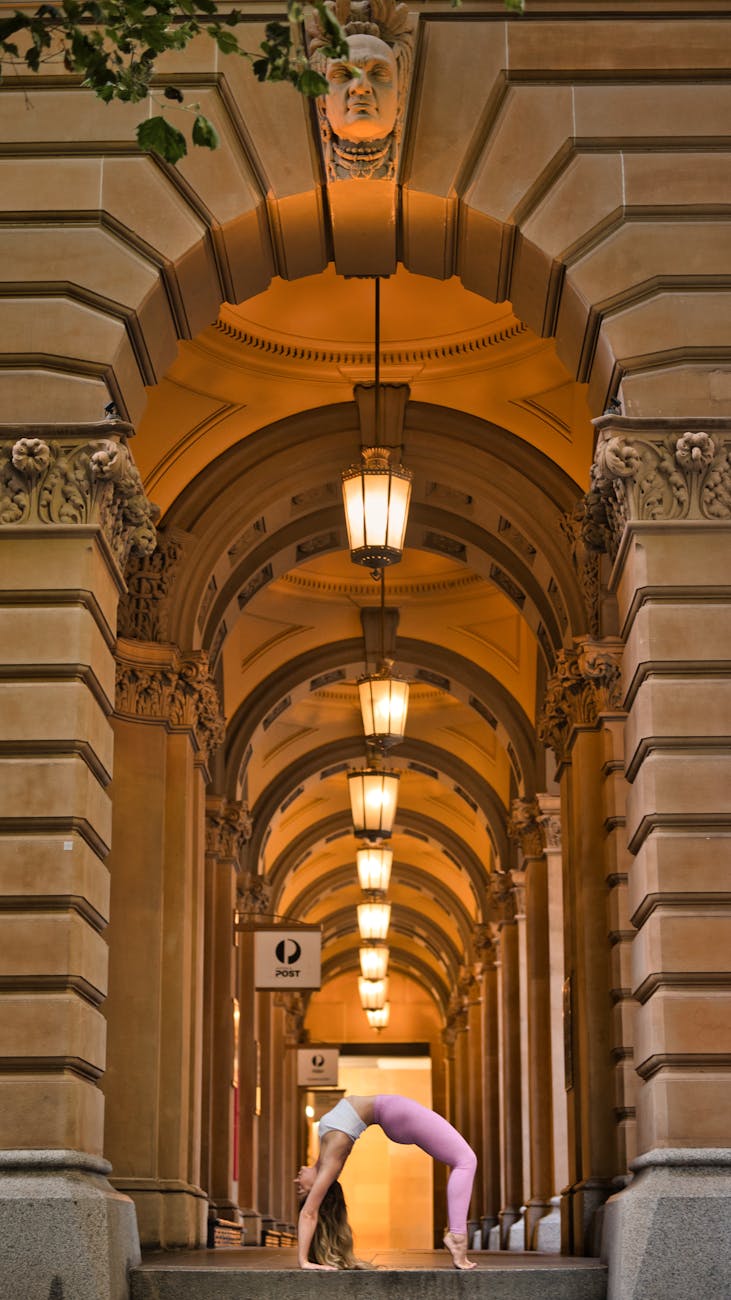
Alo lands in Sydney, and the matching set follows
Alo Sydney store turns activewear into an off-duty uniform, showing why wellness dressing still slips from Pilates to coffee to work.
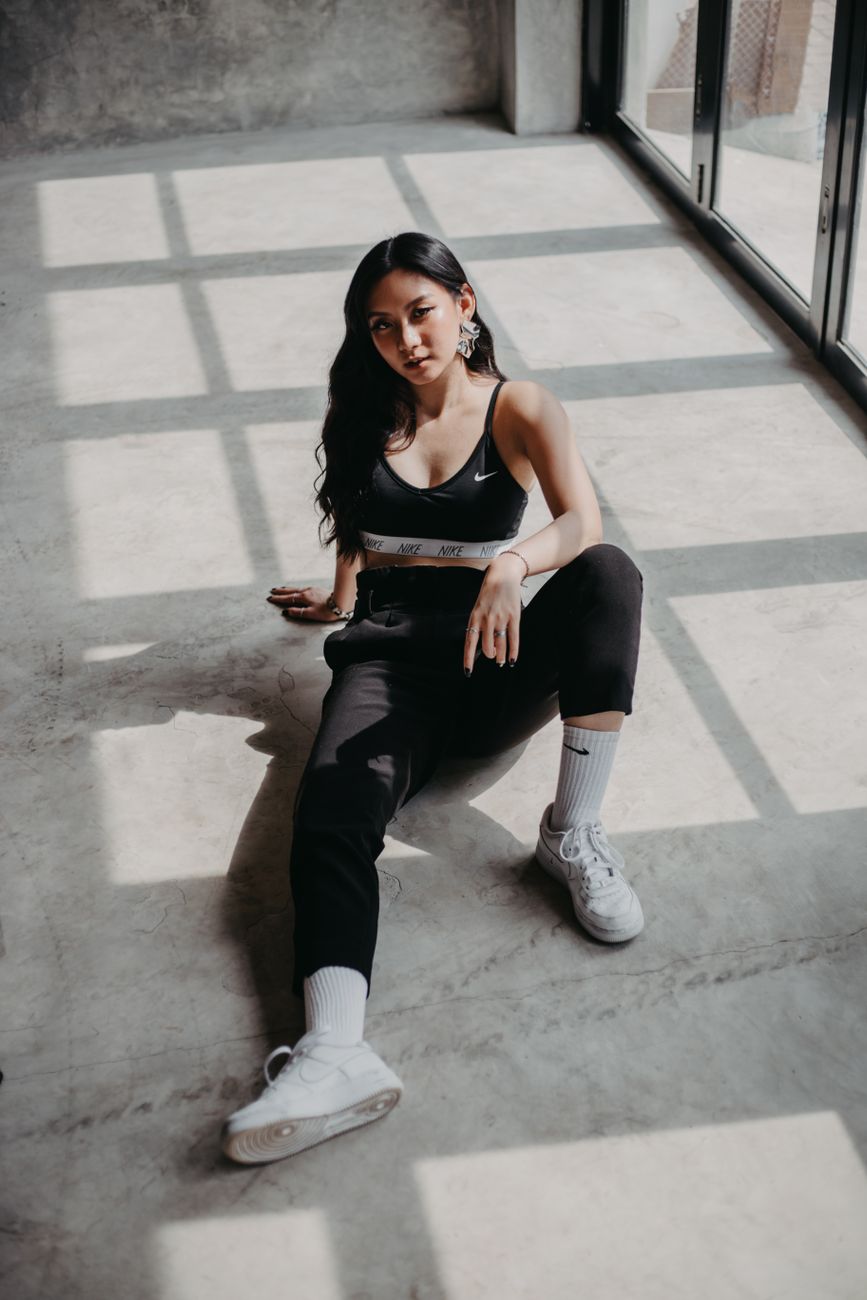
A matching set has a funny kind of authority in Sydney now. You see it in the cafe queue after reformer Pilates, sure, but also in the chemist, on the school run, in the airport lounge, at a Wednesday lunch that swears it is not really lunch because everyone is carrying a tote and a green juice. The set tells a story before anyone opens their mouth. It says you have taken care of yourself, or at least that you know the costume for looking as though you have. Few uniforms still want applause for seeming effortless. This one does.
Which is why Alo opening its first Sydney store feels a touch bigger than a routine retail arrival. Yes, the Chatswood Chase launch is another American brand crossing the Pacific. It also catches something already well underway here. Activewear now helps organise a day, not just a workout. More to the point, it offers a life that runs from class to coffee to work to dinner without a wardrobe change and, if the marketing really lands, without much friction in the handover between selves.
Lately, though, the fantasy has started attracting sharper questions. In The Conversation, the fashion scholar Alice Payne argued that activewear’s wellness gloss can sit awkwardly beside greenwashing and the question of what, exactly, is in the fabric we keep treating as second skin. That tension matters here. For Alo, softness, permission and ease are the sell. What lingers is the harder question of what Australians think they are buying when they buy into the off-duty uniform.
The set as shorthand
None of this is novel. What matters is how quickly the outfit saves language. A ribbed flare legging, a cropped zip jacket, a clean trainer, a slicked bun, and suddenly the clothes explain the person before she has to. Disciplined but not rigid. Health-minded but not punishing. Busy, yes, though somehow still serene. Last week Vogue was still publishing an actual four-step formula for the model-off-duty look, which tells you the style has settled into something more durable than trend churn. By now, it is a grammar people recognise on sight.

Alo has been unusually explicit about that grammar. In her conversation with Harper’s BAZAAR Australia, Summer Nacewicz described “studio-to-street dressing” as the whole point of the wardrobe, clothing for people moving from workouts into the rest of the day. Stare at the phrase too long and it starts to sound focus-grouped. Still, it lands because most of us already dress this way. Usually with less branded confidence: an old puffer here, a faded crew sock there, one good black legging doing the work of three pairs of trousers.
Australians have understood the trick for years. Athleisure stopped promising fitness somewhere along the line and started promising fluency instead. The right set suggests you know how to move between private care and public life without making a fuss. Even the phrase “off-duty”, once reserved for paparazzi captions and model-airport sightings, has gone democratic. No runway required. Just the suggestion that you could leave for the airport in ten minutes.
Comfort gets to be expensive
Partly because of that fluency, the category still holds pricing power long after the novelty should have worn off. An analyst could dress it up more clinically, but the truth is easy to see in the mirror: comfort now reads as discernment. The old luxury tell was inconvenience, a heel too high or a bag too delicate. Now it is subtler. You look comfortable, but very selectively comfortable. Not trackies from the corner shop. Technical softness with a status accent.

Alo’s Sydney debut says something bigger about the wardrobe Australians keep buying into. By now, activewear is not a gym-adjacent purchase so much as travel wear, errand wear, casual-office wear, school-pick-up wear. You can see the category’s spread in the culture around it: Wired spent this week making a case for a Lululemon duffel with the energy once reserved for an It bag, while GQ treated Vuori’s sale rack like summer wardrobe planning rather than sportswear housekeeping. That shift matters. Ease now comes with a markup.
I am wary of calling this a social revolution. Sometimes a legging is just a legging, and sometimes a very nice zip-front jacket is simply easier to wear than a tailored one on a humid Sydney afternoon. Still, the wardrobe shift does feel ideological in small ways. It rewards the body that is always almost on its way to self-improvement. It flatters the fantasy that health, efficiency and style can all be managed in one silhouette. You can buy the look even if you remain gloriously chaotic underneath it. Maybe especially then.
When a shop starts calling itself a sanctuary
The clothes are sell one. The shop is sell two. Inside Retail Australia treated the Chatswood Chase debut as part of a broader Australian expansion. Pedestrian.TV said four more local “sanctuaries” are planned this year. That word does a lot of work. Nobody calls a shop a sanctuary by accident. It is retail trying on spiritual language, because belonging sells better than inventory.

So there is the insider answer to why brands like Alo prefer the language of community and ritual to the older language of retail. If a store is a sanctuary, a purchase can feel less like consumption and more like alignment. You buy the flared leggings, sure. You also buy proximity to the sort of person who would wear them to a 7am class, then brunch, then a meeting, and still look composed by 4pm. It is the oldest fashion trick going, selling the self alongside the garment, but the wellness era has given it especially soft lighting.
“People are craving permission to feel well without having to optimise every second of their lives.”
Summer Nacewicz in Harper’s BAZAAR Australia
Smart line, that. It softens the brand’s ambition. It says: we know you are tired of being told to optimise; let us offer ease instead. Even so, ease comes with its own pressure. The set still asks you to signal that you are the sort of person who can carry wellness through a day. Benedetta Petruzzo made the Australian fit sound almost inevitable when she told Pedestrian.TV that Sydney feels like a natural home for the brand because of its movement culture, community and outdoor life. She is not wrong. Sydney loves a lifestyle that can be worn in public. We just rarely admit how much of that lifestyle is bought.
“Australia — and Sydney in particular — felt like a natural home for the brand. There is a real movement culture here, a strong sense of community, and a way of life rooted in the outdoors.”
Benedetta Petruzzo in Pedestrian.TV
The soft-focus part that makes me pause
My hesitation with the sanctuary language is simple: activewear has always asked for a curious kind of trust. It sits close to the body. It borrows the moral glow of health. It is marketed with the vocabulary of care. So when critics start asking what chemicals might be in the fibres, or whether “sustainable” promises are mostly mood boards with copywriting attached, the whole category starts to look less innocent than it likes to seem.
Here is the sceptic’s most useful question: does wellness branding tell us anything meaningful about the product, or does it simply make the product feel virtuous? In The Conversation, Payne’s analysis of “forever chemicals” in activewear lays out the problem plainly. Technical performance fabrics can come with environmental and health concerns that do not disappear because the campaign imagery is beige and serene. Guardian Life pushed that discomfort further, asking how worried shoppers should be about PFAS in leggings right as labels lean hardest on the language of wellbeing.
I do not think that contradiction kills the off-duty uniform. If anything, it explains why the category is getting more interesting. Activewear no longer sits outside fashion criticism as the practical cousin in the family. It has moved into the centre of the wardrobe and brought the same old questions with it: who gets to feel relaxed, what counts as natural, what price we are willing to pay for a cleaner self-image, and how much of modern style is really just a beautifully merchandised coping mechanism.
Alo’s first Sydney store is a neat little case study in all of that. On one level it is a single brand opening a single shop in a city already full of good leggings and better coffee. On another, it feels like local confirmation that the off-duty uniform is not going anywhere. Australians are still buying into the set because it offers something ordinary clothes do not always manage: a sense of momentum without visible strain. I get the appeal. I have worn versions of it myself, usually on days when I wanted to look more in control than I felt. What I am less willing to do now is pretend the uniform is neutral. It carries a whole little worldview with it. That, more than the store itself, is what just landed in Sydney.
The Lifestyle Desires brief
Style, food, travel and wellbeing — weekly in your inbox.
Subscribe