The chatbot beauty standard was always going to end up in a surgeon’s office
AI face beauty standards are landing in plastic surgery consults, where surgeons must explain why a machine-smoothed face cannot exist on skin.
I keep picturing the consultation room before I picture the face.
A patient sits down, opens a phone, and slides across an image that looks like her but better behaved: the jaw a little cleaner, the skin a little calmer, the eyes a fraction wider, the whole thing arranged with the smug coherence of a chatbot answer. In the recent report on the rise of “AI face” requests, surgeons described clients arriving with machine-made reference images that treat a human face like a brief for a renovation. Hard not to see the logic of it. Beauty culture has spent years training us to bring inspo. Now AI has made the mood board answer back.
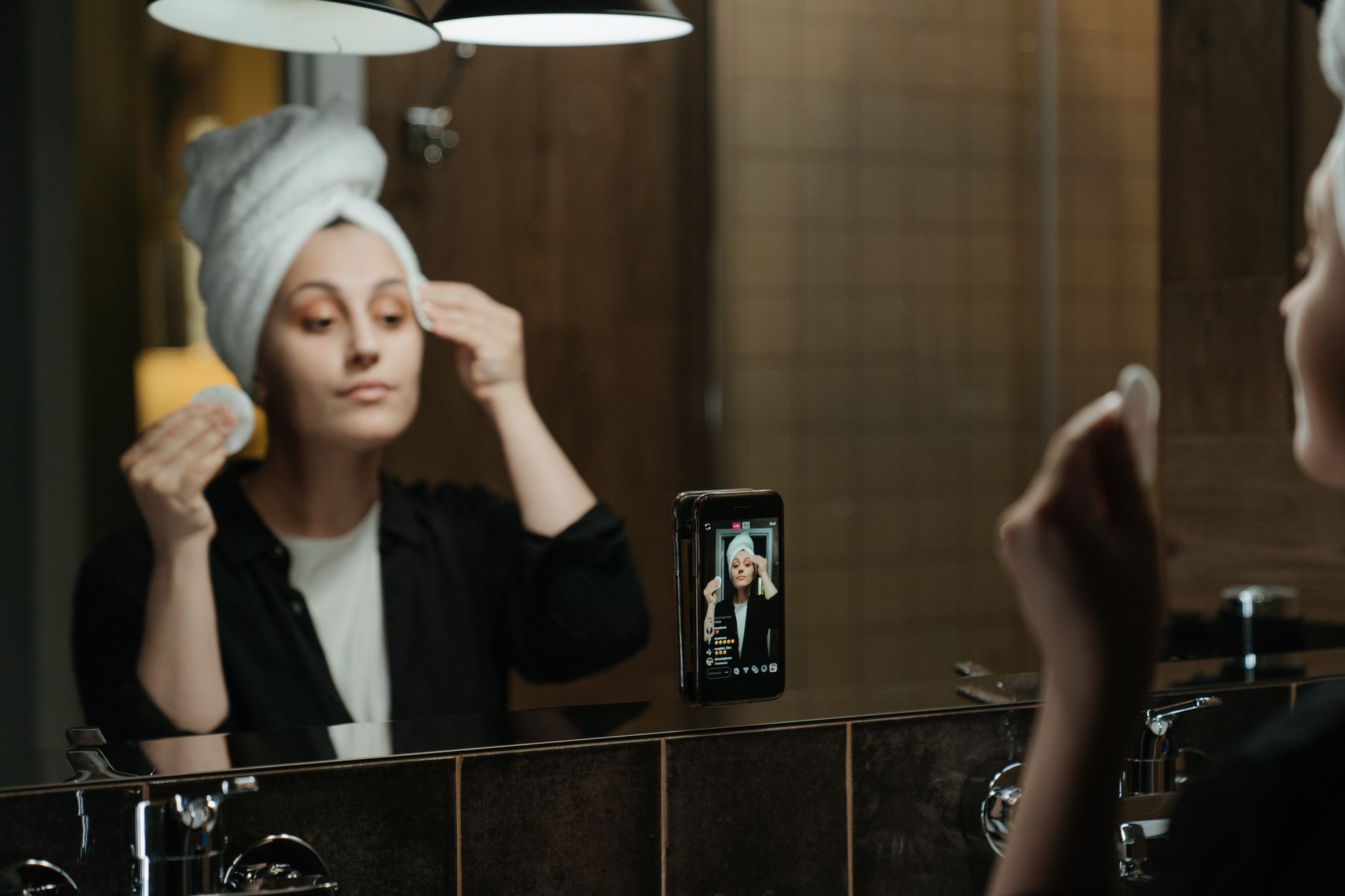
In beauty, the jump from filter to flesh was never going to be very long. A face-tuning app was never just there to flatter a selfie. It rehearsed a version of you that felt cleaner, calmer, more finished than the one in the bathroom mirror. Once that rehearsal becomes conversational, once a chatbot can suggest the nose, cheek or chin that would “balance” the whole composition, the fantasy starts to look less like play and more like a plan.
But the same image reads differently depending on who is in the room. To surgeons, it is an expectation-management problem. To beauty critics, it is the old symmetry script with better software. For the people living inside the loop, it can feel like your edited face got to become convincing before you did. That is the part I cannot stop thinking about. AI is not inventing a new beauty ideal from scratch. It is taking the one we already half-served to filters, clinics and wedding glow-up culture, then returning it with the confidence turned up.
The fantasy arrives fully rendered
Most cosmetic consultations used to begin with a complaint or a wish: this line, that eyelid, maybe a softer jaw. Now the fantasy can arrive fully rendered, and that changes the emotional temperature of the room. When the desired result already exists as a polished image, the surgeon is no longer discussing a possibility. Here, the surgeon is disappointing a picture.

Surgeons interviewed in the Guardian’s primary report described patients asking for smaller noses, smoother skin, sharper jawlines and eyes set into a more symmetrical arrangement, sometimes as part of a package estimated at about £25,000. That last figure matters because it answers one of the obvious questions hanging over this trend: what makes an AI request impossible versus merely expensive? Often it is both. A body can absorb some intervention. Bodies cannot absorb the frictionless logic of a generated portrait, where skin has no memory and bone seems happy to reorganise itself for the sake of a better angle.
That gap between pixels and anatomy is where the insider perspective becomes unexpectedly human. Surgeons are not just selling procedures here. They are translating fantasy back into tissue, blood supply, healing time and risk. In Business Insider’s reporting, one US surgeon said 72% of facial plastic surgeons were already seeing patients who wanted procedures that would make them look better in selfies. Still, that statistic is old selfie culture with a fresh coat of paint. The consult room is where reality has to walk in and clear its throat.
As Business Insider reported, Dr Steven Williams put the problem more neatly than most trend pieces do:
“Pixels are easier than surgery.”
— Dr Steven Williams, Business Insider
Maybe that is the cleanest line in the whole story. It is also the partial answer to the insider question about which requests are impossible. The impossible request is not just “make me look like this image”. It is “make me look like this image without the compromises of having a body”. AI has inherited the old filter trick of pretending change can be exact, reversible and consequence-free. Surgery cannot. Even when it goes well, it still has to answer to healing, money, pain and time.
The beauty market, meanwhile, has been training consumers for a more extreme version of this ask. In a Guardian analysis of the facelift boom, the deeper issue was described as aesthetic inflation: once one intervention settles into normal, the next begins to look reasonable. Another Guardian piece on bridal glow-up pressure found 80% of couples felt pressure to change their appearance before a wedding day, with spending averaging about $1,100. That is the user-affected perspective in plain terms. By then, people have learned that special occasions, milestones and public images require management. AI does not create that pressure. Instead, it speeds it up.
A prettier face, a narrower world
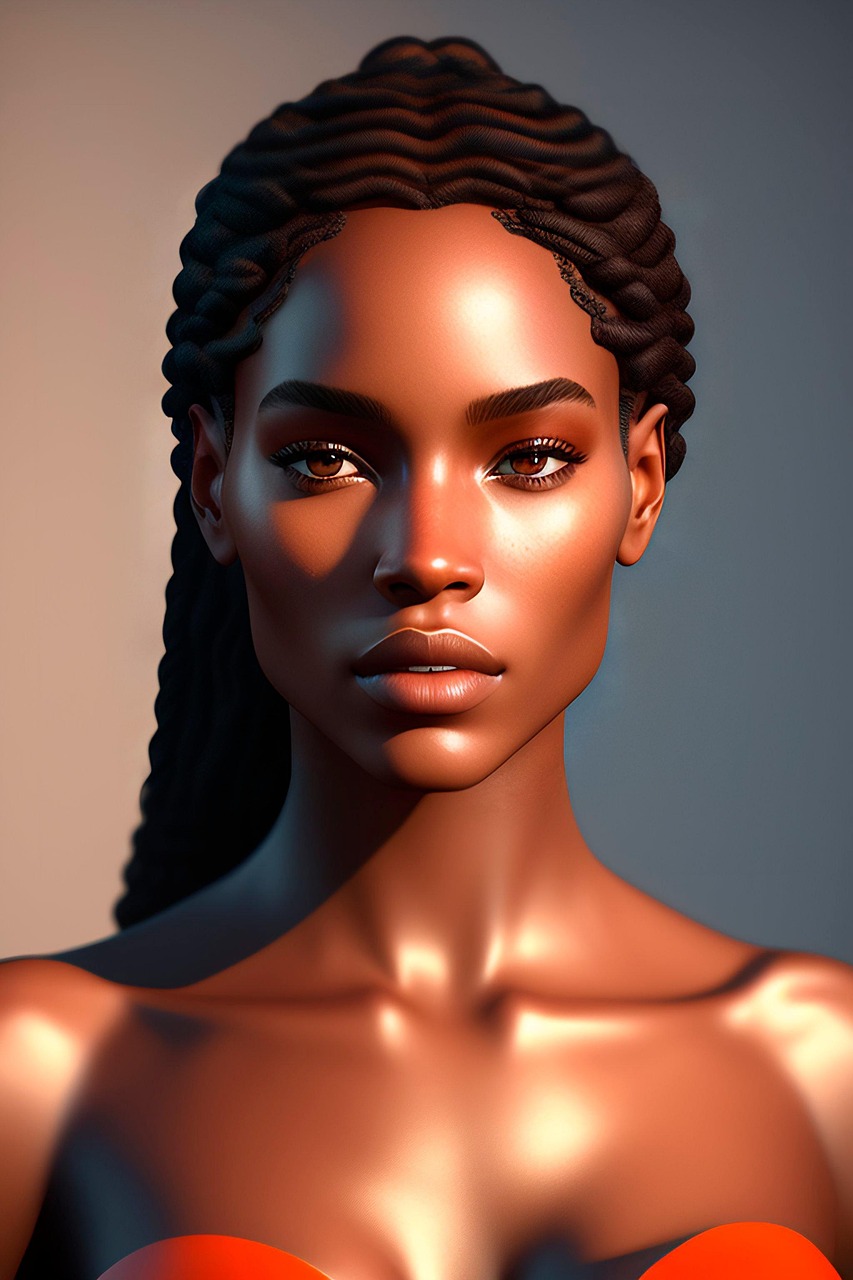
Elsewhere in beauty culture, the sceptic’s question is less “is this new?” than “why does the machine keep choosing the same face?” That matters because the so-called AI ideal is never just prettier. It is narrower. More symmetrical. More racially flattened. Less obviously tired, lived-in or specific. The machine does not only sand down texture. It sands down difference.
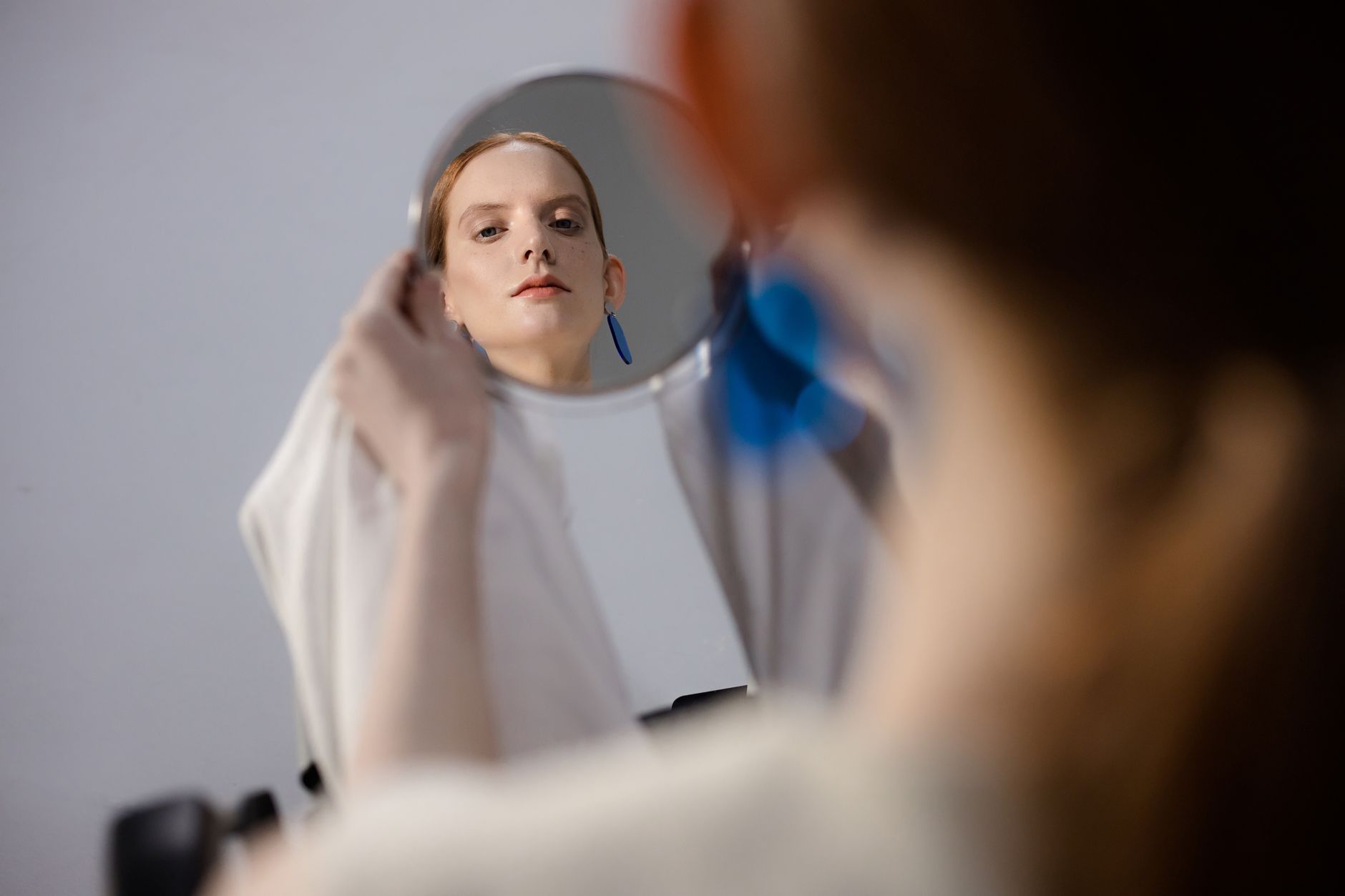
Refinery29’s analysis of AI beauty standards is valuable here because it names what a lot of cleaner, “futurist” commentary ducks: generated beauty still tends to reward Western, hyper-symmetrical features while presenting that preference as neutral optimisation. That helps answer the sceptic’s other question, which is why so many generated faces collapse toward one look. Nothing about that collapse is random. They are collapsing toward the biases beauty culture already taught the software to treat as aspirational.
Refinery29 quoted Humeara Mohamed, who put the racial cost more plainly than an algorithm ever will:
“As a person who has spent a lot of their life wishing they were white, this erasure of POC features in AI is deeply concerning.”
— Humeara Mohamed, Refinery29
What I find unsettling is how easily that critique sits beside the softer, more familiar beauty rituals many of us barely notice anymore. Skin smoothing. Eye brightening. Jaw sharpening. The little edits that once belonged to a late-night mirror selfie are now being folded into mainstream consumer tools. Engadget reported this month that Google is rolling out a new AI-powered image editor, while 9to5Mac reported that broader AI editing features are expected in Apple’s next Photos overhaul. If the generation tools keep moving closer to the default camera roll, of course the consultation room changes too. Soon enough, the fantasy no longer requires special effort. It lives where your regular photos live.
One recent Guardian video experiment on spotting fake portraits landed with me for that reason. People are getting worse at identifying the synthetic face, just as the beauty market gets better at selling the softened one. That does something quiet to self-perception. It blurs the line between “I want to look better in pictures” and “I want my face to resemble the pictures beauty culture now treats as ordinary”. The user-affected question from the fact bundle, what happens when your reflection feels less convincing than the edited version, is not abstract at all. It is the daily psychology of the phone camera.
Dr Nora Nugent, president of the British Association of Aesthetic Plastic Surgeons, suspects the demand will keep climbing, and her warning is less technophobic than weary. In the Guardian report, she said:
“I can only predict an increase, given the rate AI has been incorporated into every aspect of life.”
— Dr Nora Nugent, The Guardian
I do not read that as a prophecy of mass surgery. I read it as a description of the broader beauty economy. Once a tool becomes ambient, its standards do too. The chatbot beauty standard was always going to end up here, not because everyone wants surgery, and not because surgery is uniquely corrupting, but because beauty culture has always moved by making the edited version of a face seem more truthful than the actual one.
That is why the most useful response is not a grand panic about AI, nor a neat lecture about self-esteem. It is a little more stubborn than that. Treat the generated face as what it is: a sales image with better manners. Let surgeons keep doing the unglamorous work of saying no to fantasies bodies cannot honour. And be wary of any beauty system, machine-made or otherwise, that offers perfection by first asking you to become less particular, less ethnic, less lined, less yourself.
Melbourne beauty editor and ingredient nerd. Five years on the brand side before turning to writing about what's actually in the bottle.
The Lifestyle Desires brief
Style, food, travel and wellbeing — weekly in your inbox.
Subscribe