Australian beauty is done buying the dream
Australian beauty shoppers are buying for proof, price and trust, not old-school glamour, as routines get tighter and claims face harder scrutiny.
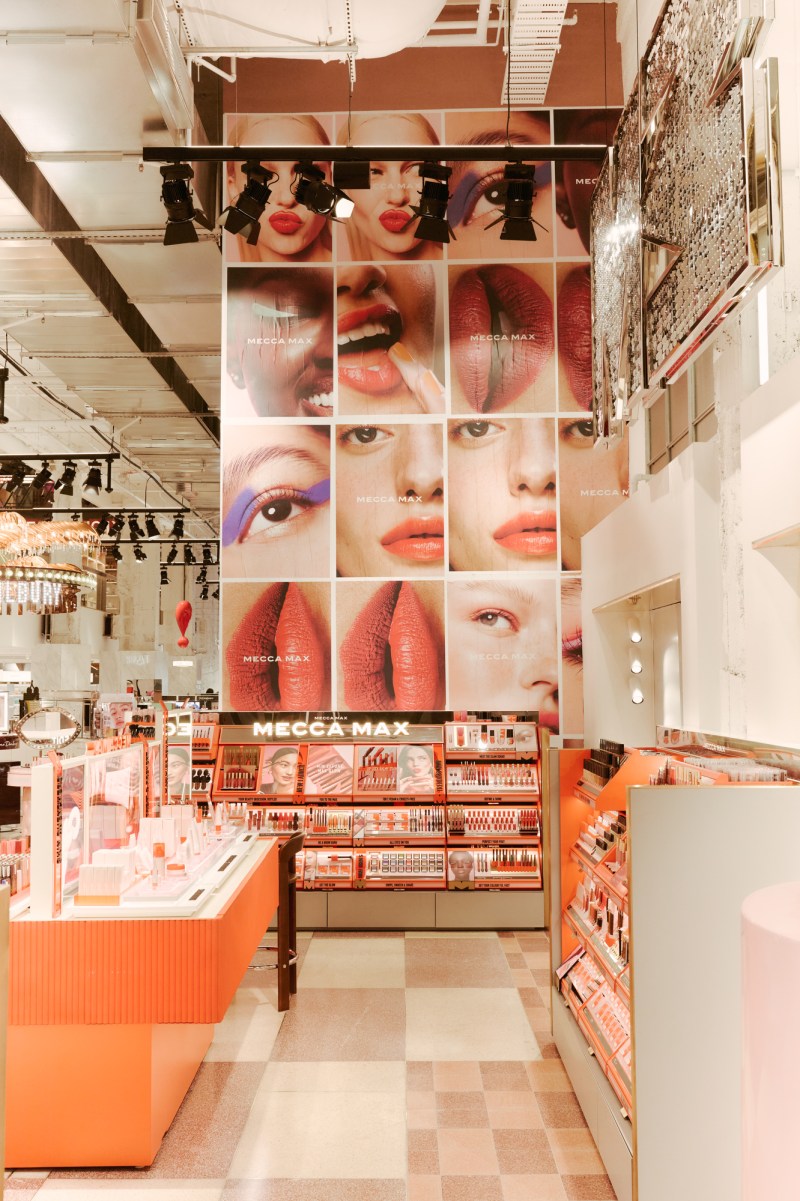
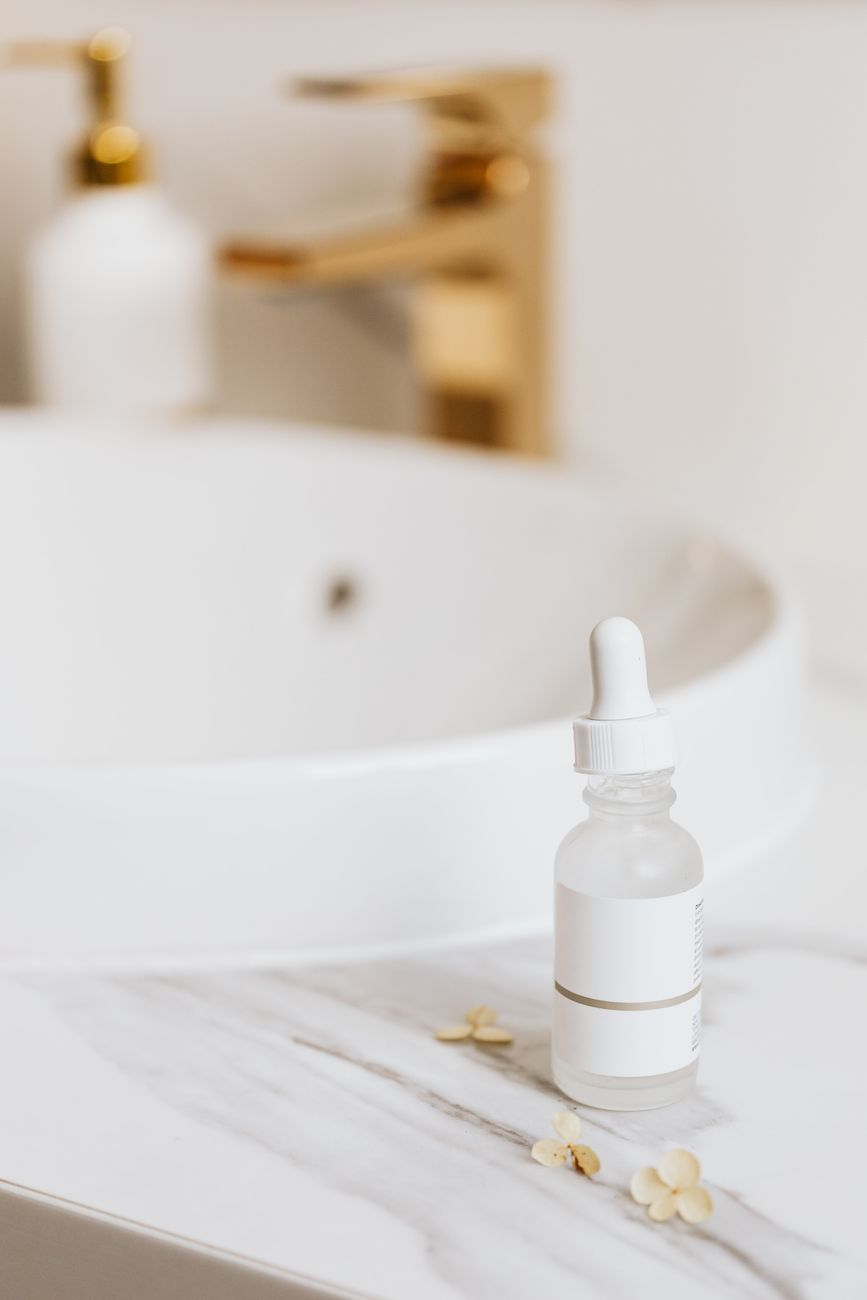
The last time I ducked into Priceline for one thing, I ended up parked in front of a wall of serums doing the sort of beauty arithmetic that would have bored me five years ago. Not, will this make me luminous, exactly. More: will I finish it, will it irritate my skin, will it sit beside the cleanser I already trust, and will I feel a bit foolish if it turns out to be ordinary by Tuesday. Hesitant, practical, a touch ungenerous, that mood tells you a lot about how Australian beauty shopping works now.
Beauty spending has not disappeared. Fantasy has just lost its monopoly. A fresh Retail World readout on how Aussies are shopping beauty lands on the same conclusion that Euromonitor’s analysis of value in the local beauty market, Datarubico’s 2025 survey on beauty beliefs and buying habits and Power Retail’s report on bargain-hunting beauty customers keep circling from different angles: shoppers want proof, price discipline and some sense that a product has earned its square of bathroom shelf.
Maybe that sounds cold. Still, the sceptic’s read is worth keeping close. Ingredient language can be theatre. Clinical-sounding copy can be copy. A Conversation piece on manicure infection risks is not about moisturiser, yet it carries the same useful warning: beauty language borrows the look of care, hygiene and expertise because those signals calm us. The proof economy is real. So is the chance that brands are learning to dress themselves for it.
Buyer’s remorse feels less tolerable now. Once, the beauty sell asked you to fall a little bit in love. Now it asks you to be sensible. Forty-one per cent of Australian consumers say value for money is the top skincare feature, according to Euromonitor. Datarubico puts affordability at the centre for 71 per cent of surveyed Australian women, with brand trust sitting at 51 per cent among frequent buyers. Those are not glamorous numbers. They are routine numbers. Repurchase numbers.
The shelf has become a risk calculation
Look closely and the aisle starts to resemble a low-regret economy. Shoppers are still curious, still susceptible to a lovely bottle or a nostalgic relaunch, but they want some insurance before they commit. Price is one part of that. Reviews, ingredients, testers, retailer credibility and the small comfort of buying something your skin, hair or make-up bag already understands matter just as much.

Inside Retail World’s market snapshot, Bethan Hockey from The Growth Distillery put it plainly.
“To cut through in today’s beauty market, brands need to understand the mindset their customer is in.”
— Bethan Hockey, Retail World
Whole beauty brands were built on the opposite assumption: that desire would do the heavy lifting. Not evidence, not compatibility, not even habit. Desire. Think the shimmering campaign image, the cool founder, the aspirational vanity shot. Sure, it still works a bit. I am not pretending the industry has gone monkish. Now, though, the glamour pitch lands in a market with more friction in it.
Meanwhile, lower-price players have been normalised rather than treated like consolation prizes. Value no longer means simply buying the cheapest thing on the shelf, as Euromonitor’s read on the dupe economy makes clear. Instead, it means buying the thing least likely to disappoint you. Maybe that is why a familiar QV cleanser, a well-formulated The Ordinary serum, or a widely discussed MCoBeauty substitute can feel steadier than a prestige launch that asks for faith first and results later.
Quoted in Power Retail’s reporting, Jennifer Hopper from On Trend Beauty reduced the whole shift to two words.
“Trust is the key piece.”
— Jennifer Hopper, Power Retail
Here, trust is not airy branding language. It is infrastructure. That shows up in stock authenticity, in a retailer’s returns policy, in whether a product seems built for repurchase rather than a one-night fling, and in whether the claim on the front of pack is plain enough that you do not need a second browser tab open to decode it. That helps explain why Oz Hair & Beauty’s regional expansion feels well-timed. Those stores are not just selling product. They are selling reduced uncertainty.
Most shoppers, though, are not treating beauty as a hobby. They are slotting products into a working routine, usually under mild financial pressure, often with a running memory of the last three things that did not work. In that context, the holy grail is not glamour. Mascara that lasts past 3pm. Serum that layers without pilling. A nice-looking jar that does not become dead weight under the sink. Small stakes, except they do not feel small when the spend is yours.
A fragment, because it deserves one. Fewer maybes.
The old beauty fantasy still sells, just not by itself
Lately the industry has noticed. That is why so much beauty messaging sounds half laboratory, half lifestyle. Even launches built on emotion or nostalgia are being met with a different kind of gaze, less starry, more forensic.
Take the Australian return of Marc Jacobs Beauty, reported by ELLE Australia. A relaunch like that once might have run mostly on memory and status. Now it lands in a market trained to ask harder questions: what has changed, what performs, who stocks it, what is the price-per-wear, and will the formulas justify the reunion. Nostalgia still opens the door. It does not close the sale.
Elsewhere, you can feel the same energy in more accessibly priced launches. Pedestrian’s test of No7’s under-$30 Good Intent range and its separate question about whether under-eye patches actually work feel useful for the same reason. They are not merely admiring the product category. They are interrogating it. Beauty coverage used to ask what is new. Now the better stuff asks whether the thing deserves you.
Big brands are adapting by leaning into science-coded language, wellness adjacency and performance claims. In WWD’s reporting on Unilever’s beauty and wellness push, Herrish Patel made the industry’s ambition plain.
“The convergence of beauty, health and personal care will be the fastest-growing segment for the next 10 years.”
— Herrish Patel, WWD
Still, the sceptic has work to do here. “Clinical” is not the same as clinically proven. “Ingredient-led” is not the same as intelligently formulated. Beauty has always been brilliant at borrowing authority from neighbouring worlds, medicine, wellness, even therapy, and right now that authority is commercially useful because shoppers are rewarding brands that sound like they can justify themselves. The risk is that proof becomes a costume.
Elsewhere, the global version shows up in price strategy too. In the US, e.l.f. Beauty has been cutting or walking back price rises to court cost-conscious shoppers, a reminder that this is not an Australian quirk so much as a broader consumer correction. People do not want to be treated as though they will absorb any price point so long as the campaign photography is nice. The old prestige reflex has weakened.
Aspiration is not dead. Beauty is still emotional. If I were telling a friend how Australians are buying beauty now, I would put it like this: we still want to be seduced, just not conned. We will buy the beautiful thing, but only if it can survive the group chat, the ingredient list, the review scroll and the next rent payment.
Maybe that is why the smartest brands, and the smartest retailers, are not really selling dreams any more. Reassurance is the product: something that fits the routine, a claim that sounds plain enough to trust, a price that does not produce a hangover. For an industry built on desire, that is a fairly radical change. Maybe a healthy one, too. By now the bathroom shelf is a stricter editor than any campaign launch party ever was.

Melbourne beauty editor and ingredient nerd. Five years on the brand side before turning to writing about what's actually in the bottle.
The Lifestyle Desires brief
Style, food, travel and wellbeing — weekly in your inbox.
Subscribe