When a normal B12 result stops feeling simple
Vitamin B12 levels can look normal on paper even as newer research raises harder questions about ageing brains, active B12 and when to test further.
The odd thing about a normal blood test is how quickly it becomes emotional. You open the portal, half in relief and half in dread, and there it is in tidy black type: inside range. Kettle on, shoulders down, life resumes. For a lot of older people, that is the whole story. Or it feels like it should be.
A new paper in Annals of Neurology suggests the tidy number may not be the whole brain story at all. In 231 healthy older adults, median age 71.2, researchers found that people with lower levels of active vitamin B12, even while still sitting inside the conventional normal range, showed slower processing, delayed visual responses and more white matter injury. Less a wellness headline than a clinical irritation, the conclusion is uncomfortable. It does not say everyone is deficient. It says normal may be doing too much emotional work.
That, I think, is why the paper lands so hard. We have built an entire supplement culture around reassurance, either from the bottle or from the lab sheet. What the UCSF team is really challenging is the idea that one total B12 number can stand in for a nervous system that is ageing in real time.
The number and the nervous system
Worth lingering on here is not the cohort’s median total B12 alone, 414.8 pmol/L. More important is what the study looked past: the neat total and toward active B12, also called holo-transcobalamin, the portion your body can actually use. Fiddly? Maybe. Medicine is often like that. A measure can sit inside the accepted range and still miss the part of the story that matters. Blood pressure does it. Iron does it. B12, this paper argues, may belong in the same irritatingly human category.

Which is why the NICE guidance on vitamin B12 deficiency matters here. It does not treat the total number as holy writ. In uncertain cases, clinicians already get pointed toward active B12 or methylmalonic acid, the more functional markers that can tell you whether a person is merely in range or actually replete. The new paper does not invent that problem from scratch. It brings the neurological stakes into sharper focus, especially for older adults whose first complaint may not be dramatic fatigue, but a slower morning, fuzzier processing or the vague sense that the circuitry is not quite as brisk as it was.
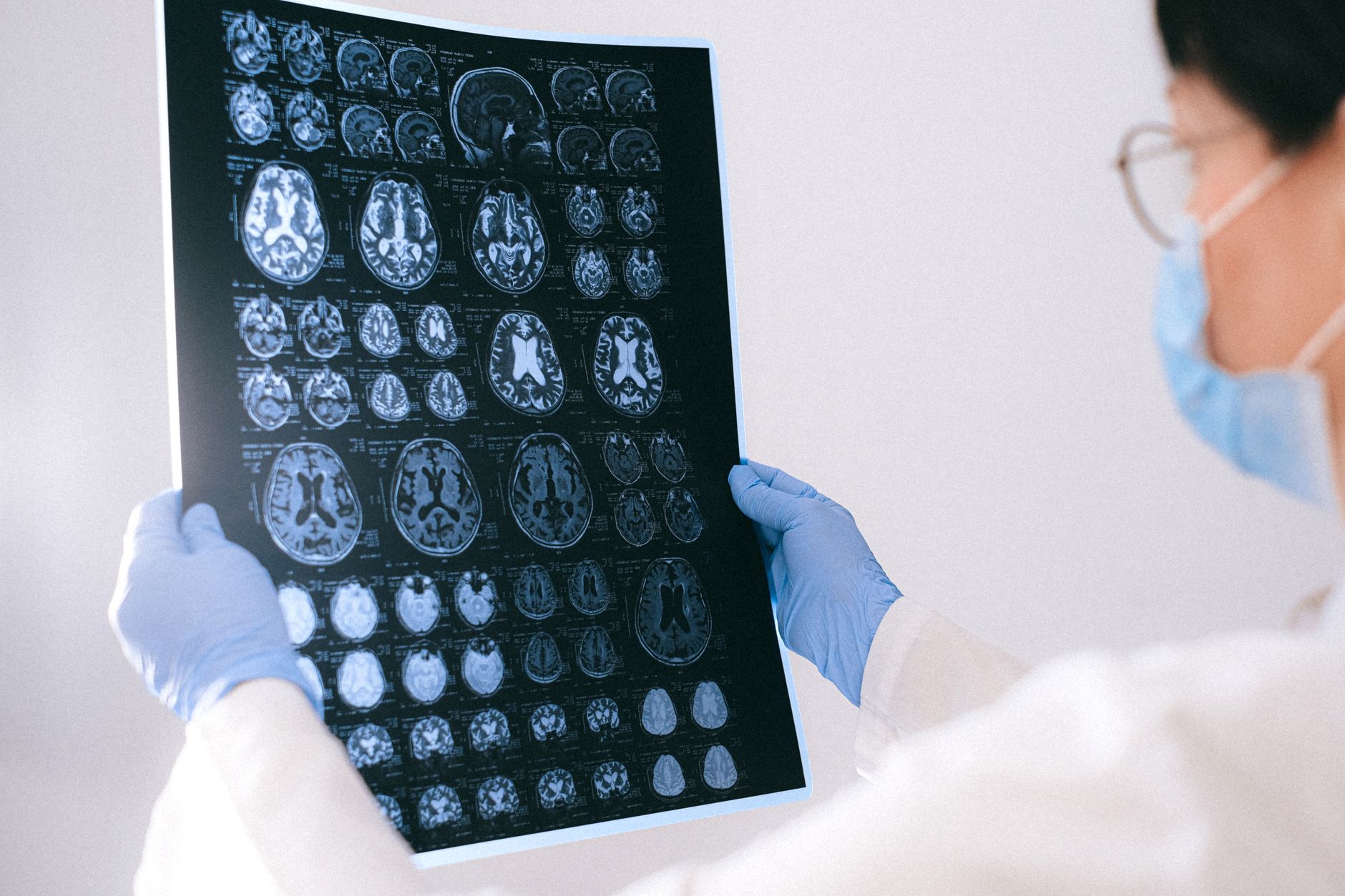
Behind the abstract phrase white matter injury is a wiring problem. White matter helps different parts of the brain communicate cleanly. So when the study finds more lesions among people at the lower end of active B12, despite normal total levels, it is pointing to structure as well as mood or self-report. That is why this does not read like ordinary supplement chatter. It is trying to connect a blood marker to how the brain is holding together.
As senior author Ari J. Green put it in the study write-up, the field may need to stop treating deficiency as a cliff edge.
“Revisiting the definition of B12 deficiency to incorporate functional biomarkers could lead to earlier intervention and prevention of cognitive decline.”
Ari J. Green, ScienceDaily
To me, that quote reads less like panic than frustration with the seductively simple threshold. We like thresholds because they let us outsource judgement. A report says normal, so we stop asking questions. But the brain is not a spreadsheet cell, and ageing rarely respects the comfort of a single cut-off.
Research like this also rides a wider mood. A recent Conversation analysis on blood biomarkers and Alzheimer’s risk captured why these stories travel so fast: they promise earlier, less invasive clues about a future people are frightened of. That does not make the promise false. It does mean readers are primed to hear any biomarker story as a chance to get ahead of decline, and sometimes to shop their way out of uncertainty.
What the bottle can’t promise
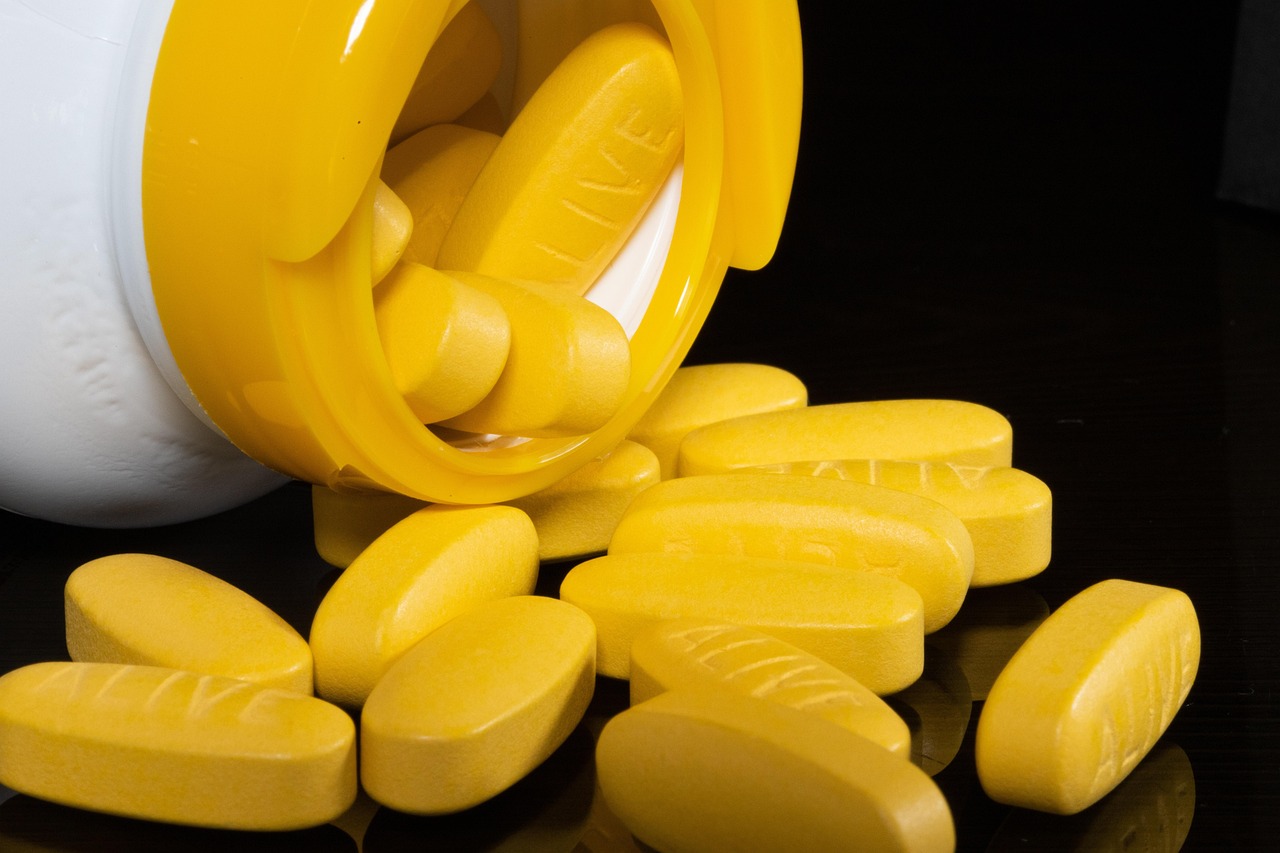
Here the supplement aisle version loses me a bit. A complicated paper about thresholds can turn, in a matter of hours, into an implied sales pitch for capsules. The evidence in the bundle we have is much more restrained than that. A systematic review in the British Journal of Nutrition found the observational signal intriguing but not clean enough to prove that topping up B12 will reliably protect cognition. A randomised trial in the American Journal of Clinical Nutrition was even blunter: supplementation improved biochemical deficiency, but not cognitive or neurological outcomes in older people without clear deficiency over the study period.

None of that makes the new study meaningless. It changes the takeaway. The useful question is not should everyone over 70 start taking B12 tomorrow. It is whether total B12 alone is a reassuring enough test when the concern is brain function, and whether symptoms should pull more weight even when the pathology portal sounds calm.
Older patients already know the timing problem. By the time concentration feels slower or memory feels less crisp, most people are desperate for a clean fix. Nutrition research is rarely that obliging. Deficiency can be real, treatment can be worthwhile, and cognition can still refuse to behave like a before-and-after advertisement. That tension is exactly why one new study should sharpen a conversation, not end it.
Co-first author Alexandra Beaudry-Richard was willing to say that plainly in the study release:
“In addition to redefining B12 deficiency, clinicians should consider supplementation in older patients with neurological symptoms even if their levels are within normal limits.”
Alexandra Beaudry-Richard, ScienceDaily
“Clinicians should consider” is the important phrase there. A long way from everyone should supplement. A case for context, not self-prescribing. It is also a reminder that deficiency medicine and wellness culture are not the same thing, even when they borrow each other’s language. One is trying to decide what a nervous system needs. The other sells confidence, preferably in a bottle with a matte label.
Australian readers will recognise the emotional texture of this story even if the guideline language comes from overseas. Many of us encounter B12 not through a neurology journal but through a GP visit, a pathology app and a drawer already crowded with things we were told might help. Magnesium for sleep. Vitamin D for winter. Fish oil because maybe. B12 slips easily into that same domestic rhythm, which is precisely why it matters to say this carefully: the new paper complicates reassurance, but it does not prove a miracle.
So the practical question, if this paper leaves you itchy rather than convinced, is not which influencer now prefers methylcobalamin. It is whether the test matched the concern. Was this a total B12 result only? Were symptoms taken seriously? Was there a reason to look at active B12 or methylmalonic acid rather than admire a number and move on? Slower questions. Less glamorous ones. Also the questions that belong in an actual consultation.
Maybe the study’s real value is nudging a better follow-up question. Not Am I normal, full stop, but What exactly was measured, what do my symptoms suggest, and is this one of those cases where the range on the page is tidier than the body it belongs to? That is a less marketable message than buy the supplement and relax. It is also, I suspect, the more honest one.

Brisbane-based GP turned health writer. Covers women's health, fertility and the gap between clinic and culture.
The Lifestyle Desires brief
Style, food, travel and wellbeing — weekly in your inbox.
Subscribe