The beauty mega-merger that just fell apart
Puig and Estée Lauder merger talks ended before a $40 billion tie-up, exposing how brand control still beats size in luxury beauty.
I have been in enough beauty meetings to know the room shifts when someone starts talking overlap. Metallic clink, every time. Suddenly it is all reach, efficiency and unlocked value, though what people usually mean is simpler: can very different brands be made to behave like a neat family without sanding off the reasons people loved them in the first place?
That was my first thought after reading that Puig and The Estée Lauder Companies had walked away from merger talks, and that the official company statements were all gratitude, discipline and no gossip. The proposed tie-up would have created a beauty giant valued at about $40 billion. On paper, you can build a persuasive case for that sort of scale. On a beauty floor, scale is never the whole story.
Practically, the market read it another way. In the Reuters Breakingviews assessment, the analyst case was that Estée Lauder may have spared itself a long, messy integration project just when it is trying to prove it can still repair its own house. Relief made sense if the alternative was judging a turnaround buried inside a mega-deal.
In Vogue Business’s reporting on the collapse, Estée Lauder chief executive Stéphane de La Faverie kept the tone diplomatic.
We are grateful for the conversations we have had with Puig.
— Stéphane de La Faverie, Vogue Business
Puig, in its own statement on the talks, sounded just as composed.
Puig has a strong track record of growth and outperforming the premium beauty market.
— Jose Manuel Albesa, Business Wire / Yahoo Finance
Strip away the corporate phrasing and this looks like a very large transaction that simply failed to get over the line. I don’t think that is quite right. More than a spreadsheet fell apart here. The real test was whether beauty’s current obsession with scale could sit beside its older obsession with identity. An insider would say no one wanted to jeopardise control, brand autonomy or founder magic. Analysts would say no one wanted the distraction. My sharper, more sceptical version is that luxury beauty keeps flirting with conglomerate logic while knowing, somewhere deep down, that sameness is bad for business.
Scale is not the same as fit
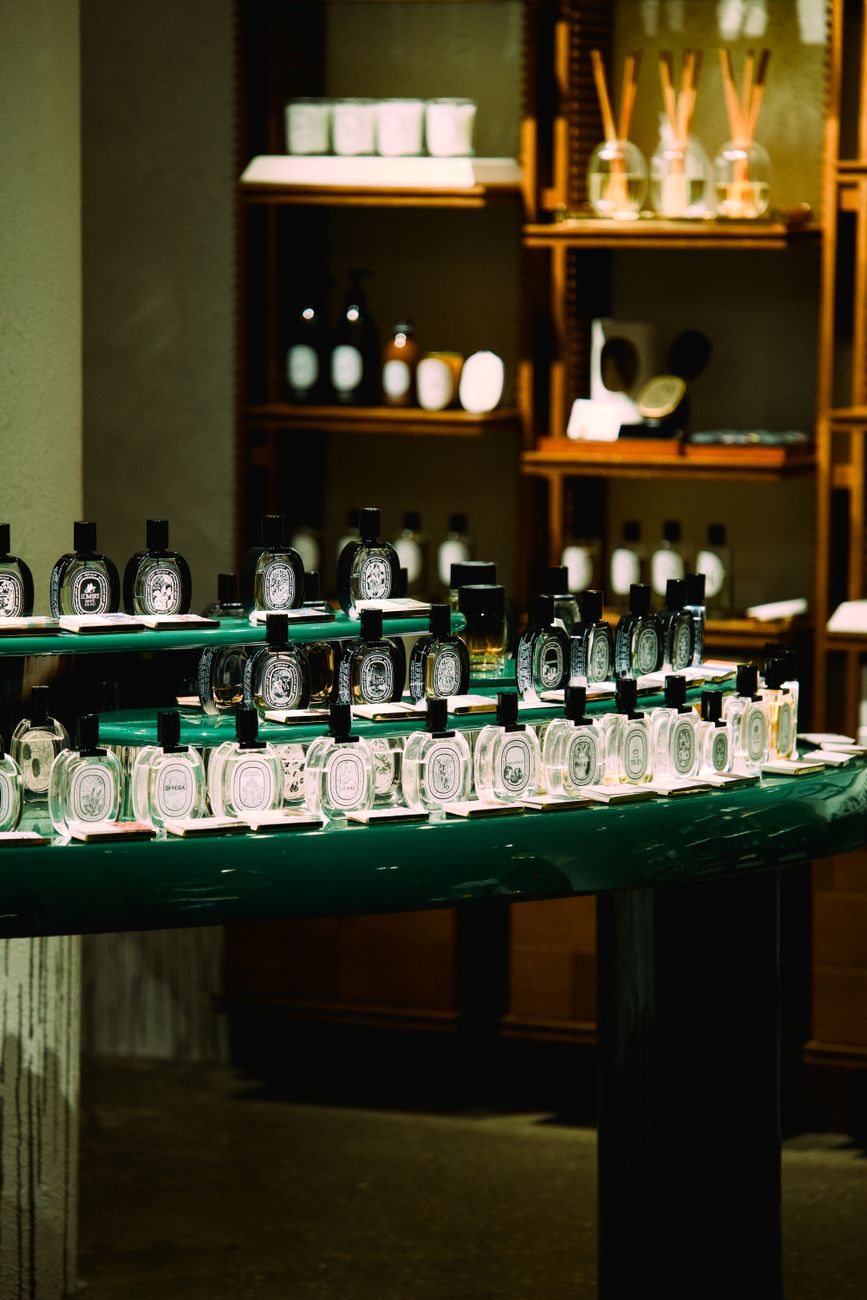
Beauty is unusual because consumers buy products, yes, but they also buy atmosphere. A bottle also sells the sentence it whispers about the person standing at the mirror. Integration, then, is harder than investor decks like to admit. Warehouses can be folded together. Suppliers can be rationalised. Persuading devotees of Charlotte Tilbury, Byredo or La Mer that their chosen worlds now belong under one even bigger umbrella, yet remain exactly as distinct, is much harder.
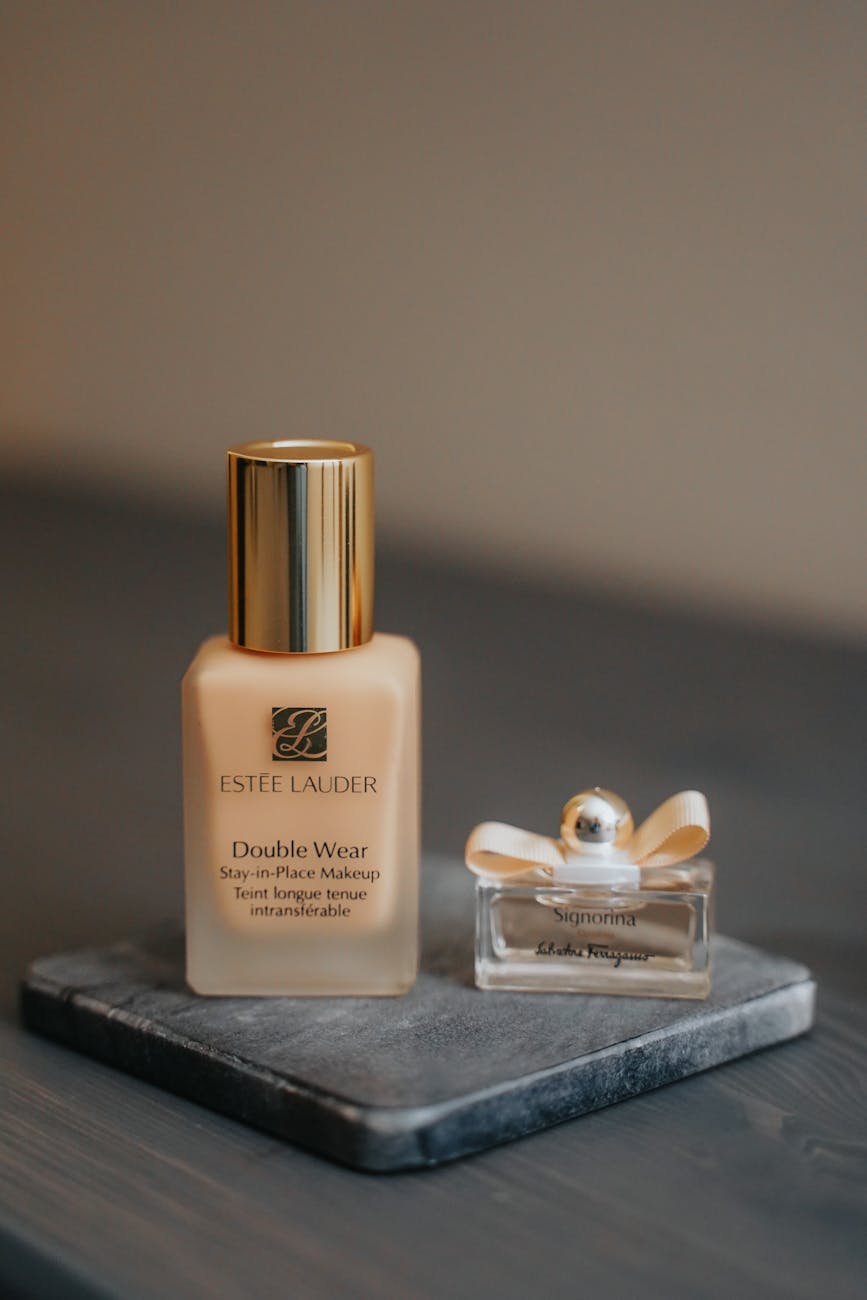
This is why the insider perspective matters. WWD’s reporting on the end of talks pointed to Charlotte Tilbury’s contractual leverage and to the awkwardness of combining family control with a very different public-company culture. Those details sound niche until you remember that beauty groups are not buying steel mills. They are buying sensibilities, founders, licensing webs, creative teams and customers who notice tiny shifts in tone. A brand can survive a new owner. It does not always survive being made to sound like the portfolio around it.
Plenty of outsiders miss this part. A conglomerate’s real job is not to make brands identical. At best, it keeps them legible to themselves while taking just enough cost and distribution benefit from the centre. That balance is hard when one company comes in with a fragrance-heavy, founder-preserving rhythm and the other is trying to get a sprawling turnaround back on script. Harder still when the industry has spent the past decade telling itself that bigger is automatically smarter.
Less flattering is the sceptic view, and I think it deserves airtime. In Vogue’s recent analysis of brand management groups in luxury, managing director Neil Saunders put the problem plainly.
It jars with the natural playbook of luxury, which is more about control to introduce an element of scarcity and exclusivity.
— Neil Saunders, Vogue Business
Saunders gets at the question hanging over this deal. Can beauty get larger without flattening the mystery that makes prestige beauty worth prestige prices? Sometimes, yes, but usually only through narrower moves that protect the house style. So the better comparison for the next year is probably not one giant merger, but the more selective luxury plays around Marc Jacobs’s new owner or Roberto Cavalli’s acquisition by Marquee Brands. The appetite for deals has not gone away. The appetite for very broad marriages may have.
The market chose the shorter headache
Bluntly, Estée Lauder needs its recovery to work on its own merits. It reported about $14.3 billion in fiscal 2025 sales, against Puig’s roughly €5 billion, and those are large enough numbers to tempt anyone into empire-building. They are also large enough to make every integration misstep painfully expensive. If management attention is a finite resource, ending the talks starts to look less like failure and more like triage.
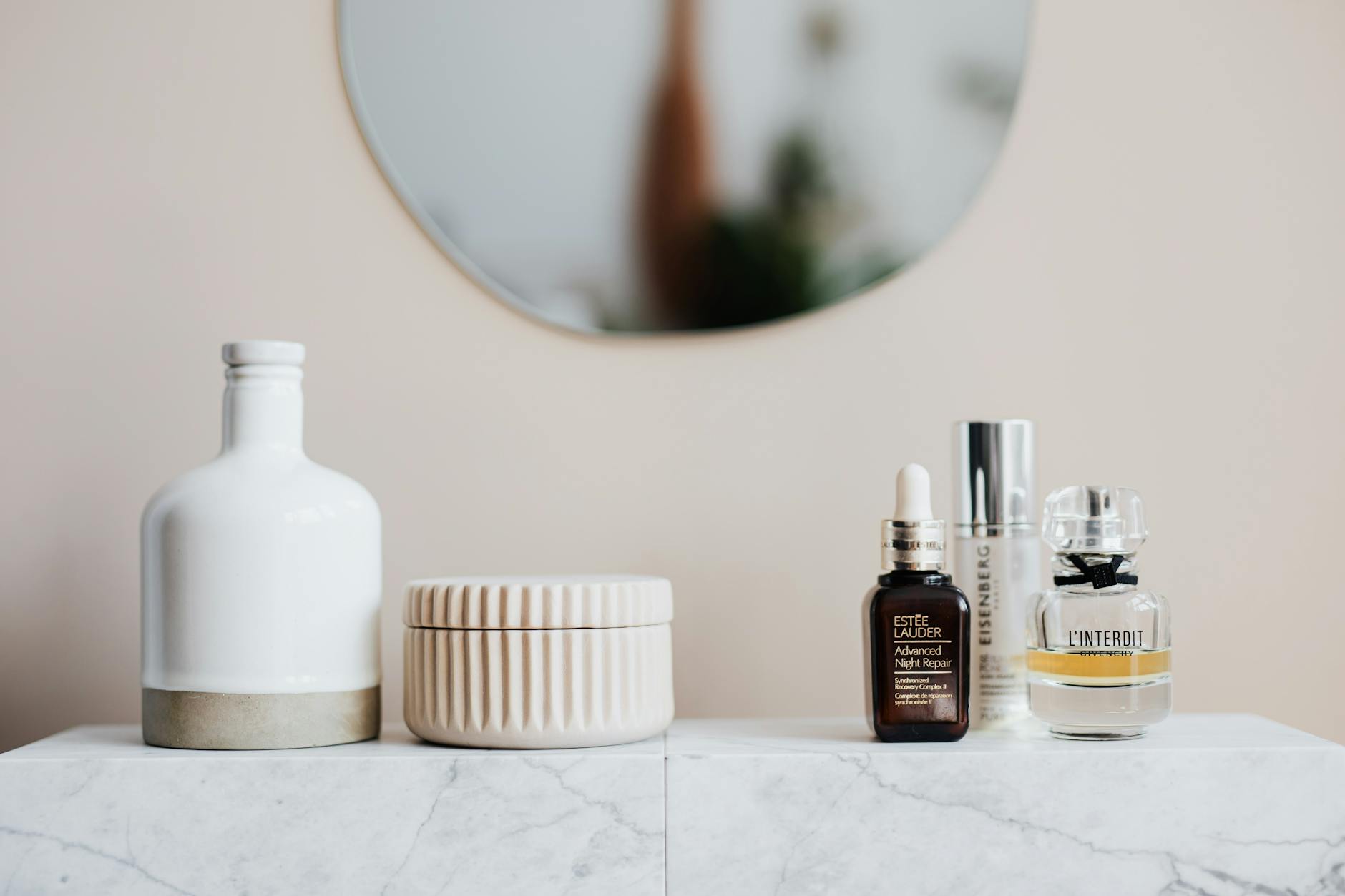
What I keep coming back to is that beauty investors are not paid to admire ambition. They are paid to decide whether a company is choosing the cleaner path to growth. On that score, the market’s relief makes sense. Estée Lauder is already trying to convince everyone that its existing turnaround has shape, discipline and timeframes. Adding Puig would have created a grand story, but it also would have handed management a second, louder problem to explain every quarter.
Buried inside that financial point is a cultural one. Beauty groups spent years buying indie cool, founder charisma and category heat, then promising Wall Street they could professionalise the magic without bruising it. Sometimes they can. Often the process leaves a faint corporate aftertaste. Customers may not know the org chart, but they can feel when a brand starts speaking in a house voice that is not its own.
Which is why I read this as an industry identity crisis rather than a simple failed negotiation. Luxury beauty still wants the benefits of scale: better distribution, stronger bargaining power, category breadth, geographic reach. Yet it also trades on intimacy, mythology and the sense that each brand has its own weather system. Those ideas can coexist, but only up to a point. Once the platform becomes the headline, the brand story starts to shrink.
Maybe that is the lesson for the next round of beauty dealmaking. The smarter money may go brand by brand, category by category, looking for assets that slot into a group without demanding a full philosophical merger. That approach is less cinematic, and probably less thrilling for anyone who loves a monster headline, but it fits where the sector is now. Beauty is still consolidating. It is just doing it with more suspicion about what scale costs.
I might be wrong. Beauty has a habit of making yesterday’s caution look timid. Still, this non-deal feels clarifying. Consumers do not shop conglomerates. They shop worlds. Puig and Estée Lauder just reminded the rest of the industry that owning more worlds is not the same thing as knowing how to keep them alive.

Melbourne beauty editor and ingredient nerd. Five years on the brand side before turning to writing about what's actually in the bottle.
The Lifestyle Desires brief
Style, food, travel and wellbeing — weekly in your inbox.
Subscribe