The lipstick drawer remembers Marc Jacobs Beauty
Marc Jacobs Beauty relaunch 2026 arrives first as memory, then as a seven-product prestige test, with Australia still waiting until September.
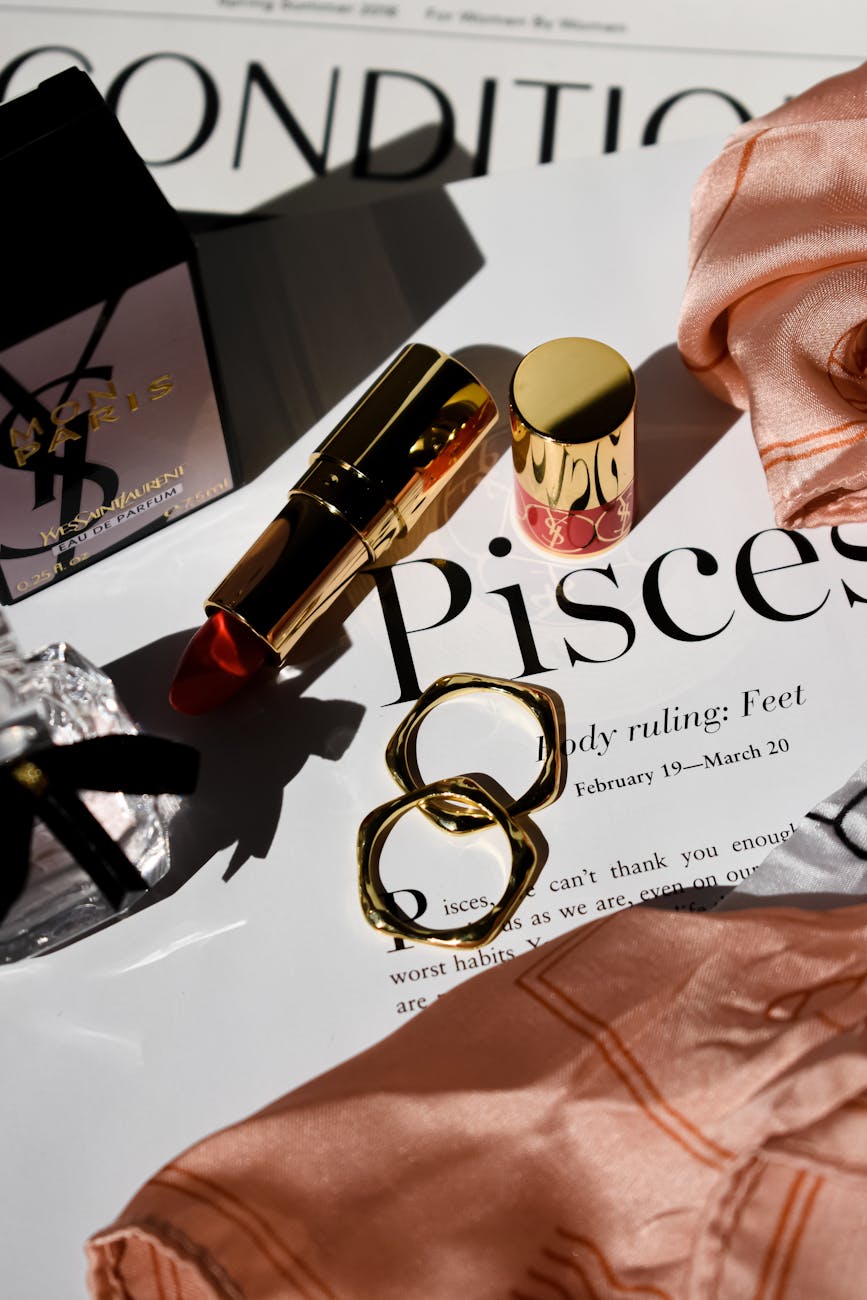
At the back of a drawer I barely open, there is still a half-used Marc Jacobs Beauty lipstick. The gold by the clasp has dulled. The cap still makes that tiny, expensive click. Inside is a shade that belongs to a very specific 2010s idea of getting dressed: not clean, not barely there, properly done. Call it nostalgia if you like. In beauty, nostalgia often turns out to be muscle memory with better packaging.
Which is why the 2026 return feels larger than a routine relaunch. Marc Jacobs Beauty arrived in 2013, disappeared in 2021, and is now coming back as a tighter prestige line that starts on MarcJacobs.com before moving to Sephora. Australia has to wait until 1 September, according to RUSSH’s reporting on the comeback and the launch announcement from Coty. You can tell the story as a happy reunion if you want. I do not think that is the whole story.
Somewhere around paragraph three of any beauty comeback story, somebody has to say the rude bit. Fans who loved the old line are asking whether they are being sold the feeling of it more than the substance of something new. Analysts are studying the same move and seeing a careful re-entry into a prestige market that is far noisier than it was five years ago. That tension is the interesting part. Marc Jacobs Beauty is not returning with a flood of SKUs or a sweeping promise of reinvention. It is returning with seven products, a lot of gold, and a wager that character still sells.
The drawer kept the myth
What survived from the first era was not habit so much as glamour residue. Nobody spoke about the line the way they speak about a reliable moisturiser they finish and replace. They remembered the lacquered black compacts, the heft of the packaging, the eyeliner that seemed built for a better version of a Thursday night. Instead of routine, the brand hung around as myth, which is usually how beauty labels make it through a long silence.
No wonder the relaunch drew attention so quickly. As Vogue noted in its recent analysis of the brand’s next chapter, the beauty line had already started drifting back into view through runway credits and celebrity looks before the formal relaunch was confirmed. First came the atmosphere. Then came the merchandise. Beauty does this all the time now, maybe too well.
Even so, atmosphere is the easy bit. Allure’s take on the relaunch matters because it is less sentimental. The question is not whether people remember Marc Jacobs Beauty fondly. They do. The harder question is what this version offers besides recognition. Skeptical fans are right to press there. Plenty of brands in 2026 know how to bottle an old mood and sell it back to you.
Seven products, on purpose
More than anything, the seven-product limit makes this comeback look calculated rather than sentimental. It is not a grand reopening. It is an edited rack. Coty and Marc Jacobs seem less interested in restocking an archive than in reintroducing a silhouette. In beauty, that usually signals seriousness.

Start online and the brand controls scarcity, keeps more margin and gets a clean look at demand before Sephora widens the net. Then there is Australia, waiting until September. For the company, that delay creates a sequence of local arrivals instead of one messy, overstocked splash. In Inside Retail Australia’s analysis of whether the brand can make a real comeback, that operational discipline looks like the real story, because prestige revivals usually wobble when companies mistake excitement for repeat purchase.
As for the mood, Coty has not hidden it. In the primary launch announcement, chief brands officer prestige Jean Holtzmann used language that sounds more like campaign copy than a lab note:
“This launch is a joyful, maximalist celebration of color and creativity.”
— Jean Holtzmann, PR Newswire
That is ad language, obviously, but it still tells you something. The brand has not come back to behave itself. Retailers are also being told the proposition is sharp enough to spot from across the room. Not everything has to please everyone. Sometimes the sales strategy is simply a strong silhouette and the nerve to leave it alone.
Colour after the clean decade
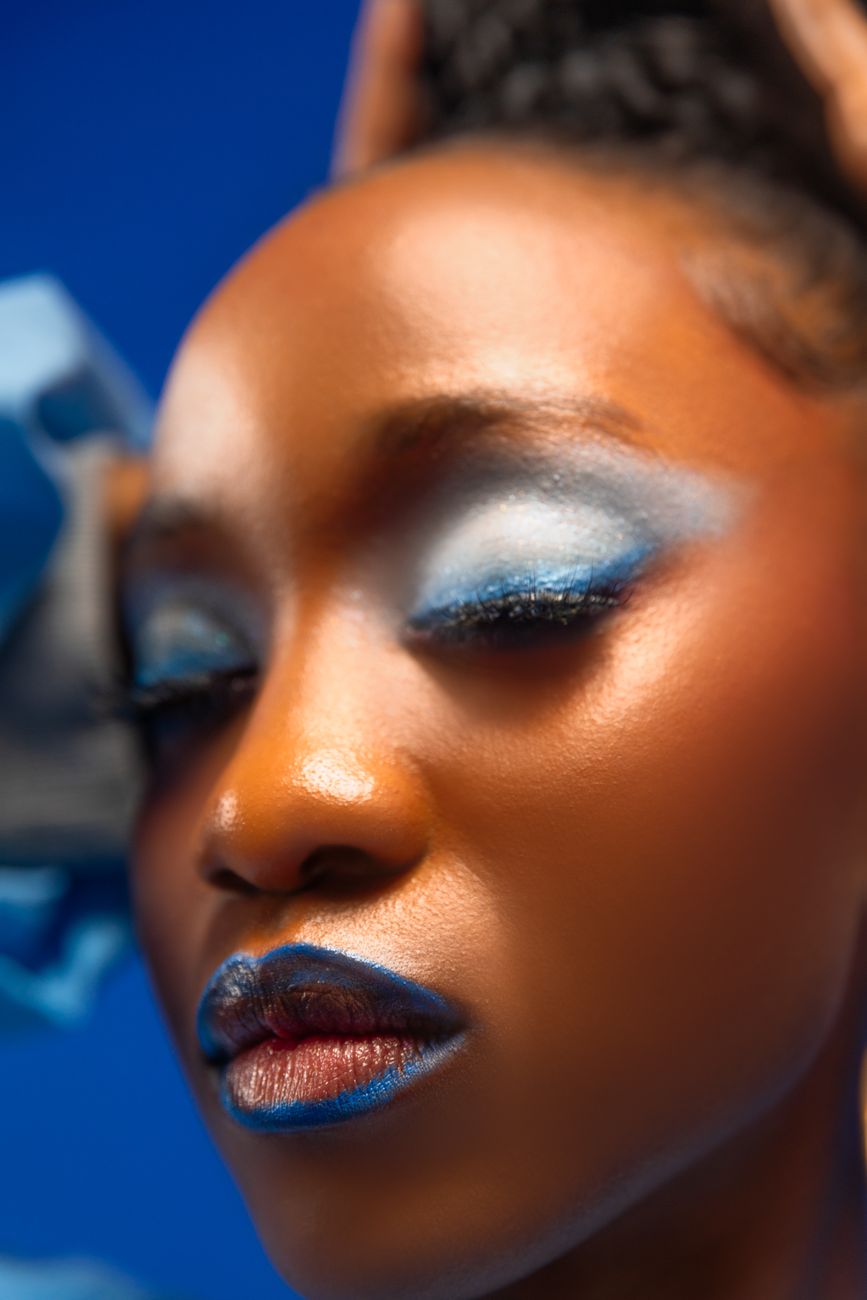
Timing matters here. Prestige beauty spent years selling restraint: blurred skin, softened edges, expensive neutrals, the sort of face that claims it took no effort while clearly taking quite a bit. Marc Jacobs Beauty comes back with very little patience for that register. The line leans into eyeliner, shadow, mascara, lacquer, and the pleasure of being seen trying.
Listen to Jacobs himself. In ELLE’s interview with Marc Jacobs about the relaunch, he described beauty in language that sounds much closer to fashion than to the correction-and-optimisation habits of modern skincare:
“Beauty, like fashion, has always been a form of self-expression rooted in experimentation, play, and reimagining the familiar in new ways.”
— Marc Jacobs, ELLE
Still, I can hear the objection. Self-expression is a strong brief for colour cosmetics. It is not a formula claim. It tells you nothing about whether a revived eyeliner works better than the one people missed in 2021, or whether a seven-piece line can really cut through a prestige market that is crowded, skin-first and permanently online. Plenty of brands can say creativity with a straight face. Fewer can turn it into something people finish, rebuy and defend in the group chat.
To me, the comeback reads less like a naive Y2K rewind than a wager on fatigue. Minimalism has not vanished, but it has gone a bit mannered. So has the moral tone clean beauty likes to borrow. What people seem to want now are labels with sharper edges, a stronger point of view and packaging that does not apologise for wanting attention. You can see the same hunger in the return of blue shadow, high-glam runway beauty and the reopened flirtation with noughties excess, a shift ELLE Australia captured recently in its reporting on beauty nostalgia at Mariam Seddiq’s show. Marc Jacobs Beauty is reading that room well.
What has to survive the first swipe
After that, reality intrudes. Beauty history is full of brands that made an excellent return as content and a mediocre return as habit. Nostalgia gets someone to click. It may even get her to queue. What it cannot do on its own is earn a place in the everyday rotation between the concealer that always works and the mascara already rattling around in the handbag.

For Australian buyers, the delay is oddly useful. It turns the brand into a rumour first. We get time to watch how the line behaves in the US, how editors and ordinary buyers talk about it once the first thrill wears off, and whether the conversation shifts from packaging and memory to wear, finish and re-buy potential. The analyst view says that matters more than the comeback headline. I suspect it does.
He seems to know it too. In that same ELLE conversation, Jacobs put the shift plainly:
“This was an opportunity to continue to do it, but in a new way, with new packaging and a new attitude.”
— Marc Jacobs, ELLE
That phrase, a new attitude, is the one I keep circling. Not a full reset. Not a museum restoration either. Something looser, slightly cannier, aware that the old cult status is useful but not enough. If the first era sold a total fantasy, this one needs to do something less romantic and more durable. People need a reason to reach for these products on an ordinary Wednesday, under bad bathroom lighting, when nobody cares about brand myth.
So no, I am not throwing out that old lipstick. Partly because it is lovely. Partly because beauty objects have a way of storing whole versions of our taste inside them. But a comeback cannot live in the drawer forever. By September, when Marc Jacobs Beauty reaches Australia, the real question is whether the line feels alive once it leaves the memory palace and lands on a face. That is when nostalgia has to stop being strategy and become makeup again.

The Lifestyle Desires brief
Style, food, travel and wellbeing — weekly in your inbox.
Subscribe