The dating app wants to play therapist now
AI dating apps are ditching the swipe and asking for more intimacy, more data and more trust than many burnt-out singles seem ready to give.
I understand the seduction of letting a machine take a turn at your love life. After a few years of thumbs, bios and men holding fish, the fantasy is not romance so much as relief: hand the phone a mess of half-finished chats, tell it what has already disappointed you, and let it sort the maybe from the absolutely not. What used to be your smartest friend’s job is being repackaged by Bumble as product design.
Bee is selling that relief. The AI assistant, Bumble says, will help users describe themselves, surface better matches and get to dates faster. It arrives when dating-app fatigue no longer sounds like a niche complaint. Fast Company reported that 78 per cent of dating-app users say they feel burnt out, and the anecdotal evidence is everywhere: stalled chats, vague intentions, a queue of faces that starts to feel less like possibility than admin.
Inside the company, though, this is really about a product model hitting the wall. In its first-quarter 2026 results, Bumble said revenue fell 14.1 per cent to $212.4 million and paying users dropped 21.1 per cent to 3.2 million. Once the swipe stops feeling playful and starts feeling extractive, the old growth trick stops working too.
In that results statement, Whitney Wolfe Herd put the plan in corporate language.
“We’re now focused on activating this higher-quality member base by launching a fully reimagined Bumble experience on our rebuilt, AI-enabled platform later this year.”
Whitney Wolfe Herd, Bumble
Seen plainly, the bet is simple: if abundance has exhausted people, curation might keep them paying. The swipe made dating feel like shopping. Bee is meant to make it feel as if someone has been listening. I can see why that pitch might land. I’m less convinced the mood it creates is intimacy. It may just be better-targeted surveillance.
The machine between you and your first date
What gets odd with AI dating is how much more of you it asks for while promising to take work away. To be useful, the assistant needs context: how you flirt, what kind of messages put you off, what sort of conflict you call a red flag and which one you call chemistry. That’s a lot of relational detail to feed into an app already learning from your location, preferences and behaviour via Bumble’s privacy policy. The trust question is no longer whether this will match me with a decent person. It’s what the app has to know about me first.
Researchers are circling the same discomfort. A CHI 2026 paper on AI-generated self-presentation in dating apps found that people were using AI to write profiles and messages, and that undisclosed use lowered trust and complicated consent. A separate review of trust in AI-integrated dating apps lands in a similarly awkward place: smarter matching and better safety tools may help, but privacy, bias and transparency do not disappear because the interface looks friendlier. That’s the skeptic’s case in one line. The app is not removing artifice from dating. It’s professionalising it.
From the user’s side, the worry is blunter. In The New York Times’ reporting on Bumble’s redesign, Shefa Ahsan put it in words that feel more honest than any product demo.
“I can’t do that. I don’t know anything about them.”
Shefa Ahsan, The New York Times
Exactly. Apps have spent a decade confusing information with knowledge. A prompt, a star sign, three grainy photos in a vineyard - none of that tells you whether a person is kind when plans go wrong or rude to waitstaff or emotionally available on a Tuesday. AI can package the fragments better. It cannot manufacture the missing texture. If anything, it risks making a thin read feel authoritative.
Then there is the safety view. It isn’t cranky or anti-tech. It’s practical. Dating platforms now have to think about scams, deepfakes, coercion and whether identity checks protect users without normalising more data capture. Tinder says its Face Check feature cut exposure to potential bad actors by more than 60 per cent in markets where it ran. That matters. So does Wired’s reporting on the pressure platforms face to improve reporting and takedown systems as intimate-image abuse becomes easier to produce and harder to contain. The trouble is that the same app can be matchmaker, bouncer and archive all at once. Those jobs do not ask for the same kind of trust.
The date still has to happen somewhere
Maybe the real competitor is not another app. It is actual social life. Axios reported that singles events on Eventbrite doubled from 2022 to 2025, with a 30 per cent rise in 2024 and attendance up 85 per cent. Bloomberg has also reported that Tinder’s own turnaround now leans on live events, group dating and a design meant to lure Gen Z off the flat, lonely scroll. After years of frictionless choice, the sell is friction with better lighting.
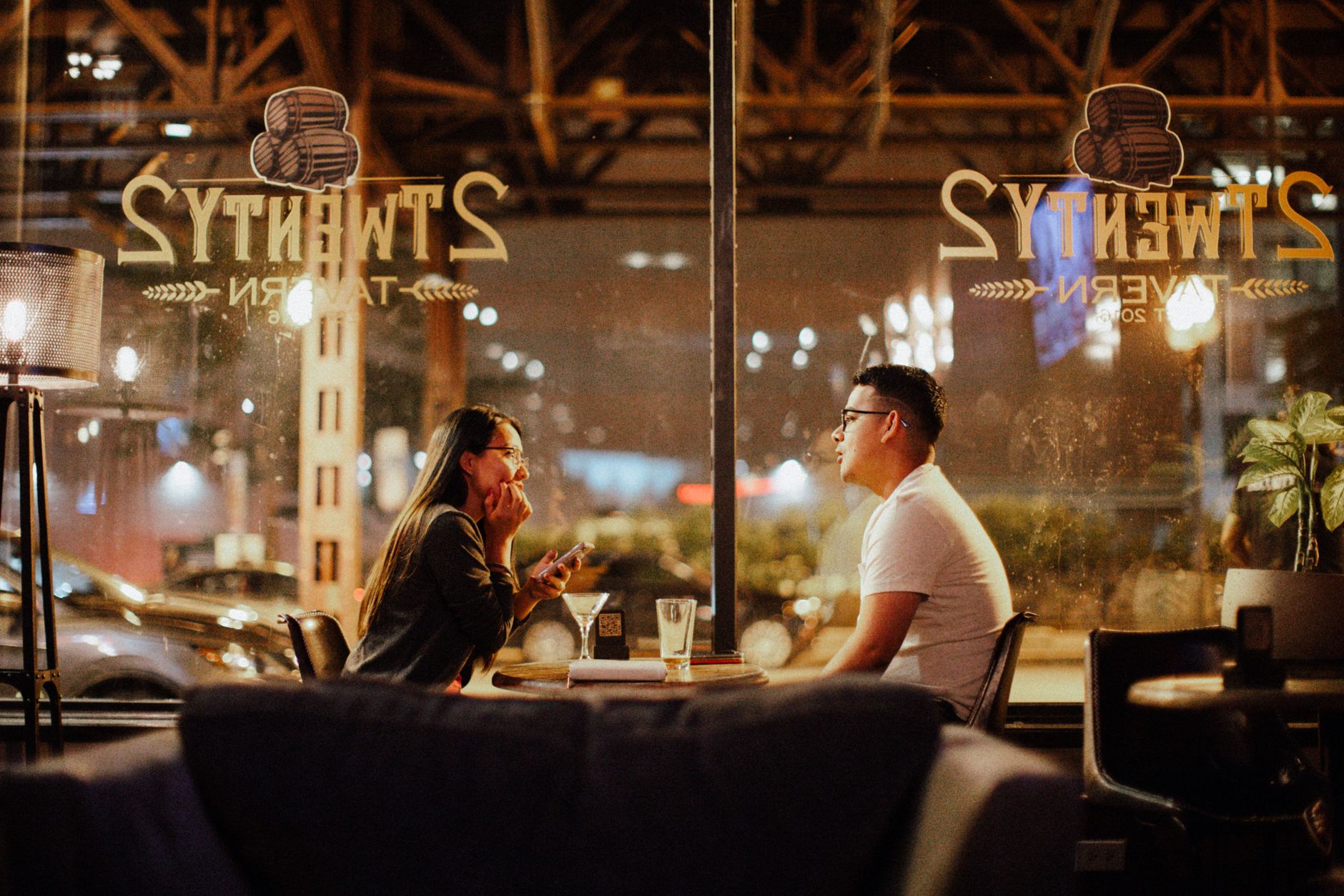
Semafor’s analysis of Match Group’s strategy gets at the oddness of the pivot. These companies are no longer just automating search; they are trying to simulate empathy. A better calendar assistant sounds useful. A synthetic wingwoman sounds less so.
You can hear why that shift appeals to people on the receiving end of app culture. In BBC News’ reporting on new services trying to weed out cheats and fake profiles, Geek Meet Club founder Dennie Smith described the exhaustion more bluntly than the platforms do.
“A lot of dating sites are just about volume, and they include fake profiles that conceal scams.”
Dennie Smith, BBC News
For years, volume was the point. More choice, more matches, more messages, more chances. Once a market matures, though, quantity starts to read as noise. The swipe-era promise was that romance could be optimised by scale. The post-swipe promise is that romance can be managed by interpretation. That sounds uncomfortably close to therapy language, which is why so many singles sound wary even when they sound curious.
I don’t think people are rejecting help. Most of us want less wasted time, fewer weird men, fewer chats that evaporate at 4 pm on the day of the date. What I doubt is the idea that a platform can solve emotional ambiguity by moving further inside it. The more the app claims to know your attachment style, your patterns, your future compatibility, the more it starts to resemble an authority in a part of life where authority has always been shaky. Friends guess. Therapists ask. Lovers surprise you. An app optimises.
So Bee feels like more than a feature launch. It’s a confession about the limits of the old model and a preview of the new bargain. Give us more of your history, more of your language, more of your trust, and we’ll try to spare you some disappointment. Maybe it will work for the administrative bits. Maybe it will write the less awkward opener. But if the pitch of modern dating becomes “let the machine mediate your intuition”, I suspect plenty of singles will keep doing what they are already doing: closing the app, meeting someone in a room, and taking their chances there.

Sydney columnist on dating, relationships and modern singledom. Co-host of the One More Drink podcast.
The Lifestyle Desires brief
Style, food, travel and wellbeing — weekly in your inbox.
Subscribe