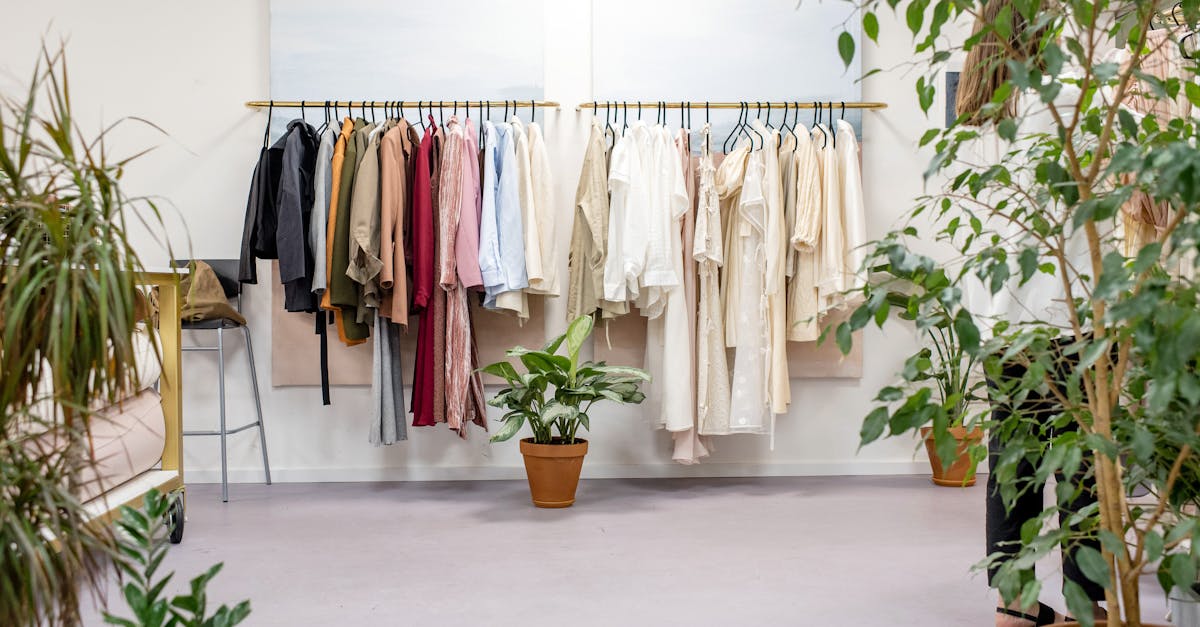
The sale that makes Everlane feel like a warning
Everlane sale to Shein confirms what shoppers feared: sustainable fashion’s moral language could not outrun debt, discounting and speed.
For a certain millennial shopper, Everlane was never just a place to buy a white tee. It was a small moral arrangement. You paid more, wore the clean lines, repeated the line about radical transparency, and got to feel, if not innocent, then at least less implicated. I remember how persuasive that bargain looked in the 2010s. Spare cut, neat copy, guilt edited into a manageable shape.
Now the arrangement has been broken in public. Shein has confirmed via Vogue that it will buy a majority stake in Everlane from L Catterton, pending approval, with employees told the deal was real. Transactionally, it is one more fashion acquisition. Symbolically, it lands like a snapped coat hanger. The brand that taught customers to spend up in the name of ethics is being absorbed by the company that, for many shoppers, has come to stand for speed, volume and disposability.
Still, the pure outrage version is too easy. By paragraph three, the harder reading comes into view: the sale does not just expose Shein’s appetite. It exposes Everlane’s fragility. As Clare Press wrote in The Guardian, the obvious question is the one sustainable fashion kept trying not to answer.
“It was always about the money, wasn’t it?”
— Clare Press, The Guardian
That is the real confirmation embedded in the confirmation. The deal makes plain that moral language, on its own, was never a moat. It was branding, sometimes sincere branding, occasionally useful branding, but branding all the same. Once debt, discounting and growth pressure arrived, the story could not hold the company up.
The price of belief
The analyst view here is less romantic and more brutal: Everlane did not fall because shoppers suddenly stopped caring about ethics. It fell because the economics of premium basics got uglier than the marketing could disguise. The Atlantic’s read of the deal points to about $90 million in debt. Vogue’s reporting put the deal valuation at roughly $100 million. Those are not the numbers of a brand that merely hit a rough patch. They are the numbers of a business whose ideals ran into the old retail problems of acquisition cost, markdowns and the exhausting need to stay desirable without ever looking desperate.
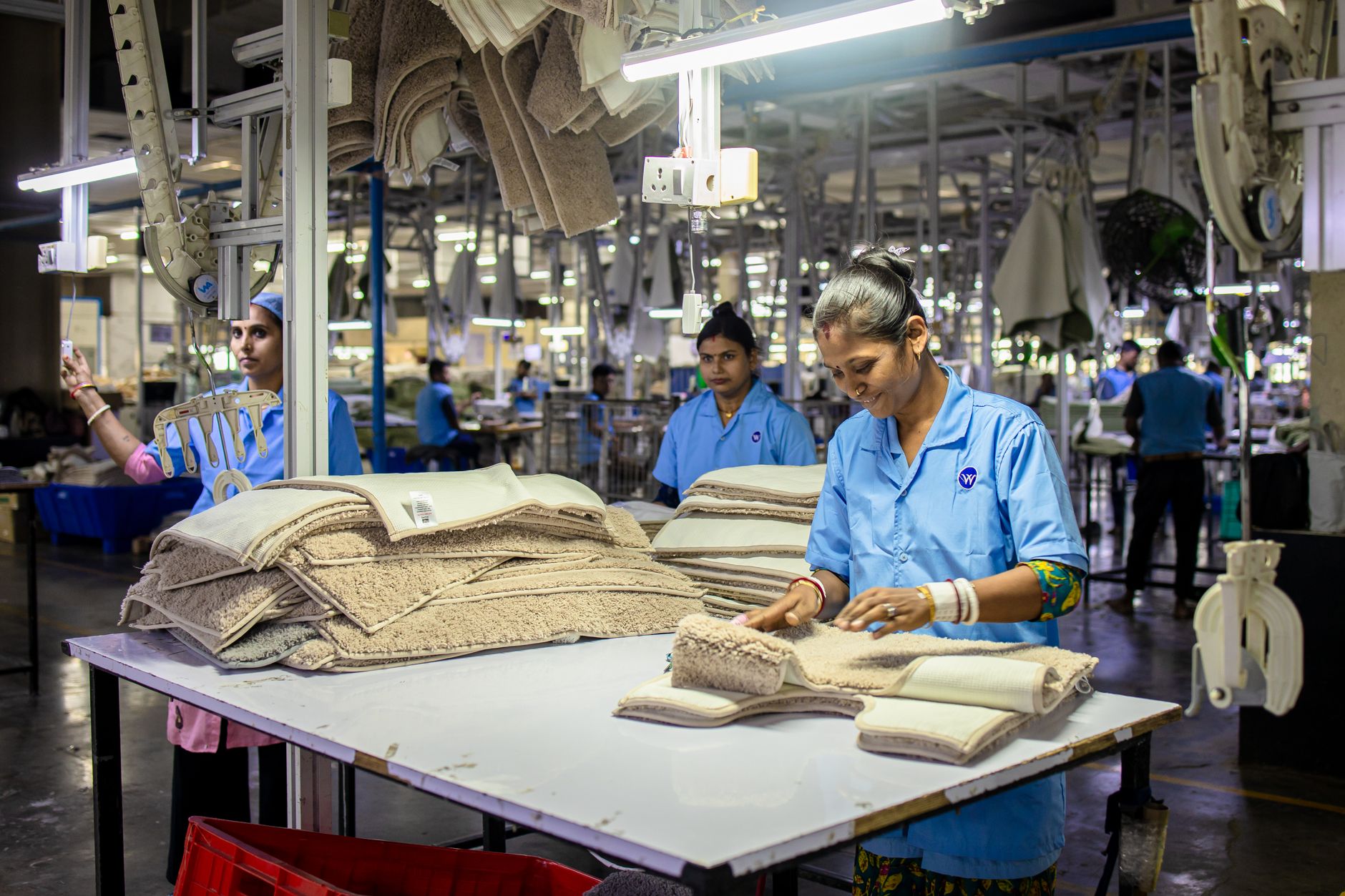
Strip away the soft lighting and the sans serif certainty, and one of the researcher’s best questions answers itself. Was premium basics a distribution problem or a trust problem? A bit of both, but mostly a margin problem. If your pitch is that the T-shirt should cost more because the labour, cotton and factory conditions are better managed, you are asking consumers to keep choosing restraint in a market built to reward abundance. That is a lovely story in a boom. It gets shakier once inflation bites, discounting becomes a habit and a cheaper rival can turn supply chain control into everyday convenience.
Even so, it is worth being fair about what Everlane actually built. WWD reported that under Katina Boutis the company cut absolute carbon emissions by 52%, and that 95% of the cotton in its 2024 factory disclosures was organic, regenerative or traceable. Those are not imaginary gains. They matter. They tell you the premium was not pure theatre. They also tell you something colder: partial operational progress is not the same as business durability.
When Vogue spoke to CEO Alfred Chang, his language had the bruised calm of an executive trying to protect staff from the internet and customers from their own disappointment.
“This past week has been a hard one. Seeing our company in the media, and in that light, was painful.”
— Alfred Chang, Vogue
Painful is the right word because the shopper’s side of this story is not trivial. People feel sold out because many of them bought Everlane as a proxy for personal ethics. The purchase was never only about cut or fabric weight. It was about being the kind of consumer who knew better than fast fashion and could afford to prove it.
What Shein is actually buying
So what does Shein get that it could not simply build itself? Not just another clothing label. It gets a cleaner American vocabulary, a premium-basics customer file, a factory map with cultural cachet, and a brand name that still carries a faint afterglow of discipline. WWD’s reporting and Vogue’s supply-chain analysis both argue that the deal is about moving upmarket and broadening identity. I think that is right. Shein is buying cover as much as it is buying cotton.

Bluntly, the next power struggle in fashion looks operational rather than moral. Glossy framed it this way: sustainability-led labels discovered that conviction does not cancel out weak fundamentals. Meanwhile the companies with faster supply chains, harder price discipline and better data kept setting the tempo. That does not mean Shein has won the argument on labour or waste. It means it has won a scarier contest, which is the ability to keep showing up where shoppers are, at the price they will tolerate, with the speed they have been trained to expect.
The numbers make the contrast feel obscene. The Guardian’s column cites Shein’s pace at 10,000 styles a day. Everlane built its reputation on restraint, on the suggestion that a smaller, saner wardrobe was possible if the product was honest enough. Those two systems were never going to meet in the middle. One lives on edited desire. The other lives on volume. If they are now under one corporate roof, it is not because the philosophies reconciled. It is because the balance sheet did.
Chang insists the label’s operating independence will remain intact, which is the part the loyalist wants to believe and the skeptic cannot quite hear without wincing.
“Everlane remains Everlane. I will continue as CEO, our leadership team will stay in place, and we’ll continue operating independently.”
— Alfred Chang, Vogue
Maybe. But ownership changes meaning even before it changes hems, suppliers or return windows. The first thing a sale rewrites is not the garment. It is the story you tell yourself about the garment.
After the alibi
That is why this deal feels bigger than one brand. GQ’s reporting and The Atlantic’s argument both place Everlane beside a wider millennial hangover, the long unravelling of the idea that buying a better version of the same thing could count as politics. Some brands will survive that unravelling. Patagonia and Reformation still have cultural weight. Quince is rising by speaking a plainer language about value. Allbirds, the other old icon in this mood board, now reads more like a warning label than a peer. The field has not disappeared. It has become harsher, cheaper and less sentimental.
Maybe this is the point where fashion drops the fantasy that transparency alone can save it. The more useful question is what survives once the halo is gone. Better fibres matter. Factory disclosures matter. Lower emissions matter. But they need to be paired with a business model that can live without treating every quarter as a referendum on virtue. Otherwise the whole thing becomes a premium-priced alibi, sturdy enough for an Instagram caption and much less sturdy when interest rates, inventory and investor patience enter the room.
I keep returning to the emotional logic of the Everlane customer because it explains why this story has travelled so fast. If the brand you trusted is now Shein-owned, what exactly was the premium for? The fairest answer is that it bought better practices at the margin and a cleaner story at the same time. The harsher answer is that shoppers confused evidence of effort with immunity from capitalism. Nobody likes learning that lesson through a checkout basket.
For Australian readers, there is nothing especially foreign about that feeling. Our wardrobes have been trained by the same mix of climate guilt, sale alerts, freight convenience and aspirational minimalism. We know the pleasure of telling ourselves a crisp white shirt is a principle. We also know how quickly price can rearrange principle when rent, groceries and a late-night scroll are in the same week. That does not make sustainable fashion fake. It makes it fragile.
And that, more than the deal mechanics, is what changed this week. The Everlane sale to Shein turned a rumour into a reckoning. A brand built to make consumption feel conscientious has become a case study in how thin that feeling can be once ownership, debt and speed push through the dressing-room curtain. I might be wrong, and perhaps Chang manages the impossible by keeping the product decent and the story intact. Right now, though, Everlane does not feel like a survivor. It feels like a warning.

Sydney-based fashion editor covering Australian designers, runway and the wider AU industry. Previously at Russh and Fashion Journal.
The Lifestyle Desires brief
Style, food, travel and wellbeing — weekly in your inbox.
Subscribe