Winter hair routine mistakes that make dryness feel inevitable
Winter hair routine mistakes show up as rough ends, static and limp roots. These six practical shifts help you wash, dry and style with less damage.
Winter usually announces itself in my hair before I admit the season has changed. The ends catch on the collar of my knit. By lunch, the roots are sitting flat in that odd, defeated way I only seem to get in May and June. Nothing dramatic happens. It is a creep, and that slow drift is why the routine often stays the same for a few weeks too long.
That was the part of the recent Refinery29 Australia reporting on winter hair care that felt most believable to me. Winter damage is not always a sign that you skipped the one heroic product. Sometimes it is just an April routine still trudging into June while the air dries out, the shower gets hotter and the dryer starts doing extra work.
“Hair is so responsive, so when the weather shifts, your routine usually needs to shift with it.”
— Mat Johnson, via Refinery29 Australia
Once the hair feels rough, staticky or impossible to style, a total bathroom clear-out is usually beside the point. Earlier, gentler changes do more. Here is the version I would actually use through an Australian winter.
1. Change the routine before your hair feels wrecked
Waiting for obvious damage is the most common winter mistake. By then you are reacting to brittle ends and a cranky scalp instead of getting ahead of them. My cue is simple: the moment the mornings get cold enough that I crank the shower hotter without thinking, I assume the hair is about to need a different sort of care.

Over the next fortnight, I would watch for a few small tells: rough mid-lengths, extra static near the crown, ends that swallow styling cream and still look tired. That is the cue to simplify, not panic-buy. Winter beauty advice can start sounding like a shopping list the second the temperature drops. I trust timing more than I trust that pitch.
Not glamorous, no. Still useful: gentler washing, easier heat and more moisture before the hair starts pleading for help.
2. Wash with less force, not necessarily less often
The instant reaction to “winter hair” is usually to wash less. Fair enough. Sometimes that works. Other times it just leaves oil, product and dry shampoo sitting on an irritated scalp. Better to ask how often your scalp actually wants cleansing.
The Australasian College of Dermatologists’ hair guidance says many people can shampoo every 1 to 3 days, depending on how greasy the hair gets and how much they exercise. I like the looseness of that range. It leaves room for texture, routine and plain life. Reformer at 6am still counts in winter. So does an evening run.
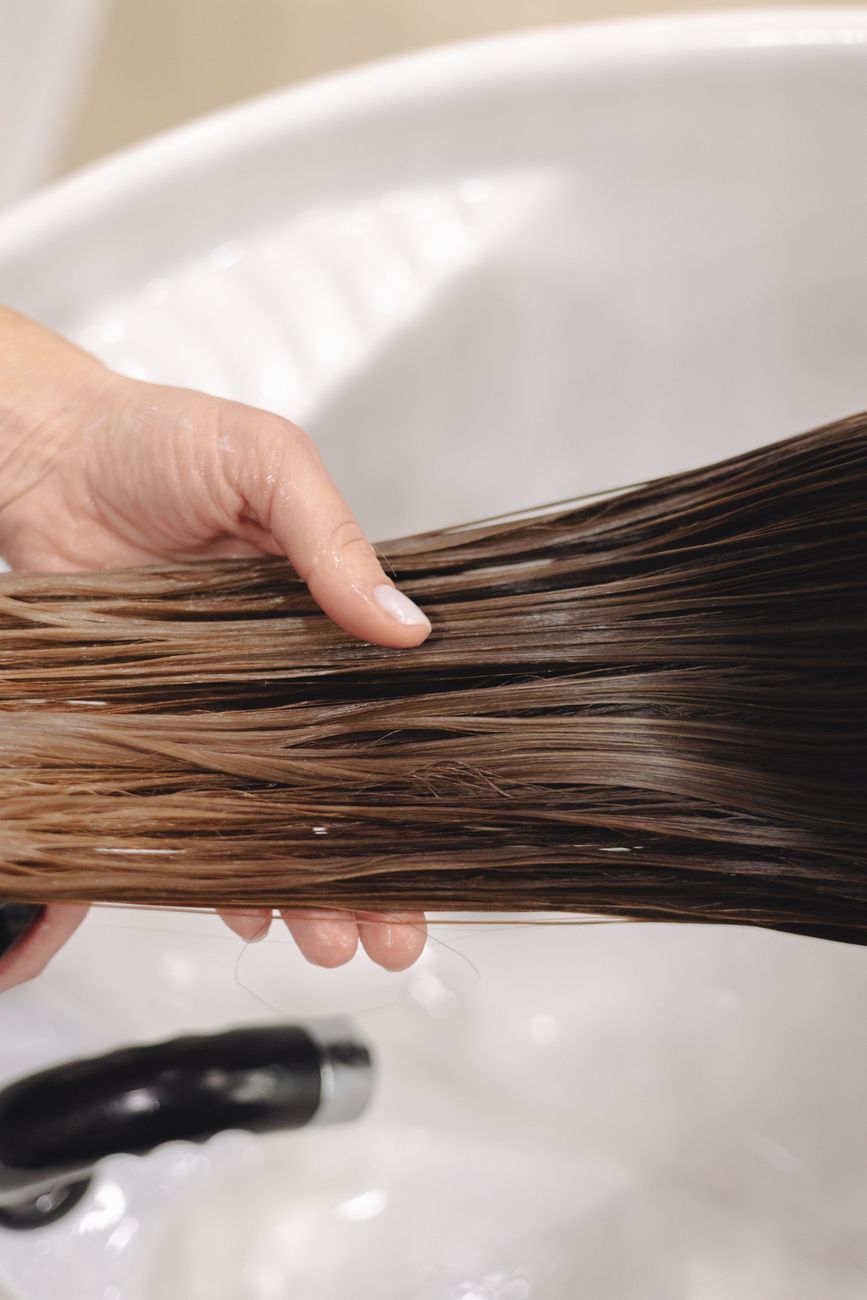
What I would change first is not always the schedule. It is the force of the wash. Use less shampoo than you think. Keep it on the scalp. Let the lather travel through the lengths instead of scrubbing everything like a tea towel. Double-cleansing can wait for the days when you have really loaded the hair up with styling product. Curly, bleached or colour-treated hair tends to want less enthusiasm here, not more.
One quick test helps. Clean roots with straw-like ends straight after washing usually point to a harsh wash, not a bad timetable.
3. Stop turning the shower into a weather event
A hot shower in July is one of life’s easier pleasures. It is also rough on skin, scalp and coloured hair. The American Academy of Dermatology’s advice for dry skin recommends 5 to 10 minute baths or showers and warm, not hot, water. That advice is written for skin, but your scalp does not exactly live in isolation.

Tightness, itch or flakes are enough reason to start here. Rinse well. Shampoo the scalp. Condition the lengths. Then turn the water down for the final minute before you get out. No need to suffer through an icy rinse. The goal is simply to stop cooking everything.
Glossing treatments can wait. If you are steaming the moisture out every morning, that habit matters more than another bottle on the shelf.
4. Put moisture back in while the hair is still damp
Completely dry winter hair is harder to bring back around. The easier window is the few minutes after washing, while the cuticle is still relaxed and the hair can actually hold onto a bit of added moisture.
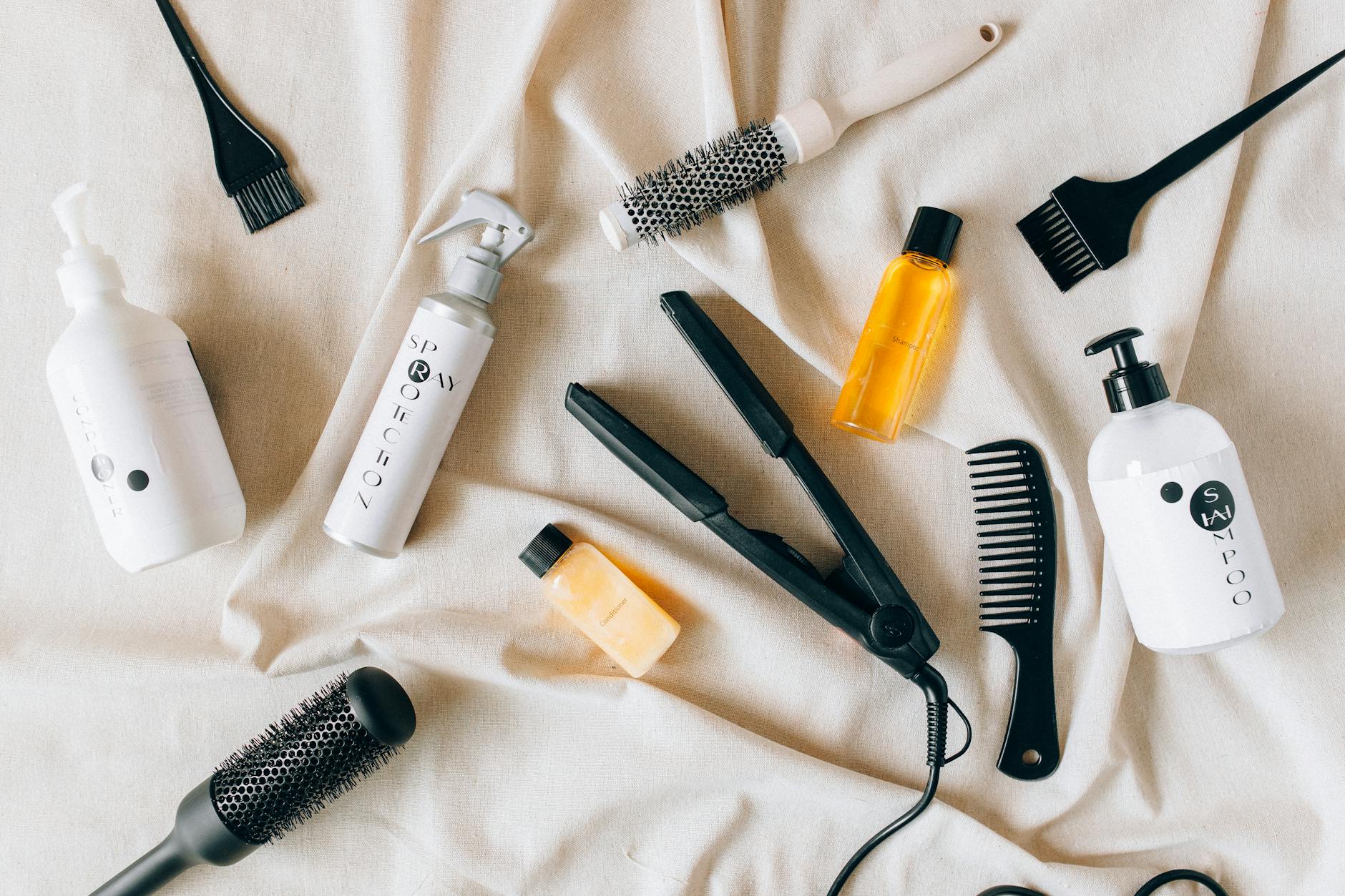
Here I ignore the seduction of a twenty-step routine. Pick one moisture step that fits your texture and stick with it. Fine hair usually fares better with a light leave-in or serum through the mid-lengths and ends. Richer creams are often better suited to thicker or curlier hair. Planning to blow-dry afterwards? Add heat protection here, before the hair starts drying in odd little patches.
Johnson’s clearest advice in that Refinery29 Australia piece still holds: add moisture, use heat protection, detangle gently and do not forget the ends. Winter damage usually speaks there first. Dry, knotty, splitting ends need to be treated like the fragile part of the routine, not the bit you remember at the end.
5. Change the drying sequence, not just the products
A lot of winter breakage happens after the shower, when the hair is swollen, tender and easy to rough up. A hard towel rub, a rushed brush and full heat can undo plenty of good intentions before the day has started.
Start by blotting, not scrubbing. Microfibre is helpful, but an old cotton T-shirt still beats aggressive friction. Detangle from the ends upward while the hair still has slip from leave-in product or conditioner. The AAD’s curly hair care advice recommends detangling while the hair is damp and conditioned, and that logic travels well beyond curly textures.
Then lower one variable. Less heat. More distance from the nozzle. Maybe stop at eighty per cent dry and let the rest happen on its own. If you wear your hair smooth, winter is a good time to ask how many passes with a hot tool are actually earning their keep. Textured hair usually does better when you shape it early and then leave it alone.
Salon hair on a regular Tuesday is not the aim. Getting through winter without the dry-flat-overstyle loop is.
6. Treat flakes and itch like scalp issues, not “bad hair”
Some winter hair complaints are really scalp complaints wearing a wig. The AAD’s guide to dry scalp conditions notes that flakes, redness and itch can come from dandruff, eczema or product irritation. More oil on your ends will not fix the wrong problem.
Persistent flakes need a targeted scalp treatment or anti-dandruff shampoo, not another layer of styling product. Worried that medicated shampoo will strip curly or coily hair? The AAD’s curly-hair advice suggests leaving anti-dandruff shampoo on for 2 to 10 minutes before rinsing so it has time to work. Conditioner can go through the lengths afterwards.
Soreness, thick scale or a scalp that never settles is the point where medical help makes sense. Winter might expose the problem. It does not automatically explain it.
Troubleshooting when the routine still feels off
Greasy roots with dry ends are annoying but common. Keep the wash rhythm for now and change the shampoo strength first.
Brittle ends after a week usually call for one richer conditioning session before more styling product. Dry hair tends to want water and slip before it wants oil and scent.
Heavy moisture that leaves the hair flat is a sign to pull the leave-in back to the ends and keep the crown lighter.
A stinging scalp is the moment to simplify fast. Fragrance, stronger cleansing and too much dry shampoo all feel worse in cold weather.
What to do next
For the next fortnight, change only three things: the shower temperature, the way you wash and what you apply while the hair is still damp. That is enough to tell you if winter is the culprit or if the routine has been slightly off for longer than you thought.
Useful winter hair care is rarely glamorous. It is earlier, gentler and much less seduced by the idea that dryness arrived because you failed to buy one perfect bottle in time.

The Lifestyle Desires brief
Style, food, travel and wellbeing — weekly in your inbox.
Subscribe