Blundstone spent 150 years perfecting the work boot. Now it wants you to wear a sandal.
The Aerocork sandal is heavier than you expect. Blundstone spent 156 years perfecting the work boot — now the Tasmanian brand is making its first sandal, and the question isn't whether it's any good. It's what the sandal means.
Blundstone spent 150 years perfecting the work boot. Now it wants you to wear a sandal.
The Aerocork sandal is heavier than you expect. You pick it up and there it is — that Blundstone heft, the thing that made the boot feel like it meant business even when you were just standing in a bar queue. Thick suede, unlined, the colour of wet sand. Two straps. A cork footbed that hasn’t yet learned the shape of anyone’s arch, and a sole carved from the same block of rubber as a 500-series Chelsea. Which, in some sense, it was.
I held one at the Blundstone showroom in Hobart last month and felt, immediately, the contradiction the brand is asking us to hold. Here is a sandal made by people who have spent 156 years insisting that a boot — one boot, essentially unchanged since 1968 — was enough. And now, suddenly, it isn’t.

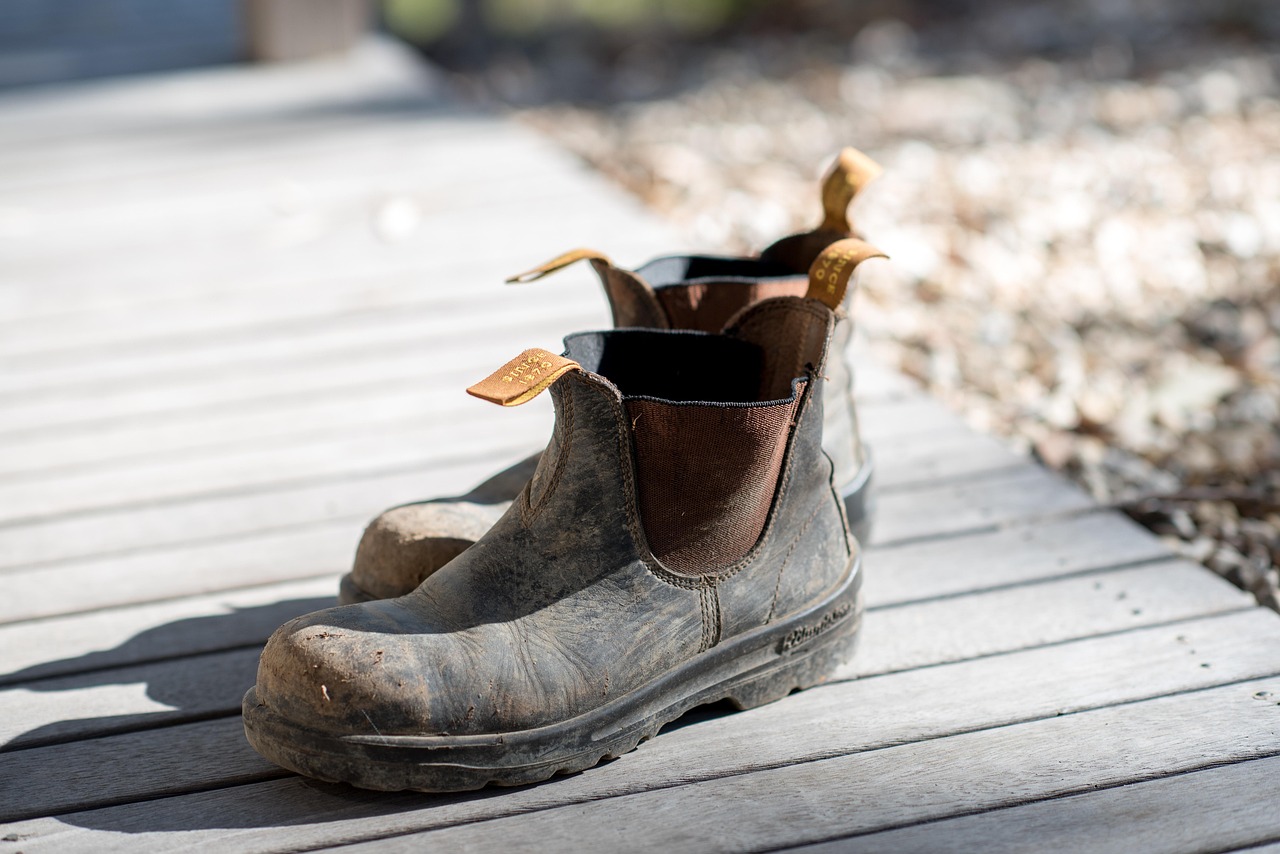
John Blundstone, a British immigrant, set up a bootmaking workshop on Liverpool Street in Hobart in 1870. For the next hundred years the company made what Tasmania needed: sturdy boots for farmers, factory workers, soldiers. Then, in 1968, it introduced the 500 series — the elastic-sided Chelsea with the pull-tabs, that unmistakable silhouette — and more or less stopped innovating. Not because it couldn’t. Because it didn’t need to. The 500 was, as Footwear Plus put it, a boot that carved out “a cult following and a reputation as a style statement for 50 years everywhere from Tasmania to Tinseltown.”
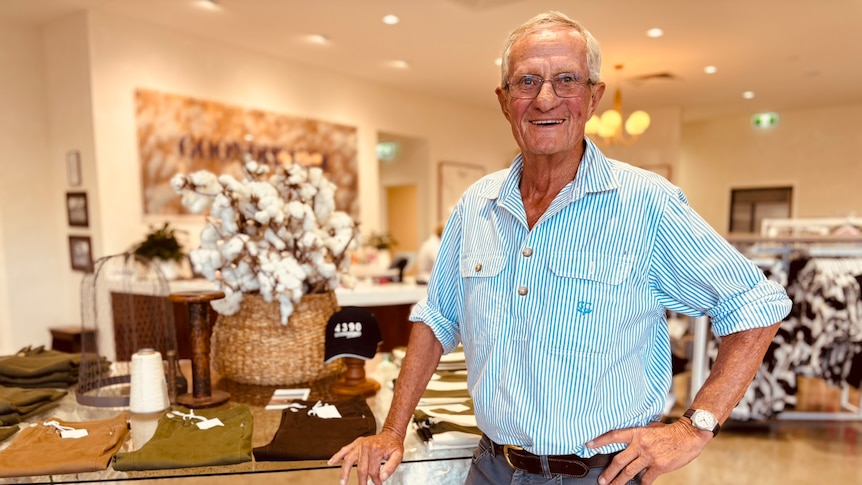
Something like three million pairs a year now leave Blundstone’s factories. Chefs in Melbourne kitchens wear them. Farmers in the Western District, creatives in Brooklyn — the New York Times once asked whether they might be the most recognisable boot nobody talks about. The Cuthbertson family, who bought the company in 1932, still own it. Still Tasmanian. Still, as Elspeth Wishart — senior curator at the Tasmanian Museum and Art Gallery — put it, “up there with some of the iconic brands like Hills Hoist and Vegemite.”
It’s up there with some of the iconic brands like Hills Hoist and Vegemite, but what I think is important is that it’s still Tasmanian owned.
— Elspeth Wishart, Tasmanian Museum and Art Gallery senior curator
A brand that sits alongside Vegemite in the national imagination does not wake up one morning and decide to make a sandal. Which is why the Aerocork, launched in March 2026 as the centrepiece of a three-style Spring/Summer collection — sandal, clog, lightweight Chelsea — is worth paying attention to. Not as a product. As a clue.
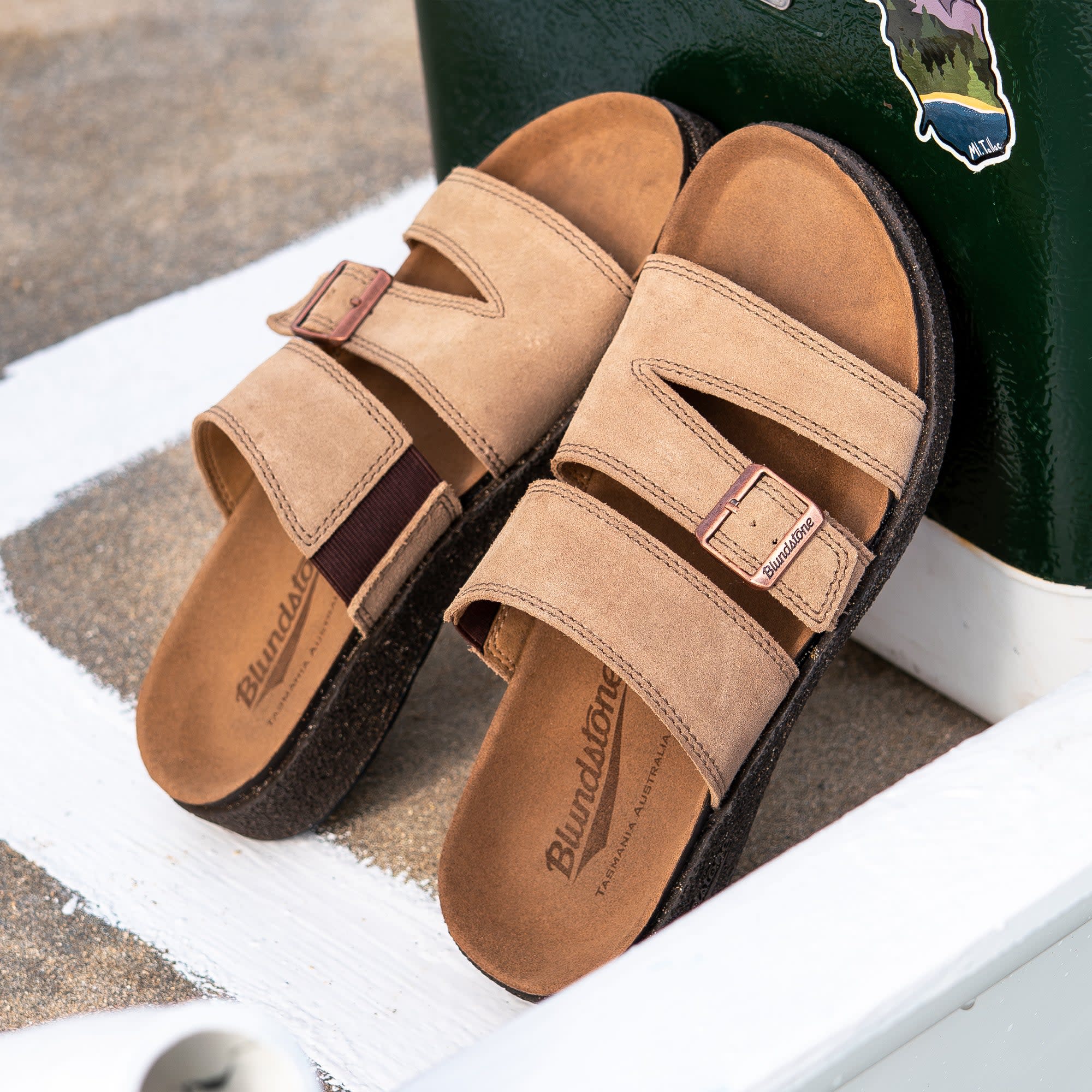
As a sandal — just as a thing you put on your feet — it works. At $145 USD it undercuts the Birkenstock Arizona by a few dollars, though price was never going to be the story. Blundstone calls the footbed material XRD Technology: a memory-moulded phylon layer that, the brand claims, absorbs up to 90% of walking impact through the heel. Two suede straps, an adjustable buckle on the lateral side, and a toe shape chunkier than the Birkenstock it will inevitably be compared to.
Ben Kriz tested the Aerocork for GQ, wore his on a beach holiday, and reported they broke in faster than expected. “Basically,” he wrote, “it’s Blundstone boy summer.” That line has been quoted everywhere, partly because it’s funny and partly because it names something real: a brand whose entire identity was built around the boot you wear in winter might now have a claim on summer, too.
Joe Carfora, Blundstone’s Global Range Manager of Leisure — a job title that didn’t exist at the company five years ago — told Footwear News the project had been in development since 2024. Two years of prototyping, material sourcing, and what he called the central question: how do you make something new without betraying what the old thing meant?
While we were eager to meet that need, it was essential that we did it right. Our wearers enjoy a certain level of comfort, versatility, ruggedness and understated style from our footwear, and we wanted the Aerocork Series to honour those expectations.
— Joe Carfora, Blundstone Global Range Manager
Honour the past while making something the past never asked for. That tension isn’t unique to Blundstone. Right now, it’s the problem every heritage workwear brand is trying to solve.
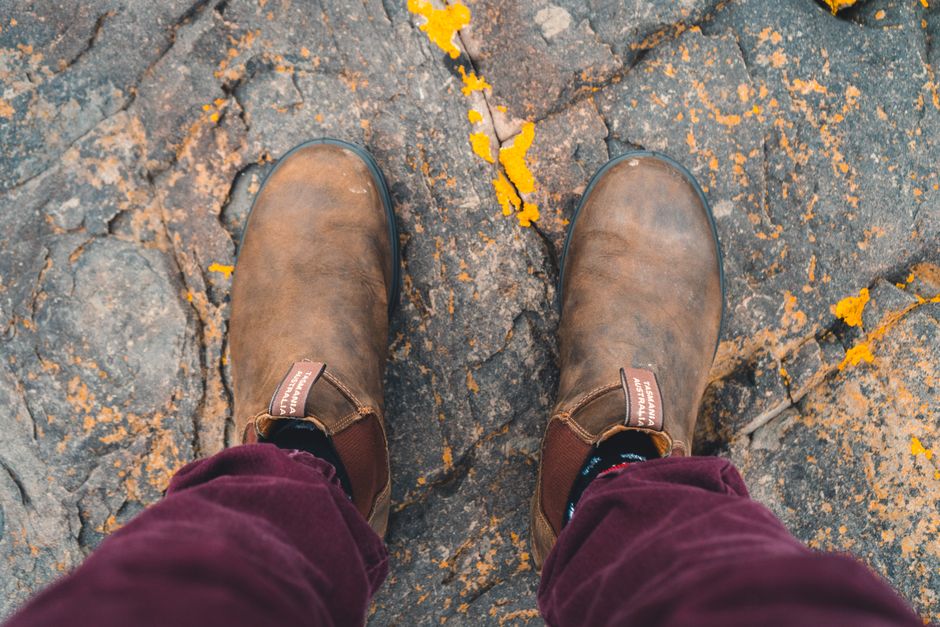
Carhartt has Carhartt WIP, a fashion line that now generates more cultural heat than the original workwear. Dickies does runway collaborations. Red Wing, the Minnesota bootmaker that is to America what Blundstone is to Australia, launched its first apparel line this year. Everybody who built a brand on “you buy one pair and wear them until they fall apart” is now trying to sell you a second pair — of something else.
But the most instructive parallel isn’t Carhartt or Red Wing. It’s Birkenstock. The Aerocork makes it impossible to ignore.
Birkenstock did €2.1 billion in revenue in FY2025, went public, collaborated with Dior and Manolo Blahnik and Fear of God. Then it started making closed-toe shoes — boots, even — pushing its share of non-sandal revenue up 500 basis points to 38%. Vogue noted the improbable arc: a brand once orthopaedic and unfashionable had become the fashion establishment.
Blundstone is doing the reverse. The boot brand making a sandal. Highsnobiety caught the symmetry immediately, calling the Aerocork “just about as shocking as anything Blundstone’s ever done” and noting that the two brands appear to be “switching places.” Heritage brands from opposite ends of the footwear spectrum, converging on the same utility-lifestyle middle ground. One from the orthopaedic sandal upward. The other from the work boot downward.
I’m less convinced that “switching places” is the right frame. It suggests symmetry where there might be something closer to a category collapse — the moment when the distinctions that separated workwear from fashion, utility from lifestyle, boot from sandal, stop being useful categories at all. The Aerocork doesn’t look like a Blundstone trying to be a Birkenstock. It looks like a Blundstone that decided the sandal category was up for grabs.
Confidence or category error? Depends who you ask.
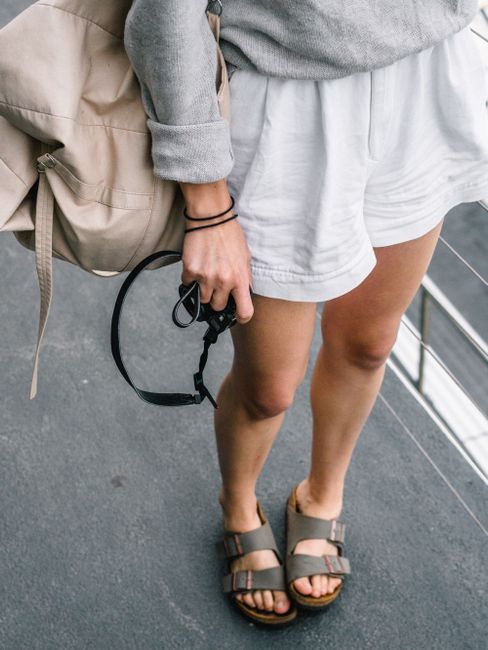
You could make the sceptic’s case in your sleep. A brand whose identity rests on a boot that didn’t change for half a century now wants you to believe it has something new to say about open-toe footwear. That Chelsea was so perfectly itself that changing it would have been the dilution. Making a sandal — a category Blundstone has no heritage in, no design language for, no obvious authority over — forces the question: if the boot was enough for 156 years, why isn’t it enough now?
Steve Gunn has led the company for two decades and has described Blundstone’s philosophy as not chasing trends. The Aerocork, which openly references the Birkenstock Arizona — the most imitated sandal in the world — tests that self-description hard.
And yet.
They didn’t make a cheap sandal and stamp a logo on it. Two years developing a proprietary midsole compound, prototypes through material testing, a global “Wear Summer Out” campaign via Thinkerbell that targeted not just Australia but the US, Europe, Japan, and South Korea. European press flown to Sicily for the launch. Carfora has confirmed additional Aerocork styles and colourways are planned for 2027.
This isn’t a brand dipping a toe. It’s a brand building a platform. The real question isn’t “can we sell some sandals.” It’s “can we become a four-season brand before the winter-boot thing becomes a ceiling.”

I keep coming back to the weight of the thing. The Aerocork in your hand — substantial in a way a Birkenstock isn’t. The Birkenstock footbed is orthopaedic; it wants you to notice how it’s correcting you. The Aerocork footbed is just there, dense and level, the way the insole of a work boot is there. Not making a case for itself. Just doing the job.
Maybe that’s the answer Blundstone is offering the sceptic. You don’t extend heritage into a new category by explaining why you belong there. You do it by making the product feel, in the hand, like it couldn’t have come from anywhere else.
I might be wrong about that. The market will decide, and Birkenstock’s latest quarter showed revenue growth of over 14% in constant currency — they’re not standing still. But I keep thinking about something the TMAG’s Wishart didn’t say but implied: Blundstone’s real asset isn’t the boot. It’s that the brand still means something specific to people who have never owned a pair. A sandal doesn’t undo that. A sandal says the story isn’t finished.

The Lifestyle Desires brief
Style, food, travel and wellbeing — weekly in your inbox.
Subscribe