Why the ’90s sandal keeps embarrassing quiet luxury
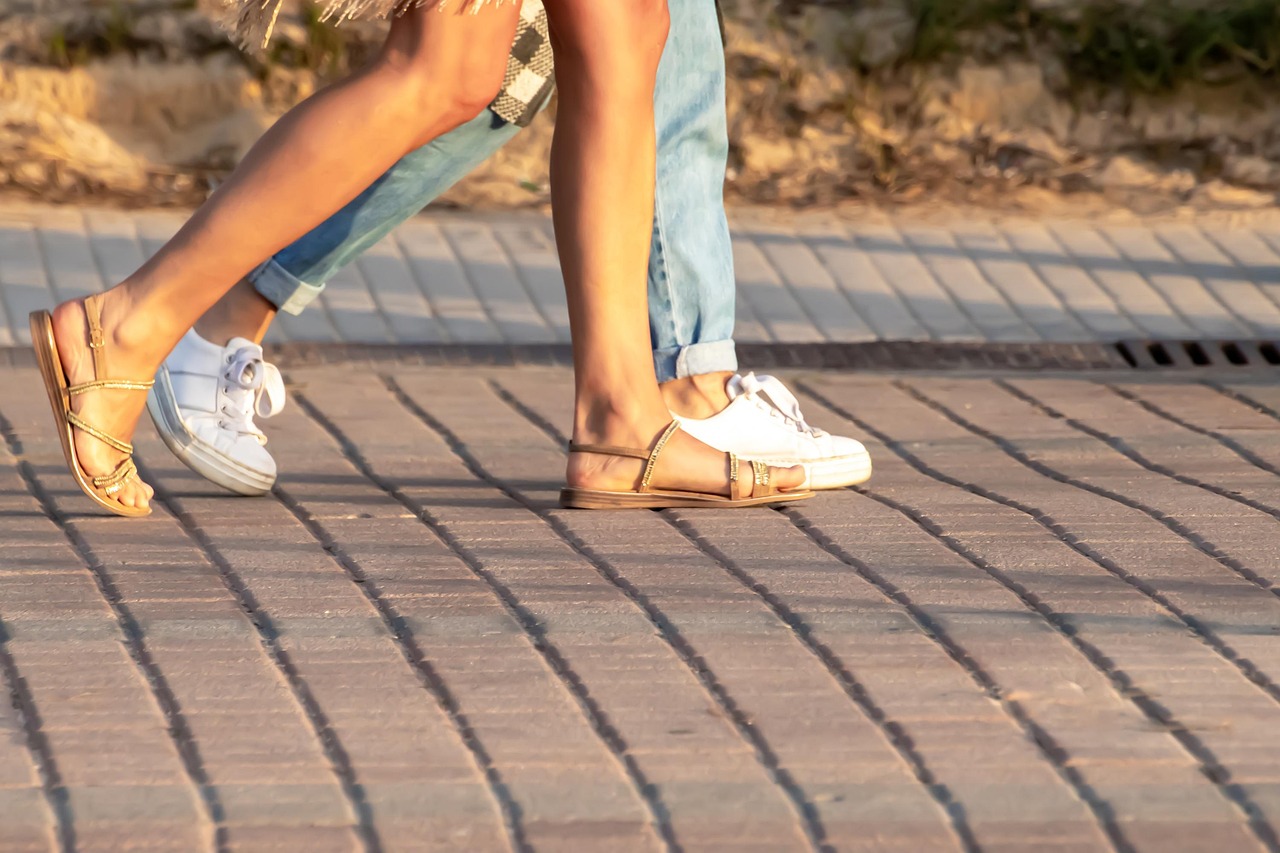
In Australian summer, the ’90s sandal keeps winning because it makes room for heat, movement and a life that doesn't stop at the tram platform.
Any time a shoe comes back into fashion without asking me to invent a whole new woman, I feel relief. The flip-flop, the low mule, the barely-there sandal from the 1990s asks simpler questions than most trends do. Is it hot. Do you need to move. Would you rather look settled than polished into submission. On an Australian summer day, that doesn’t read as laziness to me. It reads as common sense.
Lately I’ve been thinking about that every time fashion talks itself into another summer of quiet luxury, as if taste reaches its highest form in a camel knit, a whispery handbag and a face arranged into permanent composure. Beautiful in photos, sure. Less convincing on a tram platform in December, or on the walk between a long lunch and a late drink, when the body wants air and the outfit needs to stop trying so hard.
So the return of 1990s sandals feels less like nostalgia than a correction. In the Vogue piece on the revival of ’90s sandals, the trend arrives through familiar shapes, strappy heels, flip-flops, low mules. More interesting is the way women keep circling back to these shoes whenever fashion drifts too far into performance. A few paragraphs into any serious discussion of the trend, the real question arrives. Is this freedom, or just another expensive way to sell effortlessness. Fair enough. Better to leave that doubt in the room.
The relief of not pretending
As Julia Rabinowitsch wrote in Vogue, the decade’s appeal was emotional as much as aesthetic:
“Dressing in the ’90s was lighter, freer, more instinctual.”
Julia Rabinowitsch, Vogue
Instinctual is the word that matters. What makes the best version of the 1990s sandal feel live is not Kate Moss nostalgia or some holiday postcard fantasy. It is the memory of a moment before every outfit had to prove it had done the reading. Simple enough to let the rest of the look breathe, the shoe sits happily under a black slip dress, with a faded jean or below a decent linen trouser. Nothing turns into costume.
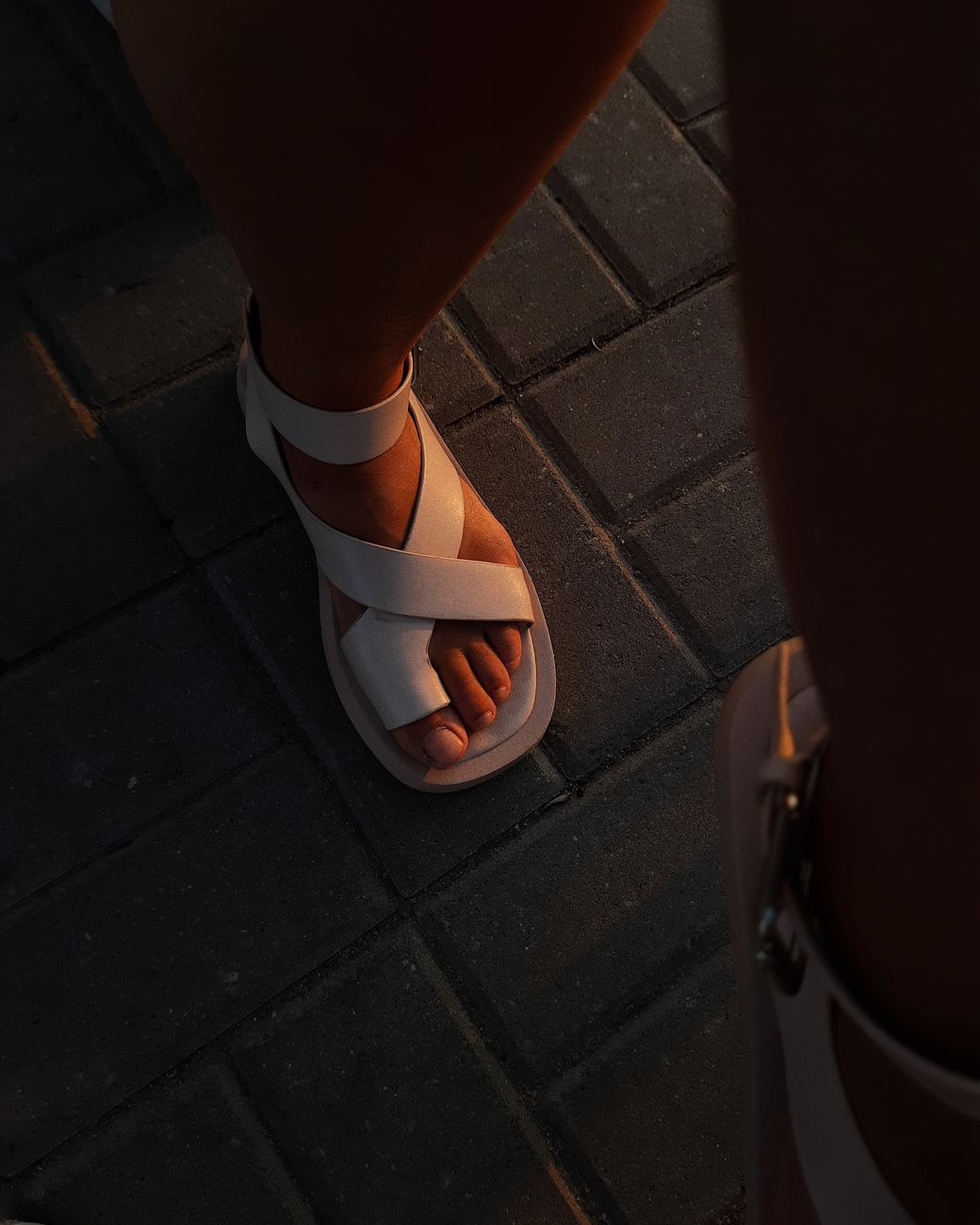
For that reason, I don’t buy the idea that this is just quiet luxury in a lower shoe. At its most tired, quiet luxury likes to pretend taste is neutral. In Jess Cartner-Morley’s Guardian analysis of fashion’s “Posh Grandpa” turn, you can feel the fatigue underneath all that polish: people are weary of clothes that look correct before they look lived in. The 1990s sandal belongs to the same correction. Still minimal. Still clean. Often still expensive. Just not tidy in the same way. With an exposed foot and a thin strap, something a little unguarded always sneaks in. Good.
Runways answer only part of that. Yes, these shoes keep coming back because designers know how to make minimalism look costly again. Just as true, they return because plenty of women are bored by clothes that feel like etiquette lessons. A sandal that looks slightly underdone can feel like oxygen.
Ease can still look expensive
For insiders, the appeal is more interesting than “summer shoe, but nicer”. In Vogue’s reporting on the Isabel Marant collaboration with Havaianas, the pitch wasn’t beach triviality. It was mood: four styles, a 48-hour early-access window, and the suggestion that a rubber sole could smuggle some wit back into luxury dressing. If you want the commercial version of that argument, the Isabel Marant x Havaianas Studs Sandals make it very plainly.
“To me, they represent the Brazilian quintessence of joy, freedom, and summer nonchalance.”
Isabel Marant, Vogue
What makes Marant’s quote land is that it doesn’t pretend the shoe is solemn. Nonchalance is the whole point. Across the world of The Row’s sandals and the sharper high-street echoes that follow, the most convincing luxury pairs look expensive because the materials and proportions are right, not because the styling has become ceremonial. A leather thong sandal. A low black mule. A narrow strappy flat. Tiny design decisions, outsized cultural effect. They let a woman look composed without looking shrink-wrapped.
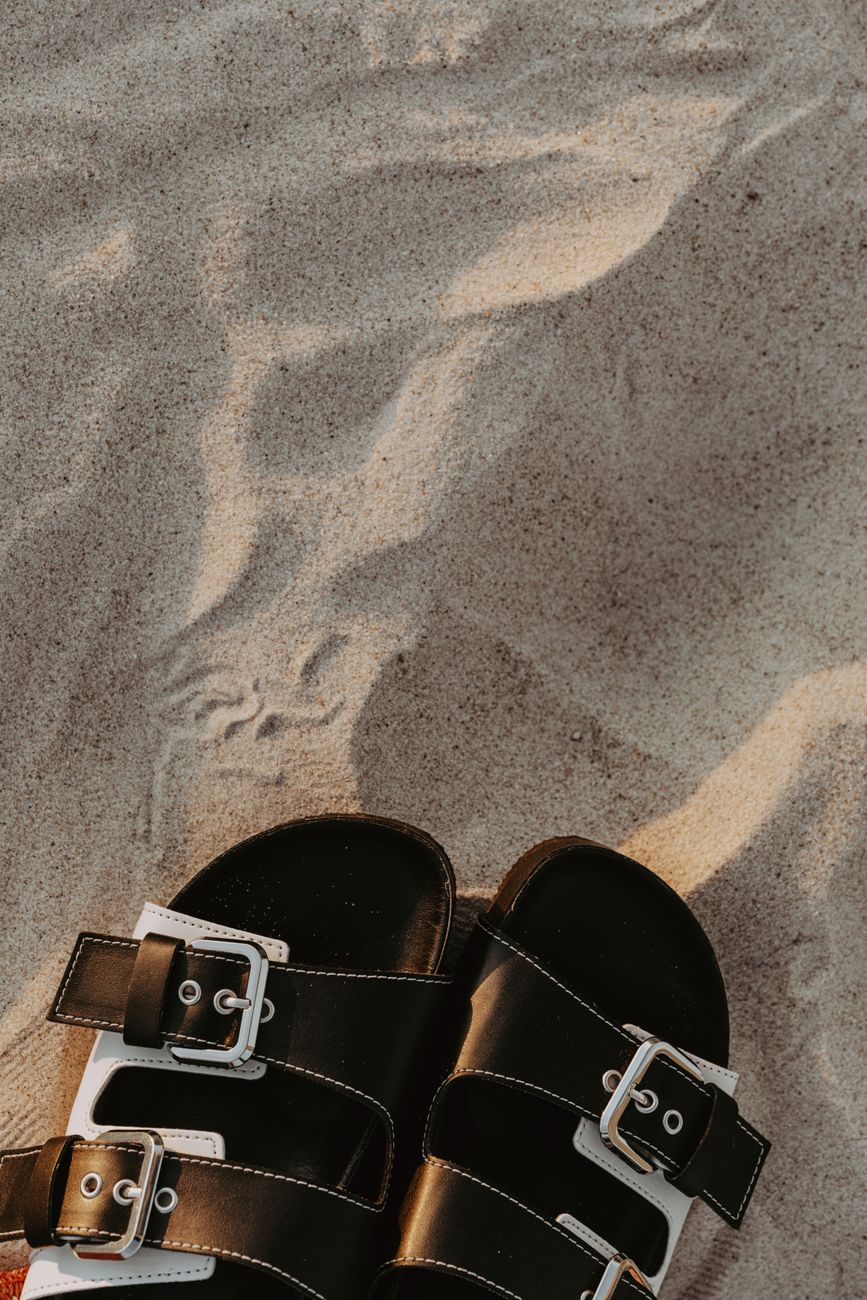
This is also where the trend stops being pure nostalgia. The 1990s reference helps, but texture is doing more of the work. Put a rubber flip-flop in the wrong setting and it can still look like an afterthought. Give it a supple leather sole, a sharper toe line, a strap that sits close to the foot, and the same basic idea starts reading as intention. Read the recent Vogue analysis of dresses with flip-flops that way and it becomes more revealing than it first appears. It isn’t really about styling a dress. It is about how a humble sandal becomes legible as choice.
Maybe this is the part quiet luxury never quite understood. Women were not asking to look more expensive at all times. Often they wanted one expensive-looking detail that would let the rest of life carry on around it. A sandal does that beautifully. It leaves room for weather, pace, appetite, bad moods, a detour after work. It doesn’t require the whole day to remain crisp and crease-free.
A little bit wrong in the city
Still, the skeptic deserves a paragraph. Maybe two. Against the city flip-flop, the case isn’t snobbery. Sometimes it is biomechanics. In Vogue’s column asking whether flip-flops belong in the city, podiatrist Dr Rock Positano offers the kind of practical correction fashion writing usually needs:
“when you’re on a vacation, you’re going to basically quadruple your walking and your standing.”
Dr. Rock Positano, Vogue
More honestly than most fashion copy does, that line answers the central question. Are city flip-flops wearable. Sometimes. Universally sensible. Obviously not. If your day involves long distances, hard surfaces and the distracted speed that makes you clip every kerb from Surry Hills to the office, the fantasy of the flat thong can collapse pretty quickly.
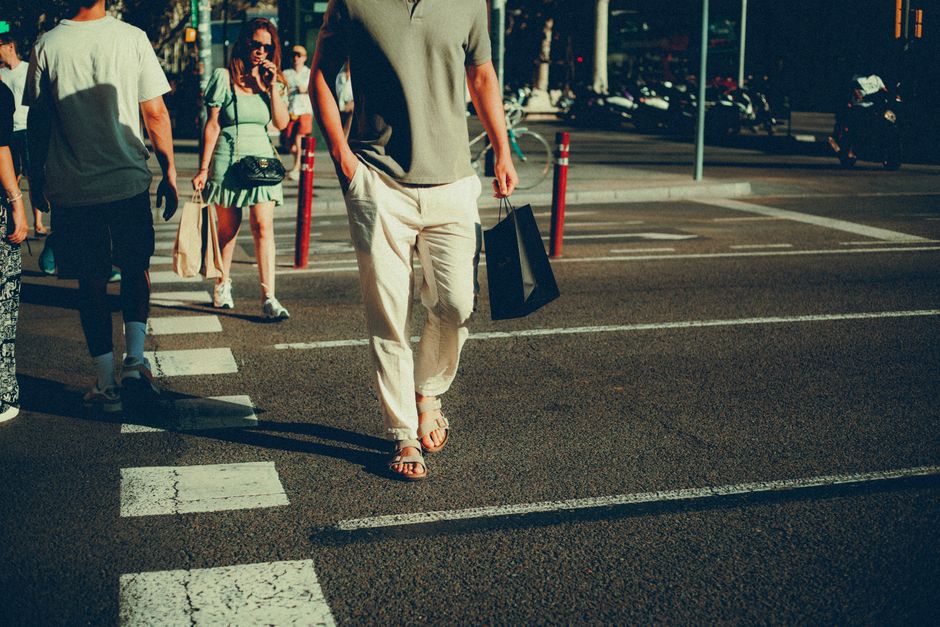
Then again, that objection is part of the shoe’s charge. What keeps the 1990s sandal interesting is that it isn’t fully obedient. It carries a little beach logic into the city, a little holiday insolence into places that would rather see a closed toe and good behaviour. I’m less persuaded by the versions that try to scrub all of this out. Once a flip-flop becomes so engineered, so cushioned, so anxiously corrected that it loses its lightness, you may as well wear something else.
What does work is precision. A narrow leather sandal with a crisp dress. A low mule under a relaxed trouser. A simple pair of Havaianas women’s thongs with an otherwise grown-up outfit, used as contrast rather than confession. More to the point, the shoe does not need to belong everywhere. Its slight wrongness is what makes an outfit feel current. Fully polished heels finish a look too neatly. A bare foot breaks the sentence open.
Which is why the exposed-toes argument keeps coming back. It isn’t settled because it isn’t really about taste. It is about how much unruliness a culture will tolerate in clothes worn by women. The sandal’s answer is plain enough: enough to get on with the day.
What Australian summer actually asks of a shoe
Honestly, I trust the blunt view. What works in Australian heat gets worn. Not what reads beautifully in a showroom. Not what survives a car-to-restaurant life somewhere cooler. What survives heat, pavements, ferry steps, lawn weddings, supermarket runs, late dinners, and all the small humiliating distances between them.
Around here, local context matters more than trend forecasting. In Refinery29 Australia’s dispatches from Australian Fashion Week, one quietly telling image was Havaianas protecting more delicate shoes from the weather. Funny, yes. Also a thesis. Even inside fashion’s ceremonial moments, practicality keeps sneaking back in. Over at Marie Claire Australia’s recent round-up of local labels, sandals show up not as spectacle pieces but as the things that ground an outfit. Ground is the right verb. At their best, these shoes keep you in contact with the life you are actually living.
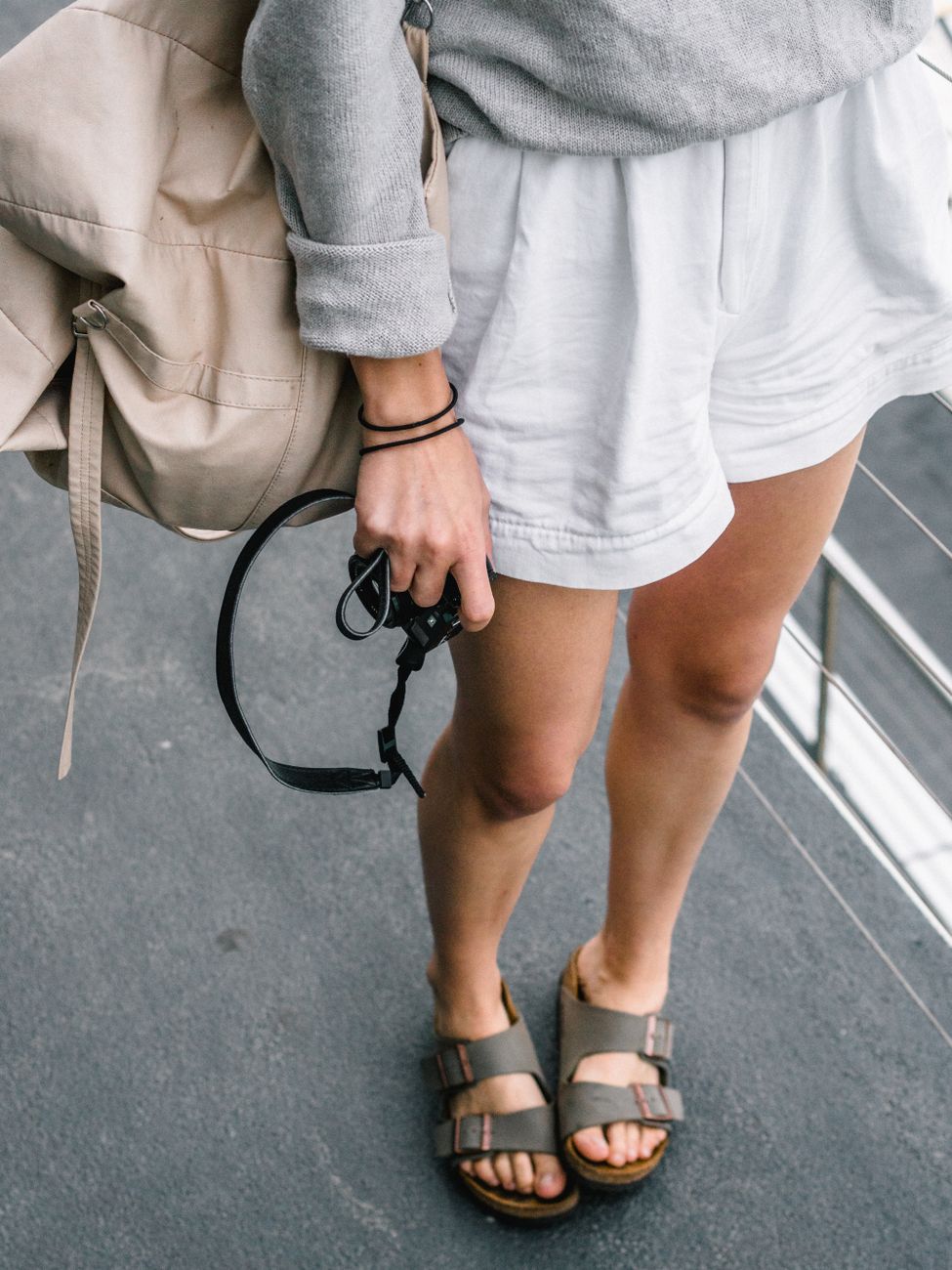
Maybe that is why the sandal keeps embarrassing quiet luxury. Quiet luxury wants summer dressing to appear serenely above inconvenience. The 1990s sandal admits inconvenience exists, then gets dressed anyway. In Australia, style usually has to make room for humidity, glare, public transport, salty skin, impulsive plans, and the fact that nobody sane wants to feel trussed up by 2pm.
I don’t think that makes the trend anti-luxury. If anything, it clarifies what luxury actually is. Not polish for its own sake. Not the performance of being above weather. Real summer luxury is a shoe that lets you leave the house quickly, keeps the line of an outfit clean, and doesn’t demand gratitude every time you glance down.
The shoe that understands summer
These sandals return whenever fashion starts taking itself too seriously for a reason. They solve a problem before they sell a fantasy. They let the body cool down. They let an outfit loosen up. They let a woman look like herself, only a little sharper, without pushing her into somebody else’s immaculate idea of restraint.
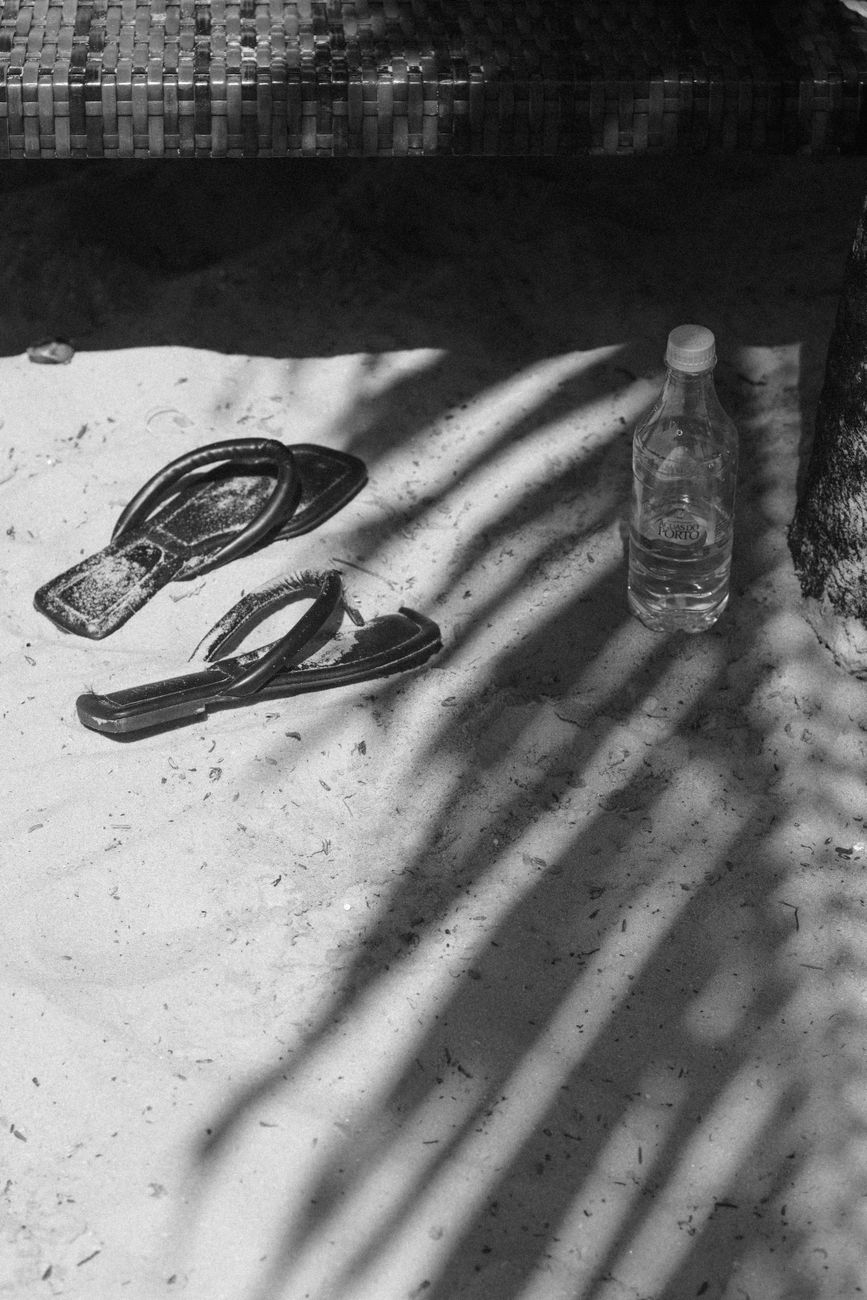
Maybe that is why they feel modern again. Not because they are new. Because they aren’t. In a market full of clothes that want to narrate your discipline, the 1990s sandal offers something rarer: permission to be a little less finished. In Australian summer dressing, that isn’t a compromise. It’s the whole intelligence of the thing.

The Lifestyle Desires brief
Style, food, travel and wellbeing — weekly in your inbox.
Subscribe