When friendship starts to outrank dating
For more women, especially in midlife, friendship is no longer romance's support act. It is the relationship carrying the emotional weight dating often refuses to share.
If you’re a woman in your forties and single, a particular kind of conversation eventually trails you into dinner. Not cruel. Can even sound loving. Are you dating? Are you trying? Have you thought about getting back on the apps — properly, this time? The assumption humming under all that concern is old and stubborn: romance is the plot, friendship the side dish, and a woman on her own is in some holding pattern before real life resumes.
Lately, plenty of women have stopped accepting that premise. I hear it everywhere now.
What I keep hearing, in public and in private, is less heartbreak than fatigue. Not melodramatic collapse. Just the weary maths of it. The calendar shuffling. The emotional translation. The safety calculations before a first drink. The strange unpaid work of making somebody else comfortable enough to be honest with you. By the time you finish explaining why dating feels exhausting, the explanation itself has become another task. That is why Cate Le Bon landed so hard for me in her Sydney Morning Herald interview. Looking back on her past relationships, she said: “It taught me how much women give, and it’s not often reciprocated.” Then, later: “There’s no reward in being in a relationship that you’re unhappy in.” Cate Le Bon is 43, which matters here only because women in that decade are so reliably told they should be panicking. She sounds clear-eyed instead. Almost relieved.
That clarity cuts against one of heterosexual dating’s favourite fictions — that unequal effort becomes noble if you dress it up as compromise. Doesn’t work that way. If one person is organising the emotional climate, managing disappointment, softening conflict, screening for risk, and still being asked to call the whole arrangement romantic, the word starts losing its sheen. In Women’s Agenda, Dr Lisa Portolan put it plainly: women are expected to “perform emotional labour, manage risk, absorb disappointment”. I read that and thought: yes, that is the part people keep trying to recast as personal failure. You’re not failing at dating if you dislike being overworked by it.
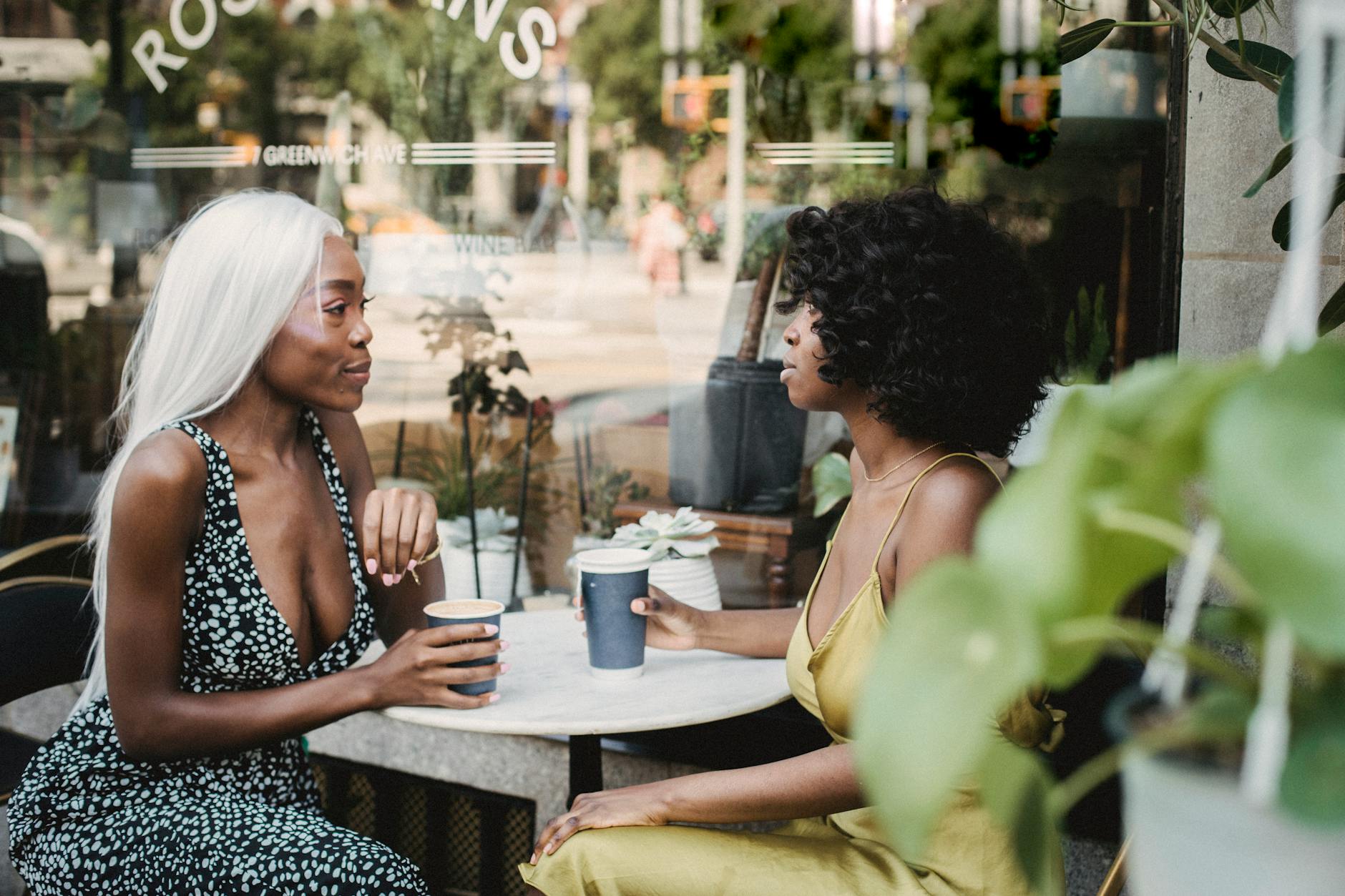
And friendship, for many women, now looks less like the support act for romance and more like the relationship doing the heaviest lifting. The friend who knows your Medicare panic voice. The one who sends the check-in text before a grim first date — and the debrief message after. The one with a spare key, or a standing Thursday bowl of noodles, or the plain good sense to say: that man is draining you, and I’d prefer you rested. None of this is glamorous. That is partly the point. Friendship has quietly become the place where care is less performative and more legible.
Reciprocity is easiest to notice there, too.
Even the softer dating coverage suggests something has shifted. Ocean Road Magazine, writing about what people say they want from dating in 2026, found 64 per cent of daters naming emotional honesty as the thing modern dating needs most. I don’t find that statistic especially comforting. If honesty is topping the wish list, people feel its absence. Nobody campaigns for tap water unless the pipes are unreliable. The line between romance and labour sits right there. A relationship culture that keeps asking women to audition, reassure, interpret and recover will eventually produce women who look elsewhere for steadiness.
This is where the friendship conversation gets interesting, and a little more radical than it first appears. To say friendship matters is banal. Everyone says that. To say friendship might be the more serious relationship — the one around which you organise your time, money, home and emotional future — is different. Pushing against a hierarchy we barely notice. For decades, women were encouraged to treat friendship as precious but provisional: something that would bend around marriage, cohabitation, children, a husband’s job, a boyfriend’s moods, the geography of coupledom. Romance was meant to scale up. Friendship was expected to gracefully make room.
That bargain looks shabbier every year.
Partly because adult friendship has grown more intentional. Partly because dating has grown more extractive. And partly because women have grown less embarrassed about saying so. The apps didn’t invent disappointment — but they industrialised certain forms of it. The disposable chatter. The constant self-presentation. The low-grade administrative drag of arranging meetings with strangers who may or may not be telling the truth about themselves. The Conversation made the bigger historical point in a recent essay on heterosexual frustration: what looks like a fresh crisis has a long tail. Feels right to me. The technologies changed. The script didn’t change enough.
There is a money side to this, and Australians are often coy about it. Women are booking the trips with friends, splitting the Airbnb, choosing the suburb near their existing care network, deciding who gets the spare room and who can be trusted with the cat. The practical architecture of adult life is being built around the people who reliably answer the phone. Not a consolation prize. A serious organising principle.
Meanwhile, dating has become fluent in the language of self-knowledge without always doing the work. Everybody can say boundaries. Attachment style. Far fewer can offer consistency. So women are left decoding polished emotional vocabulary while still being asked to perform the old caretaking role underneath. New terminology, same shift.
I’m careful here not to turn friendship into another moral performance. Friendships can be lopsided too. Women can overgive there as well. Anyone who has been the planner, the listener, the birthday rememberer, the one holding the emotional bucket for a drifting group chat, knows that platonic love is not magically free of labour. But the difference, I think, is that friendship is finally being allowed to count. Spoken about as infrastructure, not filler. That matters. Once a relationship is recognised as structurally important, women can build around it on purpose rather than in the leftover corners.
You can feel that shift in the small domestic details. Who gets the nice room in a share house. Who becomes emergency contact. Who you book the long weekend with. Who you call after the specialist appointment. Who tells you the truth when you’re about to make a mess of your own life. These are not decorative roles. They are intimate ones. They used to belong, in the public imagination at least, to romance by default. Now they’re being redistributed with more honesty. Sometimes the person doing that work is a partner. Sometimes — and maybe increasingly — she’s a friend who has proven she can carry her side of the weight.
There is also a relief in de-centring romance that is hard to admit unless you have lived under the script for a while. If coupledom is supposed to be the destination, every ordinary lull in your romantic life reads as delay. A dry spell becomes a character flaw. A peaceful Saturday alone starts looking suspiciously like failure. Move friendship to the centre, though, and the emotional geography changes. Your life stops reading as paused. Populated again. The week has texture. Dinner plans matter. So does the friend who calls from the car outside and tells you to put shoes on — we’re getting chips.
Romance isn’t over, and women haven’t become too hardened, or picky, or whatever disappointed culture likes to mutter when women stop volunteering for the same arrangements. The standard may simply have shifted. If a romantic relationship wants to outrank the friendships already nourishing a woman’s life, it has to offer more than aspiration. Ease, honesty, safety, humour, reciprocity — something real.
Which brings me back to Cate Le Bon’s bluntness. “There’s no reward in being in a relationship that you’re unhappy in.” The sentence lands because it’s less cynical than it sounds. Really a defence of energy — a refusal to keep pouring attention into a structure that keeps billing women for its own instability. Friendship, by contrast, can feel startlingly solvent. Not perfect. Not effortless. But solvent. It pays back care with care. It remembers. It shows up.
If romance turns up and behaves itself, lovely. But I suspect more women are starting from a different premise now. The most serious relationship in the room might not be the one with chemistry and candlelight. The one that already knows your order, your history, and which version of your silence means come over.

The Lifestyle Desires brief
Style, food, travel and wellbeing — weekly in your inbox.
Subscribe