What Melbourne’s best-designed restaurants are really selling now
Melbourne restaurant design is now part of the meal, as Yiaga, Gimlet and Yūgen turn dining rooms into the city’s new pitch.
In Melbourne, in 2026, the first thing a restaurant sells you is rarely dinner. Especially in the rooms where you find yourself lowering your voice before anyone has filled a water glass.
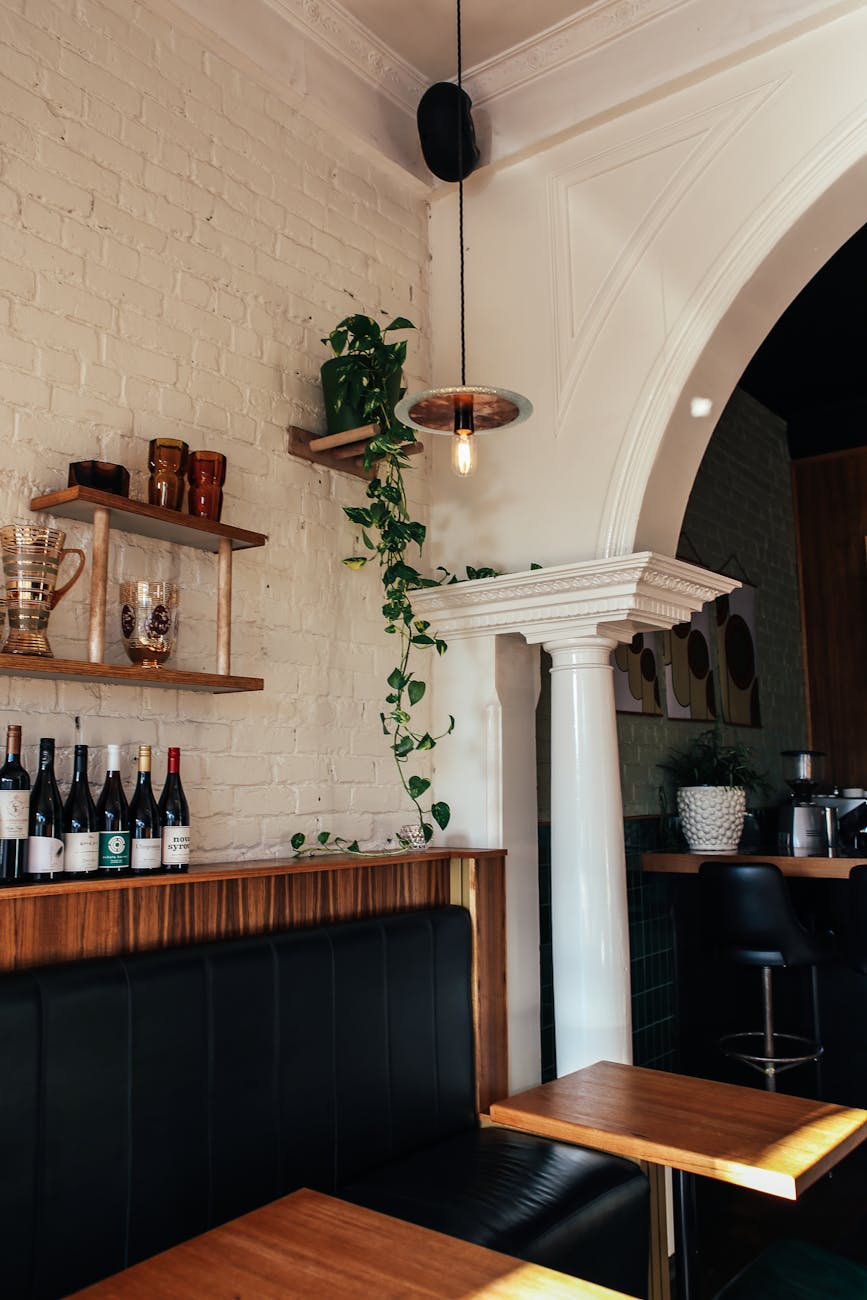
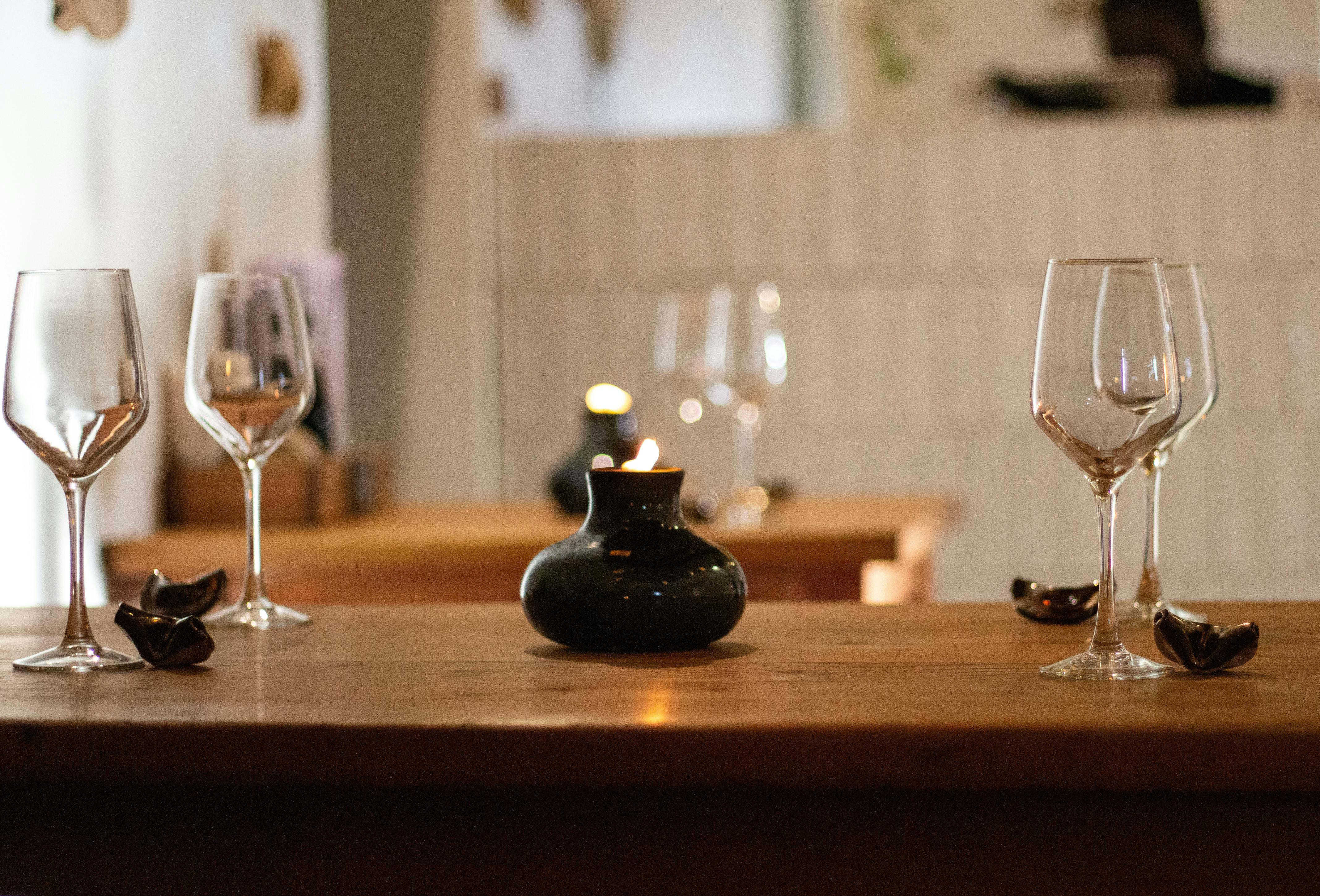
The spell starts at the door. A shift in light. Some textured wall your fingers briefly consider, then leave alone. A table set for money, romance, apology, gossip, maybe all of them at once. Food still matters, obviously. I am not ready to join the people who think they can live on lighting and a neatly cut banquette. By then, though, the room has already got a start on the kitchen.
Broadsheet’s latest look at four design-led Melbourne restaurants crystallised that for me. Yiaga, Yūgen Dining, Santito and Gimlet are being discussed as places to eat, yes, but also as rooms with a point of view: architectural gestures with wine lists attached, small civic theatres where the food has to share top billing with the way the evening feels.
“Melbourne is blessed with plenty of bars and restaurants with awesome architecture.”
Scott Renton, Broadsheet
Renton’s line sounds like a compliment tossed off over a drink. It is also a market diagnosis. In a city where new openings arrive faster than most of us can book, the dining room has become part of the product. Some nights, it is the pitch.
The room gets there first
Before the menu arrives, there is that strange minute of adjustment. You are sitting with your coat still half on, trying not to stare too obviously at the ceiling, the tiles, the next table, the person across from you who has suddenly become better lit. Already, the restaurant is telling you what kind of night this is supposed to be.
Inside Yiaga, the message is almost literal. Chef Hugh Allen’s East Melbourne restaurant sits in a John Wardle-designed room with 13,000 custom ridged ochre tiles, a number so excessive it becomes funny, then persuasive. The tiles are not garnish. ArchitectureAu’s account of Yiaga treats the room as an authored piece of work: surface, compression, warm pressure. You can imagine the food arriving into that palette rather than merely beside it.
Yūgen Dining makes the same case from the other direction. In Architects EAT’s subterranean room, the drama is vertical, almost underworld-ish; dinner feels like a descent. Not cosy. Not exactly glamorous either. More like being briefly removed from the ordinary city and dropped somewhere edited, dimmed and expensive.
To a venue designer, this is not vanity. It is hospitality before the plate. A room can slow a table down, make a date feel consequential, convince a client dinner has become an occasion. It can flatter. It can make you sit up straighter. Some of the work is done while the kitchen is still firing entrées.
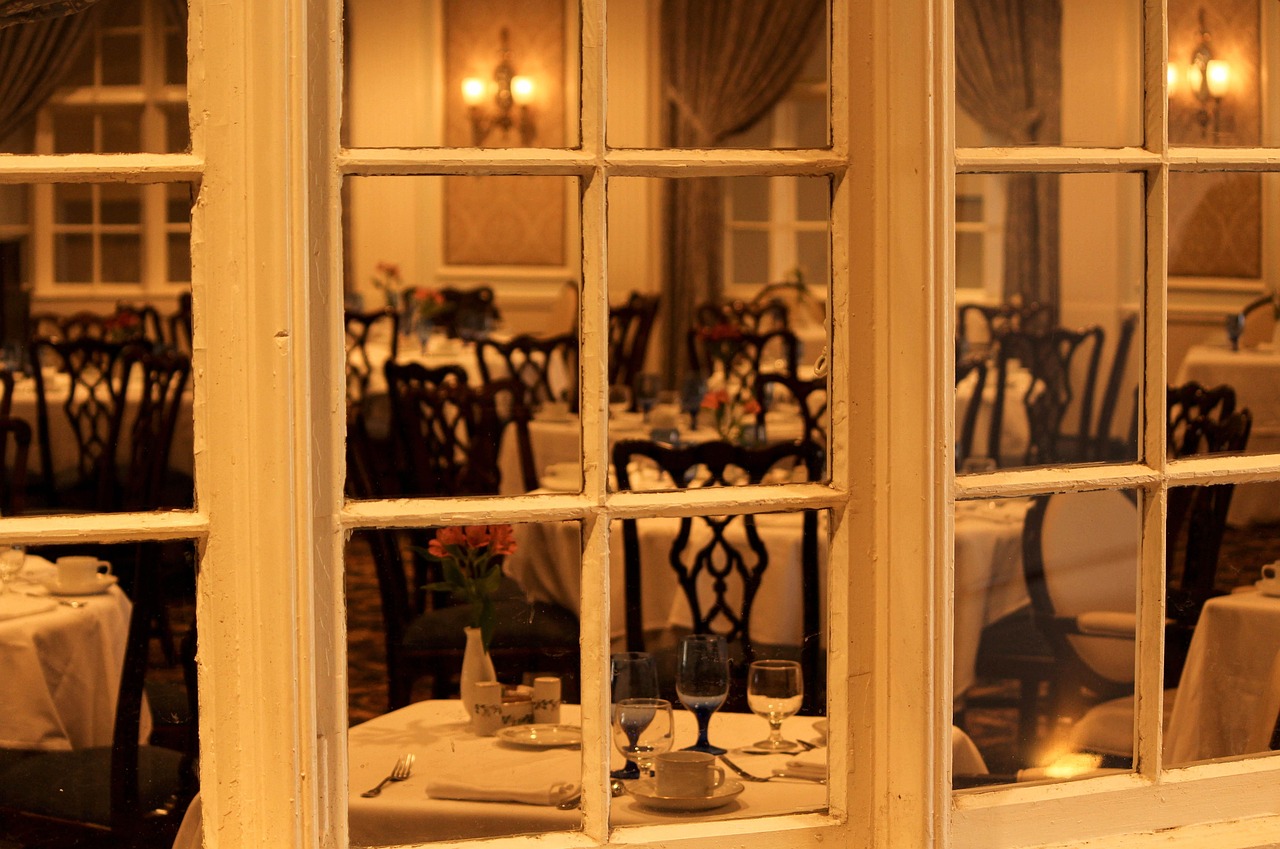
Gimlet understands a different old Melbourne trick: making nostalgia feel freshly laundered. Andrew McConnell’s Cavendish House dining room does not need to shout about architecture because the whole place runs on a fantasy of continuity, the city as it might have been if everyone dressed better and ordered oysters without checking their bank balance first.
A city hungry for rooms
Maybe the change is not that restaurants suddenly care about design. Melbourne has cared for ages. The shift is that diners are being invited to choose the room as consciously as the cuisine, and coverage keeps following them there.

Here, the design conversation starts leaking out of hospitality and into the rest of the house. The 2026 Australian Interior Design Awards shortlist had a record 226 projects, with 41 hospitality venues in the mix. Homes To Love’s coverage of the 2026 Dulux Colour Awards framed Australian interiors as moving away from safe white walls and towards mood, colour and saturation. Restaurants sit inside that same appetite. We want rooms that tell us what to feel, or at least give us permission to feel it.
I might be overstating it. There is always a danger, in food writing, of treating everyone else’s dinner as a symptom of civilisation. Still, design-led openings keep being described in the language of experience rather than service. Gourmet Traveller’s recent guide to Melbourne restaurants reads as much like a map of moods as a hierarchy of kitchens: the room, the light, the pace, the kind of person you briefly become while sitting there. Even the Guardian’s piece on Melbourne’s record-store culture notes Merivale opening LBs Record Bar as its first Melbourne venue, which is not strictly restaurant design, but says plenty about hospitality borrowing the props of culture to make a room feel chosen.
So the phrase “best-designed restaurants” feels too modest. These rooms are built to interrupt the home-dinner economy, to prise us off the couch after a week of $19 takeaway noodles, supermarket pasta and streaming-service fatigue. They have to make leaving the house feel rational again.
Harder than it sounds. Melbourne diners are loyal, but not sentimental. We like beauty. We also like somewhere that remembers our drink, charges fairly for bread and does not make a Tuesday night feel like a brand activation.
The bill for atmosphere
Then came the counterpoint, brutally, in the same news cycle. Miznon’s Collingwood outpost closed after two years, with The Age reporting the owners’ blunt assessment of the experiment.

“We gave it our best, and it did not work out.”
Miznon owners, via The Age
Every beautiful restaurant lives under that sentence. A room can seduce the first visit. It cannot guarantee the second. Novelty fades, rents do not, and a suburb eventually decides whether a venue belongs to its rhythm or merely photographs well inside it.
This sceptic’s read matters because the design discourse can get drunk on its own adjectives. A restaurant is not an installation. It has rosters, breakages, no-shows, Mondays, neighbours, regulars and staff walking through the same lovely room on their tenth hour. A tiled wall cannot fix a misjudged price point. A sunken dining room will not save a menu that never finds its people.
Still, I do not read Miznon’s closure as an argument against atmosphere. More like a reminder that atmosphere has to be attached to fit. Strong rooms do more than impress. They understand where they are. They give locals a reason to return after the Instagram heat has cooled.
That is the less glamorous test, and probably the truer one. Can the room survive being ordinary? Can it hold a quick dinner, a tired Thursday, a couple saying almost nothing to each other, and not just the opening-month crowd leaning back for a photo?
After the first gasp
The strongest Melbourne dining rooms, to me, are the ones that keep working after the first little gasp. They do not reveal everything at once. They let you notice the joinery near the pass on the second visit, the colour of the wall when the table turns at 9pm, the way sound behaves when the room is full but not frantic.

At that point, the insider and the market analyst finally meet. Designers may talk about material, proportion and circulation. Editors may talk about openings, shortlists and where to book. Diners, less elegantly, ask whether the night felt worth it. All three are asking versions of the same question: did the room make the meal larger than the food?
Broadsheet’s roundup includes only four venues, but the mood it catches is wider than a hot list. Melbourne’s best-designed restaurants are selling permission. Permission to make dinner an event again. Permission to spend too much on a night with shape. Permission to sit inside someone else’s carefully built fantasy and call it research, romance, work or hunger, depending on who is paying.
I am less convinced by rooms that announce their seriousness before anyone has eaten. You know the type: every surface expensive, every chair vaguely hostile, the lighting set to make your companion look like a minor European aristocrat but your steak look like evidence. That is not atmosphere. That is stage fright with a beverage programme.
Quieter rooms usually hold me longer. Yiaga’s clay warmth. Yūgen’s underworld drama. Gimlet’s polished old-city confidence. It is not a list of places to tick off, and it is not proof that design can rescue the brutal arithmetic of hospitality. More a sign of what Melbourne wants when it goes out now.
Dinner, yes. But also transformation. A room that takes your coat, dims the week, and lets you pretend for two hours that the city was built for this exact table.

The Lifestyle Desires brief
Style, food, travel and wellbeing — weekly in your inbox.
Subscribe