Why our kitchens keep borrowing from restaurants
Restaurant-inspired kitchens are showing up across Australian renovations as homeowners chase warmer light, better flow and rooms built for company.
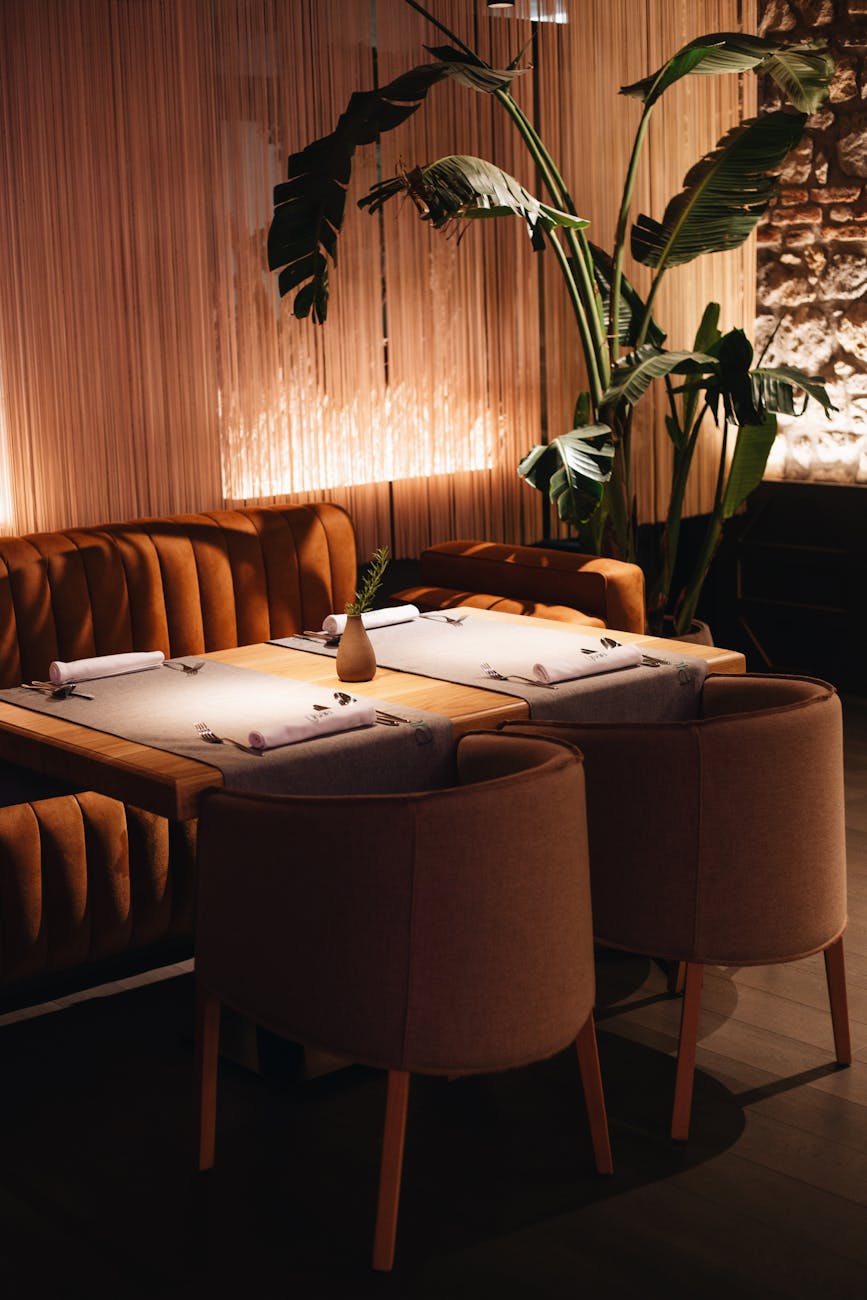
The room I keep thinking about has the light turned low before anyone has ordered. A stack of plates sits just inside the pass. The timber under your hand is a little marked up — not distressed, just used. Someone is polishing glasses in the corner, and the whole place feels ready rather than pristine. I have sat in restaurants like that all over Australia and come away thinking less about the menu than the room itself, the way it seems to understand how people actually want to gather.
That mood has started turning up in home kitchens. Not in the obvious, themed way, thank God. Not chrome splashbacks and bistro signage. I mean the subtler restaurant cues that make a space feel social instead of merely efficient: a banquette that pulls bodies closer together, softer pools of light, shelving that shows the things you use, a bench that behaves like a place to land rather than a monument to stone.
A cooler reading says this is just another interiors cycle, one more way of dressing aspiration up as intimacy. The analyst’s question is fair. Are Australians really redesigning their kitchens around how they cook and host, or are we borrowing the look of hospitality because it now signals warmth, taste and a certain kind of urban ease? I suspect both things are true, and that tension is what makes the trend worth watching.
The emotional part is harder to dismiss. Australian homes have been asked to do more than they used to, and the kitchen has copped the biggest promotion of all. Feed people, absorb them, calm them a bit and stay standing through the cleanup — the room now has to do all of it. No wonder homeowners are studying spaces that already know how to do exactly that.
Before the plates arrive
The thing homes steal from restaurants begins before food appears. Sequence, mostly. You walk in, clock the lighting, understand where to put your bag, and instinctively know where conversation will settle. In a good house, the kitchen can do that too. The room tells you where the evening is headed.
In Domain’s reporting on restaurant ideas moving into residential kitchens, Wardle Studio associate principal Chloe Lanser argues the crossover works when hospitality design is translated rather than copied. Her point lands because it is about feeling, not theme.
“Experiential hospitality translates really well to houses.”
Chloe Lanser, Domain
Lanser’s question is the right one: what actually comes across the threshold? Not everything. The parts that do are spatial. Better sightlines. Places to perch. Lighting that falls in layers instead of one hard wash from the ceiling. In Habitus’s look at Elsternwick House, the kitchen reads like part workshop, part dining room, with enough warmth in the joinery and enough openness around the bench that cooking does not exile the person doing it. That, to me, is the real restaurant influence. Not glamour. Choreography.
The bench becomes a stage
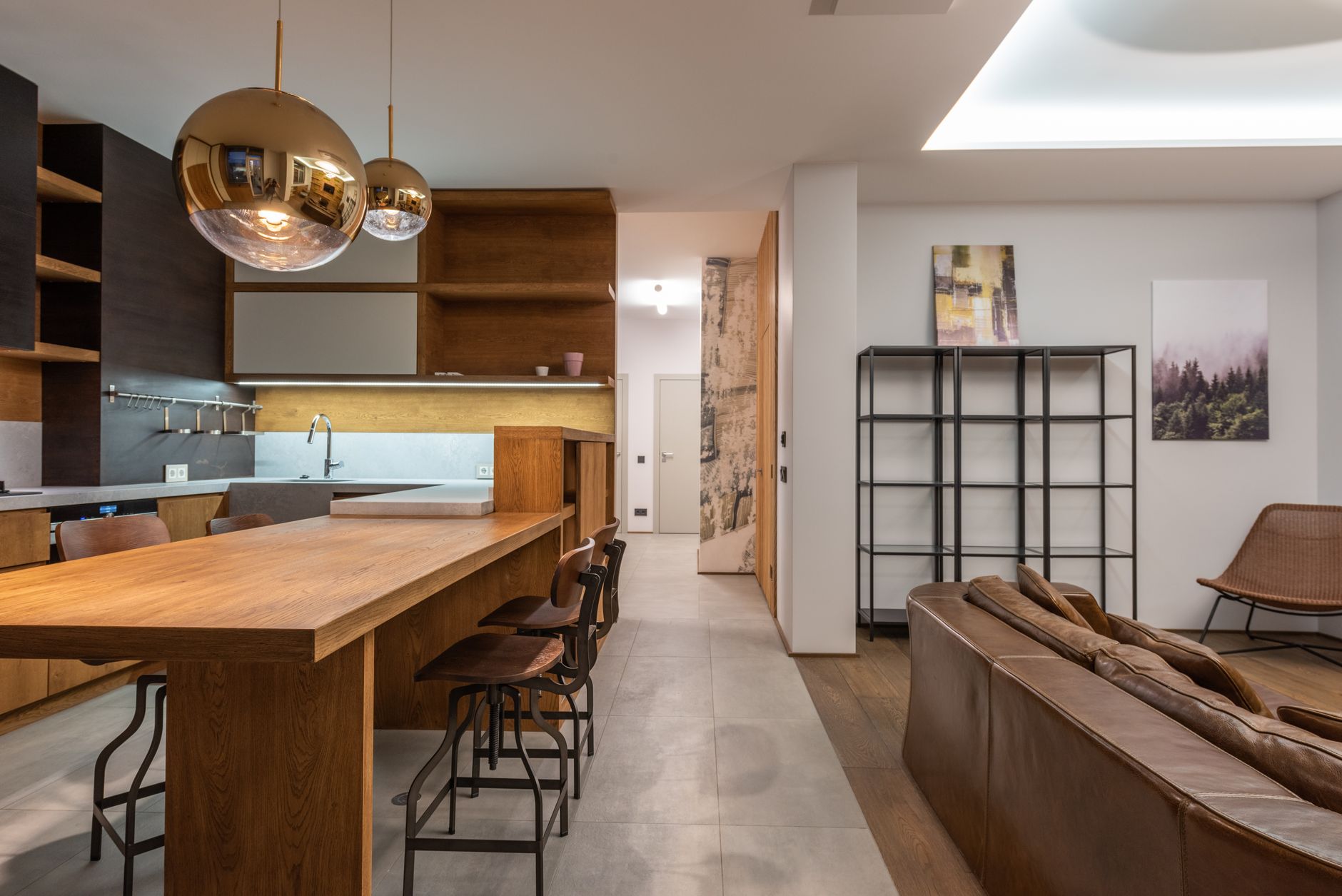
What restaurants understand, and many old display-home kitchens never did, is that the host is usually mid-task. Opening wine. Slicing bread. Hunting for the good salt. The space has to flatter motion, not freeze it. A kitchen island can do that, but so can a thick timber table, a return bench, or a banquette that keeps other people in the orbit of the cook instead of banishing them to another zone.

Back in the same Domain piece, interior architect CJ Wright talks about kitchens that let the host stay conscious and present while entertaining. That is not a small shift. For years, plenty of Australian renovations treated the kitchen as a high-spec machine with a social facade. Wright is describing something softer and, frankly, more useful.
“You can act consciously and be present as a host while you’re entertaining”
CJ Wright, Domain
The user-affected version of this story is easy to recognise if you have ever cooked for friends while half your body faced the sink. The rooms people remember are not always the largest ones. They are the ones that let conversation keep moving while somebody slices citrus or tops up a bowl. In Homes to Love’s look inside Palisa Anderson’s Byron Bay kitchen, the appeal is not sterile perfection. Ease is the word. The room looks inhabited, set up for feeding people, and alive to the mess that comes with that.
Warmth is not a finish
The restaurant aesthetic goes wrong as soon as it is reduced to a shopping list. A bit of timber. Some brass. A row of moody pendants. That is how you end up with a room that looks like it is auditioning for hospitality instead of learning from it. The better Australian examples feel warmer because the materials do some emotional work, yes, but also because the layout lets those materials relax.
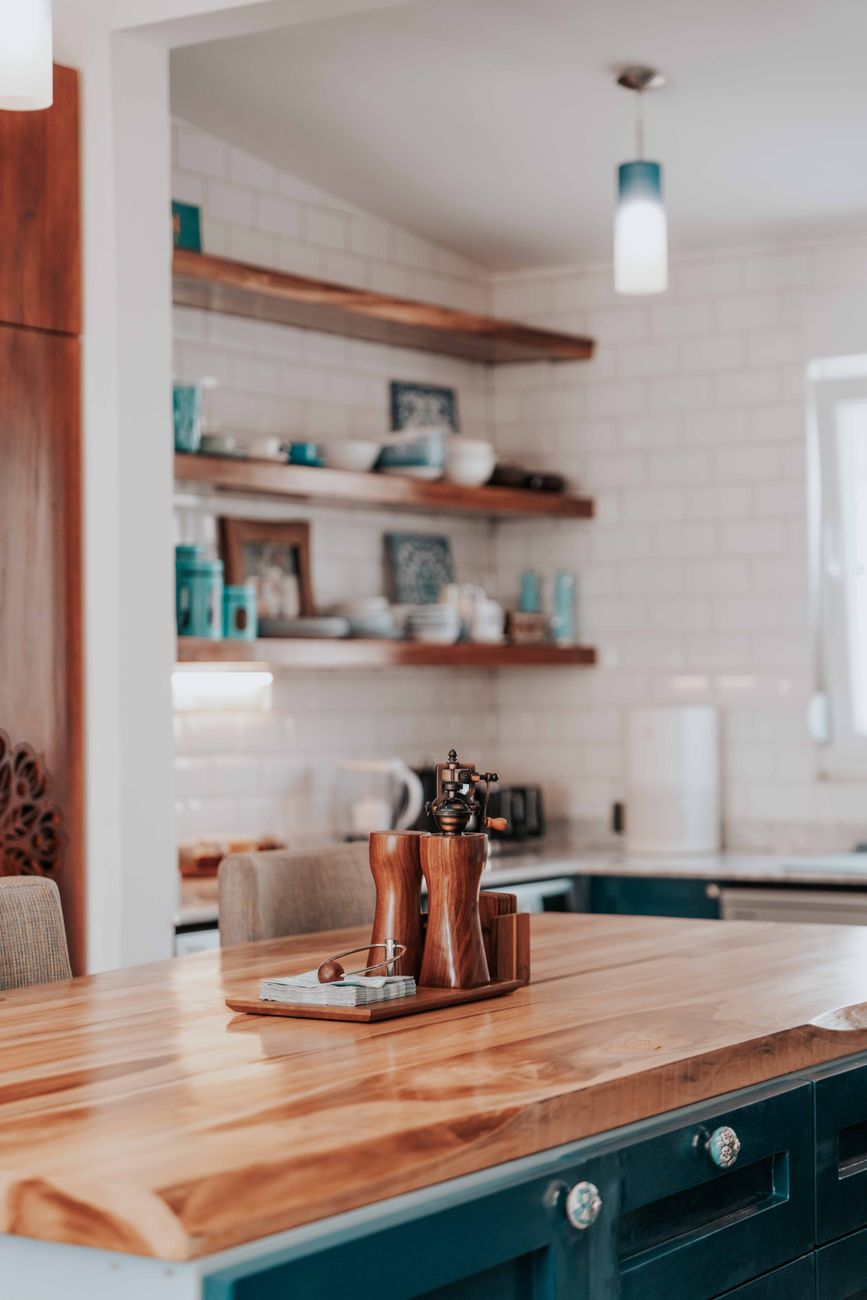
This is where the analyst’s skepticism comes back in. Warmth can be sincere, or it can be a style language for status. A stone with more movement, a handmade tile with deeper glaze, a shelf with ceramics that get used. In Specifier Source’s warm glazed kitchen retreat, the material story works because it is tied to enclosure, colour and light rather than to a single expensive surface. Persuasive as a whole, the room. It is not leaning on one luxury gesture to do all the talking.
That same resistance to showroom polish is what makes Julie Manfredi Hughes’s kitchen, via Homes to Love, so memorable. Busy in the best way. Open shelves. Equipment in view. A sense that things are being made here.
“It creates the sense of a factory at the centre of the home… like an engine room.”
Julie Manfredi Hughes, Homes to Love
I like that she does not reach for the usual luxury language. Engine room is better. Labour, noise, heat, repeat use — that is what the phrase carries. And it answers the insider question about mood and the analyst’s question about durability at the same time. A room can feel atmospheric without pretending nobody ever fried onions in it.
What still works on Tuesday
The skeptic’s question is the one every renovation should keep on the bench: what survives ordinary life? Restaurant romance is easy on Saturday night. Harder on a school morning, after a spill, with backpacks on the floor and somebody asking where the lunch containers have gone. If the trend means anything beyond image, it has to hold there.

The answer, at least in the projects and homes people keep circling back to, is that the lasting restaurant cues are practical ones. Surfaces that do not mind contact. Seating that invites people to stay, then wipes clean. Open kitchens that make cleanup visible, which sounds unromantic until you remember that visibility is part of hospitality too. Somebody clears plates. Somebody else resets the room.
You can see that practicality in the homes people keep saving and sending around. In Domain’s examples, the cook is never marooned at the far end of the bench, and in the Byron Bay kitchen at Homes to Love, warmth stays close to work surfaces instead of being staged at a safe distance. Nothing about those rooms asks you to whisper around the joinery.
I do not think Australians are chasing restaurant kitchens because they want to live inside a venue. That feels like the wrong reading. We want kitchens that know how to hold company without falling apart under the week. Rooms that can carry a dinner party, a late glass of wine, a Tuesday pasta, a child doing homework at the end of the bench. The language of design has changed because the job of the room has changed.
If there is a lesson worth stealing from the neighbourhood restaurant you keep returning to, it is not the look. It is the calm competence. The sense that somebody thought about where you would sit, where the light should land, how the conversation might move, what would happen when the plates were empty. A home kitchen that borrows that logic does not feel theatrical. Generous, is the word. And in 2026, that might actually be the renovation fantasy people mean when they say they want the house to feel warmer.

The Lifestyle Desires brief
Style, food, travel and wellbeing — weekly in your inbox.
Subscribe