The rental upgrades that survive inspection day
In a white-box rental, the smartest upgrades change light, texture and storage, then lift out cleanly before inspection day.
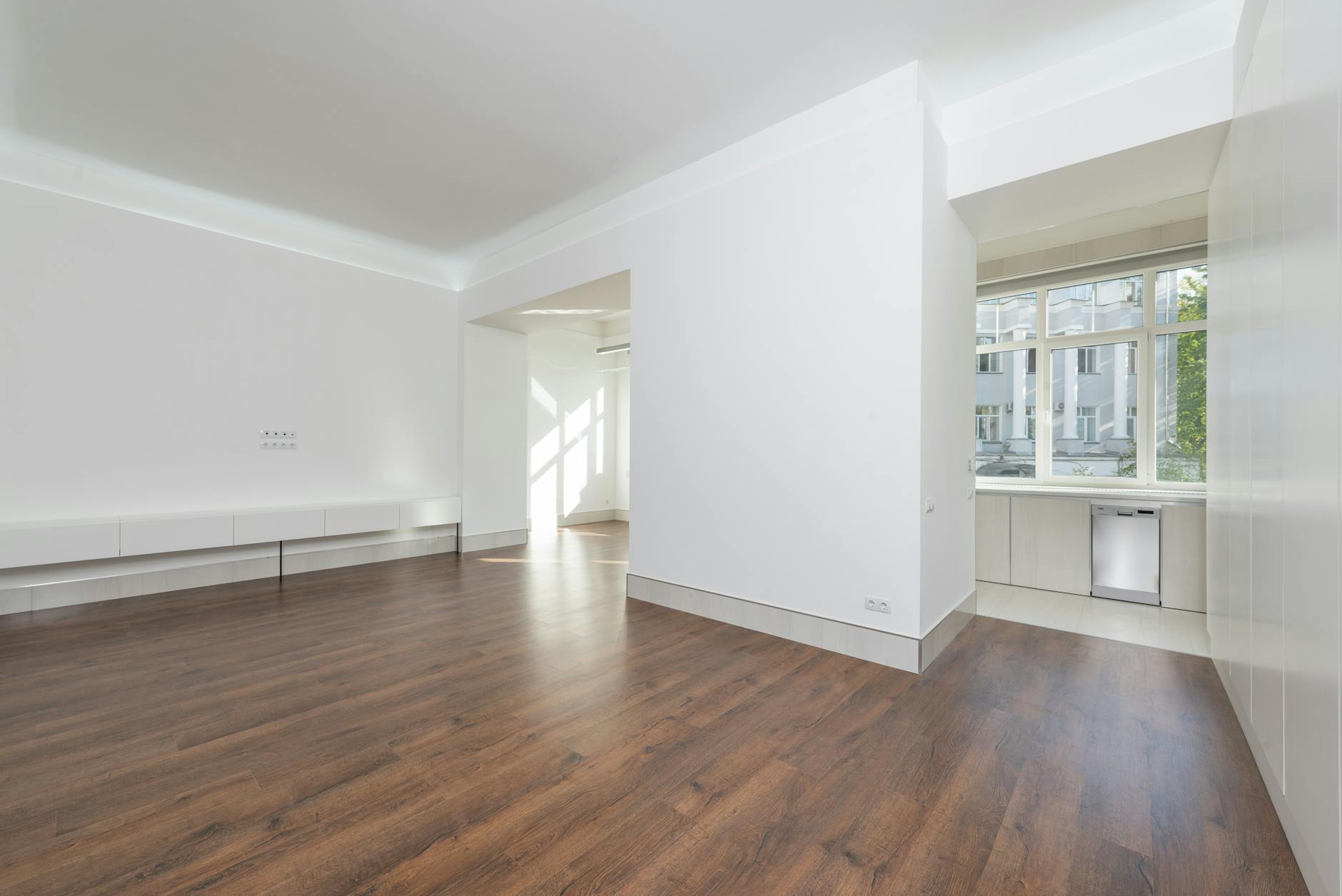
Rental inspections always make me see a room the wrong way. I stop noticing the stack of novels by the bed or the chair that catches the last strip of sun at four in the afternoon, and start noticing the landlord’s white paint, the cold ceiling globe, the sense that nothing here is meant to hold me for long. Australian rentals can do that. They flatten you a little. Still, I might be wrong to think the answer is a grand gesture. The most convincing ideas in The Design Files and The Design Basics are smaller, moodier, and easier to undo. They treat a rental less like a compromise and more like a room whose atmosphere has simply been left unfinished.
What I keep coming back to is how much of “custom” is really code for control. Not demolition. Not a fantasy kitchen with limestone benchtops. Control over light, and over whether the room feels generic the second you walk in. The chief trick in renter styling is that you do not need to own the shell to change the reading of it. A badly lit one-bedroom in Marrickville or Footscray can feel sharper within a weekend if the light warms, the blank wall gets a surface, and the useful objects stop looking temporary. It is a design problem, not a property problem, which is why I find the whole category more interesting than the internet’s usual rental tips language. The word cheapens it.
Good rooms ask for judgment.
Light goes first. Nearly every renter I know has tolerated that bluish overhead globe for months, sometimes years, because it feels too minor to solve. It isn’t minor. It is the room.
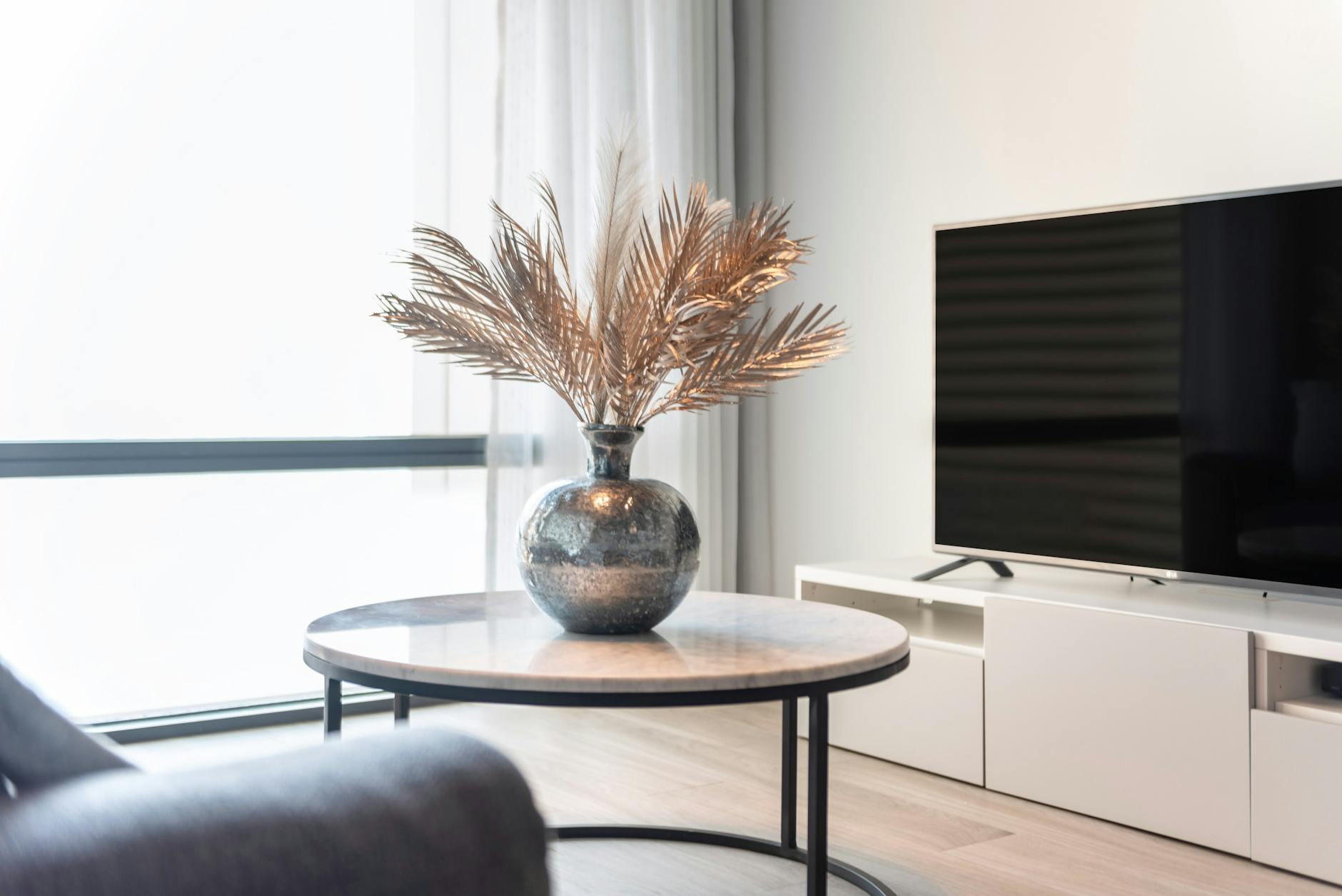
The Design Basics recommends warm-white LEDs in the 2700K to 3000K range, and I would push that advice to the front of the queue because it changes a room faster than almost anything else you can buy at the chemist on the way home. Warm light forgives white walls and settles timber in the same breath. It makes chrome taps look deliberate instead of punishing—a small mercy. Add a floor lamp near the sofa and a smaller lamp near the bed, and the place stops behaving like a display unit. You have not renovated a thing. You have only refused the landlord’s operating theatre.
Then there are the pieces that sit low and make a room look as if somebody with intent lives there. Rugs do this. A side table with a bit of age in it does. So does a proper linen bedcover, or a lamp that feels chosen rather than inherited from a share house on Facebook Marketplace. In Home Beautiful, interior stylist and renter Loui Burke puts it plainly: “I think it’s worth biting the bullet and buying those gorgeous pieces that you love”. I agree, mostly because the advice cuts against the false thrift renters are trained into. We get told not to invest in a place we do not own, then end up living for three years with polyester curtains and a bedside table that shudders when you set down a glass. The smarter investment is in pieces that move with you. A wool rug does not care who owns the skirting board.
Walls are the part renters either ignore or catastrophise. There is a dead zone between those two moods where the useful work happens. You do not need to cover every vertical surface in pattern to make the room feel personal. One panel behind a desk, a linen pinboard, a line of framed prints leaned on a picture shelf—any of these, and the whole flat begins to hold an opinion. The removable wallpaper guidance from Olive et Oriel is more technical than glamorous, which is exactly why I trust it: their panels are 48cm wide, they recommend letting fresh paint cure for 30 days, and they suggest three coats before peel-and-stick goes on. Those are fiddly numbers, but fiddly is good. Fiddly is what separates a reversible styling move from the kind of impulsive Sunday project that peels half the wall with it.
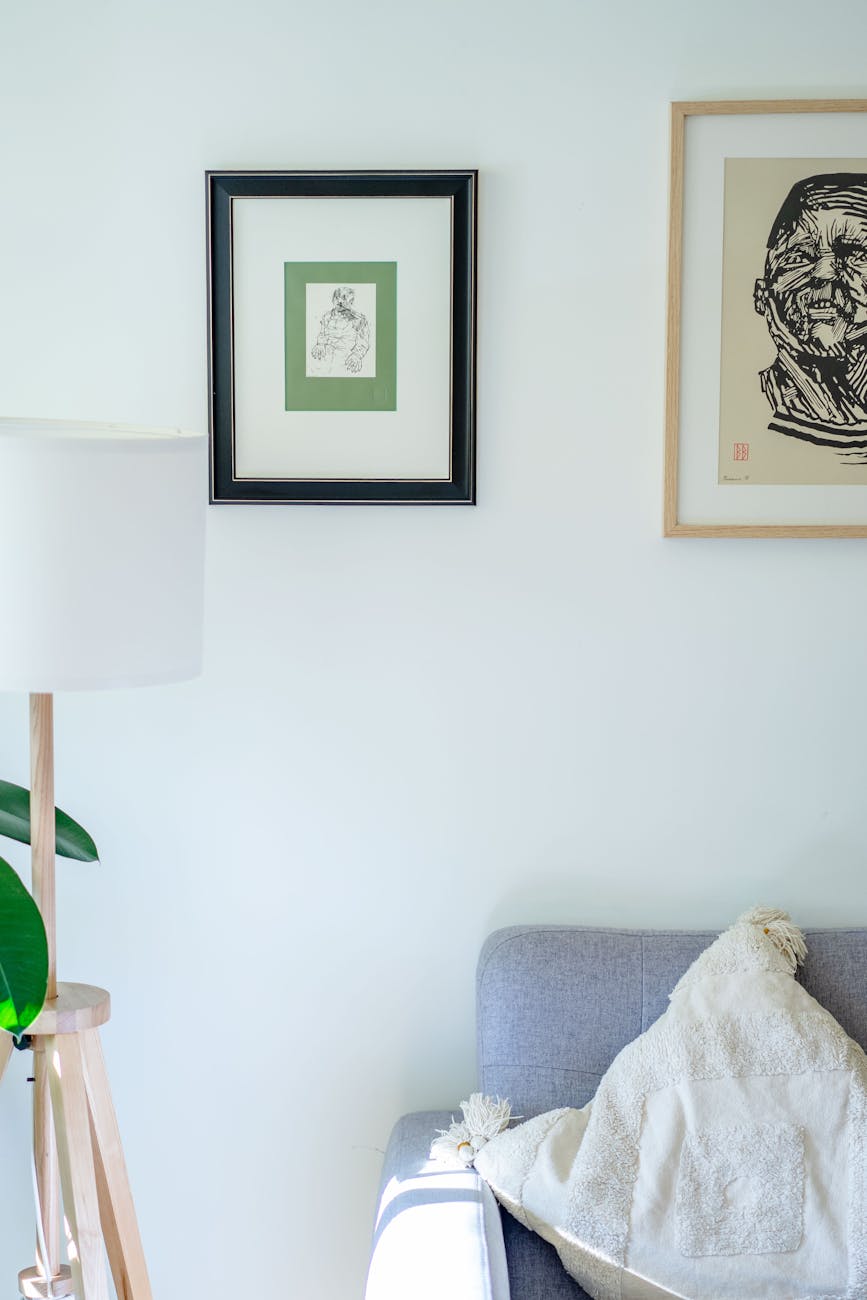
I am less convinced by the fantasy that every rental needs an accent wall. Sometimes a room is already tense enough. A narrow run of removable wallpaper inside a bookshelf recess, or behind a makeshift headboard, can do more than a whole mural competing with the ceiling fan. The same goes for art. I would rather see one oversized print leaning on a mantel that does not exist—really just the top of a low cabinet—than six apologetic A4 frames arranged like an office corridor. This is where a home writer’s taste becomes unavoidably subjective, and perhaps that is fine. Lila Beaumont is meant to have taste. Mine says rentals respond well to restraint with one hot spot. Texture on the bed. Pattern in a corner. A lamp with a slightly ridiculous shade. Enough to interrupt the default setting.
Storage is really another form of atmosphere. Clutter gets moralised in a way I have never liked, especially in small Australian apartments where the cupboards were clearly drawn by somebody who owned a detached house in 1998. Still, a room feels calmer when the practical things are gathered properly. The renter-friendly versions tend to be freestanding: a narrow shelf that turns a blank wall into a library, a trolley that makes a kitchen feel inhabited rather than improvised, a bench at the entry that catches shoes before they spill into the living room. What The Design Files gets right is that storage does not have to announce itself as storage. It can be a pretty cabinet, a rack with decent hangers, a basket you do not hate looking at. Once the room stops broadcasting admin, the decorative choices have somewhere to land.
The emotional side of this is easy to underestimate if you have not rented for a long time, or if you own and have forgotten how provisional a lease can make you feel. In ABC News, a Melbourne renter named Vince says, “It can be so hard to personalise your space and make it feel like it’s yours when renting”.
There is nothing sentimental about that. It is a blunt description of living in a room that keeps reminding you it belongs to somebody else. Which is why the best renter upgrades are not just decorative. They are acts of possession in the gentlest sense. A better lamp says I stay up reading here. A curtain hung properly says the morning light hits too hard and I’ve adjusted for my own life, not the landlord’s default. A row of hooks in the hallway can say somebody specific lives here—somebody who hangs their keys the same way every evening. That’s the point. The details accumulate until the room stops being anyone’s and becomes yours.
For me, the personal claim is also why portable pieces are more powerful than many people expect. Burke’s point about buying what you love is really a point about continuity. If you spend on the chair, the rug, the mirror, the pendant-style floor lamp, you are building a design language that survives the next move, then the one after that. Australian renting can make adults feel adolescent, always waiting for permission, always postponing the good version of their taste until later. I am wary of any advice that deepens that feeling. Better to put your money where the lease cannot trap it: into objects that travel, soften, and keep your eye company across postcodes. A rental starts to feel custom not when the joinery is bespoke, but when the room keeps recognisably becoming yours wherever you unpack it.
Then there is the legal fog, which has a way of making very ordinary changes feel illicit. The reality is slightly less bleak, although it does require the unsexy step of checking the rules in your state. The NSW Government says, “A landlord cannot unreasonably refuse consent for minor changes”, and that sentence alone should calm a lot of renters who have talked themselves out of asking. The detail matters, though. Some changes need consent. Some can be done more freely. The page is so specific it even notes that installing or replacing vegetable gardens or shrubs under two metres can fall within minor changes, which tells you something useful: the law is thinking in ordinary domestic terms, not only catastrophic ones.
Victoria’s guidance is its own ecosystem, and Consumer Affairs Victoria is worth having open in another tab if you are planning anything more ambitious than swapping a bulb and bringing in a rug. I would still read the room, literally and bureaucratically.
Adhesive products behave differently on old paint. Heritage blocks can be fussy. Some agents are brisk but reasonable; others develop theological objections to blu-tack. So the smartest renter-friendly upgrades are the ones that satisfy two tests at once. They materially improve daily life, and they reverse without drama. Warm light passes that test. Portable storage does. Art that leans rather than drills often does. Removable wallpaper can, if the surface is ready and your appetite for patience is better than mine usually is.
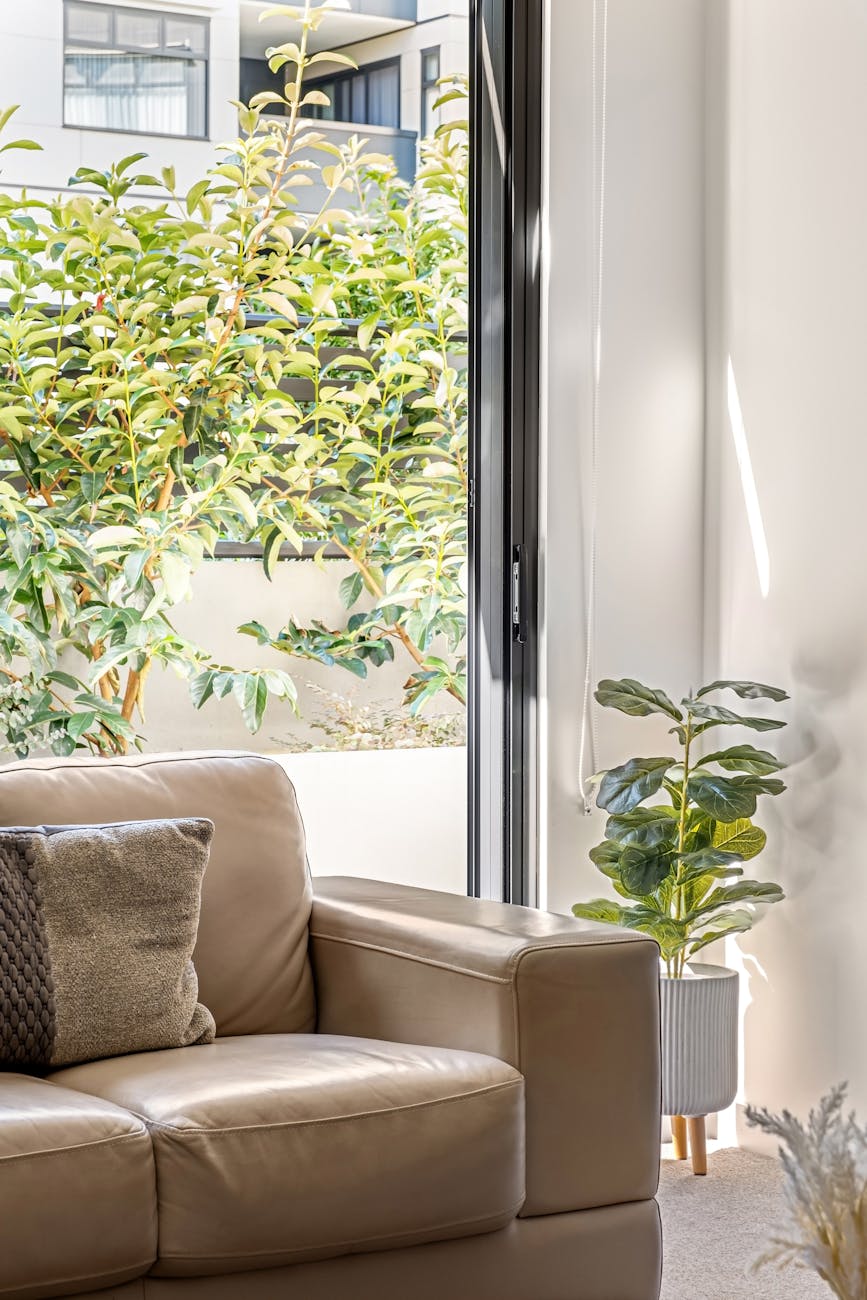
Maybe the real divide is simpler: reversible versus extractive. Extractive upgrades ask the property to become something else entirely. Reversible ones work with the bones that are there and sharpen the mood. You accept the bland rental kitchen, then put a lamp in the adjacent room so the eye falls somewhere kinder. You accept the landlord carpet—nobody’s first choice—and ground it with a heavier bedcover, a better side chair, a big plant on the balcony. Wall tone arrives through fabric or peel-and-stick rather than paint. None of this is miraculous. I do not want to oversell it. A home rarely becomes yours in one cinematic reveal. It happens by accumulation, by noticing that the room has started to echo your choices back to you.
By the time inspection day comes round, the clever part is that very little of this reads as rebellion. The lamp unplugs. The rug rolls up. The shelf empties, and if you have used removable wall treatments carefully, they lift without a trace. The place can return to its blank-box setting almost indecently fast—which is part of the appeal and part of the sadness too. Still, I think there is something liberating in making a rental beautiful on purpose, even temporarily. Perhaps especially temporarily. It reminds you that good taste is not a reward for ownership. It is a daily practice. And in a country where so many adults are renting for longer than they expected, that feels less like styling advice than a small defence of ordinary life.

The Lifestyle Desires brief
Style, food, travel and wellbeing — weekly in your inbox.
Subscribe