The useful clothes in Cannes are nowhere near the carpet
The best Cannes outfits this year are the ones that can cross a hotel lobby, survive a kerb and still feel glamorous by dinner.
There is a small heartbreak built into Cannes dressing. A gown glides over the red carpet, you admire it for twelve seconds, and then the spell breaks. None of it has much to do with your life, or mine, not even the mildly unhinged fantasy version. Usually it is the jacket someone throws on afterwards that I remember. For me, the sandals linger longer than the train.
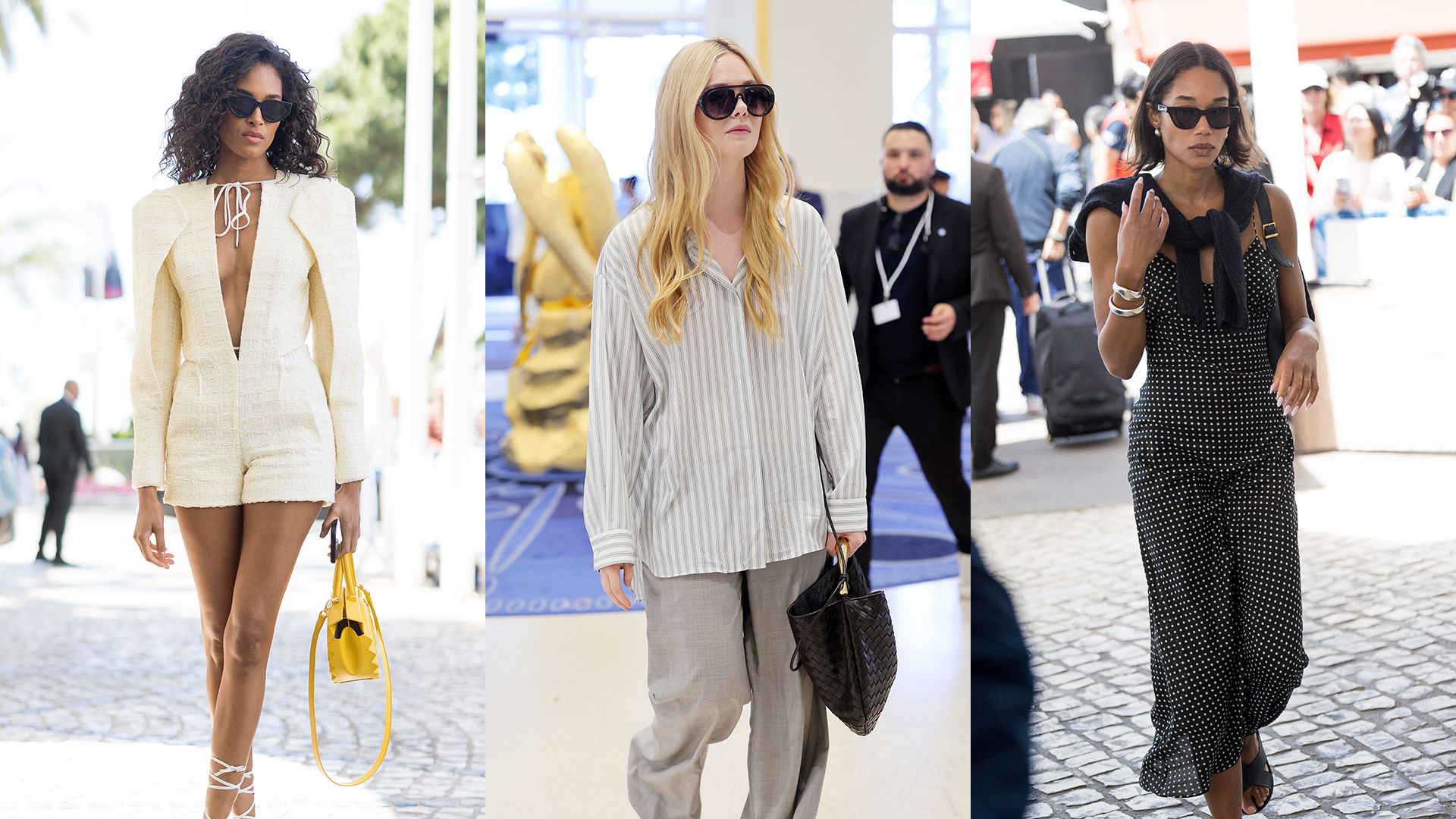
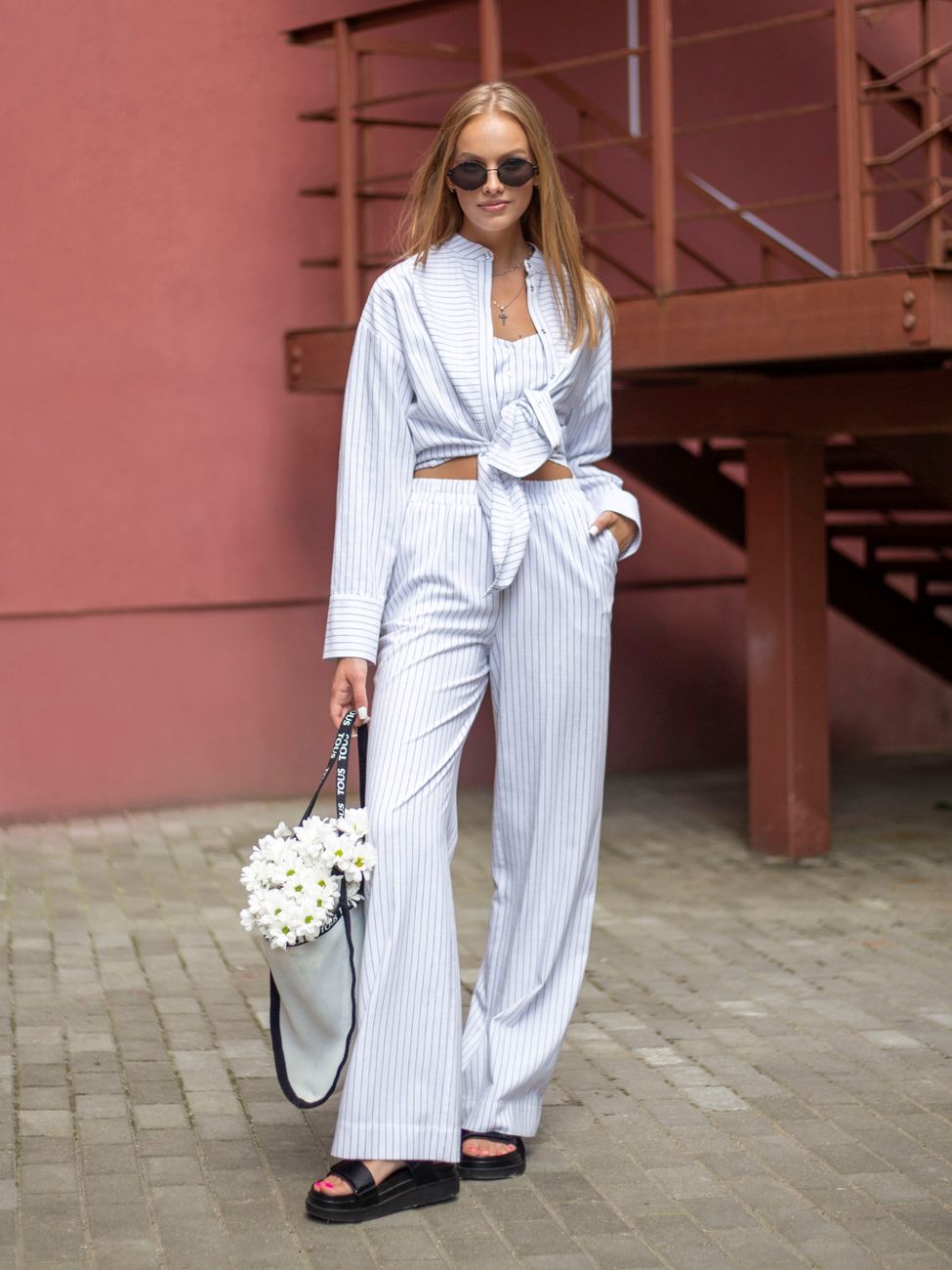
This year the gap feels especially obvious. In Vogue’s Cannes street-style roundup, the images that stick are not the carpet shots but the ones made on pavements, at hotel doors and in those slack festival hours when a person still has to walk somewhere, wait for someone, sit down. Flat shoes keep turning up. Then come the easy trousers, roomy shirts, layers that do not look frightened of daylight. I get the appeal. If you want glamour that can last a whole day, this is where it starts.
By the third paragraph, though, the sceptic in me pipes up. Cannes is still Cannes. Even the supposedly candid bits are staged, watched and circulated within an inch of their life. Reuters reported last year that the festival changed its dress code less than 24 hours before opening night, forcing late outfit swaps and restating that “nudity is not allowed on the red carpet”. When the official stage is managed that tightly, the pavement outside it starts to carry a different charge. Not honesty. Something messier. Maybe practicality. Maybe movement. A person dressing for a long day instead of one staircase.
The shoes tell the truth
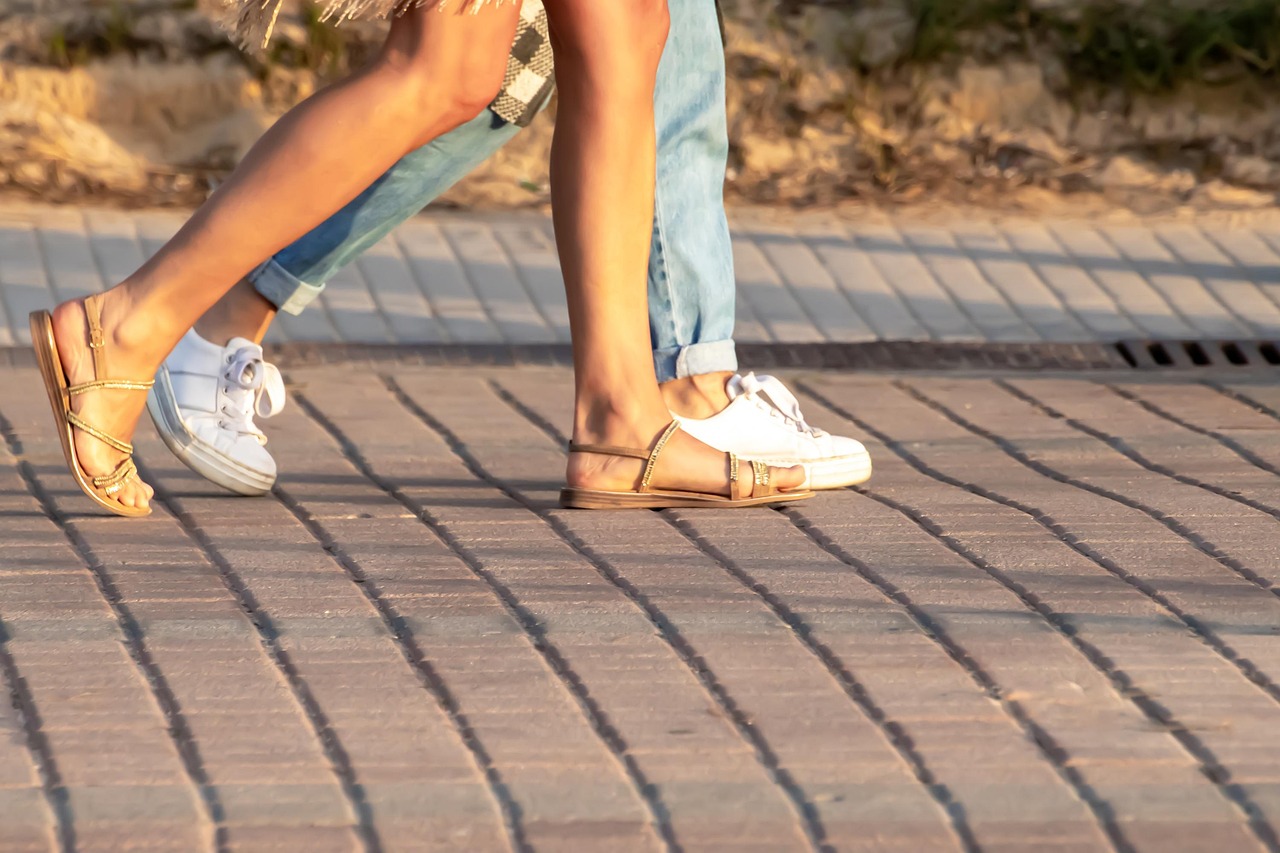
Mostly, I notice the shoes first in good Cannes street style. They signal a refusal of fantasy footwear. A flat sandal. A low mule. Sometimes just a shoe that does not need to be ferried from car to kerb. To me, that is not anti-fashion. It is fashion pared back to the part that proves whether the rest of the look can hold up.

The Vogue piece more or less says that plainly. Their line is that “off-duty looks are always where we gravitate our focus.” Fashion-person confession, yes, but also a service to the reader. Real taste is not tested in a fitting. It shows up in a queue, on cobblestones, in a hotel lobby when you have been up since 6am and still have dinner to get through.
“off-duty looks are always where we gravitate our focus.”
— Vogue
For Australian readers, especially now, when every shop seems determined to bully you back into a heel the second the temperature drops, that feels genuinely useful. Cannes dressing at street level keeps arguing for clothes with a little air in them: oversized shirting, a trench worn open, trousers cut to skim rather than grip. The glamour comes from editing, not complication. Once a look seems to need a team, I lose interest.
Here, the basics are doing a specific job. They take the language of resort glamour and drag it back towards ordinary life. Suddenly a white shirt reads evening-adjacent because the sunglasses are right. Elsewhere a black sandal looks sharper because everything above it stays spare. That lesson beats “buy the expensive thing”. It has more to do with proportion, mood and nerve.
Bella makes the code legible
One reason Bella Hadid’s Cannes history keeps getting used as shorthand for the whole festival is that she understands the code well enough to carry it between settings. Carpet, yacht, hotel entrance, car door. The grammar barely changes.
Beauty is beside the point. In Vogue’s broader Cannes coverage, movie-star glamour is polished so hard it starts to feel sealed off. By comparison, the off-duty pictures of Bella Hadid, Demi Moore and Julianne Moore have a bit of scrape to them. They are less about occasion and more about fluency. I can imagine the same formula working in Sydney, Melbourne or over a damp lunch in Carlton with only a few edits.
Here is where the insider and analyst readings meet. The insider wants clothes that can move through a day without losing their line. The analyst wants to know why the same silhouettes keep bobbing back up. My answer, for what it’s worth, is that festival street style works when it looks lightly packed rather than heavily assembled. A shirt with the sleeves shoved up. Dark glasses doing half the work. Tailoring that skims the body instead of narrating it.
Maybe that sounds mildly brutal, but off-duty style only looks effortless after somebody has edited it hard. Bella Hadid has been such an effective Cannes figure for that reason. She is not casual; the trick is that the choices look reduced to the point where they can travel. If red-carpet dressing is about arrival, her best day looks are about continuity.
The 1990s never really left
Another question, the analyst’s one, is why these festival wardrobes keep circling back to the 1990s. Part of the answer sits in Vogue’s recent piece on 90s sandal trends. It traces the return of strappy sandals, flip-flops and pared-back mules without pretending any of it is new. What keeps those shapes modern is the space they leave around the body. They do not over-explain themselves.

Seen from here, Cannes street style feels fresher than the carpet right now. The carpet has been pushed towards compliance. It has rules, optics and a very narrow window in which to make an impression. Meanwhile, the off-duty looks can afford to be less literal. A 1990s-minded sandal with a long trouser says more about taste than a gown trying much too hard to say everything at once.
A second clue sits in coverage of Bella Hadid’s vintage Cannes streak. Vintage, when it works, does not look nostalgic. It looks selective. One precise reference, one clean shoe, a silhouette that does not need extra decoration to read as expensive. That is a very different proposition from archival dressing as museum theatre. It lands closer to the way real women build wardrobes: piece by piece, keeping the parts that still spark.
For an Australian reader, this is the point where the argument clicks. Our best style stories are rarely about full fantasy. They are about adaptation. How do you make polish feel liveable? How do you smuggle a little glamour into a weekday without turning yourself into an event? Oddly, Cannes becomes useful when it stops performing aspiration and starts behaving like a wardrobe lab.
The pavement is still a stage
Still, I think the sceptic deserves the last serious word, because street style, even at its best, is still a performance. The Guardian’s Cannes sidelines photo essay gets at that more cleanly than most glossy packages do. Sonia Reveyaz, the photographer, does not pretend the festival’s outer ring is pure. She says what it is.

“It’s flashy, jazzy, tacky, it’s jet set, totally.”
— Sonia Reveyaz, The Guardian
That line lands for me because it stops the whole argument tipping into smug minimalism. Cannes street style is not morally better than the red carpet. It is not more real in any pure sense. It is just more revealing. The carpet shows the industry dressing for judgement. The pavement shows the same people juggling vanity, weather, comfort, time, photographers and their own habits all at once. Messier, yes. More instructive too.
More than the carpet itself, I keep coming back to the festival’s two-week sprawl. Over that span, nobody can live inside a costume without the seams beginning to show. Even the most polished women still need coffee. They still need to cross the road. They still need to get in and out of cars without causing an incident. That is when style stops being a single image and turns into a system. Which shoes travel. Which shirt survives creasing. Which pair of sunglasses rescues the whole thing.
Yes, the red carpet still has its uses. For fashion, it provides a spectacle to push against. It gives designers scale, colour and a chance to test appetite. I am not campaigning for the death of the gown. I just think the more interesting information now sits slightly off to the side, where glamour has to bargain with reality.
My practical lesson from Cannes this year is not really about celebrity. Often the chicest version of glamour is the one that leaves a little room around the body and a little time inside the day. A flat shoe. A shirt with some drift in it. Tailoring that does not panic. Not less dressy, exactly. Just less convinced that spectacle and style are the same thing.
That, to me, is where taste still lives.

The Lifestyle Desires brief
Style, food, travel and wellbeing — weekly in your inbox.
Subscribe