Three days from sketch to Shein
A Melbourne designer finds her own dress on Shein for $18, four colourways, days after she posted the tech pack to Instagram. The numbers, the lawsuits, and what it means to make things slowly in 2026.
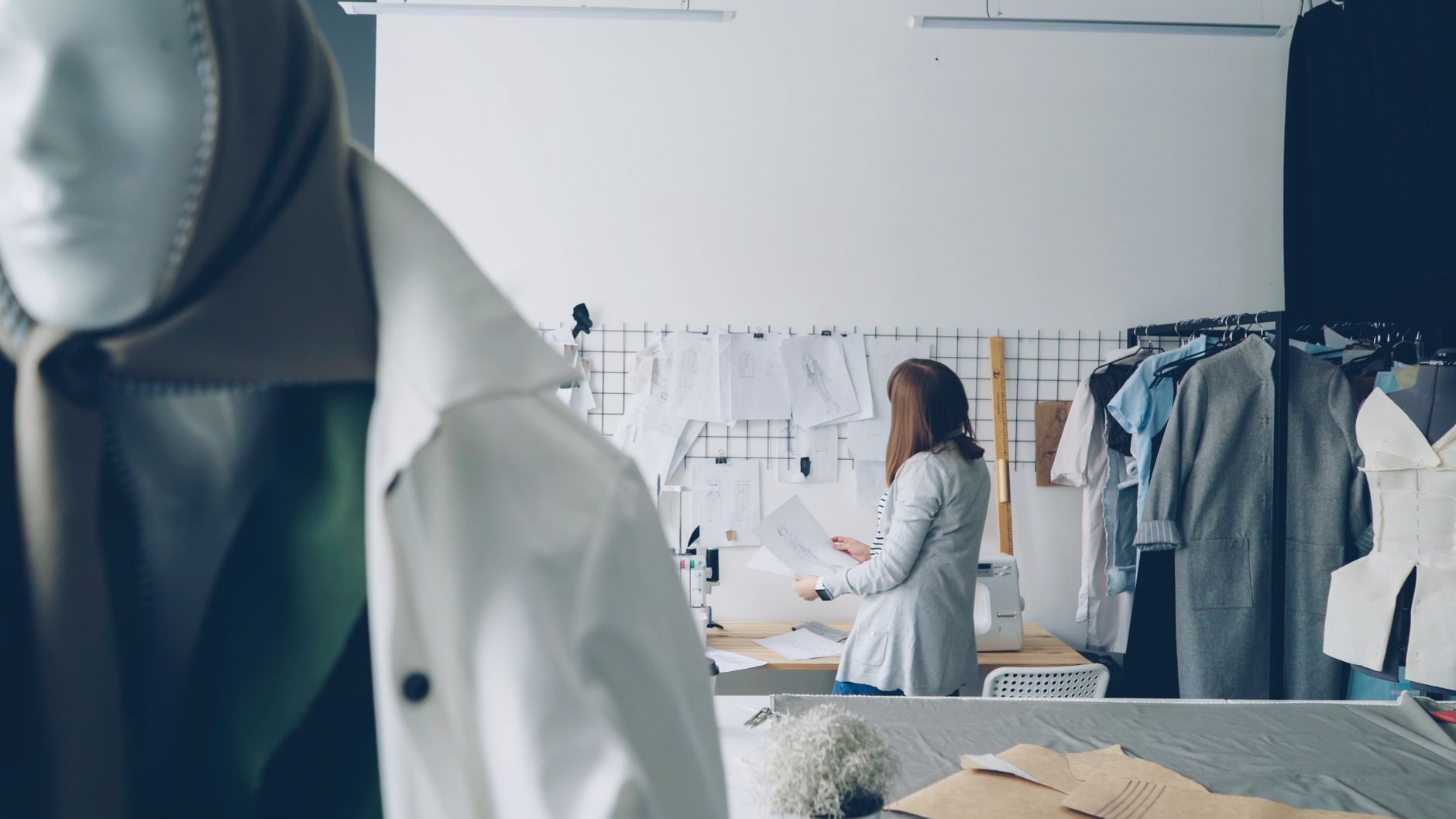
A design graduate showed me a screenshot of her own garment, listed on Shein at $18. The tech pack had been up on Instagram for feedback from peers. Three weeks before her first production run. Tuesday was the post. Friday it was for sale in four colourways.
The speed is what gets you. Shein goes from detection to production to checkout in under seventy-two hours. An Australian independent label using local manufacturers on minimum order quantities might take four to six weeks between sampling and delivery. The gap between those two timelines is where the damage happens.
I called Melbourne fashion designer Klaudia Burzynska about this. She has watched her original designs appear on the fast-fashion platform with depressing regularity. She filed takedown notices for a while. Chased customer service threads. Emails that looped back to nothing. At some point she stopped. She compared it to emptying the ocean with a teacup.
“Gut wrenching” is how she described it to the ABC when the story broke. The kind of feeling that makes you question whether starting a label in Australia in 2026 makes any sense at all.
And she is not alone.
Last June, a Melbourne label that launched in November, found its Hamilton Set copied within weeks of its debut. The company posted about it on social media, the way small brands now do. A public accusation, a digital paper trail, and nothing that would make a difference before next season.
Two years ago the conversation was about whether Shein was actually copying local labels. That debate is over. Now it is about what to do when the legal and commercial systems offer no meaningful protection. Some designers have formed informal mutual aid networks, sharing screenshots of copies they find and warning each other when a new batch of dupes appears. Others have stopped checking. It hurts too much to see your work reduced to a $12 listing with the wrong fabric and crooked seams.
Shein lists up to ten thousand new items every single day. The business is valued at roughly $45 billion. In multiple lawsuits, plaintiffs have alleged the company uses proprietary AI to continuously scan social media, designer portfolios and competitor sites for trending designs, then routes those designs to factories with what one class action complaint described as “no human intermediary or compliance function” checking whether the work belongs to someone else.
A design can travel from runway to AI detection to factory to marketplace within seventy-two hours. The algorithm identifies what is trending, creates merchandise and offers it for sale. No human designer is involved at any stage. Court filings allege this is the business model, not a glitch.
At time of writing, Shein faces more than fifty active IP lawsuits globally. In the United States, independent designers sued under RICO, alleging Shein’s corporate structure was designed to obscure accountability. A federal judge refused to dismiss the claims in November 2024. The case settled in September 2025 on undisclosed terms.
Ten thousand items a day. That is more than most Australian labels produce in a decade. Shein does not design any of them. It algorithms them. The verb does not exist yet but the process does: scrape, detect, route, manufacture, list, sell. Repeat before the original designer has finished her coffee.
Here in Australia, the legal front is narrower.
Sabo Skirt, a Queensland-based retailer, filed a federal court case in February accusing sixteen retailers including Shein, Kmart and Billy J of copying its designs. Thirty-six patterns, prints or sketches have been duplicated. The brand claims the defendants sold copies at lower quality and reduced prices, damaging sales and reputation. One of the most sweeping design protection cases an Australian retailer has ever brought.
Shein previously settled with Sabo over allegations it copied a dress featuring red scalloped tiles on a white background with flowers, grapes and pears. The dress had a V-split neckline and waist cutouts. The settlement was supposed to end it. Sabo now alleges Shein is still selling the same dress.
Shein told the ABC it takes such claims seriously and that infringing others’ intellectual property is “not our business model.” Kmart had not commented.
I have been watching this story across two conversations in Australian fashion. The first is the public one. Runways, showrooms, the thirtieth Australian Fashion Week at the Museum of Contemporary Art. A record First Nations slate. A Vogue Vintage Market debut. A leaner local line-up reflecting a brutal year for Australian labels. That conversation says we have world class design talent.
The second conversation is harder to hear. Group chats and DMs and podcast interviews where a designer’s voice catches when she finds her work on a site she cannot compete with on price, speed or legal budget. What it means to build a fashion business in a market where an AI-powered competitor can sell something indistinguishable from your work at a fraction of your cost, days after you posted a mood board.
The imbalance is brutal. A traditional independent label designs, samples, sources fabric, manufactures locally, markets and distributes. Shein observes what sells, copies it and undercuts the original. The independent label absorbs the creative cost. Shein absorbs nothing.
I do not have a tidy answer for any of this. Australian copyright law protects the expression of an idea, not the idea itself. A general silhouette or trend cannot be owned. The line between inspiration and theft has always been blurry in fashion. What is new is the speed at which one side can operate and the complete absence of human judgement.
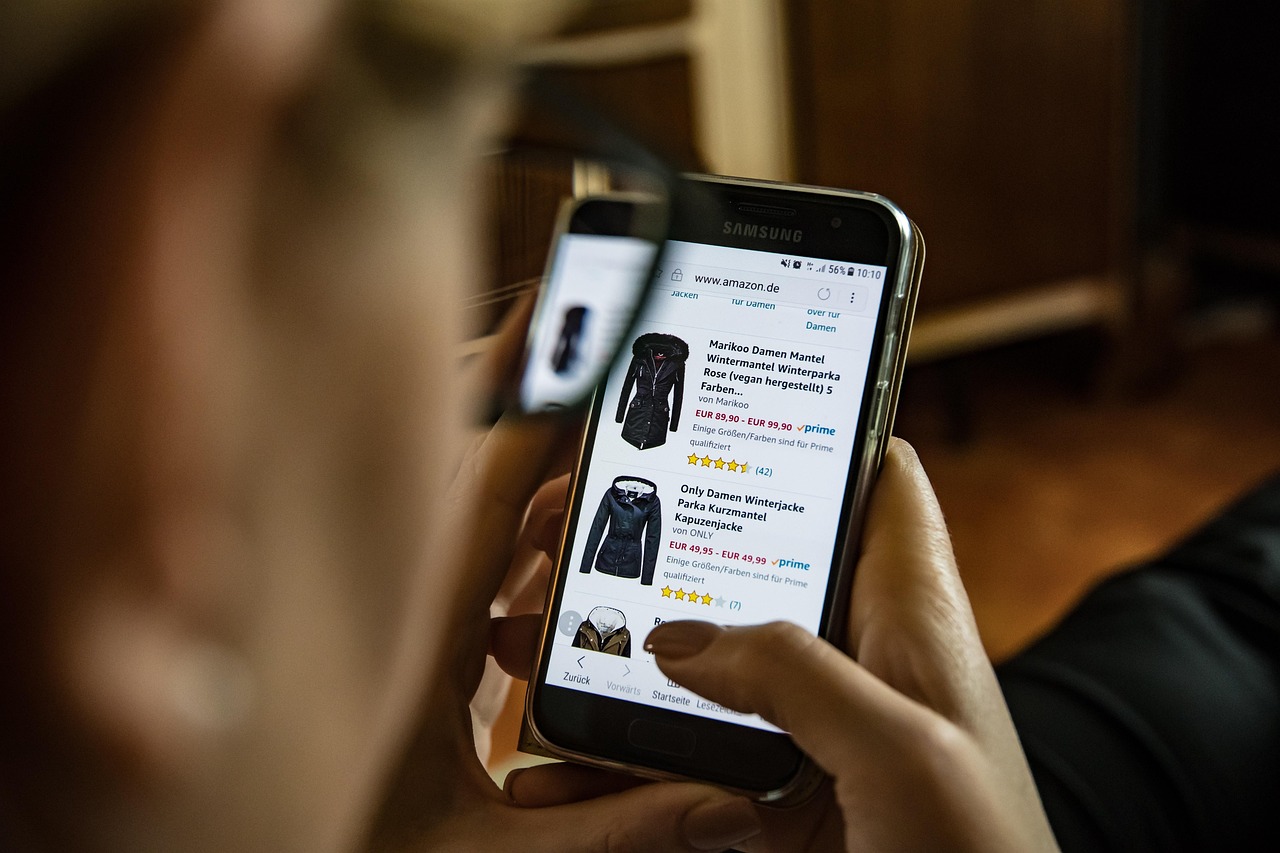
Then there is the person scrolling on her phone at 11pm, adding a $15 dress to a cart with free shipping if she spends another $20. You order a dress, it arrives two weeks later, it is not quite the same as the photo, but it was $15 so you keep it or donate it. The designer who made the original does not cross your mind. The platform does not tell you who designed the garment or where the silhouette came from. It shows you a photo and a price. The rest of the supply chain is invisible.
That invisibility is deliberate. There is no designer credit, or sourcing note. Nothing to tell you the thing you are buying was lifted from a Collingwood studio three days before it appeared on the site. The platform knows that if the connection were visible, the transaction would feel different.
Some Australian designers have started pushing back in small, sideways ways. Not through the courts, which are too expensive and too slow. Through community is the only way that works. Instagram accounts that document Shein dupes. Shared spreadsheets where designers log copies they find. A growing willingness to name the practice out loud.
It will not stop a $45 billion company. But it does change the terms of the conversation. The silence that used to surround independent designers finding their work copied has been replaced by something more direct. More exhausting. But at least it is said out loud now.
I asked a Melbourne designer what she would want people to understand. She paused. Then she said the hardest part is not the lost sales. It is the feeling that the system was never designed to protect people who make things with care and in good faith.
She is still making things. Not checking the Shein site anymore. That was the only way to keep going.
Sydney-based fashion editor covering Australian designers, runway and the wider AU industry. Previously at Russh and Fashion Journal.
The Lifestyle Desires brief
Style, food, travel and wellbeing — weekly in your inbox.
Subscribe