Personal taste is getting harder to hear
Personal taste feels flatter in 2026 because algorithmic feeds now shape wardrobes, playlists and rooms before we know what we want.
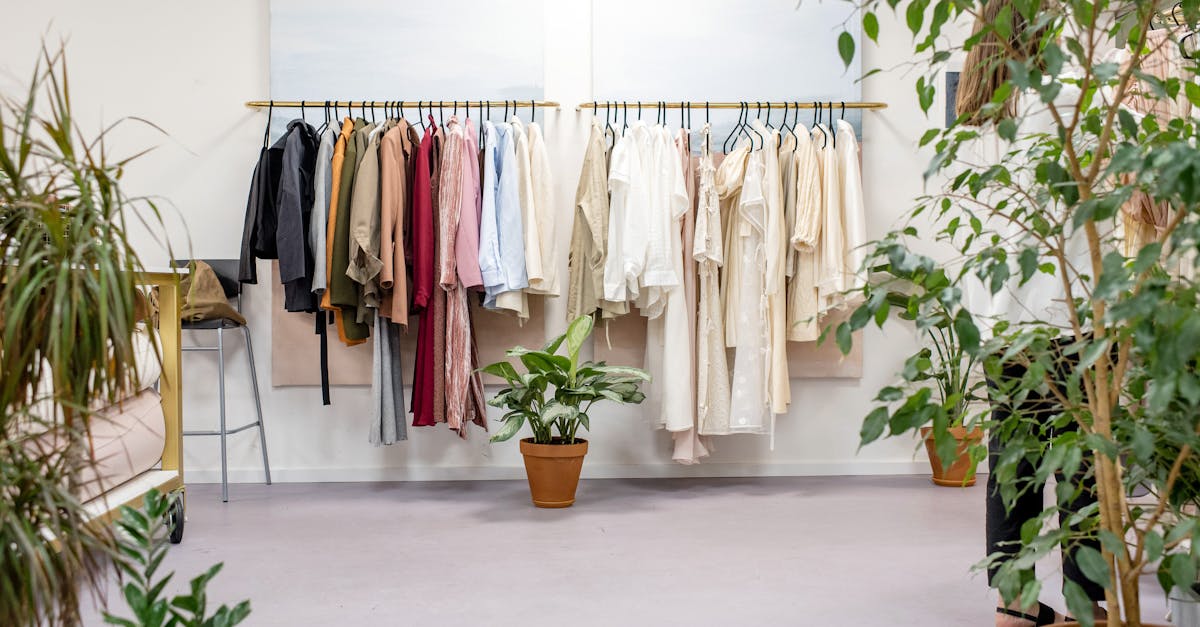
I noticed it on a wet Saturday morning, standing in front of my wardrobe while a coffee went cold on the windowsill. The tab I had left open on my phone showed a woman in a white tank, slouchy trousers, brown suede loafers and a little red bag. My saved folder showed almost the same thing. So did the rack in front of me, give or take the Sydney weather and my budget. For one small, humiliating second, I could not tell whether I liked the outfit, or had only practised liking it often enough for the feeling to pass as mine.
That is the tiny nausea of taste in 2026. We have plenty of it, all neatly pinned, served, refreshed, cross-referenced and waiting in a basket. The stranger question is whether it still belongs to us by the time it reaches the mirror.
In a new Guardian feature on personal taste, Ione Gamble, founder of Polyester and author of The Polyester Book of (Bad) Taste, puts the feeling bluntly:
“we’re always being told what to like and what not to like rather than being able to seek it out for ourselves”
Ione Gamble, The Guardian
I keep thinking about that verb, seek. It sounds almost antique now. Seeking implies the wrong train, the shop that smells faintly of dust and wet wool, the record you buy because the sleeve looks deranged, the friend whose living room changes your mind about yellow. The algorithm prefers a cleaner motion. It notices, predicts, narrows. It offers. After a while, the offer starts to sound like your own voice.
The sameness has a texture
The flattened look is not hard to spot once your eye adjusts. It is the same cloudy linen in a Bondi rental, the same chrome lamp in a Brunswick share house, the same loafers and low bun and “curated chaos” shelf arranged to seem unarranged. None of these things is bad on its own. I own some of them. Annoying, but true.
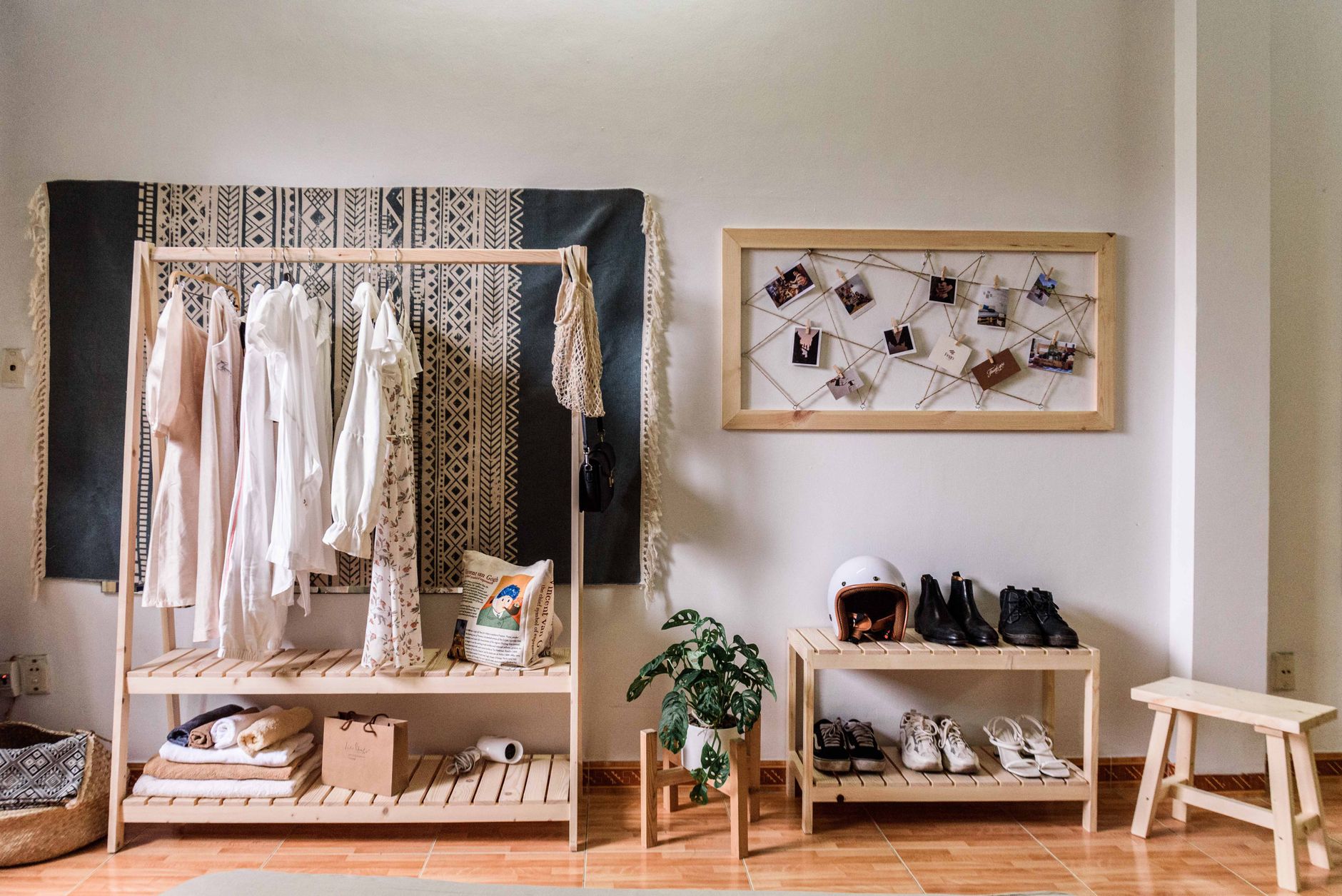
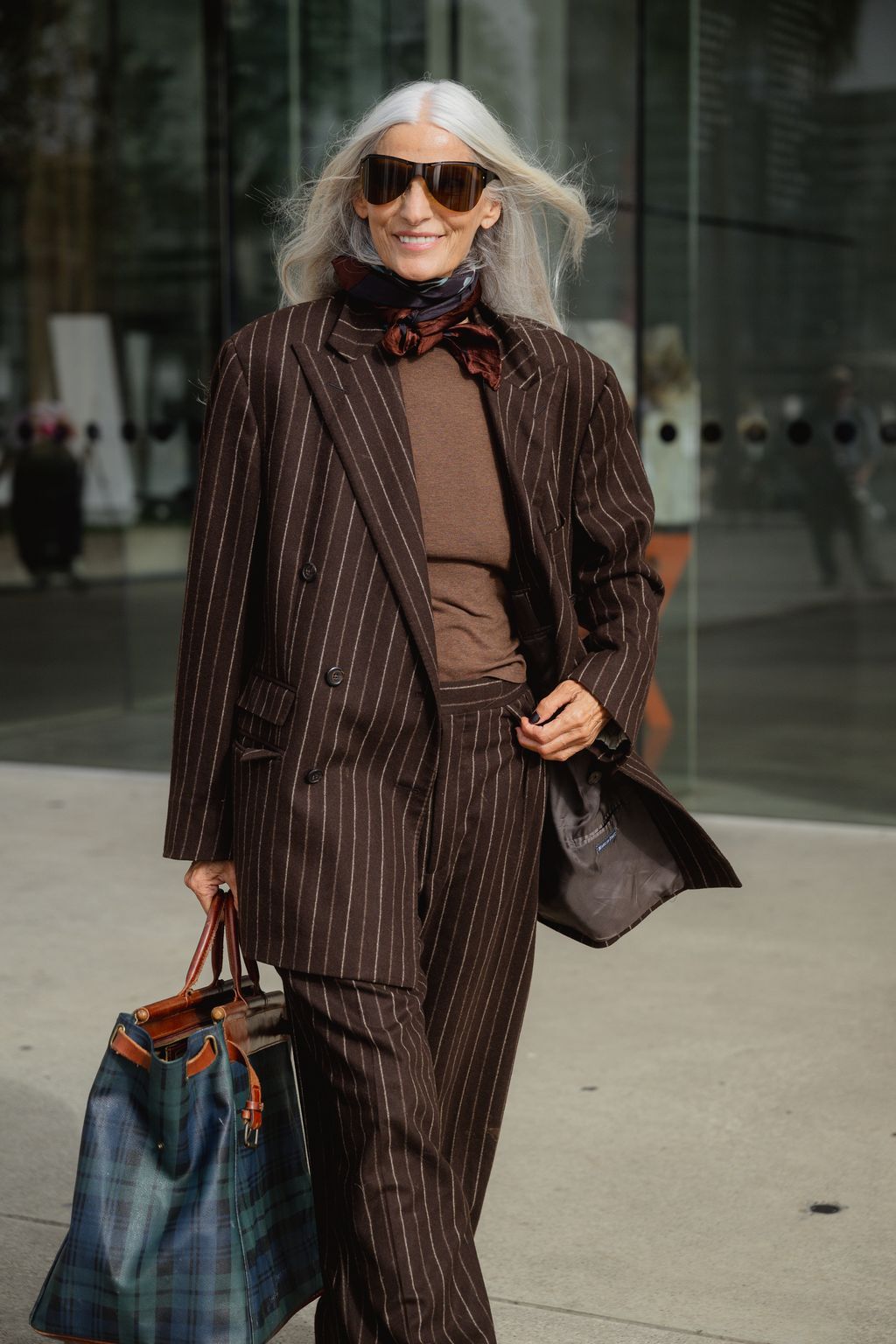
Personal style has always borrowed. Australian fashion is practically built on translation: beach into city, workwear into dinner, vintage into wedding guest, borrowed masculinity softened with jewellery. What feels newer is the speed at which references arrive pre-digested. A coat is no longer only a coat. It is “old money”, “blokecore”, “office siren”, “coastal aunt”, “airport tray aesthetic”. The label lands before the feeling does.
Chelsi Banks, the Alabama-born style creator profiled by Vogue, describes the exhaustion of dressing through a prompt instead of through the body:
“I don’t want to go on Pinterest and type in ‘cute outfit aesthetic’ every morning.”
Chelsi Banks, Vogue
That sentence made me laugh, then wince. The phrase “cute outfit aesthetic” is so bloodless it could have been printed on a receipt. Yet it catches a habit I know too well: asking the machine to translate a mood before I have sat with it long enough to know whether it is boredom, envy, weather, attraction, or just the fact that my jeans are cutting into me at lunch.
The insider fear, from people who make magazines, shops, playlists and feeds, is not that everyone will dress the same forever. Fashion survives by getting bored. The deeper worry is that the route to boredom has been automated too. We are not stumbling out of a trend because it has started to feel false in our own lives. We are being nudged towards the next one because the present look has finished yielding novelty.
Past the feed
Kyle Chayka, whose book Filterworld has become shorthand for algorithmic sameness, sees the next turn as more than a social-media problem. In the Guardian piece, he says:
“I see generative AI as a successor to algorithmic sameness.”
Kyle Chayka, The Guardian

I am less interested in making AI the villain of the week than in watching how the same logic keeps moving house. Once, the feed recommended the song, the dress, the lamp. Now the answer engine begins to tell us which one is “best”, or at least which one has been most successfully formatted for the answer. The Atlantic’s recent argument about search being “sloptimized” is not separate from taste. It is the same flattening, just wearing a more practical shirt.
Music shows the scale of it. Deezer said this month that 75,000 AI-generated tracks are being uploaded to its platform each day, and that 44% of its new music delivery is AI-generated. In April, the company put fully generated AI music at 18% of all tracks uploaded. Those figures do not mean your favourite song is fake, or that taste is dead by breakfast. They mean the cultural background noise has become cheap to produce and easy to personalise.
That changes the room. A playlist once carried the little shame and pride of selection: the song you put on too early, the track you skipped because the person beside you did not deserve it yet, the album you learned from an older cousin with terrible hair. An endless stream can still surprise you, but it rarely asks you to account for yourself. It removes the evidence. No scratched CD. No folder of downloaded songs with misspelt file names. No memory of buying one album and living with the bad tracks because your pocket money was gone.
Analysts talk about outsourced judgement. The user version is simpler and more intimate. If the platform can anticipate the outfit, the song, the throw cushion, the restaurant and the book before the want has fully formed, when do we get the pleasure of finding out what we are like?
Friction starts to look like a luxury
The backlash to algorithmic taste can look quaint from a distance. Cassettes. Vinyl. Film cameras. Chronological feeds. Handwritten lists. Little rules about not opening TikTok before getting dressed. It would be easy to sneer at all of it as nostalgia with better branding. Some of it is exactly that. Still, I think the hunger underneath is real.

The Guardian’s own editorial on the analogue resurgence frames the return of cassettes and VHS as a search for a digital detox. Guardian Australia’s beautiful essay on cassette tapes as the voice notes of youth gets closer to what I recognise: old formats do not only slow consumption, they make memory physical. A tape has a side. A jacket has a lining. A room has a corner where the afternoon sun ruins the colour you thought you loved online.
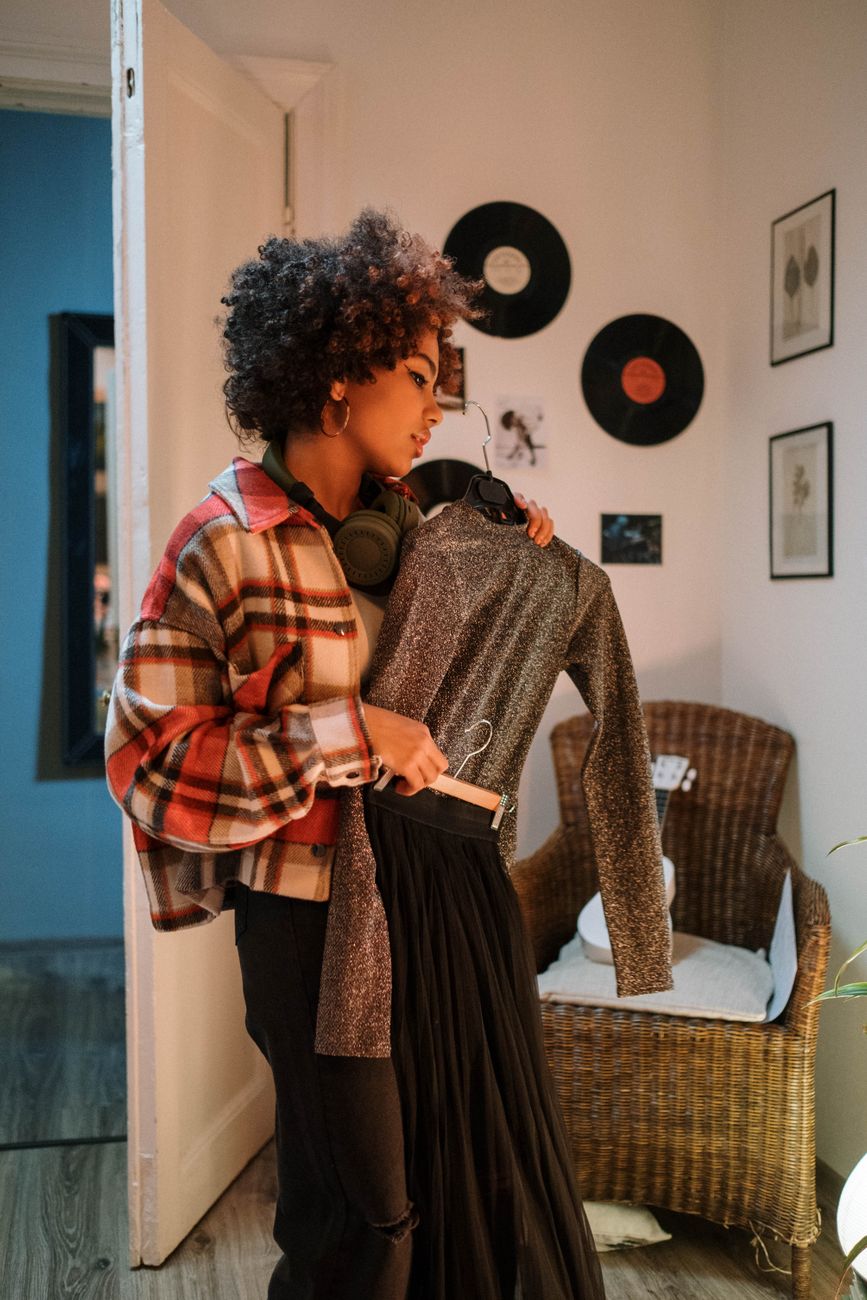
The best taste rituals involve mild inconvenience. Trying on the jacket with the wrong shoes. Walking home from the op shop with a lampshade under one arm. Playing the whole album because the remote is across the room and you are warm under a blanket. These are not noble acts. They are small refusals of instant correction.
The chronology-first social site PI.FYI, mentioned in the Guardian piece, reportedly has 200,000 customers. I do not know whether it will become a genuine refuge or another niche signal. But the appeal is obvious: a feed that does not keep guessing at your next self. A little less prophecy. A little more weather.
For younger style makers, offline practice changes the order of things. Instead of starting with the reference and working backwards to the body, you start with the body: the sleeve that pulls, the colour that makes you look ill, the boot that sounds bossy on pavement. This is where I think Banks’s Pinterest fatigue matters. She is not rejecting references. She is asking for space between reference and obedience.
What I still trust
Purity is not the answer. Nobody with a phone gets to pretend they are above influence, and frankly, the people who claim it most loudly tend to dress like a mood board called “above influence”. I am interested in smaller tests. Does the thing survive outside the crop? Do you still want it when nobody sees the save? Can you explain, without using the name of an aesthetic, why the room feels better with that ugly chair in it?
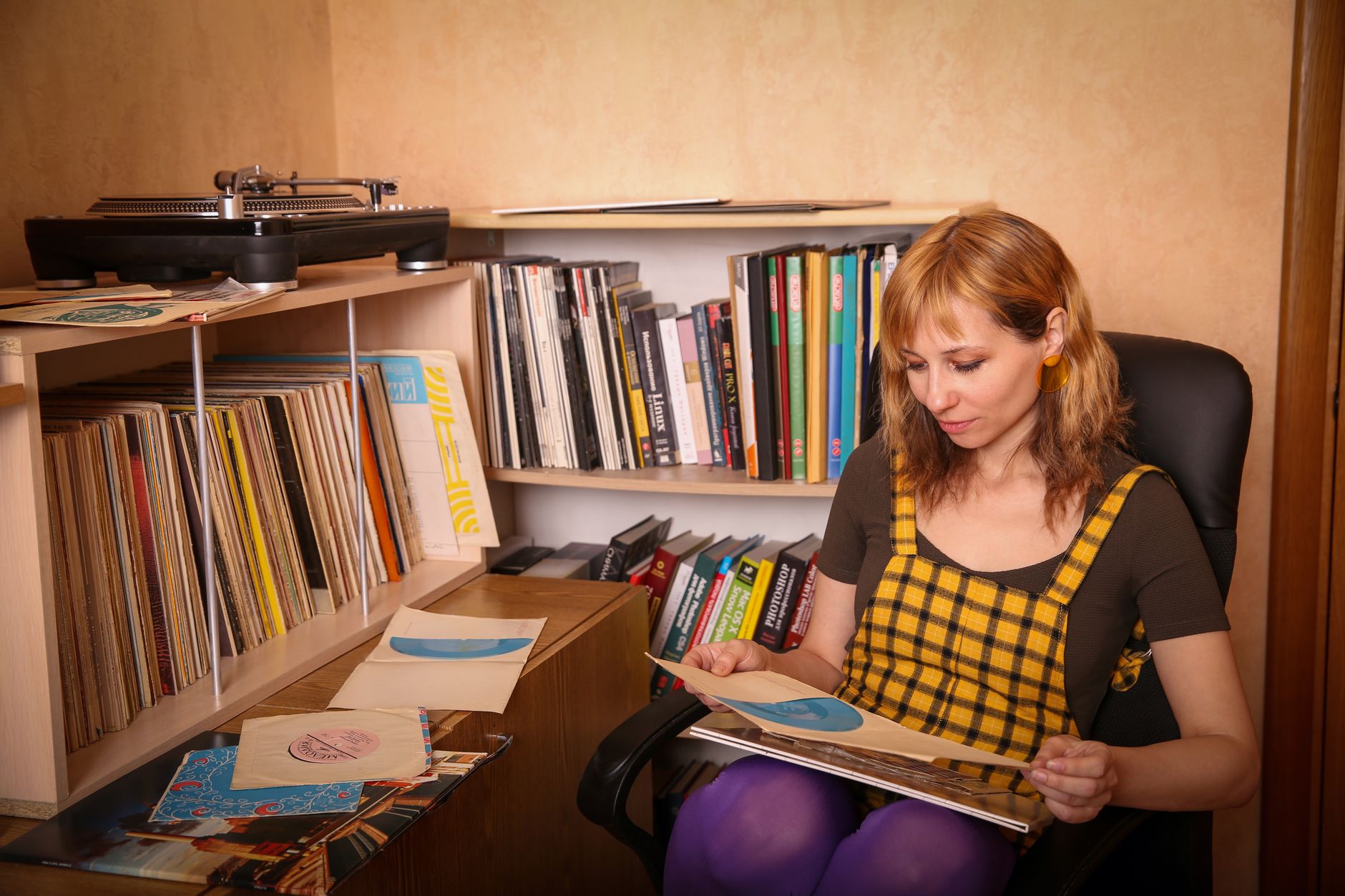
I have started to trust the choices that arrive sideways. The dress I bought because it reminded me of an aunt who wore too much perfume. The song I found because a cafe in Newtown had bad speakers and someone behind the counter was in love. The timber stool I disliked online, then wanted badly after seeing one in a kitchen with mandarins on it. Taste, at its best, is not a brand statement. It is a record of collisions.
I am wary of turning the whole thing into moral instruction. The algorithm did not invent insecurity, imitation or social climbing. Magazines helped with those long before the feed arrived. So did school uniforms, suburbs, department stores, music television and older sisters. What the algorithm changed was the volume and the intimacy. It made influence feel private. It delivered the crowd into the bathroom mirror.
A better personal style now may require some deliberately awkward space. Not a grand digital detox, necessarily. Just enough delay to let preference become legible before it is optimised. Wear the wrong thing to dinner and see if you miss the old you. Let an album bore you for five tracks. Buy the cushion that does not match because your hand keeps going back to it. Leave the saved folder alone for a week and notice what you reach for when the house is cold.
I might be over-romanticising friction. That is possible. But when every platform is built to shorten the distance between wanting and buying, wanting and hearing, wanting and becoming, a little distance begins to feel like taste itself.
Maybe the algorithm has not killed personal taste. Maybe it has made taste harder to hear. Under the recommendations, under the saves, under the beige linen and chrome lamps and algorithmically blessed songs, there is still a smaller signal. It is fussy, bodily, weather-dependent and occasionally embarrassing.
Good. That sounds like us.

The Lifestyle Desires brief
Style, food, travel and wellbeing — weekly in your inbox.
Subscribe