At campdraft school, the reins are changing hands
At Topar, campdraft school is less about sport than the way regional culture survives through labour, skill and young people learning the hard part.
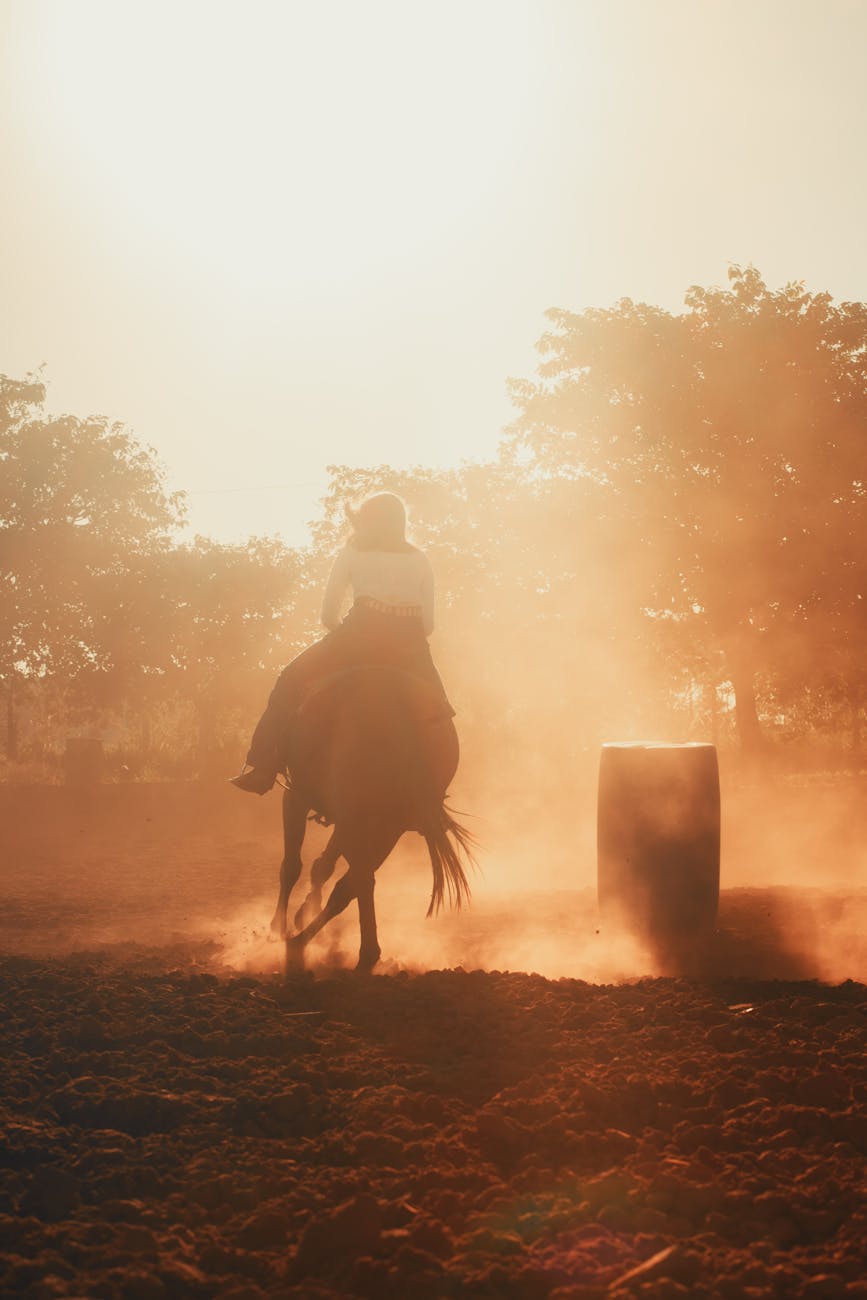
What I keep coming back to in the ABC News report from Topar is how stubbornly uncurated it feels. If you live in a city, regional Australia is often sold back to you as moodboard country: a ute in golden light, a pub meal, a weekend with better stars. Topar, about 80 kilometres from Broken Hill, is rougher than that and more interesting for it. Red dirt. Dust hanging in the yard. Seven or eight cattle shifting in a mob, and a young rider learning to cut one animal out cleanly before 40 seconds disappears.
Work. Timing. Nerve. Not pretty-pretty country life. The kind of outdoor competence you can’t fake for a camera and, I suspect, can’t pass on except in person.
At the clinic, Jay Charnock, a horse trainer from Bulahdelah, reduces campdrafting to its hard centre: “It’s a challenging sport because you have to control three brains under pressure.” Yours. The horse’s. The cow’s. I like that he says brains, not bodies. The whole thing starts to feel less like brute force and more like a conversation conducted at speed, with dust in your teeth and no time for vanity. Campdrafting, as the Southern Campdrafting Association explains, begins with horse and rider selecting a beast from the camp, then guiding it around pegs and through a gate. Recognisably Australian. Also, in its own stubborn way, a lesson in attention.
Sure, there’s spectacle. But what interests me is the apprenticeship hiding inside it. A clinic like this is where a culture decides whether it has a future. Older riders and committee people turn up, younger riders make mistakes in public, families drive long distances, someone opens a gate, someone boils the kettle, someone keeps score, someone remembers how it was done last year.
Good. Most things worth keeping aren’t efficient. They survive because a region keeps finding practical reasons to gather around them, and because the skills involved are concrete enough to feel useful even when no prize money is on the line.
Here the soft-focus rural nostalgia falls apart. The appealing version of country life, especially in lifestyle media, has a habit of removing the hard bit. It keeps the weatherboard hall and the sunset, then quietly edits out the repetition, the cost, the travel and the fact that somebody has to teach the next kid how not to lose their nerve. Topar’s campdraft school restores the missing labour. Riders get 40 seconds once the gate opens. They need a horse that trusts them, reflexes honed past embarrassment and enough stock sense to read movement before it becomes chaos. Nobody arrives fully formed. They’re made by watching, trying, stuffing it up and going again.
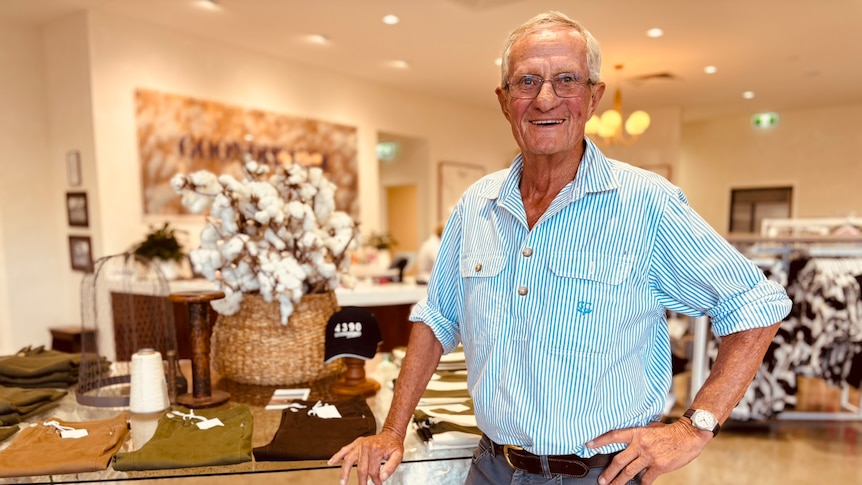
Robert Gibson, the former grazier and long-time Topar committee member, puts the origin story bluntly in the ABC piece: “[We] needed something in the bush.” I keep returning to that line because it’s both smaller and larger than it sounds. Smaller, because it describes a local problem with a local answer: people wanted an event, a gathering, a reason to bring horses and kids and eskies together. Larger, because it explains how regional institutions are often built. Not through grand declarations. Through the practical insistence that a place requires more than work and distance if people are going to stay attached to it.
Thirty years isn’t an accident. Administration, weather, volunteer hours, trailer tyres, committee minutes and the very unglamorous patience of people who keep turning up.
No algorithm teaches that. A young rider learns by being corrected in real time, by feeling a horse refuse the wrong cue, by trying again while everyone nearby can see the mistake.
Elsewhere, a quote like this could drift into tourism copy. At Topar it does something sterner. Annabelle Hudson, coming up from Beaufort in western Victoria with her family, makes an 800-kilometre trip to the clinic and says, “We just love the feeling of being up here in the red dirt, playing in the red dirt. It’s just so different.” This isn’t scenery. This is the surface you learn on, the thing that gets into socks and hems and float floors while a whole weekend of muscle memory is being formed. Difference, here, isn’t boutique. It’s tactile. It asks something of you.
The association’s 2025-26 calendar makes the broader point quietly. Topar isn’t a lone romantic outpost. It sits inside a season, a circuit, a structure of schools and drafts that give the sport continuity. More than the sentiment, I notice the structure. A new generation doesn’t inherit a tradition because adults tell them it’s valuable. They inherit it because there’s somewhere to go next month, someone to learn from there, and a language of skill that keeps being spoken aloud.
One clinic is a scene. A calendar is infrastructure. Rural culture lasts when it can convert affection into dates, routes, rules and repeat attendance.
I’m wary of making young regional Australians into symbols of authenticity. They deserve better than being drafted into a city fantasy about who still knows how to do hard things outdoors. Still, it’d be silly to miss what this scene suggests. Plenty of contemporary life is frictionless by design. You tap, swipe, outsource, order, optimise. Campdrafting offers the opposite bargain. Repetition is the price of entry. Embarrassment is public. The animals have their own moods and don’t care about yours. The confidence it rewards is the unshowy sort that grows only after you’ve looked uncertain in front of other people.
For teenagers and young adults especially, there’s something clarifying in activities that refuse to flatter you quickly. The point isn’t purity. It’s texture. A life feels more substantial when some part of it can’t be skimmed.
Maybe that’s why Charnock’s line about three brains under pressure stays with me. He’s describing more than technique. A regional social compact, really. You learn to manage yourself without pretending you’re the only mind in the arena. The horse has its say. The cow has its say. The older riders on the fence line have theirs as well, even when they say very little. For a magazine like this, which spends a lot of time thinking about the lives people are building outside the capitals, that feels like the real story. Not whether campdrafting looks picturesque from a distance, but whether places such as Topar can still offer young people a form of belonging based on competence, risk, patience and being known across generations.
Some can. This one plainly does.
And there’s a quiet rebuke in all this for anyone, myself included, who sometimes mistakes regional style for regional substance. The substance is an event that has lasted three decades because a community kept it alive. The substance is a former grazier remembering why it started, a trainer translating instinct into instruction, a family burning 800 kilometres of road because the trip still feels worthwhile. None of that is quaint. It’s expensive, physical and organised. You don’t build that by accident. You build it by repetition, and by treating continuity as something earned rather than inherited automatically.
Which is why campdraft school reads to me as a lifestyle story at all. Not because it’s soft. Because it isn’t. Lifestyle, at its best, is about the habits and structures that tell you what a place values. Topar values skill that passes hand to hand. It values weekends arranged around a shared difficulty. It values the pleasure of knowing exactly what your town, your district, your people can make together when they refuse the easier option of letting something lapse. In an era when so much local texture gets flattened into content, there’s relief in a scene that still resists simplification.
Dust, stock, nerves, timing, committee work. The whole stubborn apparatus of keeping a regional world alive.
So yes, the reins are changing hands. But the more moving detail is that there are still hands there to take them, and still adults close by who know what to pass on. I don’t mean that sentimentally. Traditions deserve scrutiny, and rural Australia isn’t immune to mythmaking about itself. Even so, a campdraft school in the far west of New South Wales makes a convincing case for one old-fashioned idea: communities endure when knowledge is shared in public, when younger people are invited into the hard part, and when a place bothers to build occasions that feel bigger than any one rider’s run. Sometimes the future of a region looks like policy. Sometimes it looks like dust rising behind a gate.

The Lifestyle Desires brief
Style, food, travel and wellbeing — weekly in your inbox.
Subscribe