What tretinoin is asking retinol to admit
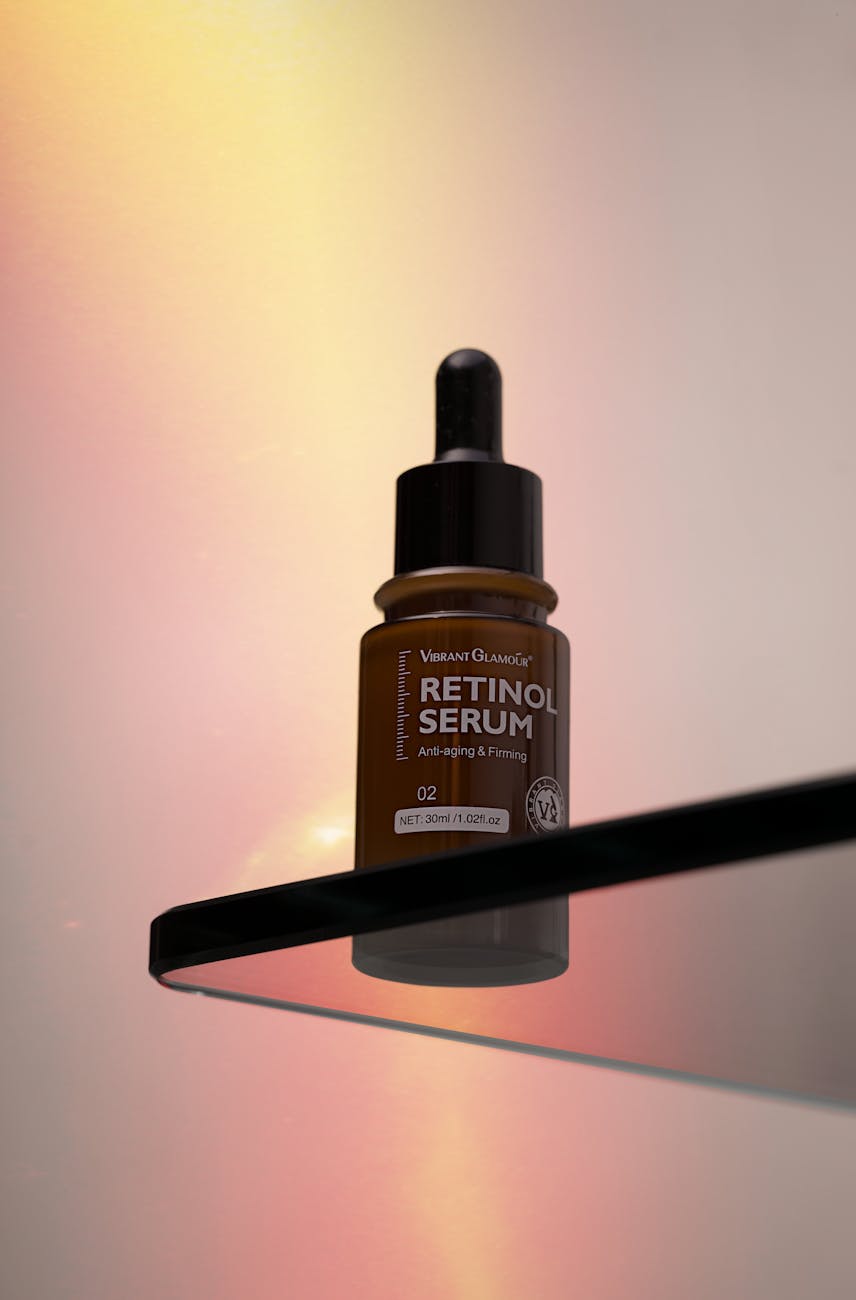
Tretinoin vs retinol is really a question of prescription access, irritation and consistency, not which bottle sounds more serious.
Every few months, beauty group chats do the same little shuffle. One person says they are ready to move up from retinol to tretinoin, as though the bathroom shelf were a graduate programme and not a line of tubes trying to survive winter heating, too little sleep and a skin barrier that is already doing its best.
The appeal is obvious. On the label, retinol sounds polite. Tretinoin sounds like the grown-up cousin with a script at the chemist and a better posture. A market that turns skin care into status can make the prescription bottle feel like the only serious answer.
In Vogue’s recent comparison, the dermatology answer is less glamorous and much more useful. Choice, here, is not about the winning word. It is about what your skin can tolerate, and whether the problem you are trying to solve actually needs a doctor in the loop.
After dipping between Vogue, the American Academy of Dermatology’s primer on retinoids and retinol, Healthline’s explainer and the Australian medicine listing for Retrieve Cream, I keep coming back to a plain read. Tretinoin is stronger. Retinol is easier to live with. On plenty of faces, easier to live with is the more important fact.
Ingredient talk also hides an access story. Tretinoin asks for a prescription, which in Australia usually means an appointment, a cost, a little patience and someone clinical prepared to watch how your skin behaves. Over the counter, retinol asks less of the system and more of your own consistency. Beauty coverage tends to collapse that difference into a simple strength ranking. That is bigger than a ranking.
The little hierarchy in the bathroom cabinet
Around retinoids, the social script says you start mild and then graduate if you are serious. Framed that way, irritation begins to sound like ambition. A more boring truth sits underneath: tretinoin has been in dermatology use since 1971, and it works because it is a medicine, not because it carries more moral virtue than an over-the-counter serum.
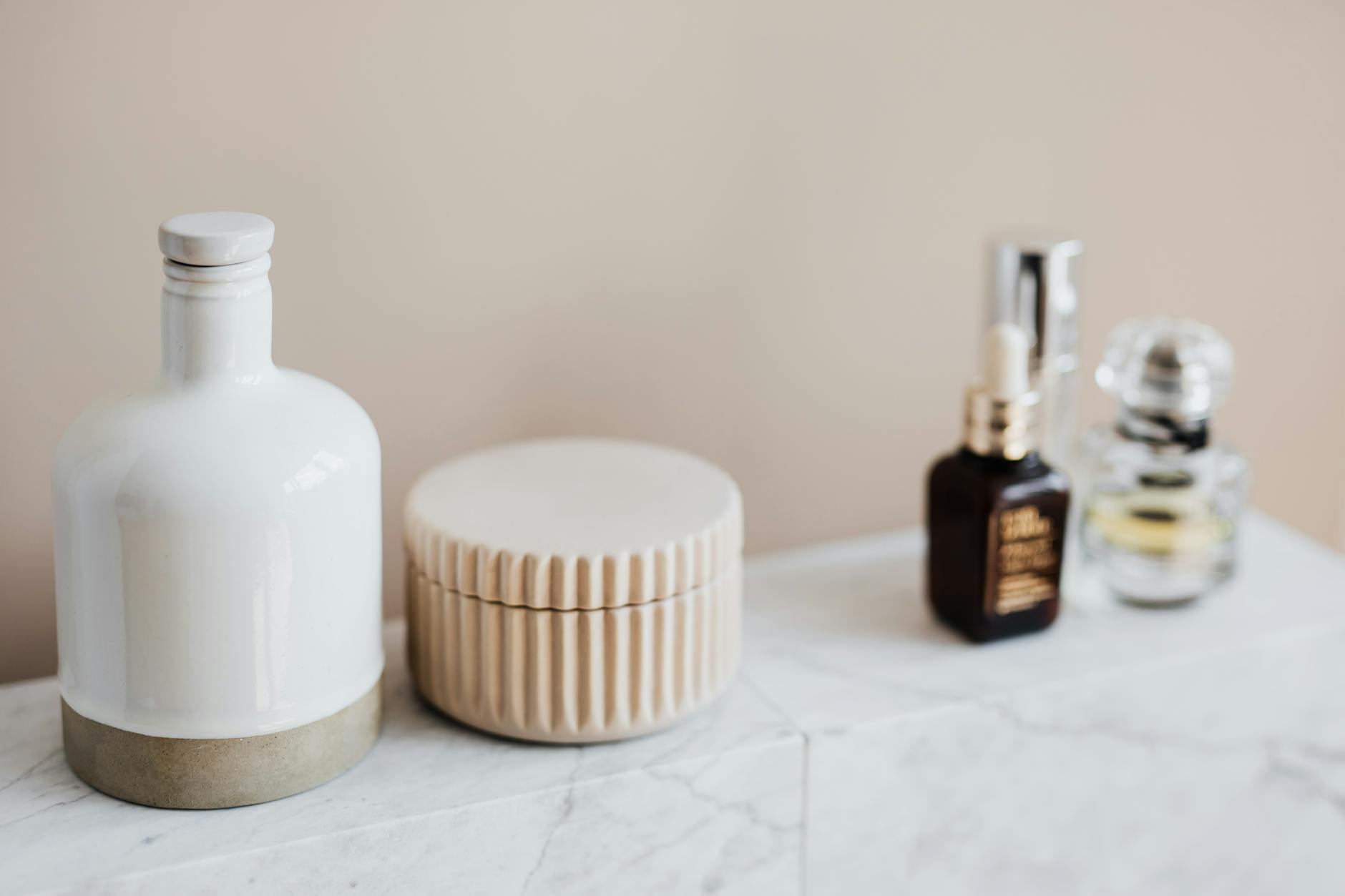
For Australian readers, tretinoin cream sitting in Schedule 4, prescription-only territory is a decent clue about how it should be read. Not as the deluxe edition of retinol, but as a treatment with oversight, side effects and a narrower margin for freestyle layering. That distinction matters if your concern is persistent acne or pigment. And if your face goes dry and cross the second the weather turns, it matters there too.
The names create some of the confusion. Retinoid is the family. Retinol is the over-the-counter cousin. Tretinoin is the prescription relative. Put them on a shelf beside each other and the jump can feel cosmetic, just a few syllables and a better story to tell yourself. No.
So when board-certified dermatologist Hadley King told Vogue to take the ramp-up slowly, I heard a reality check rather than a disclaimer:
“The key is to start slowly and gradually build tolerance,”
Hadley King, via Vogue
Read that quote slowly and it stops sounding like gentle encouragement. Soon it sounds like barrier management. King’s point is not, go harder. It is, do not confuse efficacy with bravado.
From the consumer-testing side, the analyst view is less romantic still. Wirecutter’s recent retinol guide treats potency as only one part of the verdict, alongside texture, price and whether a formula leaves you red enough to give up by the end of the week. Unsexy, yes. Also how most real routines survive.
Numbers can be slippery too. In that same Wirecutter testing, beginner-friendly picks start around 0.3% retinol and 0.03% retinal, which looks like a neat ladder until you remember you are comparing different molecules, not different levels of courage. The category loves a hierarchy. Skin, annoyingly, does not always agree.
A Wirecutter tester, in its reporting, said the quiet part out loud:
“I want a retinol to tingle a bit, to prove to me that it’s working, and this one did,”
Wirecutter tester, via Wirecutter
I winced at that because I recognise the feeling. Beauty marketing trains us to read a little sting as proof of seriousness, even though irritation is just irritation unless a clinician has already told you the trade-off is worth it. Whole spending habits can grow around wanting your skin care to feel important.
What your skin can actually live with
At this point retinol stops looking like the soft option and starts looking like the sane one. AAD and Healthline arrive at the same unglamorous point: over-the-counter retinoids are milder because they need extra conversion steps before skin can use them, which often means slower results, fewer fireworks and a better chance you will still be applying the product in three months.

Slow is not failure. Slower can mean you keep your moisturiser, your sleep and your willingness to continue past the first difficult fortnight.
Heroic routines have never persuaded me. If I were telling a friend where to start, prestige would not be first on the list. Tolerance would: the dry corners of the mouth, the sting around the nose, the faint feeling that your routine has become a dare. For beginners, the expert advice in Vogue to start tretinoin only two to three nights a week is really an admission that stronger formulas can crowd out the rest of your life if you are not careful.
Layering makes the same point. Helen He’s advice in Vogue is not glamorous, but it is practical and, for that reason, easy to trust:
“If using tretinoin at night, it is better to use other active ingredients in the morning,”
Helen He, via Vogue
Listen to that as management, not upgrade culture. A prescription has to fit around ordinary skin. Ordinary skin should not be expected to behave like a clinical trial.
Many readers will find the management burden is the whole answer. If your routine already includes cleanser, moisturiser, sunscreen and one active you sometimes forget to use, tretinoin may be less a glow-up than an administration job. Retinol, by contrast, can sit in a life that is messy, tired and not especially interested in becoming a part-time derm case study.
My sceptic’s ear keeps catching the escalation inside the wider beauty conversation. In a season of longevity skin care and glossy formula talk, a prescription can start to look like a personality. The same pressure hums underneath every service story that treats retinoids as the sensible adult in the room. Read enough of those stories and tretinoin starts to sound less like one option and more like an inevitability.
Not really.
Retinol is not the consolation prize. For many people, it is the maintenance lane: slower, easier on the barrier, and still evidence-based when the goal is texture, tone or fine lines rather than the fastest possible correction. Tretinoin makes the most sense when you have a specific concern, stronger tolerance and a reason to accept the extra management. That is a narrower group than beauty culture likes to admit.
So the supposedly simple question, tretinoin or retinol, lands somewhere less tidy. One is stronger, and sometimes that strength is exactly the point. The other is gentler, more available and often easier to keep using through an ordinary Thursday in June. I know which answer sounds more impressive. I am less convinced it is the better one.

Melbourne beauty editor and ingredient nerd. Five years on the brand side before turning to writing about what's actually in the bottle.
The Lifestyle Desires brief
Style, food, travel and wellbeing — weekly in your inbox.
Subscribe