The hair-growth aisle loves a false choice
Collagen vs biotin for hair growth sounds like a clean choice, but evidence for healthy readers is thin and the smarter path starts with diagnosis.
Late at night, the beauty internet has a way of making every question feel shoppable. One tab promises thicker hair if you finally commit to collagen powder; another swears the answer was biotin all along, preferably in a peach-flavoured gummy that looks cute beside your toothbrush. I know the feeling because I cover ingredients for a living and still catch myself wanting the clean, adult answer, the one that makes a scalp worry feel as easy as choosing between two pastel tubs.
But the collagen-versus-biotin fight was always more useful to the market than to the person losing hair in the shower. Read Vogue’s fresh collagen-versus-biotin piece, Prevention’s expert explainer and TODAY’s dermatologist-backed ingredient guide side by side, and the same answer keeps slipping out: if you’re otherwise healthy, neither supplement looks like a magic regrowth switch. The less glamorous route, the one with more evidence behind it, starts with diagnosis and often lands on minoxidil, not a beauty-shelf binary.
That sounds deflating, which is partly why the binary has legs. It is neater to sell team collagen versus team biotin than to admit that hair loss can be about iron, thyroid function, hormones, stress, medication, age, genetics, breakage or a scalp condition you cannot solve with a vanilla scoop stirred into coconut yoghurt.
The shelf wants a winner
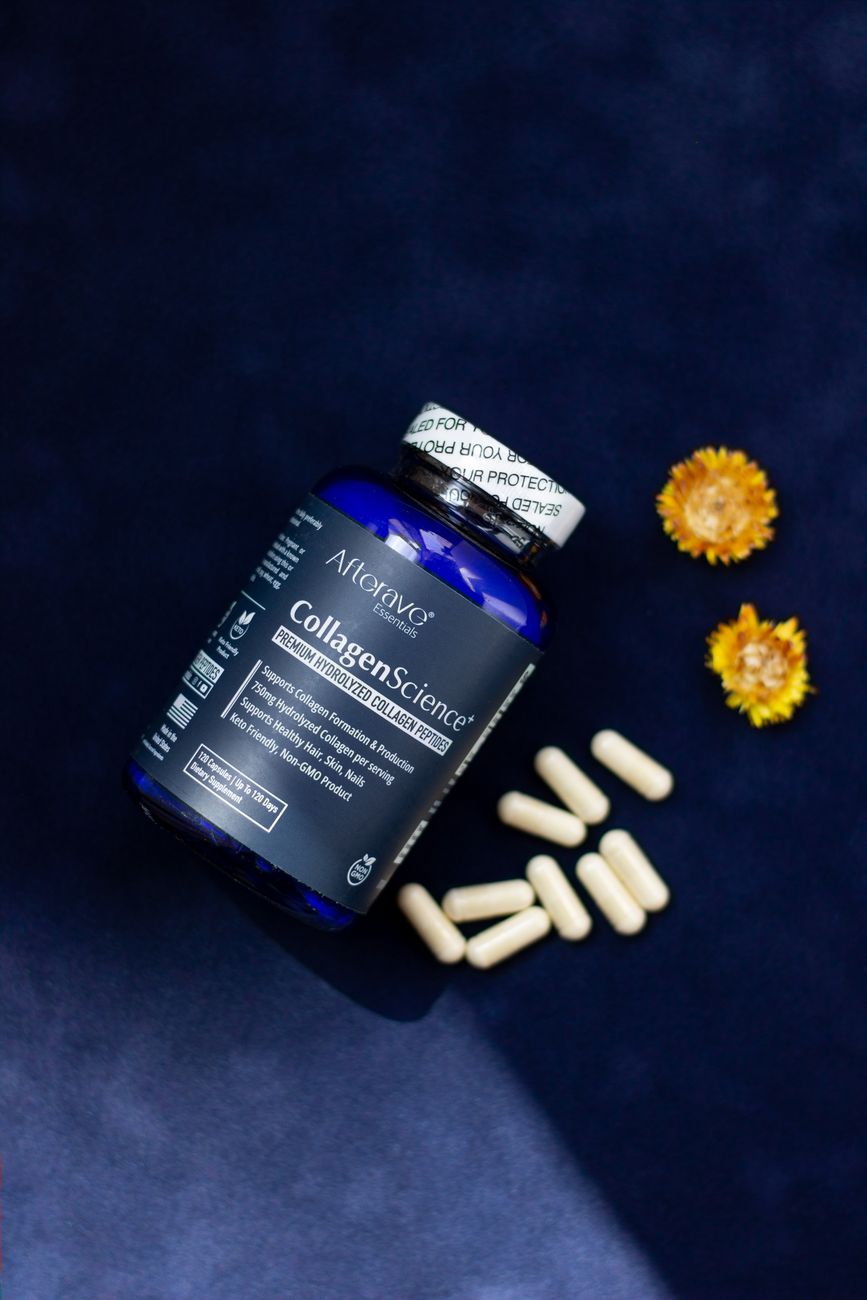
From the market side, the category makes perfect sense. Collagen is the ingredient with glow, skin and the whole inside-out wellness fantasy attached to it; biotin sounds older, more clinical, more specifically tied to hair and nails. One promises radiance with a side effect of stronger strands. The other promises a targeted fix. Between them, the beauty aisle gets to sell both aspiration and urgency.
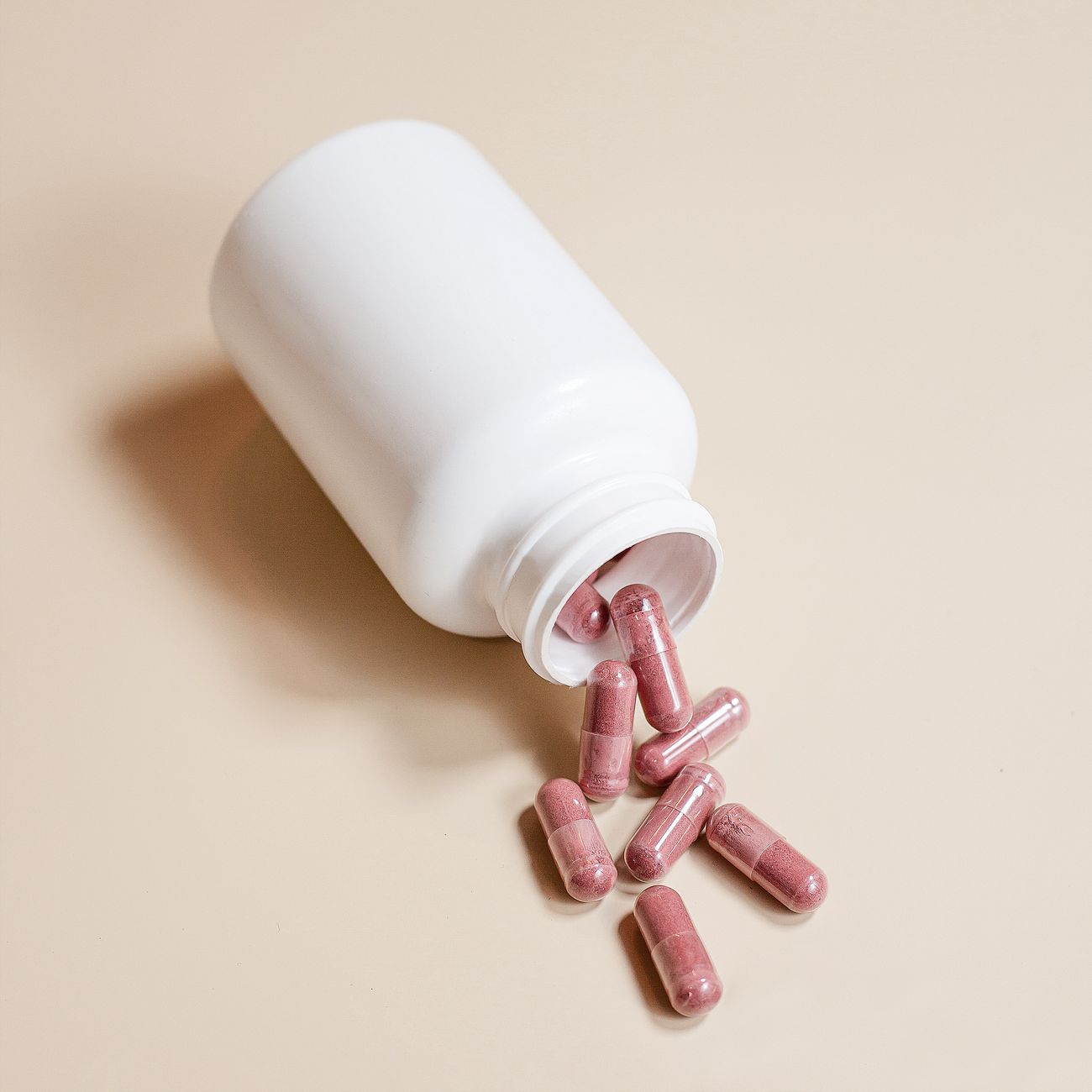
Across beauty media, you can see that framing everywhere. Elle Australia’s beauty-supplement round-up folds collagen into a broader glow economy. Pedestrian’s sold-out collagen sachet story sells desire, scarcity and the thrill of getting in before the next restock. Neither piece is doing anything sinister; they are simply operating in the language beauty knows best. A problem gets translated into taste. A treatment becomes a lifestyle signifier. By the time the question reaches a reader, it is no longer, what is causing my shedding? It is, which team am I on?
It flatters the buyer too. Choosing between two buzzy ingredients feels informed. It feels like you’ve done your homework. It feels miles nicer than hearing that the answer may involve blood work, patience and an over-the-counter foam from the pharmacy aisle. Hadley King, one of the dermatologists quoted in Vogue’s reporting, put it with admirable restraint:
“The jury is still out.”
— Hadley King, Vogue
Morgan Rabach, also quoted in that story, was blunter, and I think the bluntness matters because this category is built to sand off bluntness.
“There is very small—or no likely—benefit for either supplement in a healthy person with a normal diet.”
— Morgan Rabach, Vogue
Beauty marketing hates that narrowing. Not because it kills the category outright, but because it narrows the claim. A 2026 systematic review of 10 studies found biotin was mainly helpful in narrow contexts, especially where deficiency or a specific clinical problem was already in the picture. A separate meta-analysis on nutraceutical supplements in non-scarring alopecia found some promise across certain blends, but the evidence was mixed, the patients were not interchangeable, and the results were nowhere near the breezy confidence of a checkout-page headline.
Collagen is easier to romanticise because it plugs into a story women have already been taught to recognise. Prevention notes that collagen drops by about 30% in the five years after menopause, then around 2% a year for the next two decades. That is real physiology. It is also very tidy branding. Once an ingredient can be attached to skin texture, hydration, joints and the general fear of ageing, it stops needing strong hair data to remain commercially irresistible. It just needs to feel plausible.
The part nobody can sell prettily
For the person actually watching hair thin, the whole debate lands differently. She is usually not trying to win a discourse. She is trying not to panic. TODAY notes that roughly 80 million Americans are affected by hair loss, which helps explain the size of the market, but the emotional maths matters more than the market maths. If your part looks wider, if your ponytail feels meaner in your hand, if your hairline has started to ask for your attention every morning in the mirror, the least dramatic solution will always sound attractive.

I don’t blame anyone for reaching first for the thing that looks safe, feminine and frictionless. What I distrust is the way the category encourages readers to treat all shedding as one mood board. The skeptic’s question is harsher and much more useful: what if the problem is not a missing supplement at all? What if it is thyroid dysfunction, low iron, postpartum change, perimenopause, a medication shift, an autoimmune issue, traction, stress, or androgenetic loss that needs a different plan entirely?
Biotin gets trickier at exactly that moment. In a ScienceDaily report on the risks around routine biotin use, oncodermatologist Brittany Dulmage warned that the supplement can muddy important lab work, especially in patients already managing serious illness.
“People have the misconception that biotin supplements are harmless and there’s no reason not to take them.”
— Brittany Dulmage, ScienceDaily
Outside oncology, the line still lands. The real danger is not that biotin is evil; it is that a product marketed as a gentle beauty extra can delay a more accurate conversation about why your hair is changing. The collagen-versus-biotin frame feels reassuring because it keeps the whole problem inside the supplement aisle. No clinic, no testing, no admission that hair is often where the body sends up a flare.
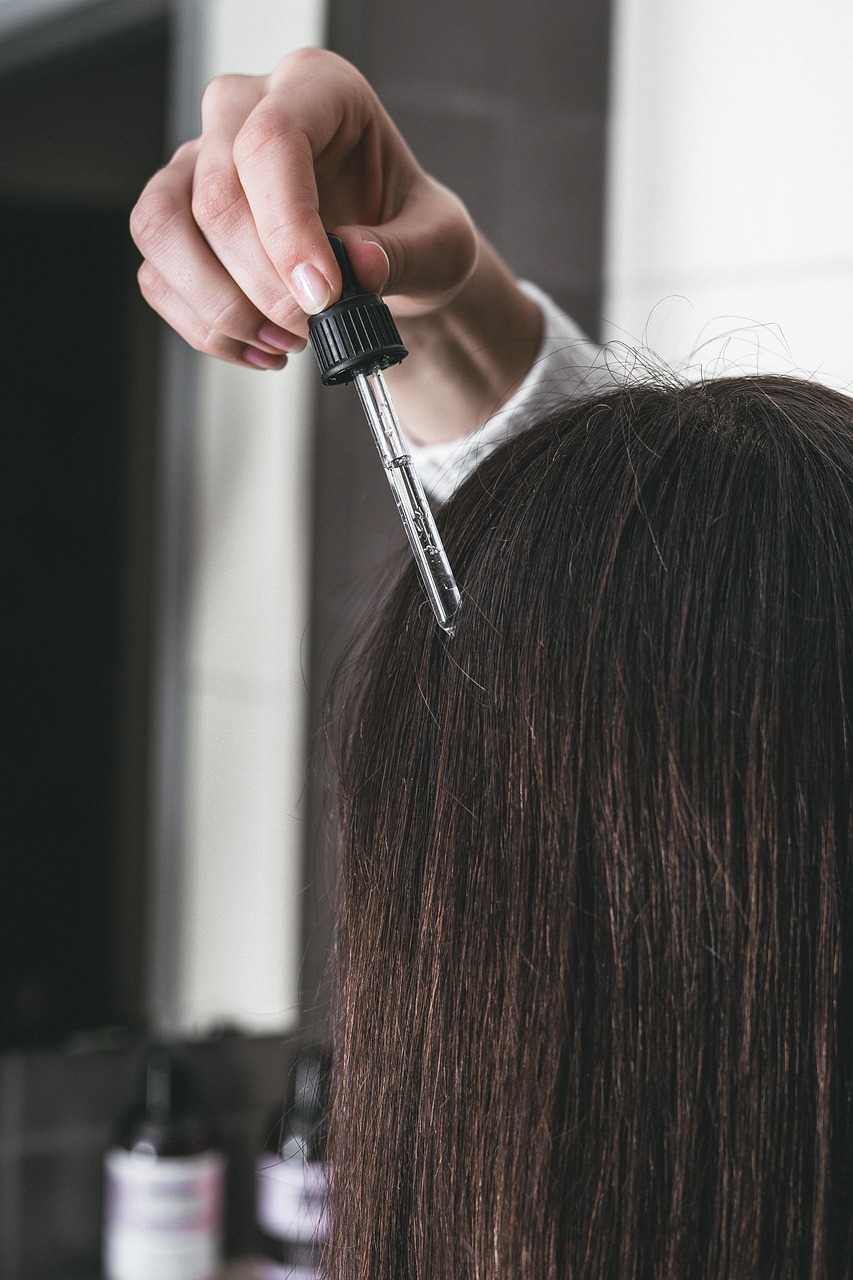
From the builder-optimist camp, the useful answer is less elegant and more convincing. If the goal is true regrowth rather than nicer-feeling hair or reduced breakage, both TODAY’s guide and the International Society of Hair Restoration Surgery’s overview point readers back to minoxidil as the stronger over-the-counter option. That does not mean everyone with shedding should sprint to the chemist and ignore everything else. It means the evidence map looks different from the marketing map.
Practically, the more honest sequence goes something like this: work out whether you are dealing with breakage or loss, whether the change is sudden or gradual, whether there are other symptoms nearby, then choose treatment based on the cause instead of the packaging. Sometimes that will leave a place for supplements. Sometimes it won’t. Sometimes the most useful purchase is no purchase at all, at least not until you’ve ruled out the boring things.
Which is probably why this debate keeps returning in glossy new wrappers. A false choice is still a choice, and choice feels good. Diagnosis does not. Uncertainty does not. A topical treatment from the pharmacy does not photograph well on Instagram. Still, if I had to call the thing this argument tells us most clearly, it is not whether collagen or biotin wins. It is that beauty marketing remains brilliant at selling certainty to people who are standing in one of the more uncertain rooms of their lives. The harder answer is less chic, more medical and, I suspect, kinder.

Melbourne beauty editor and ingredient nerd. Five years on the brand side before turning to writing about what's actually in the bottle.
The Lifestyle Desires brief
Style, food, travel and wellbeing — weekly in your inbox.
Subscribe