The Ikea sleepover wasn't really about Ikea
Ikea Sydney sleepover drew 5,000 hopefuls because $19.95 bought more than a bed: it offered a brief, playful version of home.
What first hooked me about the Sydney IKEA sleepover was how faintly wrong it sounded. Not illegal wrong. More like waking up in a display suite after the salesperson has gone home, the lights still warm, every cushion fluffed by someone who believes a side table can solve a small domestic sadness.
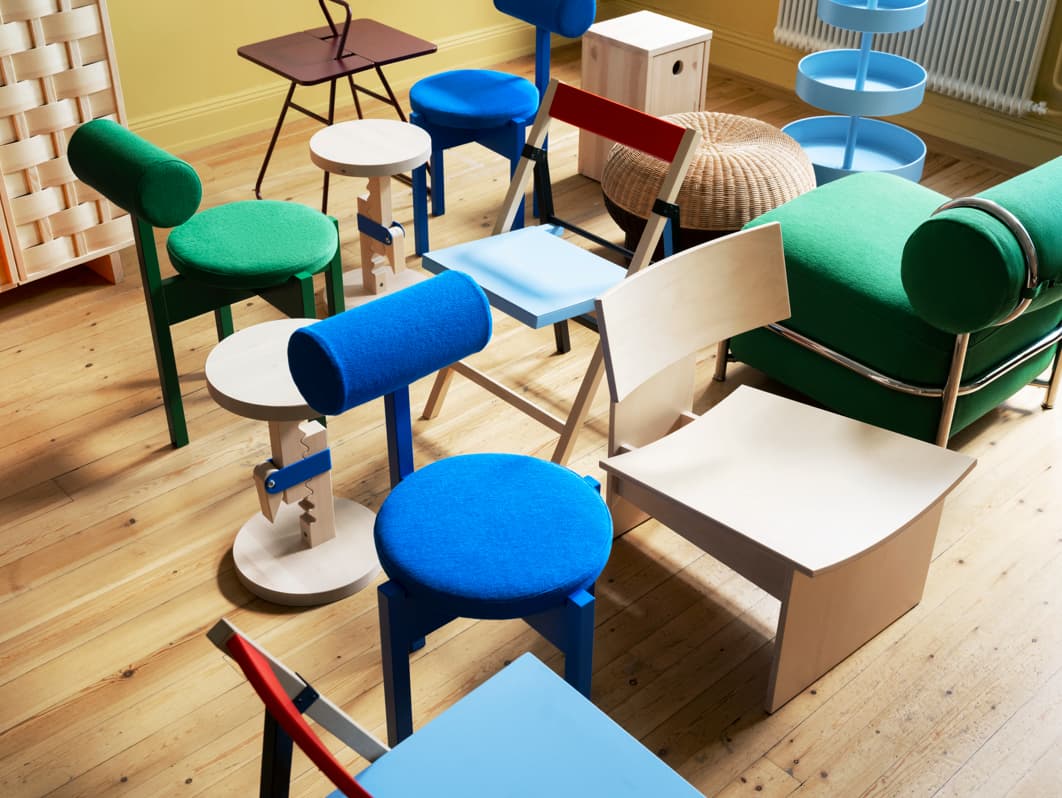
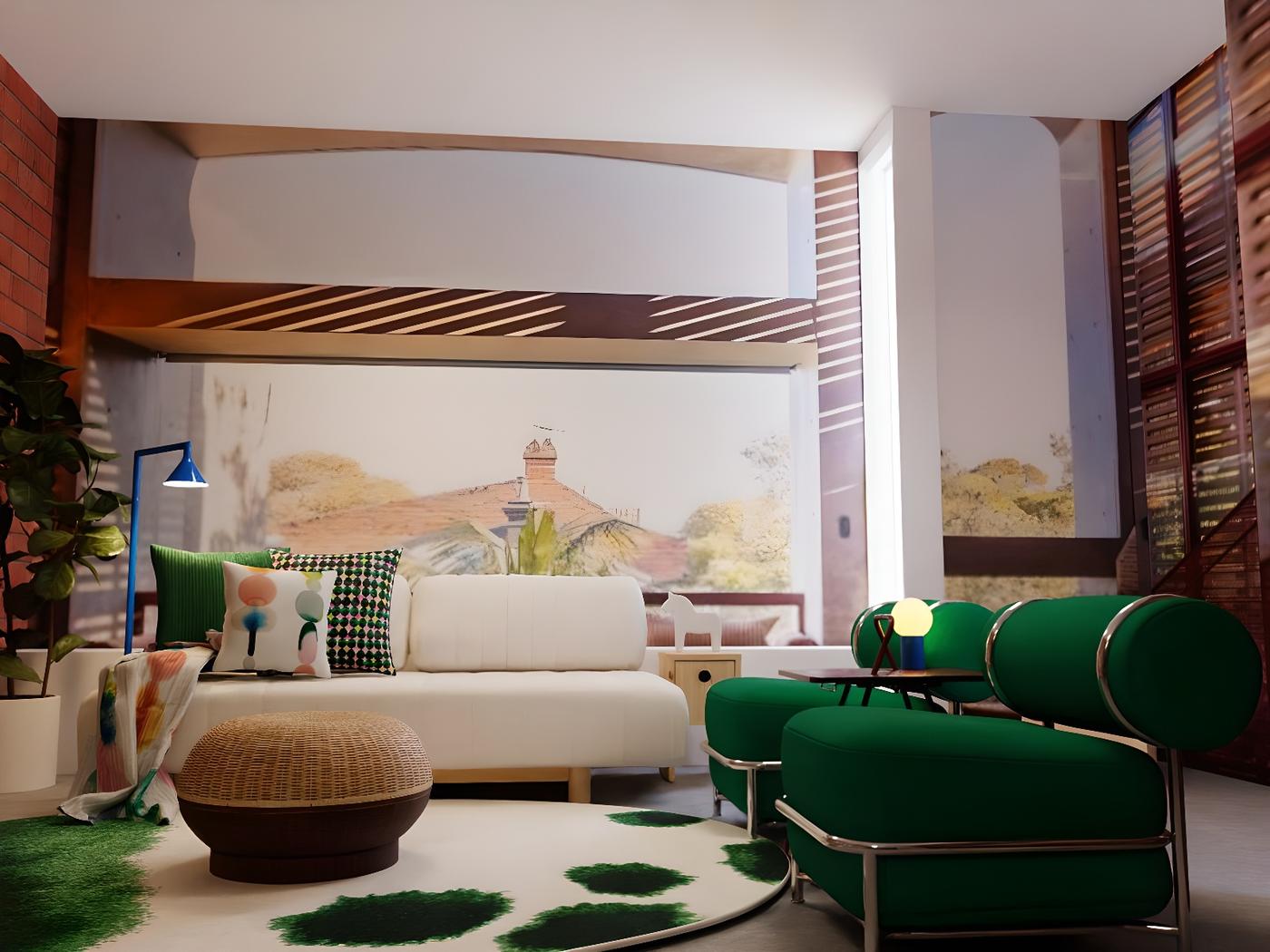
Caitlin Cassidy spent a night inside the staged house for The Guardian and gave the scene the line it probably deserved: “I am hallucinating inside a Scandinavian kindergarten”. About 5,000 people tried to get one of the five stays. The price was $19.95. In the rooms sat the new PS 2026 range, all wobbly cheer and practical jokes, and the whole thing ran from 3 to 8 June.
Look at it coldly and you can see retail theatre. Fair enough. A brand activation with a bed in it is still a brand activation. Maybe it made a limited collection feel rarer than it was. What that reading cannot quite explain is why so many Australians seemed ready to treat a night in a furniture-store fantasy as relief.
“I am hallucinating inside a Scandinavian kindergarten.”
Caitlin Cassidy, The Guardian
Mostly, this was never about sleeping at IKEA. It was about borrowing, for one night, a home that had already made the decisions for you.
The room that answered back
Officially, IKEA had turned a Sydney home into a $19.95-a-night staycation to mark the PS 2026 collection. Forty-three designs were in the range, including chairs, lamps and small objects with shapes that make a room look as if it has remembered how to play.
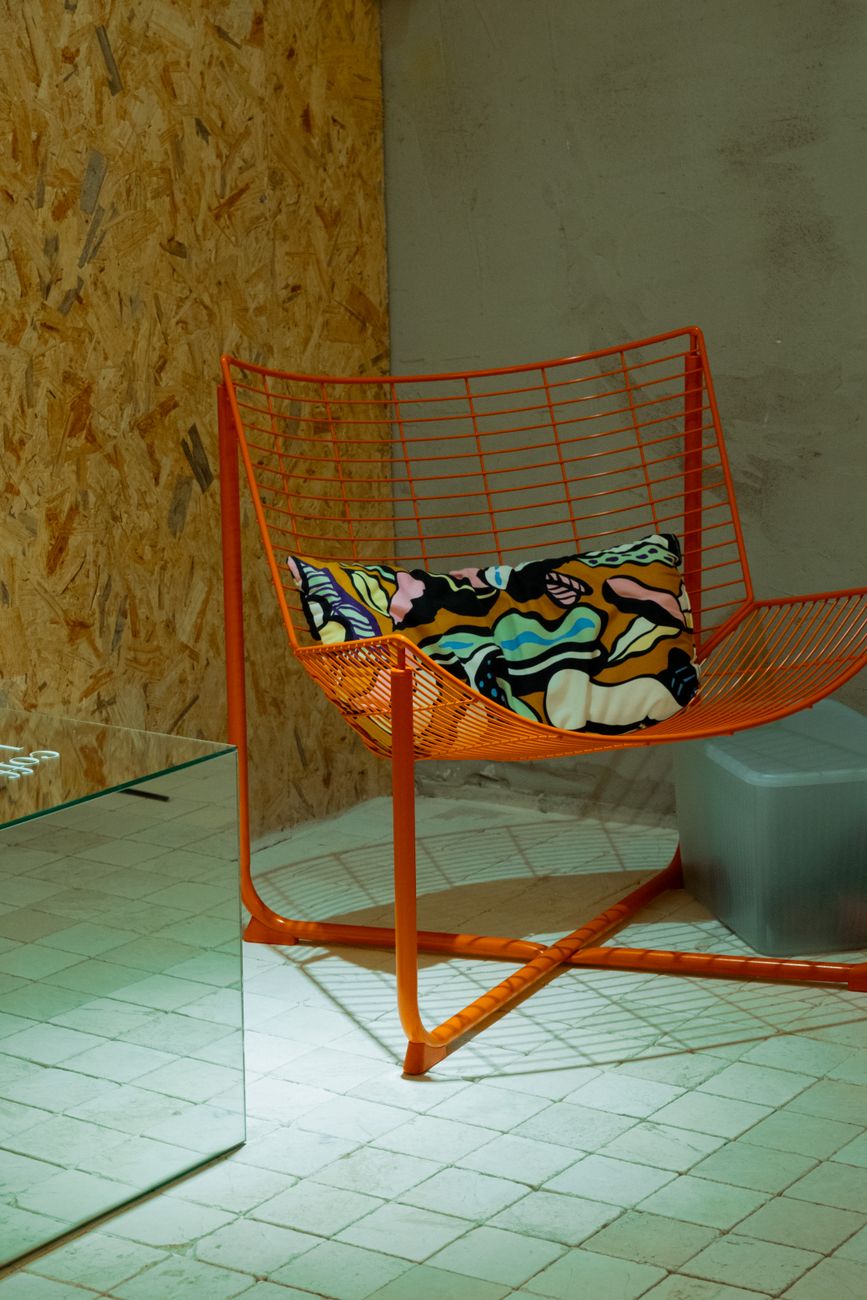
IKEA called the collection surprising, optimistic and brave, while keeping it affordable. Corporate, yes. Underneath that tidy sentence sits the more interesting one: affordable design has to work twice as hard now. It is being asked to do the job of taste, comfort and economic apology all at once.
Most people I know do not live in those finished homes where every object has a reason. They live around compromise. There is the rental sofa they did not choose, the bedroom with one power point in the wrong place, the kitchen shelf that sags slightly under the mugs. Someone always owns a dining chair bought in a panic because guests were coming in 40 minutes. For renters especially, the Australian home can feel like a negotiation table with cushions.
So when a company offers a completed room for less than the cost of a takeaway dinner, the fantasy is not luxury. It is completion. Someone has assembled the flat packs, hidden the screws, picked the orange, decided where the lamp belongs. You walk in and, for once, the domestic background noise drops.
“The IKEA PS 2026 collection delivers that ‘wow, I didn’t see that coming’ moment, something surprising, optimistic, playful and brave, while always staying affordable.”
Patricia Routledge, IKEA Australia
Affordable is doing a lot of labour there. The word keeps the fantasy democratic. Better still, it keeps the room close enough to ordinary life that you can imagine taking a piece of it home, even if the full version stays out of reach.
Scarcity made the cheap room precious
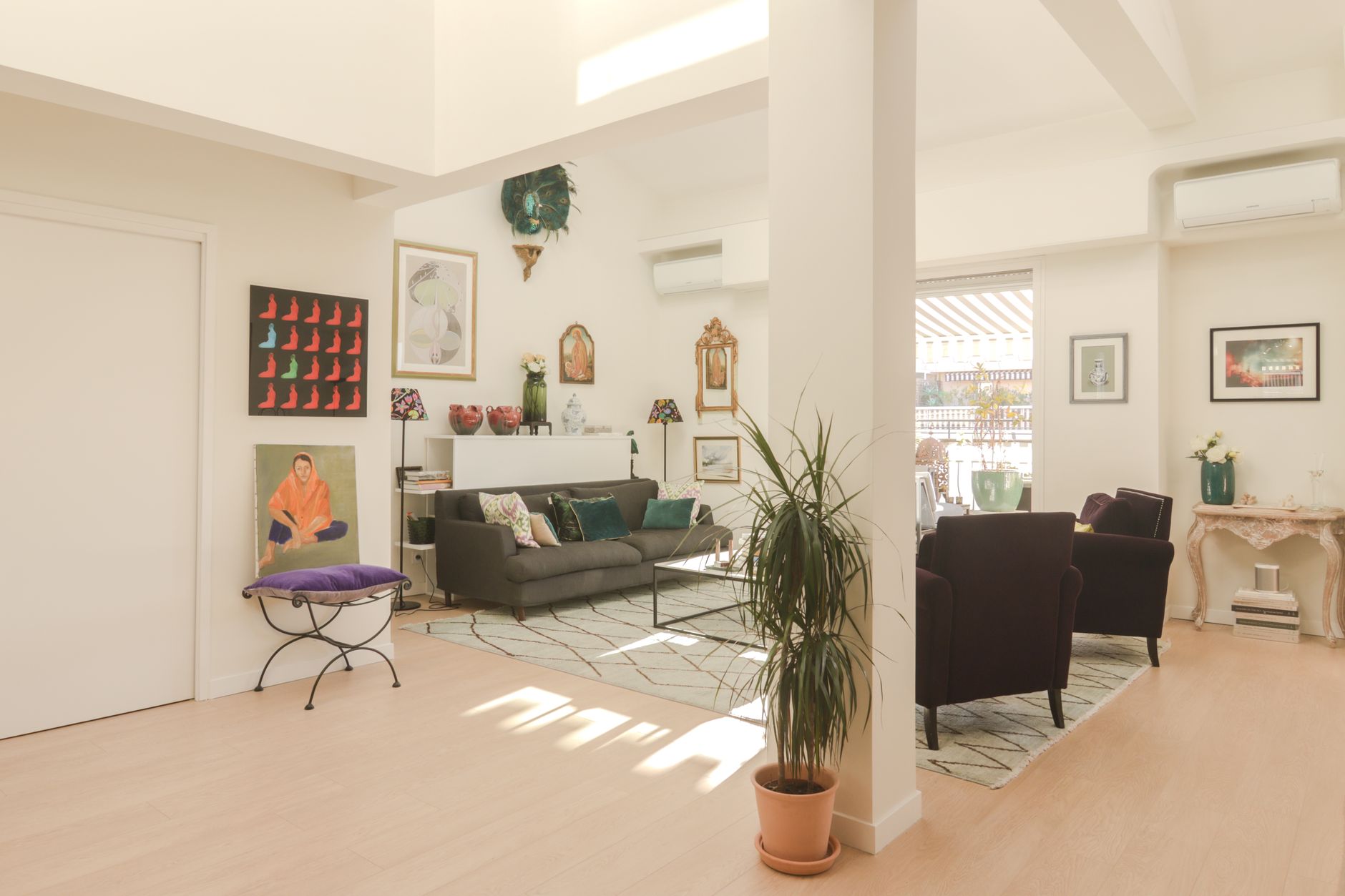
As design stunts go, the cleverness was not just that it was cheap. Cheap things are everywhere. This was cheap and almost impossible to get. Five nights, 5,000 hopefuls, a house fitted out with 105 items assembled by 12 staff in 48 hours. Not a hotel booking. A lottery for a feeling.
Here is where the design critic in my head gets twitchy. Scarcity can make almost anything seem more meaningful. Limited collections invite people to confuse access with value. Put a deadline on an ordinary chair and sitting in it starts to feel like an event.
Still. I am less convinced that this makes the feeling fake. Many of us already experience home through scarcity, only less charmingly. Not because homewares are rare, exactly, but because the conditions that make a home feel settled can be. Long leases. Spare rooms. Time to decorate slowly. The freedom to paint. The confidence that you will still be there next winter.
For renters and share-house veterans, the finished room carries a particular charge. It says: here is what it might feel like if the house did not keep reminding you it belonged to someone else. Here is a lamp you are allowed to love without first checking the bond-cleaning clause. Here is a sofa that does not have a former flatmate’s history embedded in it.
Yahoo Life Australia reported shoppers queuing before sunrise for the wider PS release, with Ainslie Woodham, IKEA Australia and New Zealand’s home furnishing and retail design manager, describing a shift away from purely functional homes.
“What we have seen is that Australian homes have become highly functional after the past couple of years of needing to work harder than ever, but now there’s a growing shift back towards homes that are full of feeling, personality, and emotionally connected to the people living there.”
Ainslie Woodham, IKEA Australia and New Zealand
That feels right to me. During the pandemic, home had to work harder. Through the cost-of-living years, it had to justify every purchase. Now the pendulum is moving, not all the way back to extravagance, but towards feeling. A strange lamp. A chair in a colour you cannot explain. Fake flowers without the old shame.
Beige got tired before we did
No wonder the campaign landed in the same week interiors people were talking about playfulism and the return of unapologetically fake flowers. Homes to Love argued that stylish homes are embracing artificial bouquets again, not as a guilty shortcut but as part of a broader move away from beige restraint.

I have a soft spot for beige when it is honest: linen in a hot room, clay tiles, oatmeal paint that actually calms a hallway down. Beige as a moral position, though, has started to feel exhausted. It promised serenity and often delivered a room afraid of being caught wanting anything.
PS 2026 has a different mood. IKEA Global describes the collection as playful functionality, and that phrase sounds suspiciously like marketing until you look at what people are craving. Not chaos. Not maximalism for its own sake. Something more like permission.
Permission to let a room have a joke in it. Permission to buy the odd-shaped lamp instead of the correct one. Permission to make a small rental corner feel intentional, even if the carpet is still landlord grey and the blinds still clatter at 2am.
Marie Claire Australia’s homewares-sale piece caught a neighbouring mood: the way a feed full of celebrity-house tours and chic apartments can make one small sale feel like a total redesign. Slightly embarrassing, but true. We know a tray will not fix the rent. We know a lamp will not make a one-bedroom bigger. We buy them anyway because they let us rehearse a life with more agency in it.
A budget object can be silly and still serious. In fact, silliness might be the point. After years of homes being optimised for work calls, storage, resale, neutral appeal and everyone’s nervous idea of good taste, a cartoonish chair can feel like a tiny refusal.
What followed her home
Cassidy’s return stayed with me more than the novelty of being alone in the house. The staged fantasy threw her ordinary IKEA life into relief. That, to me, is where the stunt becomes more than a stunt. It does not sell you a dream because the dream is unattainable. It sells you a dream because bits of it are painfully attainable.
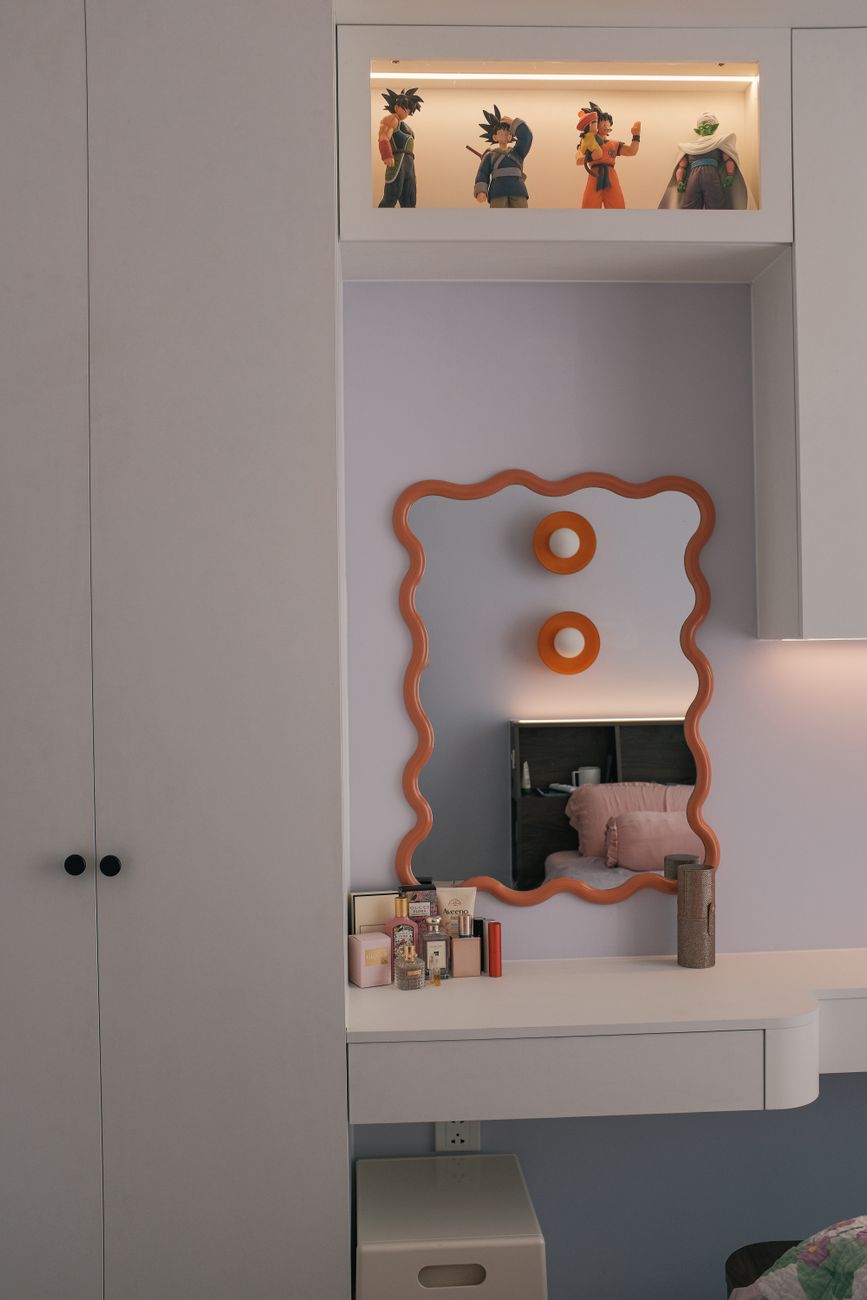
Retail theatre can still mean something. We do not need to pretend IKEA is a benevolent design fairy. The company knows exactly what it is doing when it turns a collection launch into a sleepover. Furniture is being sold through mood, access and a little controlled absurdity.
The tapped mood, though, is real. Australians are tired, and not only in the work-life-balance way that lifestyle pages like to flatten into a candle recommendation. Tired of homes that ask for patience they cannot afford. Tired of saving for renovations that keep moving further away. Tired of the polite lie that good design is either minimalist restraint or a major spend.
Small upgrades matter because they are small enough to be possible. Homes to Love’s recent reader-led renovation story made the point in a more practical register, showing how modest changes can alter the feeling of a room without tipping into renovation debt. A staycation house is the theatrical version of that same instinct. Let me change the room. Let me feel the change before I have to justify it.
I might be wrong about this, and perhaps in a fortnight the PS frenzy will read like another limited-drop fever dream. The shelves will refill or not. The orange chair will become someone’s excellent purchase, someone else’s marketplace regret. Soon enough, the Sydney house will be packed down and its objects returned to the grammar of ordinary retail.
Still, I keep thinking about that $19.95 price. Too low to be luxury, too specific to be accidental. It made the whole fantasy feel close enough to touch, which is exactly the sort of closeness that can make a person ache. Not for a perfect home. Perfect homes are usually terrible company.
For a chosen one. For a room that answers back. For one night, maybe, when the screws are hidden and the lamp is already glowing.

The Lifestyle Desires brief
Style, food, travel and wellbeing — weekly in your inbox.
Subscribe