The renter micro-makeover that changes a room
An hour, roughly $200 and a better eye for light, texture and scale can make a rented room feel far less borrowed.
There is a particular insult in a rental room that is clean, beige and perfectly serviceable, yet still reads as if someone else might come back for it. The overhead light is too cold. The walls are blank in that apologetic way. The bed, sofa or desk is doing its job, but not much more. I know this mood. Most renters do.
A designer shift doesn’t come from buying a new room. It comes from changing the atmosphere in the right order. Give yourself an hour, a budget of roughly $200, and permission to focus on one room only. Do that, and the place can stop reading temporary long before the lease does.
This is the order I would use. Not glamorous. Still effective.
1. Start with the corner that feels most borrowed
Before you buy a single thing, stand in the doorway and work out which part of the room is making everything else look unfinished. Sometimes it’s the hard glare from the ceiling fitting. Sometimes it’s a bare wall above the sofa. Other times it’s the bedding that’s gone flat from overuse. Pick the one area that gives the room its temporary mood, because that’s where the quickest win usually sits.
I find it helps to take one phone photo here. Rentals flatten in real life, then read even flatter on a screen, which is useful. You’ll notice the bad scale, the lonely lamp, the too-small art, the surface clutter. You’re not after a shopping list. You’re after a diagnosis.
2. Fix the light before you touch the furniture
If I had to spend money anywhere first, I’d spend it on lighting. Freedom’s 2026 home décor forecast puts it plainly: the fastest wins come from lighting, table-top styling and tactile layers. That holds in a rental, because poor light makes even decent furniture read harsher and cheaper than it is.
So start small. Switch off the overhead when you can. Bring in one lamp with a softer shade, or move the lamp you already own into the room that needs it more. Aim for a lower pool of light near the place you actually sit, read or get dressed. The room should feel calmer within minutes. If it doesn’t, the bulb is probably too bright or too cool.
Light changes your colours for free. Beige walls read less mean. Timber reads warmer. Even the budget bookshelf you assembled in a bad mood can start behaving itself.
3. Add one tactile layer, not five decorative ones
The temptation, especially after a long scroll through Mamamia’s 23-homewares edit, is to keep adding little things until the room seems finished. I’m less convinced by that approach. Tiny objects multiply faster than atmosphere does.
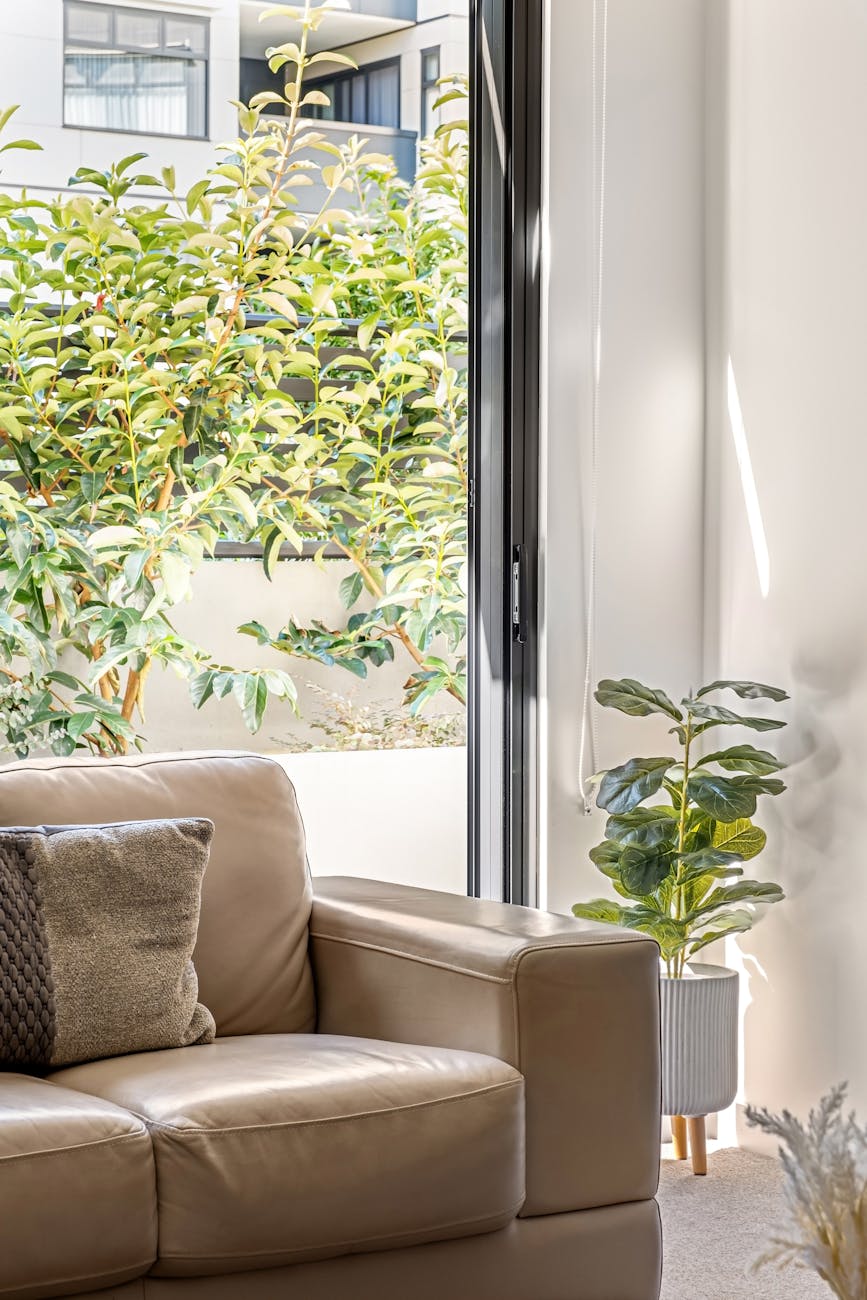
I’d go for one tactile layer with enough presence to shift the room on its own. In a bedroom that might be washed linen, a weightier coverlet or one pillow with actual heft. In a living room it could be a throw with real texture rather than a thin decorative gesture. You want the room to feel handled, not accessorised.
Pillow Talk’s rental decorating guide notes that creating a home inside a rental can be difficult. I think the difficulty is emotional before it’s ever practical. Texture helps because it makes a room feel occupied by a person, not processed by a landlord.
4. Use one hard, reflective note to fake intention
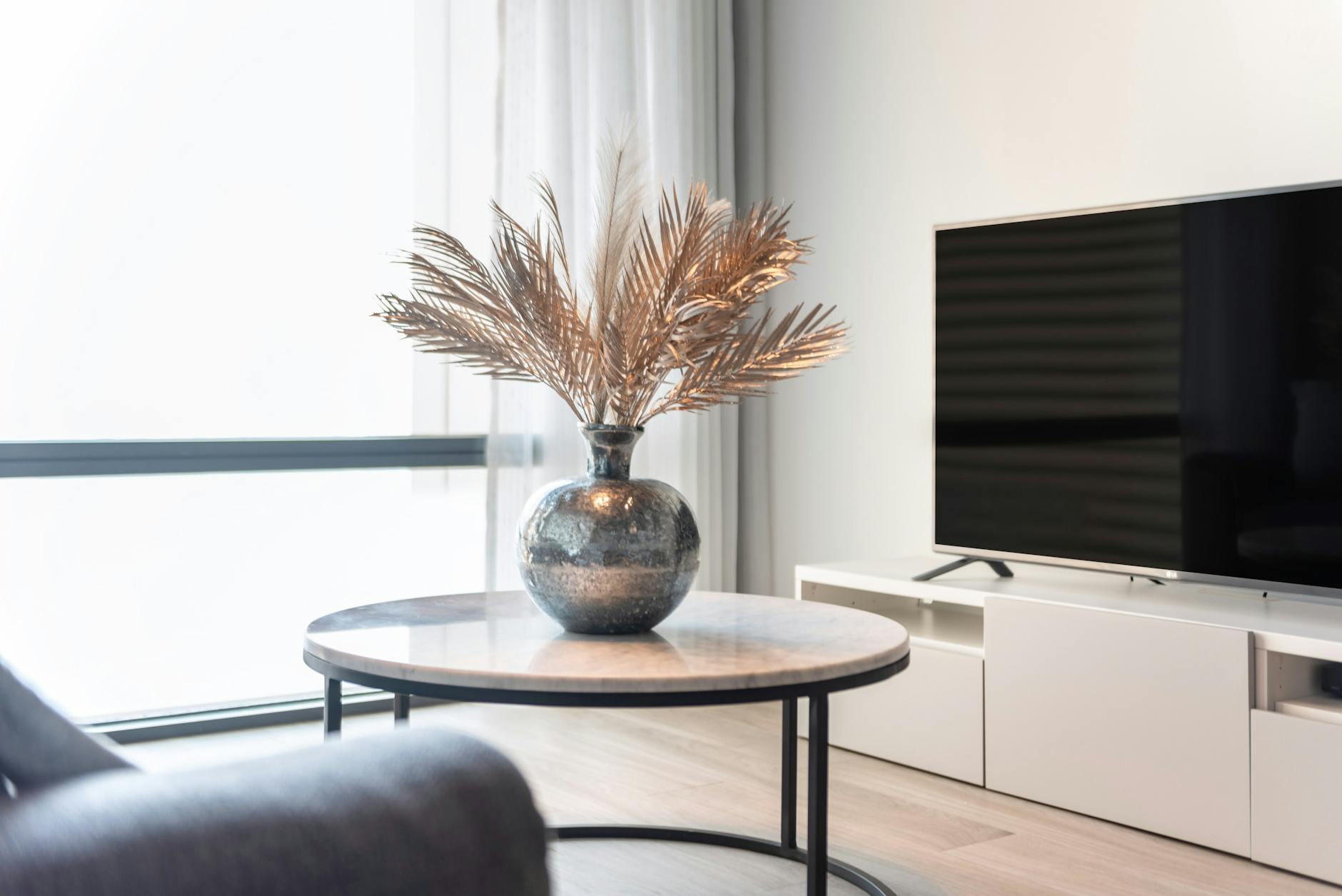
Softness alone can make a room drift. This is where a small hard finish helps. A chrome lamp base. A glass tray. A glazed side table. Something with reflection. An object that catches the light you fixed in step two and gives the eye a clean edge to land on.
The current appetite for designer-looking dupes can also be useful here, if you stay disciplined about it. 7NEWS’ homewares dupe round-up exists because plenty of us want the silhouette of a more expensive room without the invoice. Fair enough. Just don’t turn that instinct into six lookalike purchases. One shape with a bit of polish will do more than a whole shelf of almost-luxury clutter.
5. Give the wall one job, and make it a bigger job than you think
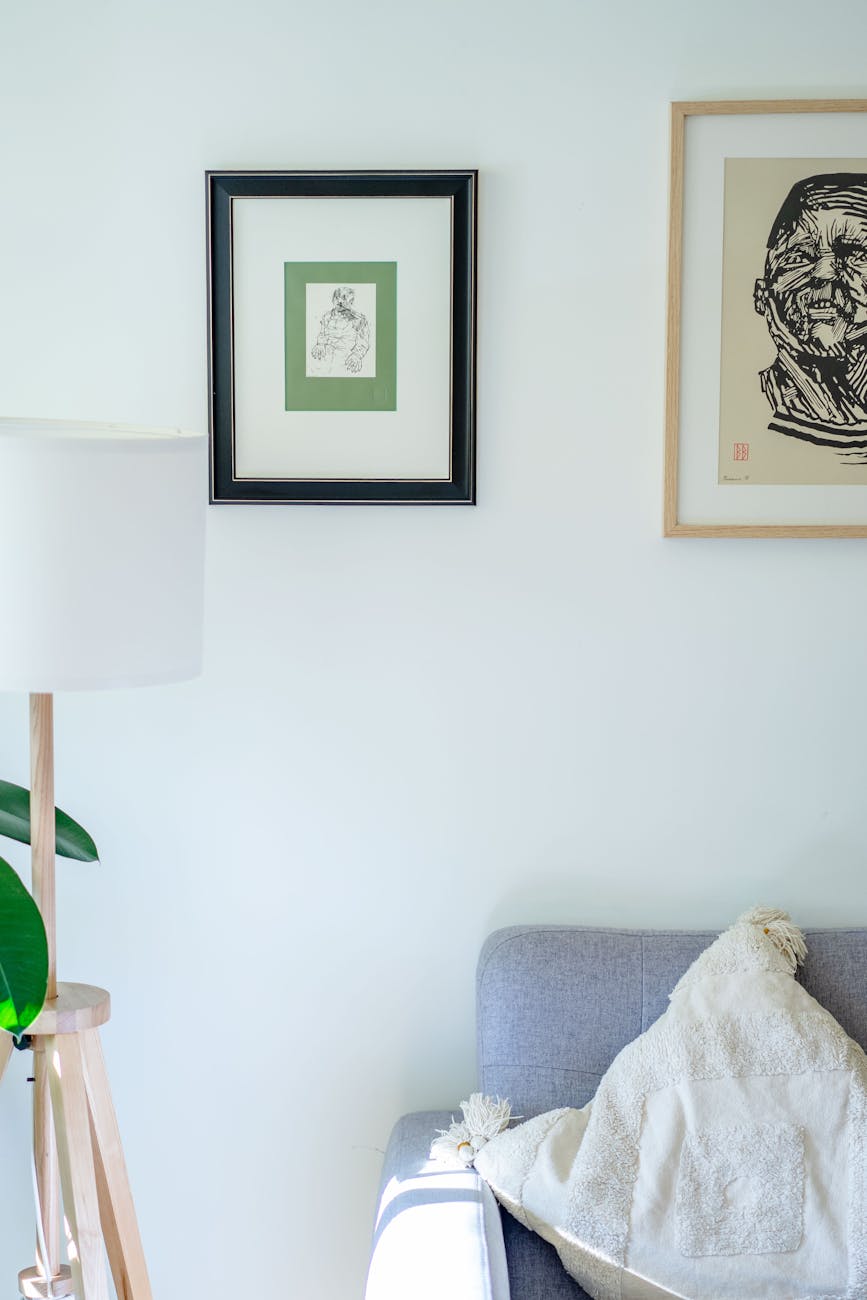
Blank rental walls have a way of making everything below them read temporary. The fix isn’t always more art. Often it’s larger art, or at least art that sits with more authority. One oversized print, one framed textile, or one leaning piece on a console can steady a room faster than three little frames ever will.
Here, scale matters more than novelty. If the room still looks timid, the artwork is probably too small or hung too low. Raise it a little. Widen the visual footprint. Let the wall carry some of the room’s confidence instead of asking the coffee table to do all the work.
I’d rather see a room with one good visual anchor than a nervous arrangement of many cute things. Rentals already have enough compromise built in. The styling shouldn’t add more.
6. Edit one surface until it looks deliberate
Once the light, texture and wall are behaving, choose one surface to edit properly. A bedside table. A coffee table. The top of a low shelf. The Design Files’ renter-friendly DIY piece is helpful here not because everyone needs a project, but because it nudges you towards agency. A room starts feeling designed when it stops reading accidental.
On that surface, keep the composition tight. A lamp or stack of books. A bowl. A branch. Maybe one object with gloss or stone. Then stop. The room doesn’t need twenty-three fresh purchases to make its point. It needs one area that looks considered enough to suggest the rest of the room has a pulse.
7. Spend the last money on what you touch most
If there’s any budget left, put it into the item your body meets most often. Better sheets. A more convincing pillow. A proper bath mat if the room is the bathroom. A chair pad if the problem room is where you work. It’s less photogenic than buying another decorative object, but it’s usually the difference between a room that merely looks nicer and a room that actually changes your day.
A budget micro-makeover earns its keep here. The room shouldn’t just read better from the doorway. It should feel easier to inhabit at 7am, or when you come home tired and slightly cross, or on Sunday afternoon when the light turns soft and you realise the place has finally started to belong to you.
Troubleshooting when the room still feels flat
If the room still looks cold, go back to the lighting. That’s the usual culprit.
If it looks busy rather than calm, remove half the small objects before you buy anything else.
If it looks neat but still temporary, the art is probably too small or the textiles are too slight. Give the room one thing with scale.
What to do next
Live with the reset for a week before adding another layer. A rental room improves when each change has a job. First light. Then texture. Then one reflective note. Then scale. If you can feel the room exhale when you walk in, you’re done. Save the rest of the budget for the next corner.

The Lifestyle Desires brief
Style, food, travel and wellbeing — weekly in your inbox.
Subscribe