The $19.95 room where IKEA sells hope
IKEA PS 2026 turns budget furniture into a small-space fantasy, pairing a $19.95 Sydney stay with colour, wit and rental-era optimism.
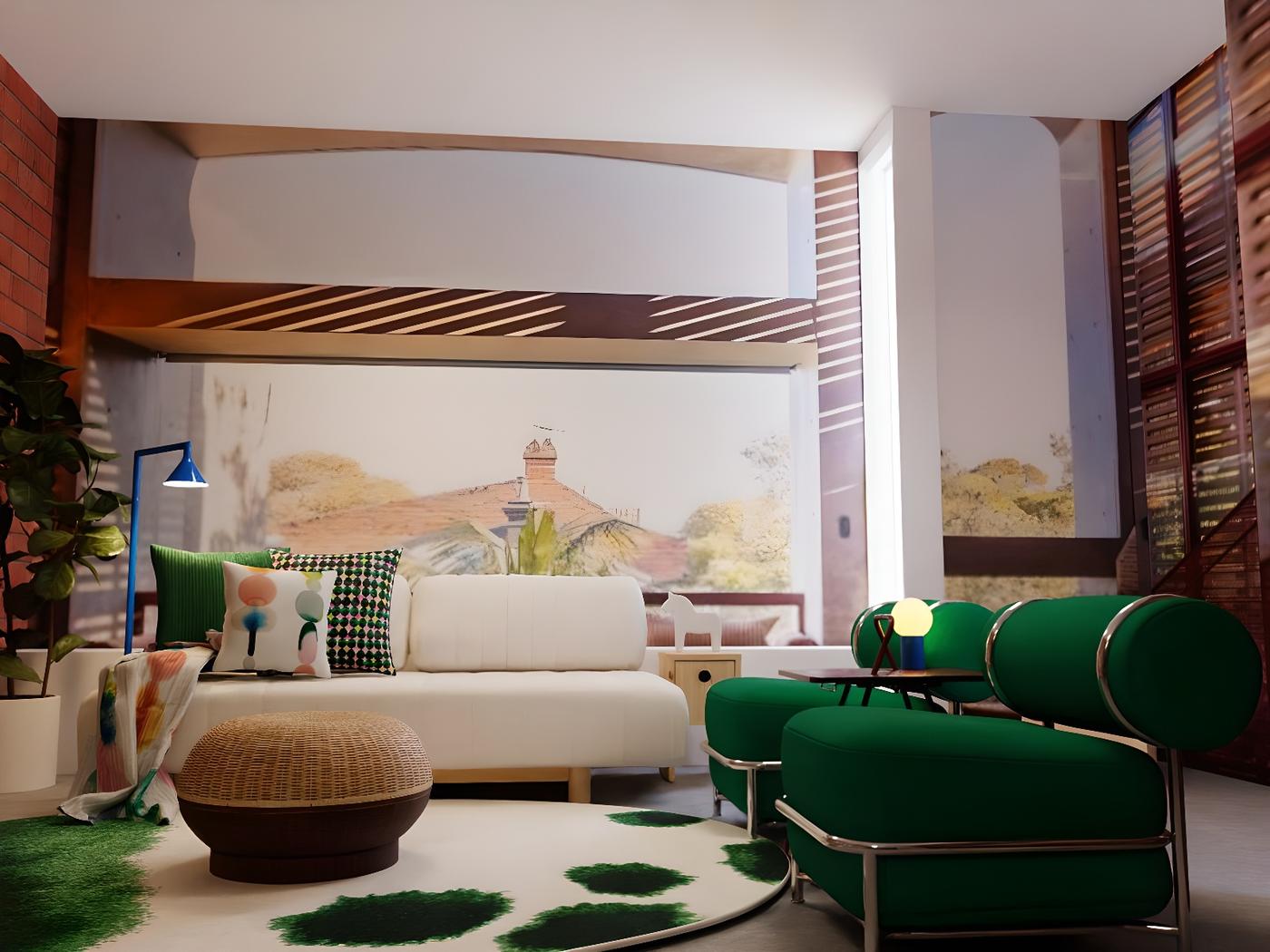
A $19.95 night in a Camperdown house full of unreleased furniture should, on paper, be the kind of stunt you notice, smirk at, then forget before lunch. Most of them are. This one hangs around. What IKEA PS 2026 is really selling is permission to believe budget design can still feel playful, even a little transporting, instead of dutiful.
If you rent, or if you’ve ever asked one Sydney room to do the work of three, that pitch lands in the body before it lands in the brain. You notice the fold-out seating, the portable light, the hit of colour, the possibility of a home that does not look assembled entirely from compromise. After a nine-year gap, as Gear Patrol noted, the PS line is back with 43 pieces from 12 designers, due in stores from 4 June. The facts are neat. The feeling is messier. More revealing, too.
There is a cooler read of all this. Maybe it is simply a sharply timed mood-board correction, a retailer noticing Australian interiors have spent too long kneeling at the altar of beige restraint. Homes To Love argued that playfulism is pushing back on those polished, hushed rooms. I buy that, up to a point. The more interesting part is that IKEA seems to have remembered how to make affordability feel like a scene again, not a sacrifice.
The beige years did us no favours
Home culture, for a while there, asked us to behave as if seriousness were a virtue on its own. Pale oak. Boucle. Curves so well behaved they may as well be apologising for taking up space. I understand the pull of a calm room, and I still love an honest timber table, but a lot of aspirational interiors started to feel less like homes than compliance tests.

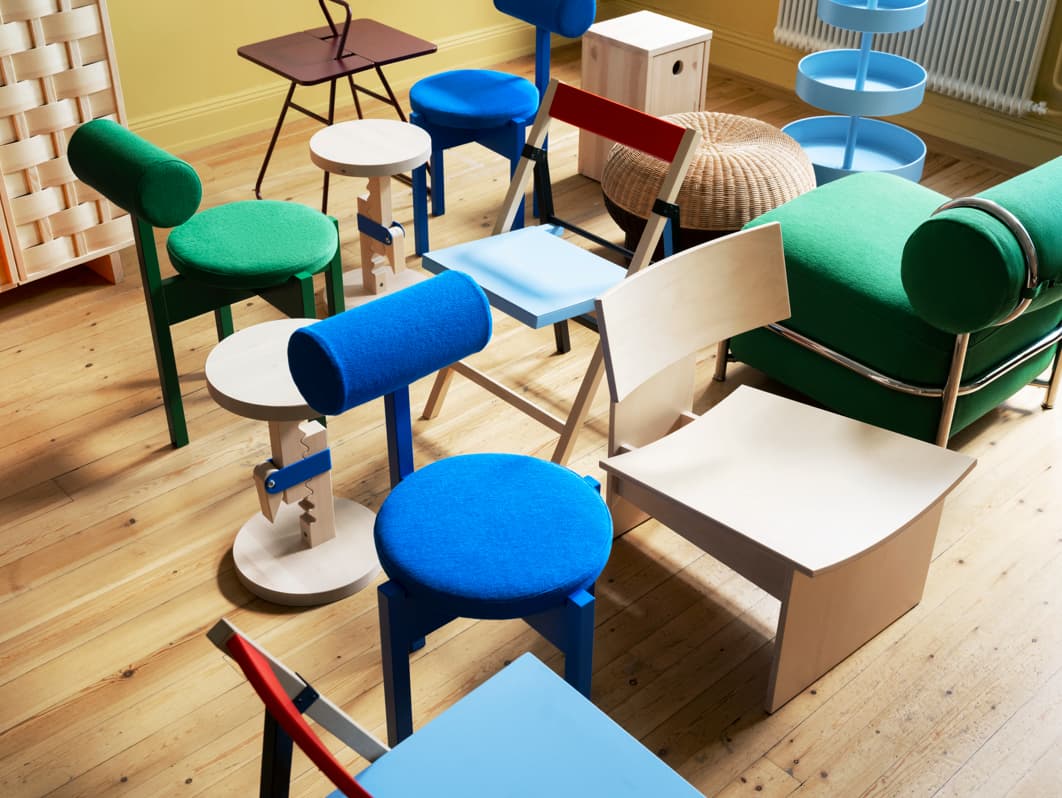
The history of the range matters here. Since 1995, the IKEA PS collection has been the place where the company lets itself go a bit strange while still honouring the low-price brief. This year’s line is full of pieces that seem to wink at you: a rocking bench in solid pine, a chair that inflates, a lamp that can travel from shelf to balcony to bedside. Not luxury, exactly. More like relief from the idea that living cheaply has to look pious.
I’ve spent enough time in freshly renovated apartments to know how quickly all that soft neutrality can start to feel stern. A tomato-red lamp or a chair with some comic confidence does not fix the rent, but it does interrupt the piety. Sometimes that interruption is the whole point of decorating on a budget. You are not building a set. You are trying to keep your spirits up.
In IKEA’s own launch material, home furnishing manager Ainslie Woodham puts the philosophy more plainly than I can:
“good design doesn’t have to be serious to be smart.”
— Ainslie Woodham, IKEA Australia
That line works on me because it answers a real fatigue. Plenty of us are tired of interiors that ask to be admired from the doorway and nowhere else. What PS 2026 is selling, and what the best affordable design has always sold, is a certain domestic looseness: rooms that can move, laugh a little, survive clutter, and still give you one handsome thing to look at while the kettle boils.
A staycation is doing more than selling furniture
The Camperdown stay is the sharpest part of the launch because it understands something basic. Australians do not just shop for furniture. We shop for a version of ourselves inside it. Nobody is booking a designer house for $19.95 because they need help comparing specs. They want to stand inside a room where budget choices do not read as second-best.
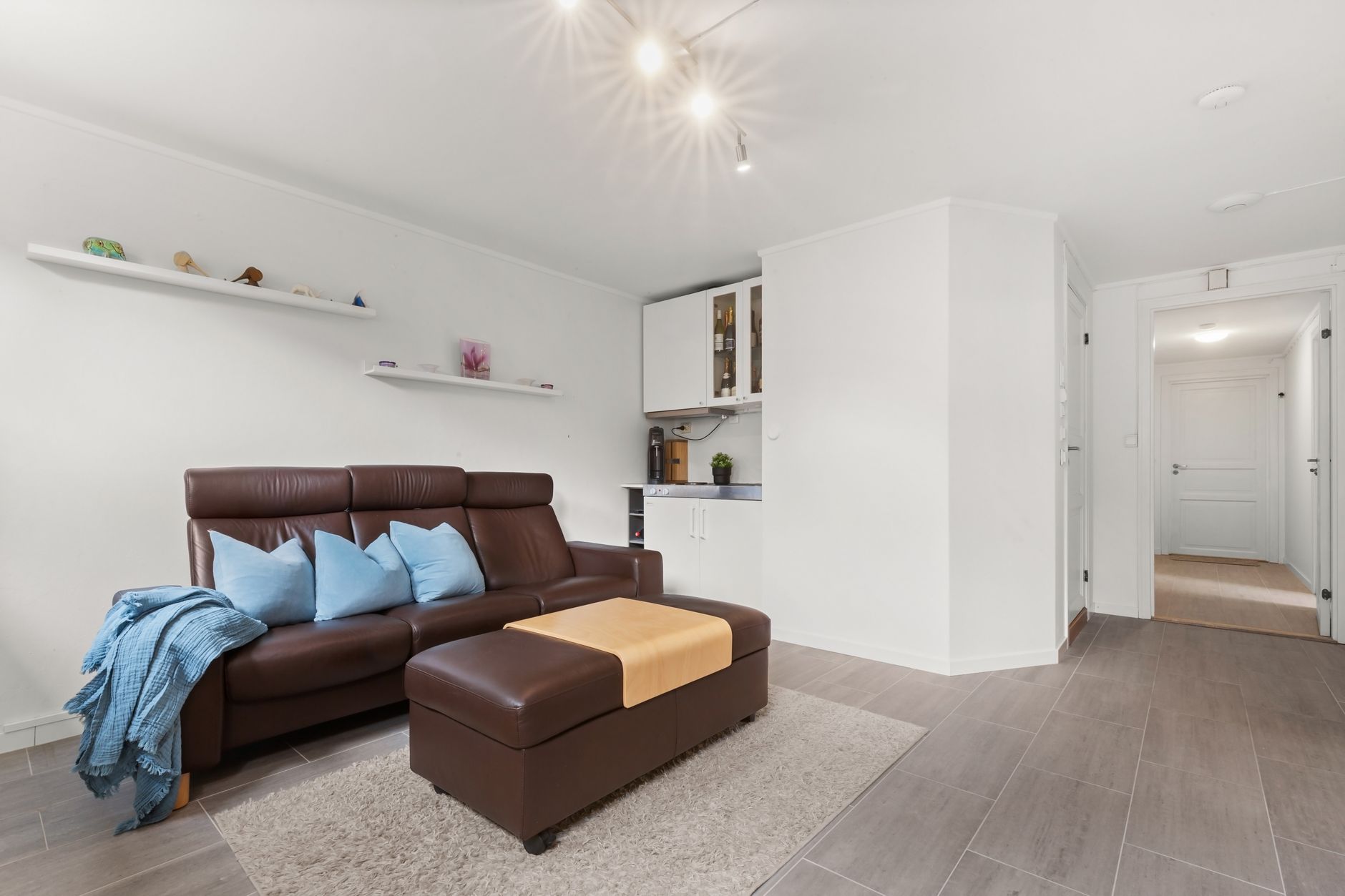
Set beside 9Honey’s reporting on the stay and Concrete Playground’s description of the immersive takeover, the house reads less like a showroom than a temporary proof of concept, staged in a city where a long weekend can get financially rude very quickly.
Patricia Routledge, head of communications for IKEA Australia and New Zealand, made the pitch in 9Honey’s piece:
“It is about showing that thoughtful, well-designed spaces can still deliver comfort, joy and a sense of escape without needing to be expensive.”
— Patricia Routledge, 9Honey
The phrase I keep circling is “sense of escape”. That is the emotional product. For years, affordability in home retail was framed in moral terms: be clever, be efficient, be realistic. This launch swaps realism for fantasy, though in a measured key. Not marble and double-height glass. A compact Sydney house, some cheerful pieces, a ticket price low enough to feel cheeky. Aspiration works better when it stays legible.
There is also a sly local truth under all of this. Australian home culture has long borrowed the language of luxury even when our real lives are shaped by rentals, narrow terraces, shared walls and the occasional humiliating lack of storage. A fully immersive, low-cost stay lets IKEA meet people where they live, then push the scene a few degrees brighter. It is marketing, yes. Marketing can still tell the truth about desire.
Small-space optimism has to earn its keep
This is the bit where the renter’s question matters more than the colour story. Do these pieces actually solve anything, or do they just photograph well in a launch house? I’m less interested in whether a chair looks clever for six minutes on Instagram than in whether it can live by a window, hold a bag, move for guests and not make a small flat feel tighter.

Look closely and the best argument for PS 2026 is that much of it is built around real domestic pressure. The IKEA PS 2026 chair folds out into a chair-bed. The IKEA PS 2026 LED portable lamp behaves less like a fixed fitting than a companion object, something you can pick up and carry to wherever the evening has drifted. In Dezeen’s interview with Lex Pott, he sounds alert to the difference between novelty and utility.
“When something is only playful, it risks becoming a gimmick. And when it’s only functional, it can lack joy.”
— Lex Pott, Dezeen
For a renter, that is the beginning of an answer. Fold, rotate, hide and carry are not abstract verbs in a one-bedroom flat. They are the difference between an object earning its footprint and becoming a petty daily resentment. The furniture does not need to solve every housing indignity to feel useful. It only has to admit that people want flexibility without being sentenced to ugly pragmatism.
On IKEA’s side of the argument, the language around the range keeps returning to adaptation, movement and change. That is not accidental. A static, precious object belongs to someone else’s fantasy. A rocking bench, an inflatable easy chair, a lamp that turns red then blue: those belong to people who still need the room to do several jobs before bedtime. Small-space design is rarely about purity. It is about being forgiven for real life.
The fantasy only works if it stays ordinary enough
The skeptic’s question is still the right one to end on: what happens when the launch glow wears off? Tom’s Guide’s first look was charmed by the inflatable easy chair, but charm is the easy part of any preview. The harder test is whether these objects still feel generous once they are sharing floor space with chargers, laundry racks and that chair where every jacket goes to die.

I suspect some of the more theatrical pieces will land better in photographs than in ordinary homes. Fine. A collection like this does not need a perfect hit rate to say something useful about taste. It only needs a few pieces to survive the trip from launch fantasy to Tuesday-night life. One lamp, one bench, one fold-out chair that does not feel apologetic, and suddenly the whole argument looks sturdier.
What PS 2026 gets right is the scale of the dream. It is not offering Australians a reinvention on a Toorak budget. It is offering a small domestic mood lift that still understands the grocery bill. The Times’ early look at the range called the best pieces brag-worthy on an IKEA budget, which is close to the emotional bullseye. The boast is not that you spent a lot. It is that you managed to make your place feel a bit more alive.
I keep coming back to that Camperdown room and the odd modesty of the price. Nineteen dollars and ninety-five cents is low enough to feel like a joke, which is exactly why it works. The transaction becomes a wink. Come stay here, the brand is saying, and remember that living cheaply does not have to mean living without wit. After years of tasteful restraint, that is not a bad fantasy to sell. It might even be one worth buying into.

The Lifestyle Desires brief
Style, food, travel and wellbeing — weekly in your inbox.
Subscribe