Ethically made T-shirt cost: what feels fair now
Ethically made T-shirt cost is less about the tag than labour, fabric, certification and how often you will actually wear it.
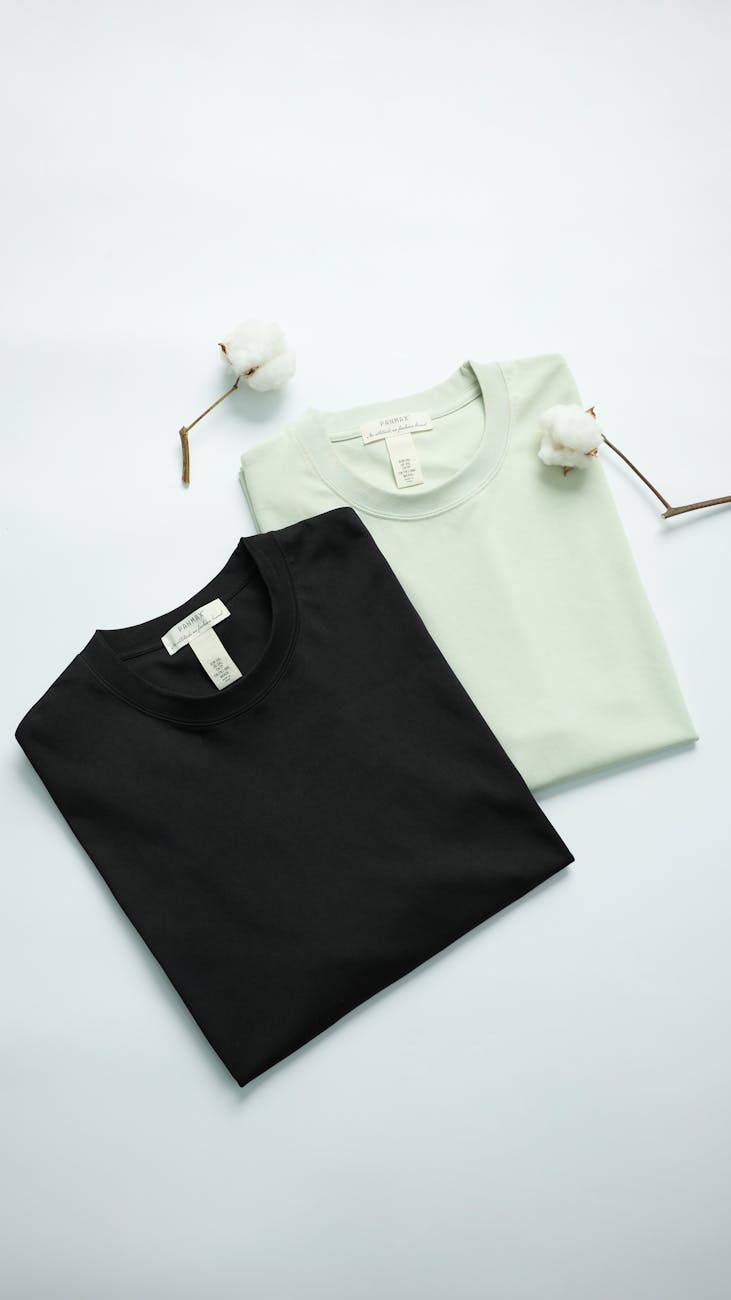
There is a specific little shame that lives under fluorescent change-room lighting. I have felt it most often with a white T-shirt in my hand, because a white tee is supposed to be the easy thing. Late Thursday, bad mirror, one version cheap enough to add beside the lip balm at the counter and another priced like dinner for two if nobody orders wine. On the dearer hanger: organic cotton, fairer work, traceability. Beside it, the cheap one just looks clean.
I wish the moral maths were tidy. Grimly comforting, almost, if every $8 T-shirt were rotten and every $80 T-shirt were decent. Clothes refuse to behave that neatly. On its own, the price tag on an ethically made T-shirt says less than brands want you to think, and more than bargain hunters, me included, sometimes want to admit.
By the third tug on the hem, the better question is not, “is this too expensive?” More useful: what would have to be true behind the seam for this price to make sense?
The number on the tag
The neat answer is also the one least likely to satisfy anyone standing at a rack: there is no single fair price. In Hilary Osborne’s Guardian reporting on ethical T-shirts, Good on You co-founder Gordon Renouf puts the awkward bit plainly.

“Our ratings show that price is not a reliable indicator of ethical production.”
Gordon Renouf, Good on You, in The Guardian
That should probably be printed on the inside of every minimalist boutique tote. Sometimes price buys cotton. Sometimes wages. Sometimes rent in a pretty suburb, a founder’s fondness for thick cardstock, a campaign shot against sandstone, or a margin padded because the customer has been trained to believe virtue should feel expensive.
Still, price is not meaningless. Down at the very cheap end, it starts to look like a confession. Osborne’s piece points to £3 to £5 T-shirts as the zone where the numbers strain credibility: raw material, cutting, sewing, transport, retail margin, compliance and something resembling fair pay all have to fit inside a price that barely covers a flat white in Sydney. Without seeing a factory ledger, I can still guess someone, somewhere, is being asked to absorb the difference.
Here my scepticism flips. I distrust a brand using “ethical” as a luxury mood board. I also distrust the fantasy that the cheapest possible garment can carry decent labour standards by magic.
Where the money should go
Ethical Clothing Australia has a useful, unglamorous phrase for it: responsible production costs money. Its explanation of why ethical fashion can be more expensive than fast fashion is not trying to make shoppers feel saintly. It shows what sits underneath a price: legal wages, safer conditions, local manufacturing where it exists, audits, slower timelines and less violent discounting.
For Australian readers, that matters because imported clothes can turn labour into fog. A tee arrives finished. A checkout page says “conscious”. The person who sewed the shoulder seam is flattened into a claim.
Baptist World Aid Australia’s 2026 Ethical Fashion Report survey support document helps because it keeps dragging the conversation away from fabric romance and back towards worker rights. The language is not sexy. Methodology, survey framing, corporate accountability. Dry stuff. That is partly why I trust it. Ethics is not a vibe; it is a set of choices that can be checked, most of them boring until they are missing.
There is an insider’s version of the story: if a brand is paying properly, sourcing better fibre, documenting its supply chain and refusing to make more units faster, the tee probably should not cost the same as lunch. A good basic carries boring costs. Thread. Labour. Quality control. Freight that has not been hidden inside somebody else’s desperation.
Then the analyst interrupts, as analysts should: luxury pricing proves none of that. A $200 tee can still be a branding exercise with lovely typography. Meanwhile, a $30 one might be doing more ethical work than its modest tag suggests. My job, standing there with the hanger, is not to worship the highest price. It is to interrogate the quiet one.
The small print
The Guardian’s examples are helpful because they do not form a tidy ladder. Osborne lists more accessible options such as Rapanui from £18, Brothers We Stand at £20, Not Basics at £29.99 and THTC at £30. For me, that range is not impulse-buy cheap, but it is not theatrical luxury either. It sits in the uncomfortable middle, where a shopper has to pause.

Ellie Gaffney, a fashion sustainability expert quoted in the same Guardian piece, resists the fantasy of a universal threshold.
“It would be impossible to state a single price that is ‘too cheap to be ethical’.”
Ellie Gaffney, in The Guardian
Annoying, because shoppers love a rule. I do too. Tell me the number, let me write it in the notes app, let me move through the shop with the faint superiority of someone who has done the reading.
No. The reading says to look sideways. Who made it? What is the cotton? Is the certification meaningful, or is it a leaf icon doing all the emotional labour? Does the brand publish enough detail to be checked by someone outside its own marketing department? Maybe it leans on “made in” language that tells you the last stage of production but not the chain that got there.
Good on You’s work on living wages for garment workers is a reminder that wages are not a decorative add-on to sustainability. If the cotton is organic but the person sewing it cannot live on the pay, the garment is not ethically made in any useful sense. Less environmentally damaging, perhaps. Still socially shabby.
Right there, the sceptic in me gets loudest. Fashion has learned the theatre of repair. Cream websites. Close-up shots of hands. A sentence about care. The care might be real. Or it might be styling. Evidence is the difference.
Cotton is not a halo
Organic cotton deserves its place in the conversation, mostly because conventional cotton can be rough on soil, water and the people working around chemicals. Alex Crumbie, an Ethical Consumer researcher, says in the Guardian piece what many ingredient-minded shoppers already suspect.

“Organic is better for the environment and the workers making the clothes.”
Alex Crumbie, Ethical Consumer, in The Guardian
Better, though, is not complete. A tee can use organic cotton and still be made inside a supply chain that goes blurry at the worst possible point. Certification can tell you something important about fibre. It does not automatically tell you everything about wages, subcontracting, overtime, union access or whether the garment will survive more than a season of washing.
At this point, cost-per-wear becomes less dull than it sounds. Ethical Clothing Australia makes the case for thinking beyond the shelf price, and honestly, it is the only bit of fashion arithmetic that has ever helped me buy less. A $70 T-shirt worn once a week for two years is a different purchase from a $25 one that twists at the side seam by October. Expensive is not automatically virtuous. Cheap is not automatically doomed. Has the garment earned a long relationship with your laundry basket? That is the more useful question.
There is a class problem in that sentence. It needs saying plainly. Not everyone can spend more upfront to save later. Cost-of-living pressure changes the ethics of advice. Someone buying the cheapest tee because rent has gone up does not need a lecture from a fashion editor with a nice steamer. They need brands, regulators and retailers to stop making decency a premium feature.
The second-hand escape hatch
If new clothes make the moral equation too slippery, resale changes the shape of it. A second-hand T-shirt does not create the same new demand, and it often answers the budget question without pretending every shopper has spare cash for the perfect certified basic. Pure? No. Nothing involving fashion is pure. Useful is enough.

I keep coming back to the white tee because it is the least romantic garment in the wardrobe. It has nowhere to hide. No complicated silhouette, no useful weatherproofing, no hand-beaded excuse. Just cotton, cut, seam, label, price.
So what should an ethically made T-shirt cost now? More than the price that asks you not to think. Less, maybe, than the price that flatters you for thinking. In the reporting available, the plausible middle begins around those £18 to £30 examples, with room above for genuine quality, local manufacture or better materials, and room for nonsense too.
My rule is unromantic. If a tee is very cheap, I assume the burden has been pushed somewhere I cannot see. If it is expensive, I ask whether the brand is showing me proof or just taste. Any label that cannot tell me who benefits from the extra money has not earned the benefit of the doubt.
The most ethical T-shirt in my drawer is probably not the one with the noblest tag. It is the one I keep wearing, washing carefully, repairing badly, and reaching for on the mornings when I cannot bear another decision. Fashion loves a fresh purchase. Ethics, inconveniently, tends to prefer an old favourite.

The Lifestyle Desires brief
Style, food, travel and wellbeing — weekly in your inbox.
Subscribe