What solo-maxxing says about the price of being coupled
Solo-maxxing is turning dating costs into a relationships question, with $200 date nights making single life feel less like failure.
I keep coming back to the first drink. Not the person across from you, not the app chat that somehow survived three reschedules, not the tiny moral theatre of deciding whether jeans look relaxed or like you have given up. Just the drink. In Sydney, it can arrive looking innocent enough, sweating under a bar light, and then comes the bill with the sly confidence of a parking fine.
That unromantic object sits at the centre of solo-maxxing, the newest name for choosing single life on purpose and spending your money, time and attention on yourself instead. I do not love the term. It sounds like something a productivity bro would say while steaming broccoli. Still, the behaviour underneath is harder to dismiss. As the Guardian framed it this week, plenty of young people are not opting out only because dating is awkward. They are looking at the price of participation and deciding the maths has gone feral.
By the third paragraph, the counterpoint has to come in: choosing yourself can be self-respect, but it can also be a velvet rope around fear. A psychotherapist quoted by VICE described solo-maxxing as an intentional decision to live solo and focus your finances and time on yourself rather than on a relationship. Clean, in theory. Actual life is messier. Sometimes the same decision is a budget, a boundary and a bruise.
“Solo-maxxing is the trending name for the intentional decision to live solo and focus finances and time on yourself, rather than on a relationship.”
Matthew Willner, quoted by VICE
The bill arrives before the person does
Money is not the whole story, but it is not imaginary either. BMO’s Real Financial Progress Index put the average all-in date spend in the US near $189, with Gen Z averaging $205, and found that 47 per cent of singles say dating is not financially worth it. Half of Gen Z respondents and 40 per cent of millennials, the same survey said, feel dating gets in the way of their financial goals. Romance is not dying in a group chat. It is sitting beside rent, groceries, transport, gym memberships and the vague obligation to have a skincare routine that does not destroy your face.

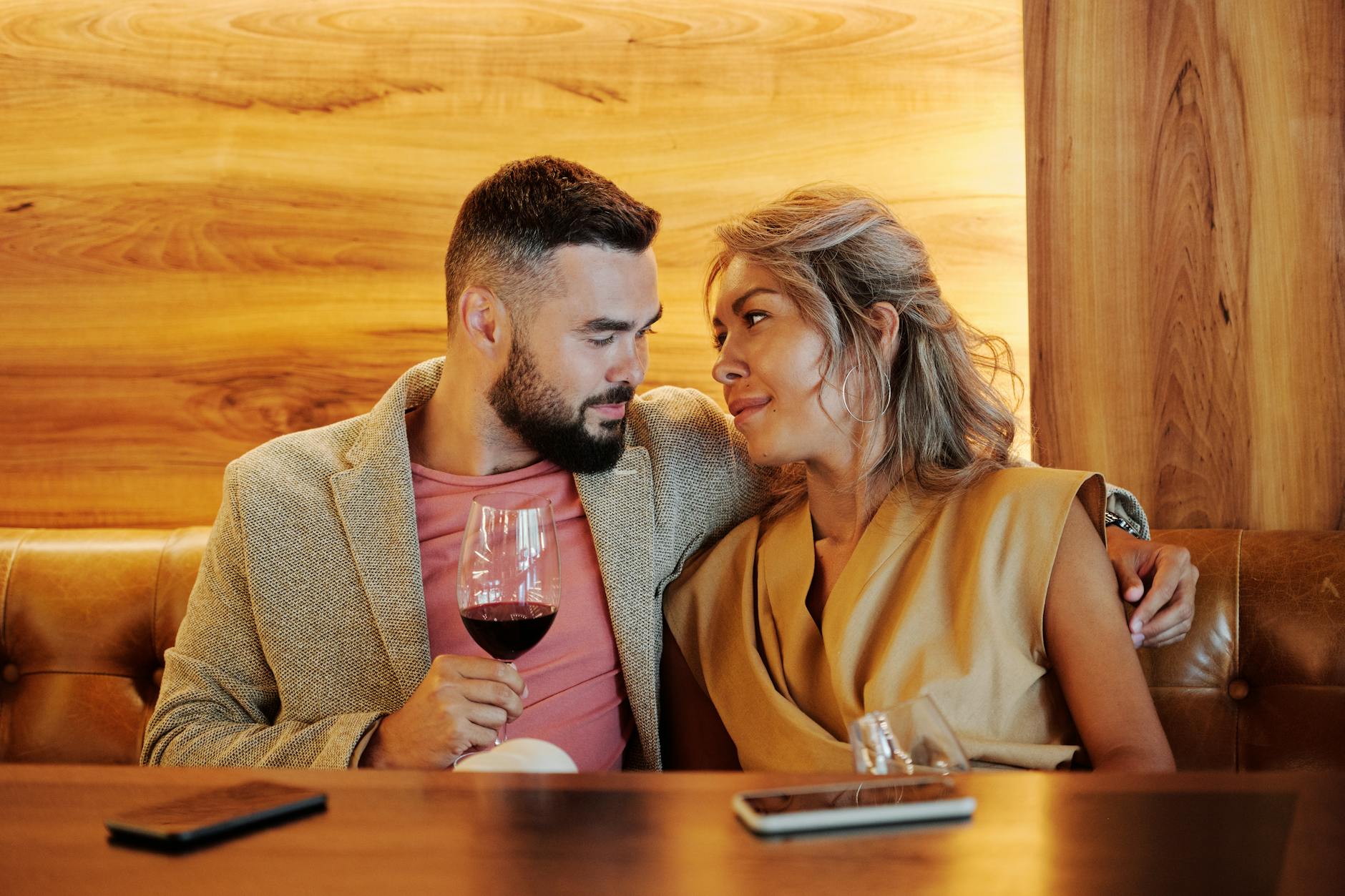
Dates have always cost money. What has changed is the way the spend joins the risk calculation before attraction has had a chance to arrive. Dinner asks for a level of confidence that early-stage desire rarely deserves. Drinks ask you to bet on chemistry, then maybe Uber home through surge pricing if the chemistry turns out to be beige. A supposedly casual plan still comes with invisible extras: an outfit you feel good in, a haircut you have delayed too long, a babysitter for some, parking for others, and the emotional admin of choosing a venue neither of you can judge too harshly.
Paul Dilda, BMO’s head of US consumer strategy, put it plainly in the bank’s date-flation release.
“With spending on dating outpacing inflation, singles can feel priced out of love.”
Paul Dilda, BMO
Priced out of love is a dramatic phrase. It earns the drama, I think, because it describes a very ordinary humiliation. Nobody wants to admit they cannot afford to be spontaneous. Before the first negroni, nobody wants to say the week is already allocated to petrol, groceries and the dentist. So the opting out gets dressed up as a lifestyle. A solo dinner becomes self-care. A Saturday at home becomes peace. Sometimes it is. Sometimes it is also someone being sensible because they cannot keep paying audition fees for intimacy.
The apps made romance efficient, then tiring
Another cost sits off the card statement. Dating apps sold themselves on convenience. Open the phone, widen the radius, choose. Lately a lot of people seem to be asking whether convenience was the wrong prize. The SBS reporting on Australians deleting dating apps caught a fatigue I hear in almost every single friend’s voice: the grind of returning to the grid, retyping the same biographical pellets, performing warmth for strangers who might vanish before Thursday.

Mathieu Lajante, a Toronto Metropolitan University researcher quoted by SBS, made the harsher business-model point.
“For a dating app, your prolonged loneliness is not a bug. It is the business model.”
Mathieu Lajante, SBS News
His line is almost too neat, but it lands because it names the suspicion many users already carry. If the app worked perfectly, you would leave. If it works just enough, you stay, upgrade, swipe, pause, come back, compare. From the user side, the question is not only, how much does the date cost? It is, how much of myself do I have to flatten into a profile before the date even exists?
Here solo-maxxing starts to look less like a rejection of romance than a refusal of the pre-romance machinery. People are not only saving the price of dinner. They are saving the hour spent writing the opener, the double-text debate, the wardrobe spiral, the sour little comedown after a person with lovely photos speaks only in podcast recommendations. I might be over-reading it. I do that. But the texture of the trend feels more like exhaustion than smugness.
Dating companies can feel the drift. Wired reported on a dating app offering free petrol to get people out of the house, which is funny until it starts to feel like a symptom. If romance needs a fuel subsidy, the old promise of frictionless connection has worn thin.
The single discount that is not really a discount
A wrinkle, because there is always one: being single is not automatically cheaper. In many places it is brutally expensive. One person pays the whole rent, the whole electricity connection, the whole streaming subscription if they are not still clinging to a friend’s login from 2019. The Guardian noted that a single working-age adult may need thousands more each year than a coupled person to reach a comparable living standard. Coupledom can be romance, yes, but it can also be a cost-sharing arrangement with sex and a shared note in the phone about toilet paper.

So the slogan that single life is cheaper only works if you zoom in on the dating phase, not the whole life. Solo-maxxing saves you the repeated cost of trying to become coupled. It does not save you from the wider economy that rewards households of two. That distinction matters because it stops the trend from becoming a smug little morality tale. Singles are not all luxuriating in disposable income and perfect sleep. Couples are not all lounging in a financial utopia with matching mugs. Different pressure, not no pressure.
Control may be the cleaner reading. You may not be able to make rent humane or groceries reasonable, but you can decide not to spend $38 on cocktails with a man who says he is “apolitical” and then talks for 19 minutes about tax. You can cook pasta, light the expensive candle you bought on sale, and know the night will not require a post-match debrief with three friends and a forensic analysis of punctuation.
Pleasure sits in that choice too. Real pleasure. A quiet table for one, a long walk with a podcast, the exact dumplings you wanted, nobody asking if you are “still doing that writing thing”. I do not want to sneer at it. The solo life can be spacious in a way couple culture often refuses to imagine. But when spaciousness is born from unaffordability and fatigue, it is not only a victory. It is adaptation.
What the trend is protecting
The sceptic’s question is the one I cannot shake: when does healthy solitude become avoidance with better branding? VICE’s therapist framing leaves that door open. There are people for whom stepping away from dating is repair. Others have been disappointed enough times that the safest identity is the one that says wanting nothing is sophistication.

With affection, because I have seen the performance from inside the room: the friend who says she is “just focusing on herself” and means it, mostly. The friend who says she is done with apps but still checks who viewed her story. Another friend laughs about the cost of dating because it is easier than saying she is tired of being assessed. None of this is fake. It is layered. Money gives the cleanest explanation, but heartbreak often hides inside the budget line.
Solo-maxxing is not a lie. It is a useful cultural flare. It tells us that the old romance script now asks too much too early: money before trust, polish before ease, availability before safety. It also tells us that a lot of young people are more willing than previous generations to name the trade. They are asking whether the couple track is worth the spend, the exposure, the calendar space, the small daily compromises. Sometimes the answer is yes. Sometimes it is no for now.
Please don’t let this become another binary, single liberation versus lonely decline. Most real lives sit in the annoying middle. A person can love their own company and still want to be chosen. They can resent the apps and still hope someone funny texts back. They can refuse a $200 date night and still believe in romance, just not romance priced like a minor appliance.
Better to ask what kind of dating culture makes opting out feel like the most rational, financially literate, emotionally safe move. If the answer is expensive restaurants, extractive apps and a script that asks everyone to arrive already optimised, then the trend is not the problem. It is the receipt.

The Lifestyle Desires brief
Style, food, travel and wellbeing — weekly in your inbox.
Subscribe