Why Mecca thinks beauty still needs a room
Mecca beauty store plans in 2026 hinge on what a feed cannot offer: touch, advice, theatre and a reason to come back in person.
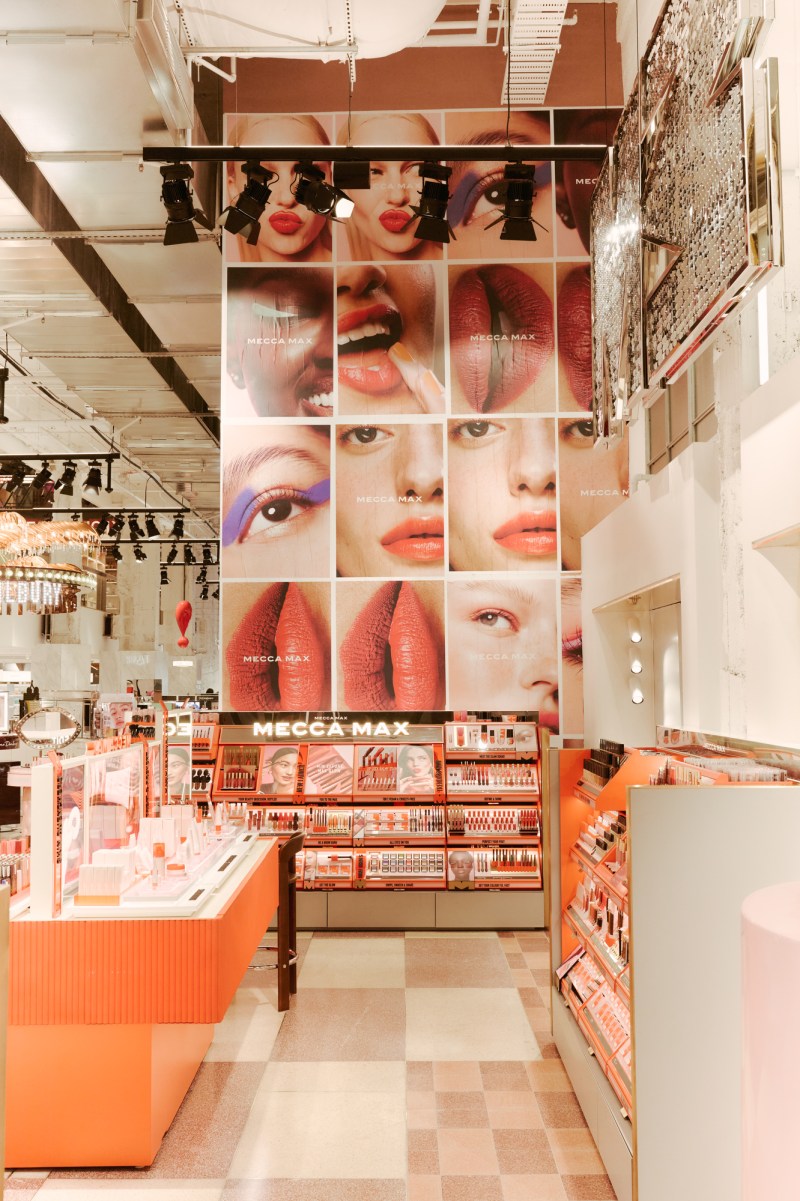
Beauty shopping now can feel weirdly clerical. You run out of cleanser, tap reorder before the tram arrives, and the problem is solved. Mecca is spending real money on the opposite sensation. Its Bourke Street flagship in Melbourne, which WWD reported as the world’s largest beauty store, is less a store opening than a wager that beauty still works differently when it is public, tactile and a bit slow.
I am not above the convenience. I buy lip balm between emails. I restock serum while half-reading a group chat. Online beauty trains you to think speed is the point: skim reviews, trust a stranger’s face, wait for the parcel. Efficient. Also a little bloodless.
So the question is not whether stores can feel nice. They can. It is whether that feeling is worth the rent when shoppers are counting dollars, Google is turning shopping into an AI-assisted layer across the internet, and every retailer now has to prove that physical space does more than generate content for Instagram.
What a good shop floor still does
The strongest argument for a destination beauty store is not romance. It is editing. Online beauty is now so dense with sameness that a decent floor can sort the signal from the noise. You smell the fragrance before somebody tells you it will change your life. You swipe the texture across the back of your hand. You hear a staffer explain what a serum might do, and what it will not do, in language more useful than a comments section. In the WWD piece on the Bourke Street flagship, that logic arrives at a huge scale: 40,000 square feet, around 500 staff on the floor, and enough range to make browsing feel less like replenishment than orientation.

On Mecca’s own telling, the company does not describe itself in the plain language of stock and distribution. It prefers retail innovation and the ultimate beauty experience, which can sound glossy until you remember how much of beauty buying is really a search for reassurance. People do not only want the product. They want to feel they chose well, or at least chose interestingly. A flagship gives the retailer more chances to stage that certainty in public.
Horgan said it more plainly in her conversation with WWD:
Mecca believes that physical retail isn’t dead. Boring might be dead, transactional might be dead, but we believe that physical retail is alive and kicking.
— Jo Horgan, WWD
That is the split she is naming. Online beauty has become clean, targeted and frictionless. Useful, yes. Also a touch soulless. What Mecca is chasing instead is the older, stranger version of a beauty store: a place to loiter, compare, and try on a version of yourself while other people are doing the same.
The expensive part is getting you back
If the first argument for the store is sensory, the second is behavioural. A destination only works if it changes habit, which is why the line that sticks in the WWD report is not the size claim. It is the repeat-visit question. In the first 10 months, the Bourke Street flagship drew 4 million customers and was projected to do $65 million in first-year sales. That does not prove the thesis on its own, but it does suggest the store is being used as more than a one-off spectacle.
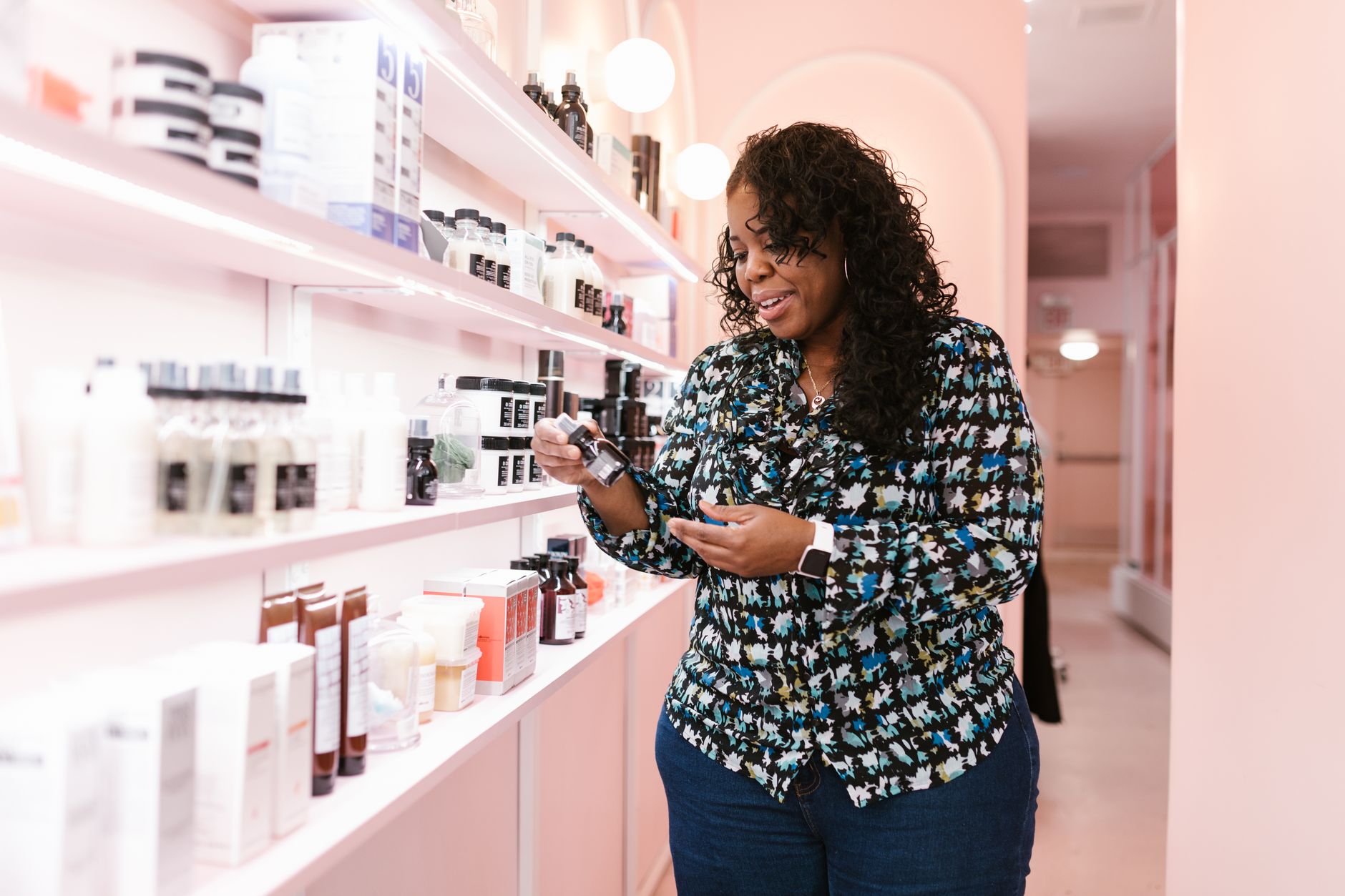
This is where the analyst view earns its keep, because it asks the rude question lifestyle writing can dodge: does theatre pay? Horgan’s answer is not dreamy. It is operational. She is not describing a cathedral to beauty for its own sake. She is describing a machine built to make customers come back often enough that the expensive extras start to make sense.
How do we get people to keep on coming back again and again and again?
— Jo Horgan, WWD
That line sits neatly beside another piece of Australian retail reporting. In SmartCompany’s look at Oz Hair & Beauty’s regional expansion, the point is not grandeur so much as reach: more physical stores, more touchpoints, more chances to turn a digital customer into a habitual one. Different scale, same instinct. The modern beauty floor is there to make the next sale easier.
What I find useful about Horgan’s third point is how quickly it drags the story out of retail fantasy. Again via WWD:
Services aren’t profitable, and yes, they increase the lifetime value of the customer, but we’ve got to make it profitable.
— Jo Horgan, WWD
Services, lessons, applications and treatment rooms, all the bits that make a beauty store feel generous, are also the bits most likely to get mauled by a spreadsheet. The bet is not that they print money. It is that they make the rest of the ecosystem sticky enough to justify themselves.
When the internet sells too loudly
The skeptic case is not hard to assemble, and pretending otherwise would be silly. Online beauty has become more invasive, not less. Vogue’s analysis of Google’s new shopping push argues that agentic AI will sit across search, Gmail and YouTube, nudging consumers before they have properly decided what they want. I keep coming back to that. The more efficiently the internet learns to sell you something, the more valuable an in-person pause may become.

Still, friction cuts both ways. If the cost of living is biting, an outing built around prestige beauty can feel less like pleasure than performance. In a recent CNBC report on e.l.f. Beauty, executives were talking openly about consumers suffering and the pressure around price increases. The same report notes e.l.f.'s retail expansion through partners including Mecca, which is a reminder that even a destination player stays tied to the broader mood of the market. Nobody gets to float above consumer anxiety because the lighting is flattering.
From the shopper’s side, the question is plainer. Most people do not want an experience every single time. Sometimes they want less friction. Refill the moisturiser, leave. But beauty is not groceries, and that is why physical retail keeps refusing to die on schedule. There are categories, shade cosmetics especially, where advice, testing and atmosphere still feel less like indulgences than basic tools for making a decision. Mecca’s claim to hold 90 per cent of the makeup-application market in Australia matters because it points to exactly that demand.
The store as confidence crutch
More than anything, the Bourke Street store says something about the Australian mood around beauty right now. We are deep into ingredient literacy, dupe culture and recommendation fatigue. Everyone knows enough to be skeptical. Almost nobody knows enough to feel relaxed. In that climate, a beautiful store starts to function as a crutch for the over-informed. It offers editing, authority and a little fantasy in the same trip.
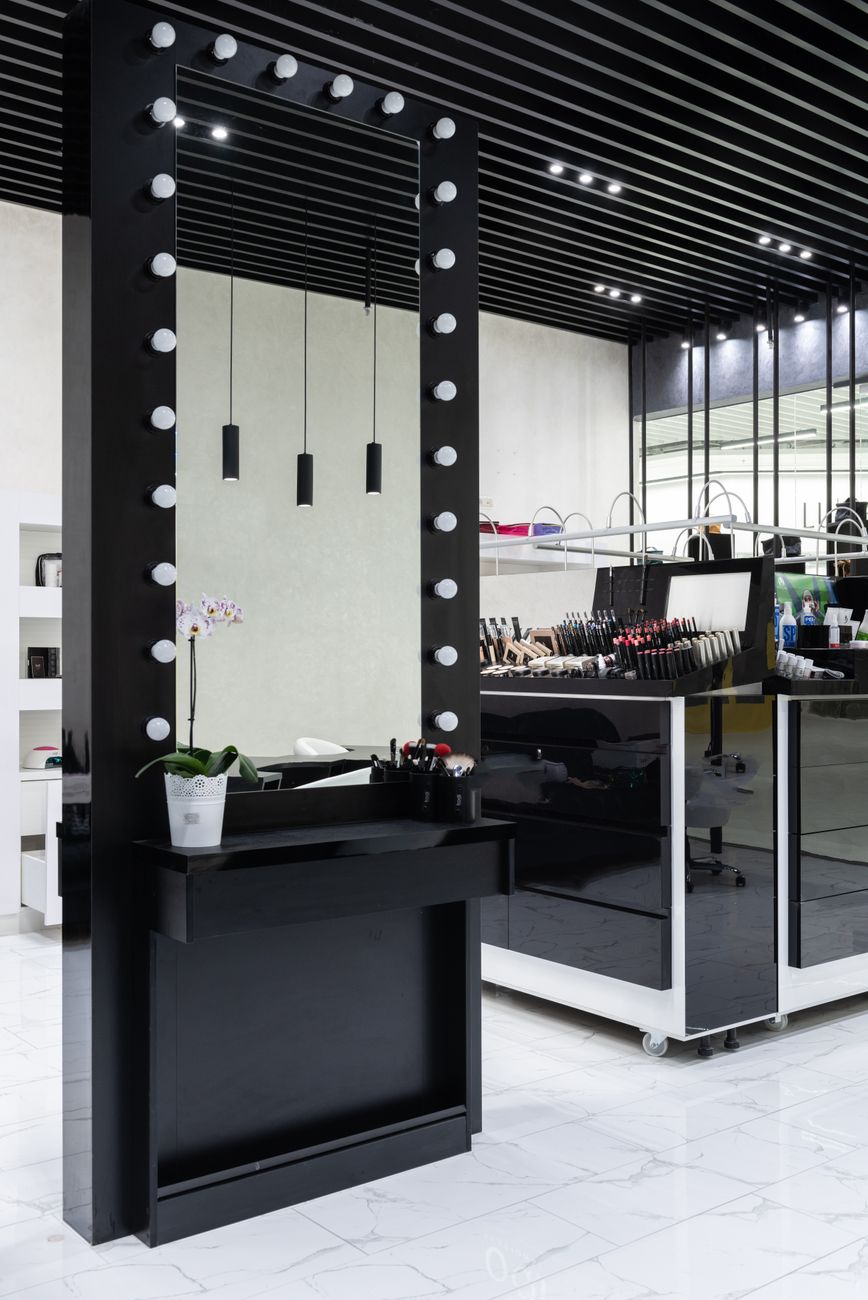
Across retail, this is starting to look less like a Mecca quirk and more like a broader pattern. The New York Times recently framed retailers’ $20 billion bet on physical stores as an expensive wager that people still want to go somewhere to shop. Bloomberg, talking to Inditex’s chief executive, made a similar point in a different category: customers are increasingly asking for experiential retail interactions whether they begin online or in store. Beauty may be the clearest version of that logic because it has always involved a public rehearsal of private hope.
So no, I do not think Mecca is merely opening a very large shop. I think it is trying to restore a ritual online retail has thinned out but not replaced: the act of trying, comparing and being witnessed while you work out what kind of face, mood or life you want to walk home with. The phone is still where plenty of beauty shopping will end. Mecca is betting the memorable part does not have to start there.

The Lifestyle Desires brief
Style, food, travel and wellbeing — weekly in your inbox.
Subscribe