The smoothie ingredient cancelling out your berries
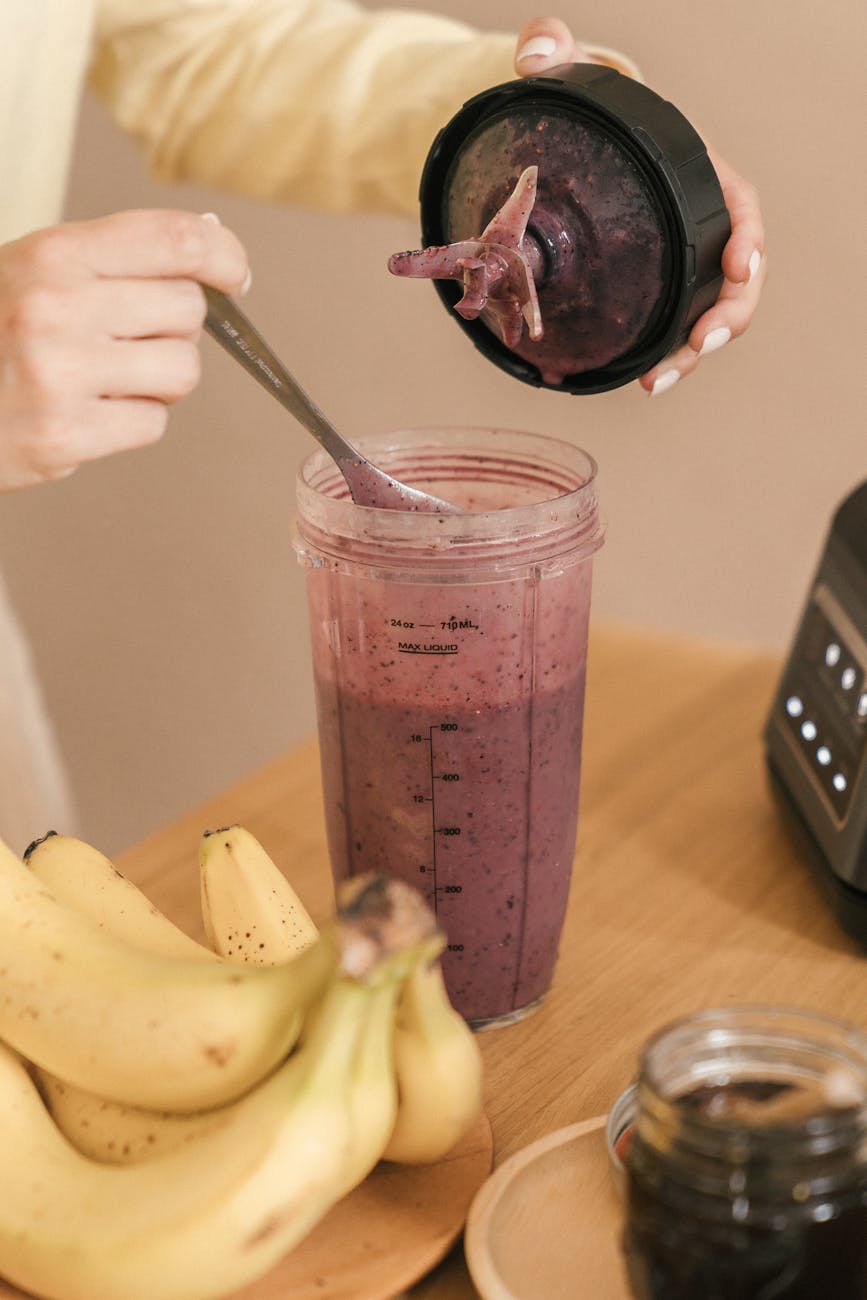
A banana berry smoothie looks healthy on autopilot, but a small study found bananas may sharply reduce the flavanols you absorb from berries.
Most banana-and-berry smoothies wear a kind of nutritional halo. They are cold, purple, full of good intentions, and easy to believe in before 8am. Which is why this new research lands with such an odd little thud: the ingredient many of us use for sweetness and creaminess may also be the one undoing part of what we wanted from the berries in the first place.
A new Food & Function study found that when healthy volunteers drank a berry smoothie made with banana, the level of flavanols reaching the bloodstream was dramatically lower than after a low-polyphenol-oxidase berry drink or a flavanol capsule. In the first human trial, peak plasma concentration was 84 per cent lower. That sounds enormous because it is.
But the same evidence looks different depending on who is reading it. For the study team, this is a neat piece of food chemistry: a reminder that ingredients interact. For anyone who gives nutrition advice for a living, it is also a very small, short-term crossover study, not a reason to throw out every breakfast habit you have ever enjoyed.
Both things can be true.
ScienceDaily’s write-up quotes lead author Javier Ottaviani saying the team wanted to understand “how a common food and food preparation like a banana-based smoothie could affect the availability of flavanols to be absorbed after intake”.
“We were really surprised to see how quickly adding a single banana decreased the level of flavanols in the smoothie.”
— Javier Ottaviani, via ScienceDaily
That’s the insider perspective, and I think it is the right place to start. This is not a morality tale about bananas. It is a chemistry story about pairing. Bananas are high in polyphenol oxidase, the enzyme that browns cut fruit and, in this case, appears to keep working after blending. The paper reports that polyphenol oxidase activity was still present even after simulated gastric digestion, which helps explain why the flavanols in berries did not simply sail through unchanged.
What the blender is really doing
The wellness internet loves an easy villain. Sugar. Seed oils. Oats last month, something else next month. Bananas are a poor fit for that role. They are cheap, filling, bland in the useful way, and one of the few foods busy people will reliably eat. The more interesting point is that a smoothie can be nutritionally crowded: one ingredient is there for texture, another for fibre, another for a specific compound you barely think about, and those goals do not always line up.
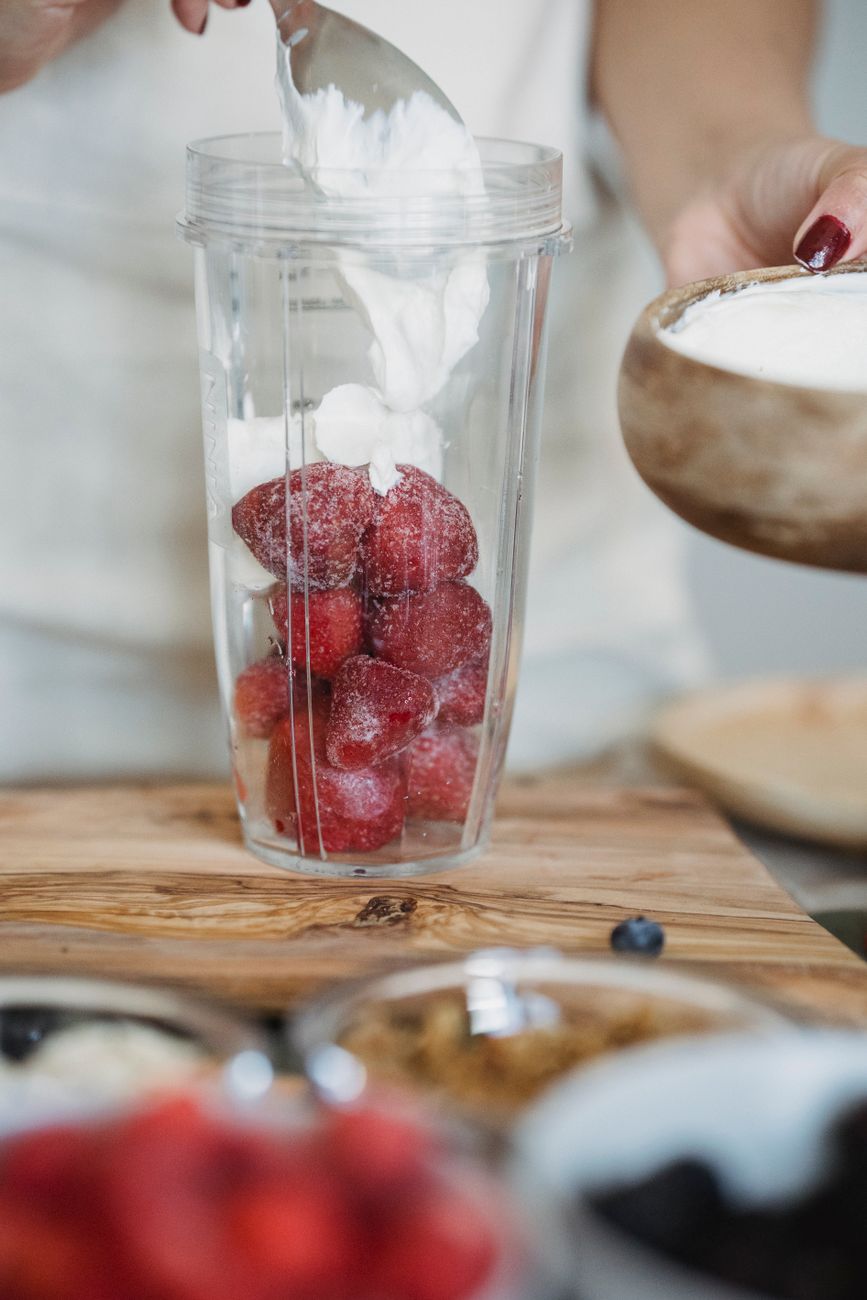
Flavanols are the compounds researchers usually talk about in berries, cocoa and tea when they are discussing vascular and cognitive benefits. The PubMed abstract for the study puts the design plainly: eight men in the first controlled crossover trial, then 11 participants in a follow-up. Useful, yes. Settled science, no. That matters, especially because the paper also discloses industry ties: Ottaviani is linked to Mars Edge, and Mars funded the research. That does not invalidate the result, but it is exactly the sort of detail that should stop a striking wellness headline from hardening into doctrine.
That sceptical note is not me being fussy for the sake of it. Health’s reporting lands in roughly the same place, treating the finding as interesting but limited, and keeping the real-world question in view: what are you actually trying to get from breakfast? If the answer is convenience, satiety and a texture you will genuinely come back to, the banana still has a case. If the answer is specifically flavanol delivery, the case gets shakier.
Useful signal. Not scripture.
The nutrition lens from the University of Reading explainer is a little blunter.
“Bananas may be ruled out of the morning smoothie if you want to boost your flavanol intake.”
— Gunter Kuhnle, University of Reading
I read that less as a ban and more as a sorting question. A smoothie is not one thing. It is a bundle of intentions. Sometimes we want creaminess. Sometimes we want a vehicle for berries. Sometimes we want both and assume the blender will somehow negotiate the compromise on our behalf.
Breakfast habits are built on vibes first
That, to me, is the real lesson in the paper. Wellness culture is full of pairings that feel self-evidently healthy because they look wholesome together. Banana and berries belong in that category. So do oats and nut butter, turmeric and black pepper, collagen and coffee. Some pairings work because tradition stumbled onto useful chemistry. Others just work aesthetically. They photograph well, they taste gentle, and they let us feel as though we have made a serious choice before the day has even begun.
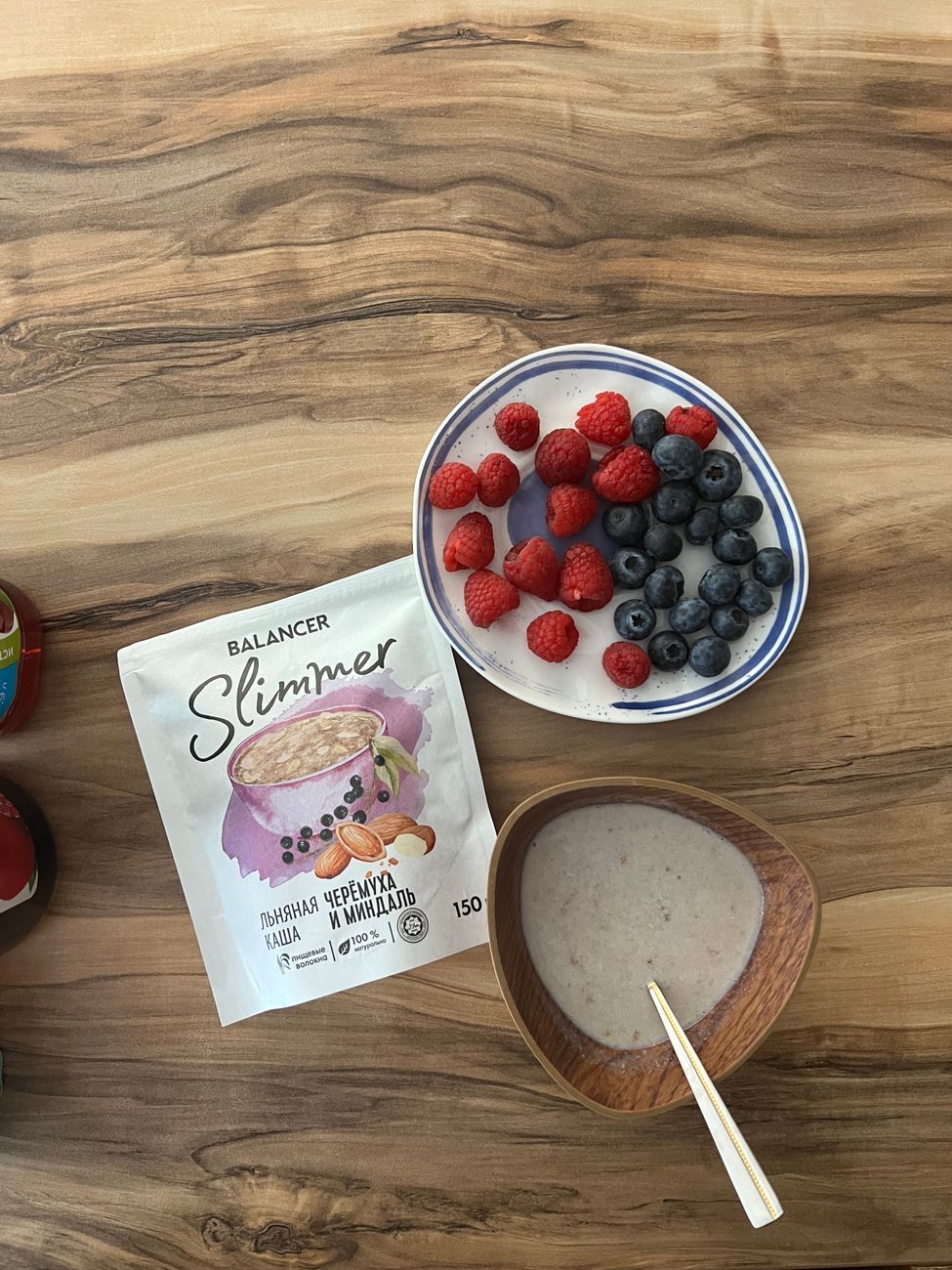
For smoothie drinkers, the fix is almost annoyingly practical. Separate the jobs. Use banana when what you want is body and sweetness. Use a low-PPO mix, or pair berries with yoghurt, pineapple, orange or mango, when what you want is to preserve more of the flavanol content the study is actually tracking. If you care about cocoa or tea for the same reason, the broader warning also holds: preparation can matter as much as the ingredient list.
I would be wary of making too much of one paper, and I would be equally wary of shrugging it off because the message is inconvenient. Nutrition science often feels maddening precisely because the answer is so often, well, it depends. On dose. On preparation. On what you thought the food was doing for you in the first place. This study does not prove the banana-and-berry smoothie is bad. It does suggest the combo is less nutritionally straightforward than its clean-living reputation implies.
Which, honestly, is why I like the story. It is less about banning an ingredient than about giving up the fantasy that “healthy” foods automatically add up in a straight line. Sometimes they clash a little in the glass. Sometimes breakfast is chemistry before it is virtue. And sometimes the most useful wellness advice is simply to decide what you are optimising for, then build the smoothie from there.

Brisbane-based GP turned health writer. Covers women's health, fertility and the gap between clinic and culture.
The Lifestyle Desires brief
Style, food, travel and wellbeing — weekly in your inbox.
Subscribe