When creatine enters the menopause chat
Creatine for menopause is suddenly everywhere, but the best evidence still points to training support, not a cure for brain fog.
For years creatine belonged to gym bags, shaker bottles and the sort of corners of the internet where every second sentence ended in reps. Now it keeps turning up in a different place: the menopause group chat, the chemist aisle, the 3pm scroll after another day of woolly concentration and bad sleep. A spoonful of white powder, suddenly recast as the thing that might help with memory, mood, muscle and that peculiar midlife sense that your body has started freelancing without telling you first.
I understand why that promise travels. Menopause can feel messy in a way people hate admitting out loud. Symptoms overlap. Advice collides. Some women want hormones, some cannot take them, some are still deciding, and nearly everyone is tired of being told to “manage stress” as if that were a practical instruction. Creatine, by contrast, looks tidy. It is cheap, measurable, already familiar, and linked to something concrete: strength.
But the simplicity is also the warning. The recent Stat argument about the perimenopause movement and Dr Jen Gunter’s critique in The Vajenda land because they name the same problem: midlife women are being sold certainty long before the evidence earns that tone. Creatine has not become nonsense overnight. It has become a perfect vehicle for hope.
That is the split worth keeping in view. The best case for creatine in menopause is still as a support act to resistance training, especially around muscle and recovery. The brain-fog story is more tentative. Interesting, yes. Settled, no.
What changed in the room
Part of what has changed is cultural, not biochemical. The New York Times’ recent look at creatine for menopause caught the mood exactly: a supplement long coded as masculine has been translated into the language of midlife wellbeing. It has happened alongside other compounds being recast as all-purpose fixes, from N.A.D.+ supplements to the recent Allegra and Pepcid AC chatter around pain and brain fog. Once a life stage becomes a market, every capsule starts auditioning for a second career.
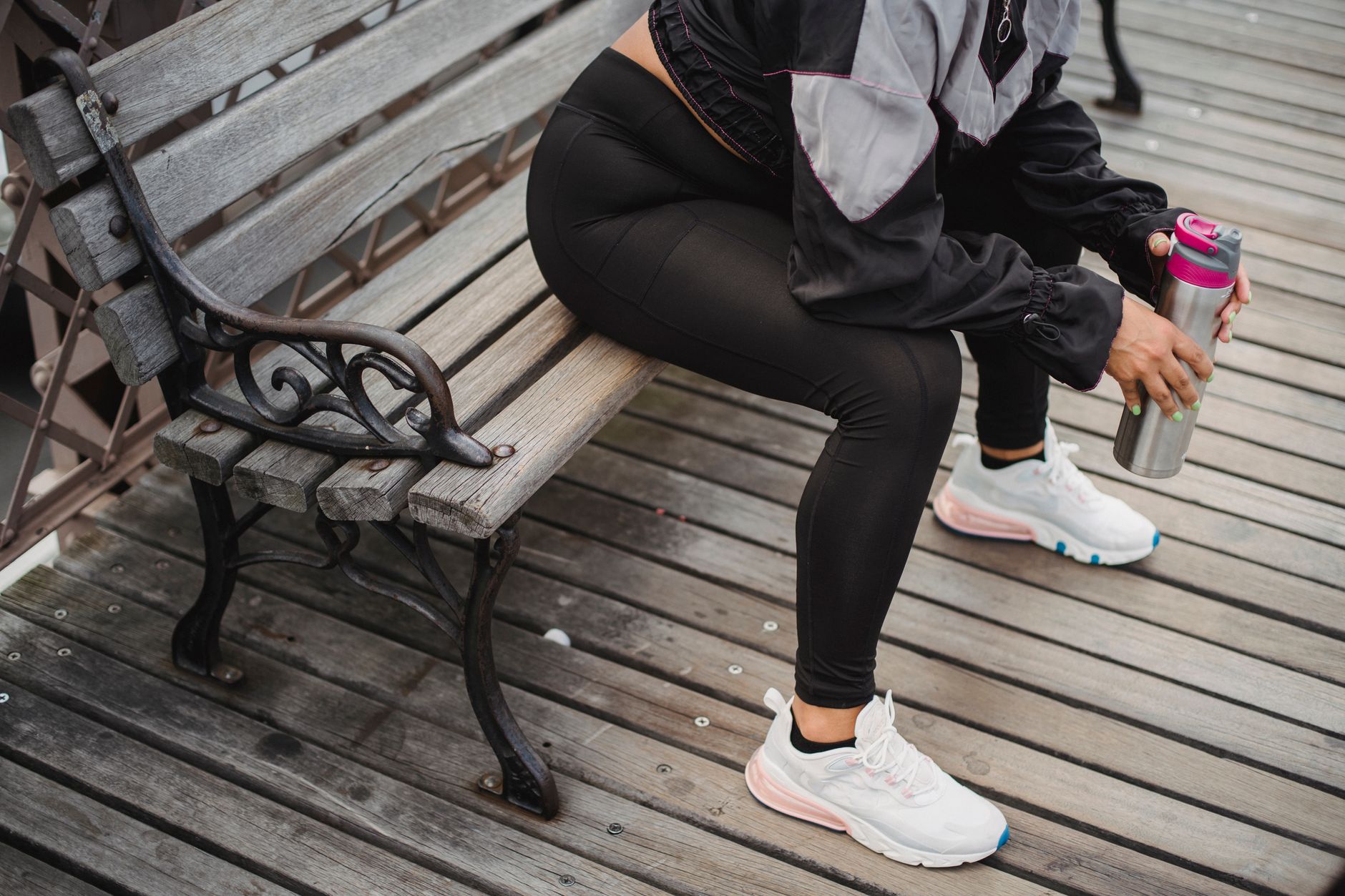
This is where the user-affected perspective makes sense to me. Women are not trying creatine because they have all been duped by gym marketing. They are trying it because midlife can strip away the feeling of control, and supplements offer a ritual that feels active rather than passive. You can buy the tub. You can measure five grams. You can decide, by Tuesday, that you are doing something.
Still, the insiders who take creatine seriously tend to speak in smaller claims than the internet does. In Yahoo Style Canada’s reporting, menopause specialist Dr Michelle Jacobson warns against reading the powder as a cure-all.
It’s not going to be the silver bullet that fixes your 30 years of chronic insomnia
— Dr Michelle Jacobson, Yahoo Style Canada
That line matters because it pulls the whole conversation back to scale. Creatine may be useful in a body already being asked to do more work in order to hold on to strength. It is not a shortcut around sleep, stress, hot flushes, workload, grief, or the general indignity of waking at 3.17am for no obvious reason.
Some experts quoted in Yahoo also point to evidence that women may begin with lower creatine stores than men, which helps explain why the menopause framing feels biologically plausible. Plausible, though, is one of those words that does too much work online. Plenty of plausible ideas disappoint when larger trials arrive.
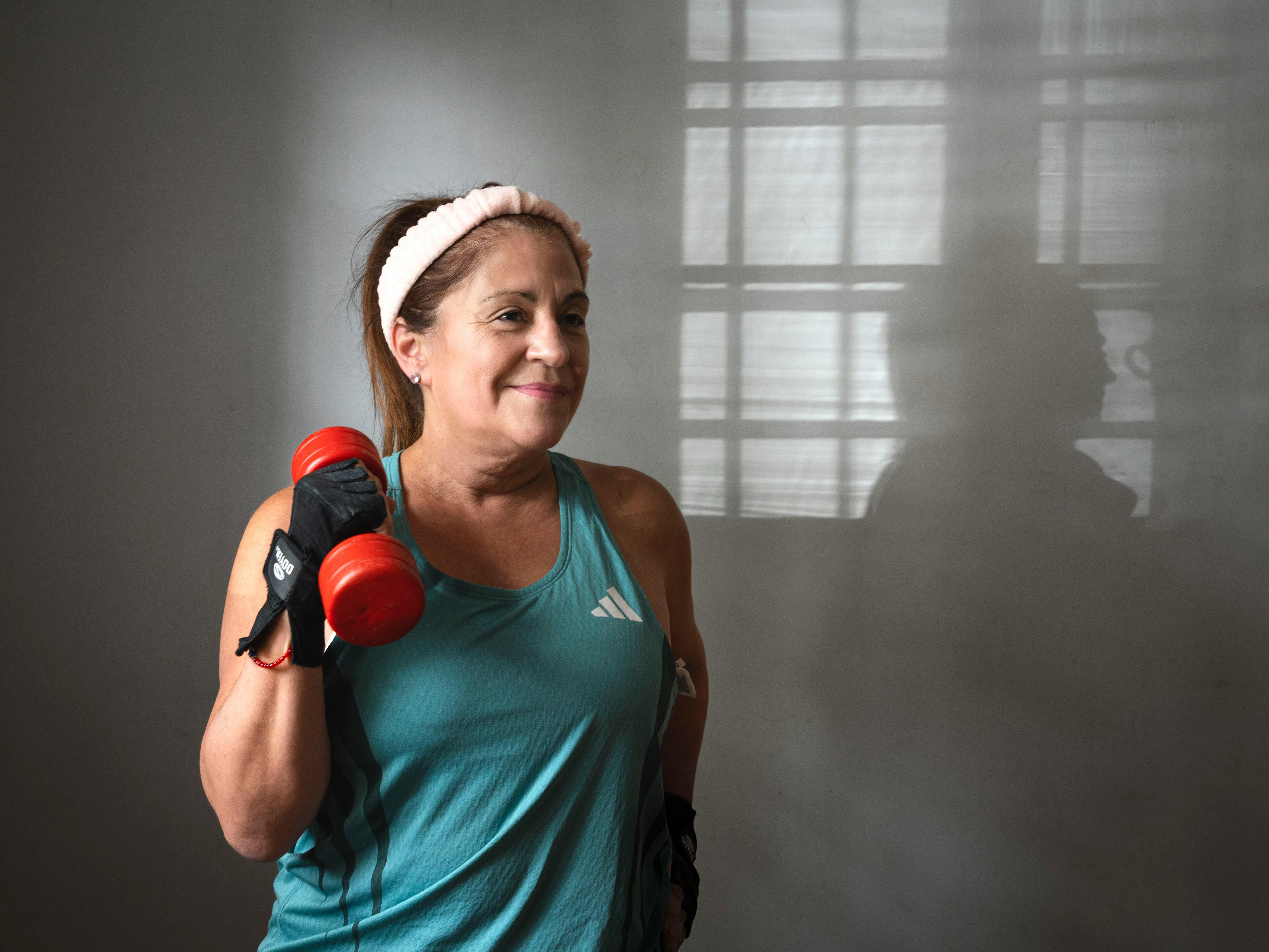
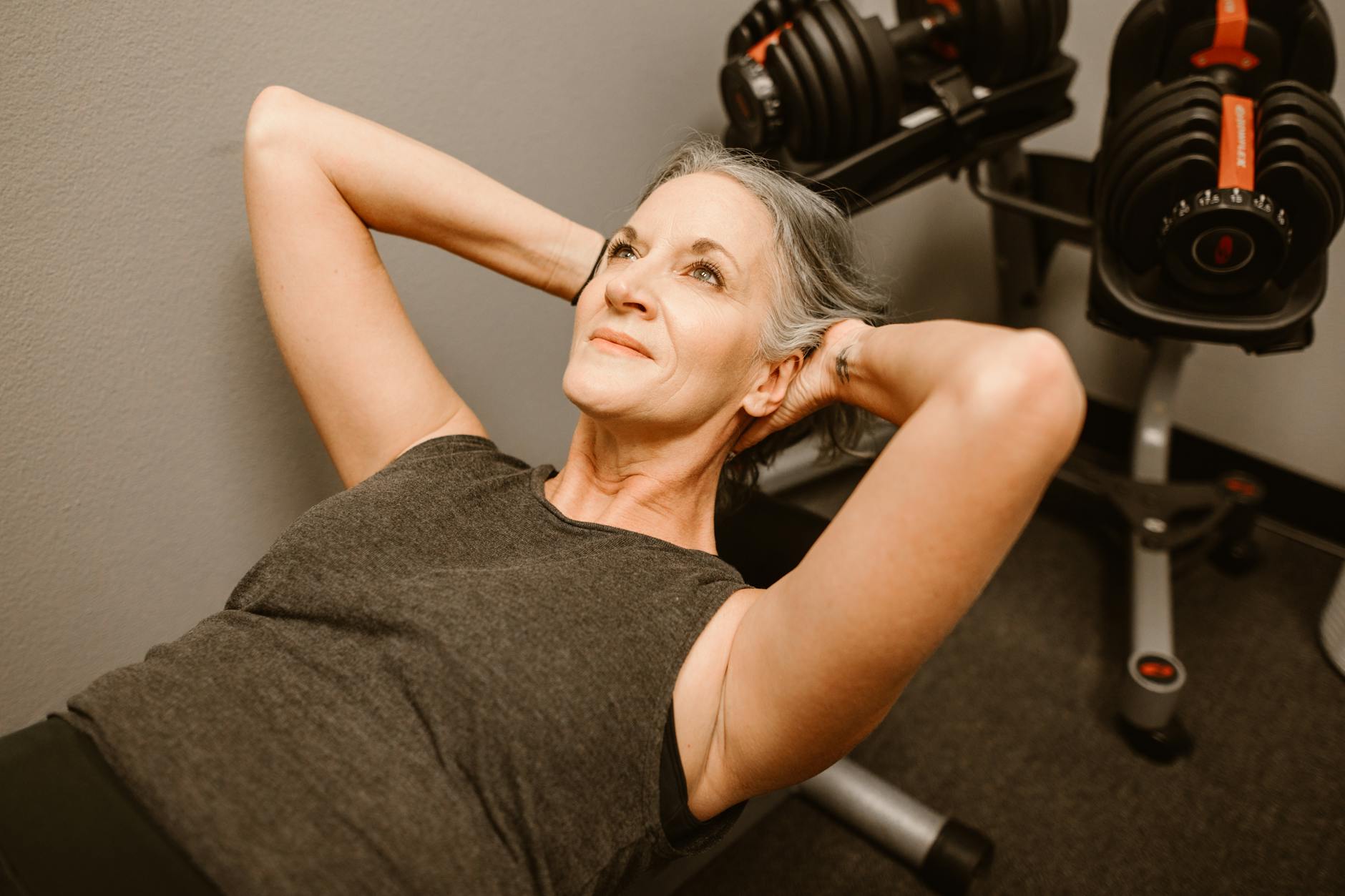
The clearest answer to the insider question, does creatine add anything beyond training, is still: probably not much on its own. CBC’s reporting on the debate and Stephanie Hnatiuk’s comments in Yahoo Style Canada both point in the same direction. If you are actively lifting, or trying to preserve muscle through perimenopause and after, creatine makes conceptual sense as an add-on. If you are not strength training, the case becomes much thinner.
I don’t think it’s something that all women need to be taking if they aren’t actively strength training
— Stephanie Hnatiuk, Yahoo Style Canada
Smaller. More honest.
The part that stays blurry
The headline study behind this latest round of enthusiasm is the CONCRET-MENOPA randomised trial, which enrolled 36 perimenopausal and menopausal women for eight weeks and tested different forms and doses of creatine. That is useful work, the sort of study you want researchers to keep doing. It is also, in practical terms, a very small piece of evidence to hang a confident wellness script on.
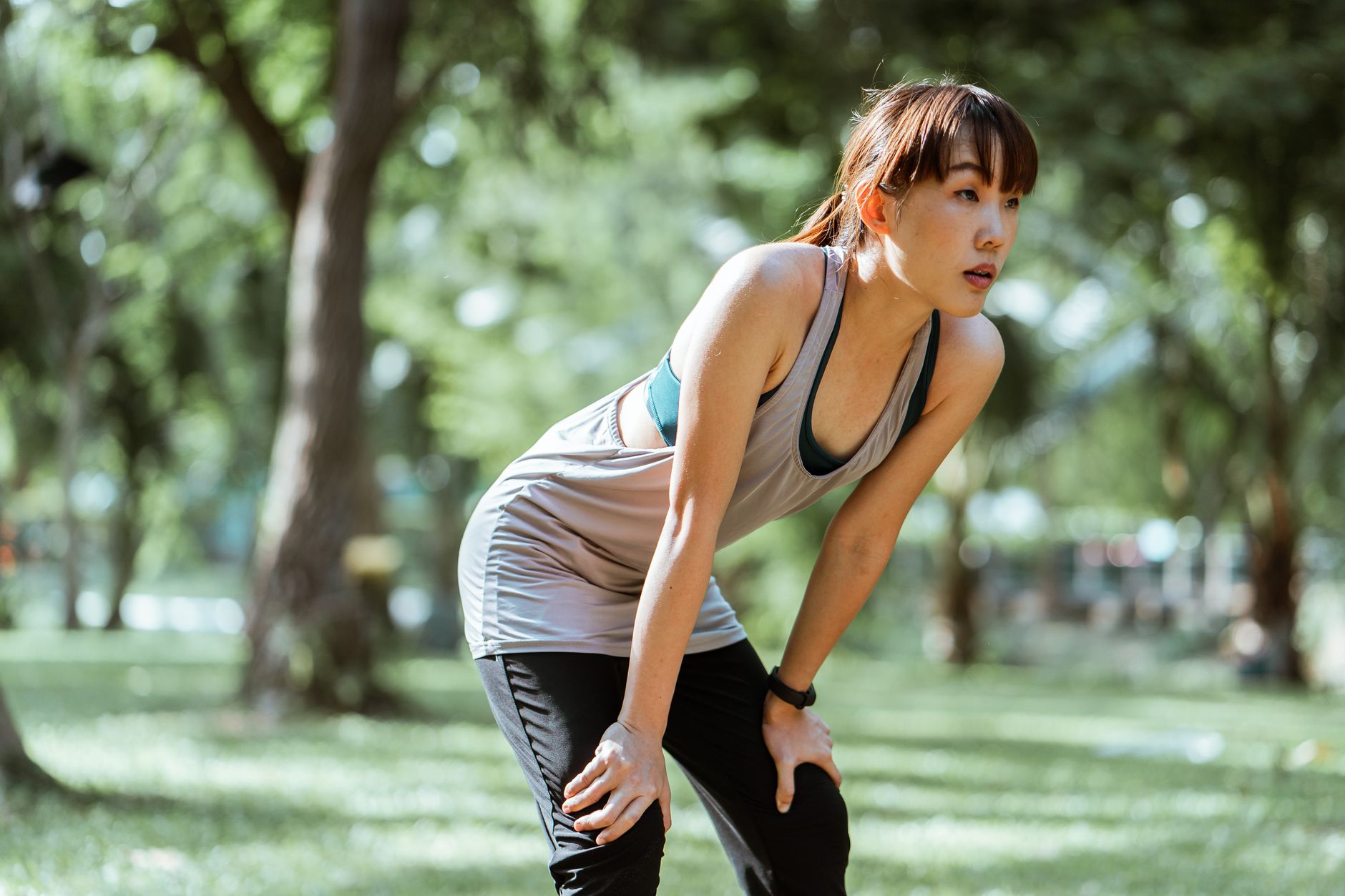
Thirty-six people is not nothing, but it is not a crowd either. Eight weeks is long enough to spot signals, not long enough to settle a category. A few outcomes moved. The study is promising precisely because it raises better questions: which women benefit most, whether any cognitive change is durable, and whether the gains come from creatine itself or from the broader training and nutrition habits that tend to travel with it. That is not the same as saying the case is closed.
The skeptic perspective bites hardest here. When Dr Jen Gunter writes in The Vajenda that the current evidence does not support recommending creatine as a treatment for cognitive complaints in menopause, she is not saying women are foolish for hoping. She is saying the data has not caught up to the confidence of the pitch.
The current evidence does not support recommending creatine as a treatment for cognitive complaints for women navigating brain fog in menopause.
— Dr Jen Gunter, The Vajenda
That caution fits with the broader pattern of menopause advice right now. A real need appears, often after years of medical minimising. Social media notices. The supplement economy notices faster. Suddenly the conversation is not just about whether a compound can help, but whether it can stand in for the harder, slower work of sorting out what kind of help a person actually needs.
None of this means creatine should be filed under scam. The female safety review in Nutrients covered 29 trials and 951 participants and reported no serious adverse outcomes, which is more reassuring than the average trendy powder ever manages. That matters. Safety is part of the story. So is plausibility. Creatine has a legitimate role in sports nutrition. It is not absurd that it might matter more in a life stage marked by muscle loss, poorer recovery and metabolic change.
What it is not, at least not yet, is a stand-alone answer to the cognitive fog that makes women feel as if somebody has stuffed cotton wool behind the eyes. I suspect that is why the conversation feels so charged. Brain fog is not vanity. It is identity. It is the dread of losing sharpness in the middle of work, school pickups, ageing parents, money stress, all the ordinary adult logistics that do not pause because your hormones have become theatrical.
So yes, creatine has escaped the weights room. It has landed in the menopause chat because it offers something rare in a badly served corner of women’s health: a sense of agency you can stir into water. Some women will probably find it useful, particularly around training, strength and recovery. That is worth saying plainly.
The rest needs more patience. Better trials. Less supplement theatre. And a willingness to let “maybe” stay maybe for a while, even when the market would prefer a miracle by next Thursday.

Brisbane-based GP turned health writer. Covers women's health, fertility and the gap between clinic and culture.
The Lifestyle Desires brief
Style, food, travel and wellbeing — weekly in your inbox.
Subscribe