The phone is not the enemy
Doomscrolling in 2026 is less about owning a phone than about how easily your attention gets turned into dread, habit and dead time.
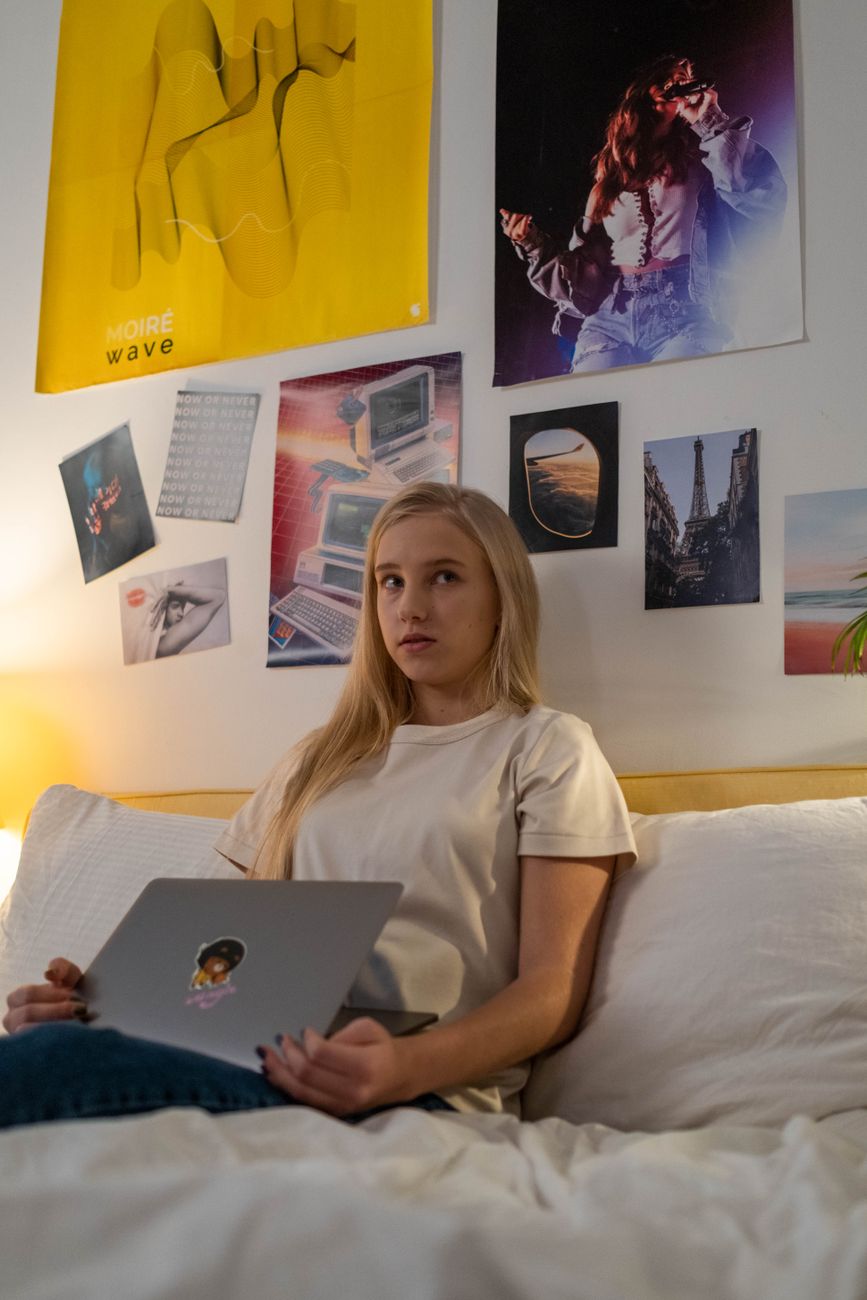
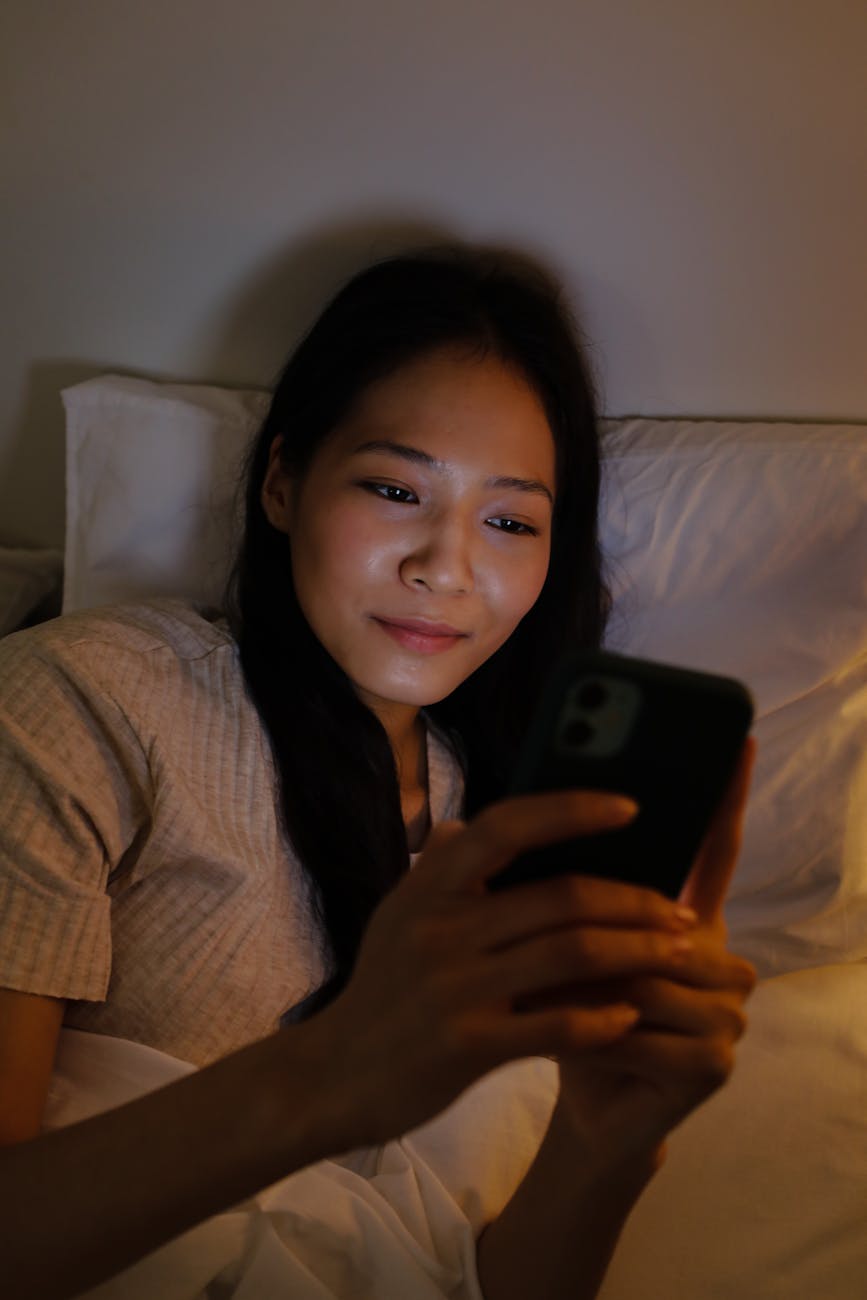
I know the tiny humiliation of picking up your phone to answer one message and realising, 20 minutes later, that you have absorbed a slurry of rental panic, skincare advice, budget takes and one woman reorganising her pantry jars. Nothing useful has happened except the room has gone quieter around you. The tea is cold. Your shoulders are up near your ears.
That is the feeling a lot of digital-wellness advice misses. The problem is not that the phone exists, or even that it is always nearby. It is that so much modern screen use is designed to make your attention feel slightly stolen from you. Pedestrian.TV recently made a local version of the point while writing about budget-week hysteria: the feed does not just inform you, it keeps you in a mood. An anxious one. A scattered one. The sort that leaves you convinced you have been on all day when, in fact, you have barely been anywhere.
But Guardian writer Keza MacDonald and Oxford researcher Andrew Przybylski are more useful here than the usual hand-wringing. They keep drawing a line between intentional screen time and the dead, bouncing kind. That line matters because it answers the real question: when does ordinary phone use tip into compulsion? Probably earlier than we admit, and long before the dramatic digital-detox fantasy of throwing the device in a drawer for a month.
Not all screen time is created equal.
— Keza MacDonald, The Guardian
The dead minutes are the clue
Read together, the research and the service pieces suggest a simple split. Purposeful use tends to leave a trace: you called your sister, booked the GP appointment, watched the recipe, read the long article, finished the chess puzzle. Passive use leaves fog. A 2026 Scientific Reports paper sits alongside NPR’s reporting on addictive design in making that distinction legible. What matters is not screens in the abstract; it is the infinite, low-friction loop that lets one tap become 40 minutes of nothing in particular.

MacDonald put it more plainly in her piece on screentime swaps:
It’s very easy to pick up your phone and spend 40 minutes bouncing between apps and doing nothing in particular.
— Keza MacDonald, The Guardian
Anyone who has opened Instagram to message a friend and emerged knowing the cast of a stranger’s divorce will recognise the diagnosis.
Policy people have started inching towards the same conclusion. The U.S. advisory covered by Scientific American did not treat every glowing rectangle as morally equivalent; it warned about the way extended, poorly bounded use collides with sleep, mood and adolescent development. NPR reported that 16% of underage users had tried and failed to cut back on social media, while 23% said they thought about the apps a lot, which is not the language of harmless leisure. It is the language of compulsion. Science News also reported on evidence that the big platforms are designed around addictive use. That is why the recent wave of social media addiction settlements has centred on design features, autoplay, endless feeds, algorithmic nudges, rather than some Victorian fantasy that children would be pure if only the screens disappeared.
I find that view persuasive, especially as wellness content keeps drifting towards moral theatre, because it leaves room for ordinary life. You can be on your phone a lot and still not be doomscrolling all day. A video call with your mother, a Maps route across Sydney, a recipe on the bench, a voice note from the car park, a long read you finish and discuss later: these are not spiritually compromised acts. They are just uses. Trouble starts when the device stops serving a task and starts manufacturing appetite.
Friction worth paying for
Attention markets have noticed, even if the language is slightly cringeworthy. TechCrunch recently reported on a minimalist handset partnership that literally rewards people for staying off the feed, and another TechCrunch piece looked at a children’s streaming app built around wellbeing rather than engagement. In the home pages of lifestyle media, the same instinct gets repackaged as “friction-maxxing”: putting the charger in another room, buying an alarm clock, making it a little less convenient to slip into the loop. What these products are really selling is not purity. It is interruption.

That is the builder-optimist case, and it is less silly than it sounds. Tanay Katiyar from Cambridge makes the point cleanly:
Technology can solve problems, but it also introduces new ones.
— Tanay Katiyar, The Guardian
More interesting are the companies trying to solve for that second clause. They know the average person is not moving to a cabin in Tasmania with a Nokia and a stack of library books. They are trying to build tools that can stay in your life without swallowing it.
On the user side, the story matters just as much. In Claire Matz’s essay about reclaiming attention, the useful question is not how to become an immaculate analog saint. It is which offline rituals survive a normal Tuesday. A Business Insider account of a would-be unplugged train trip lands in roughly the same place: the fantasy of total disconnection collapses the minute life gets messy. A kid gets sick. A property negotiation kicks off. Work pings. So the better habit is smaller and duller. Read one saved article in full. Put the news on a browser, not an app. Leave your phone in the kitchen while you shower. Make boredom a bit more available.
Online wellness advice fails here too. Psychology Today Australia argued that emotional-health content on TikTok often packages complexity as a quick hit, and one review found more than half of the mental-health advice on the platform was incorrect. That tracks. Feeds collapse distinction: between care and content, between research and vibe, between being soothed and being managed. Doomscrolling thrives in exactly that blur. It turns even the language of self-protection into one more thing to consume.
I suspect that is why the blunt anti-screen sermon has never really worked on adults. Most of us are not clinging to our phones because we love the hardware. We are clinging to relief, to stimulation, to the illusion that one more refresh might resolve the feeling that something is happening elsewhere and we are late to it. Science News’s reporting on the Meta trial was useful on this point: excessive use and harm are linked, yes, but the mechanism is less a single evil app than a commercial logic that rewards keeping people slightly agitated and slightly unfinished.
From the clinic side, I hear people talk about this as if it were a private failure of discipline. I am less convinced. The phone is not neutral, but neither are we. We reach for it when we are tired, lonely, avoiding a difficult email, waiting for test results, standing in the Woolies queue, nursing the vague dread that the world has sped up without us. Shame is not much help there. Design is. Ritual is. A little friction is. So is learning to tell the difference between being connected and being kept.
I keep coming back to the dead minutes, the small soft losses that make a day feel thinner than it was. The phone is not going anywhere. The real question is whether we can make it feel like a tool again, a thing that helps us do a task and then releases us, instead of a place where attention goes to be minced into mood.

Brisbane-based GP turned health writer. Covers women's health, fertility and the gap between clinic and culture.
The Lifestyle Desires brief
Style, food, travel and wellbeing — weekly in your inbox.
Subscribe