Why JOMO suddenly feels like good taste
JOMO in Australia is less about flaking than fatigue: burnt-out, overconnected young people are recutting weekends to feel human again.
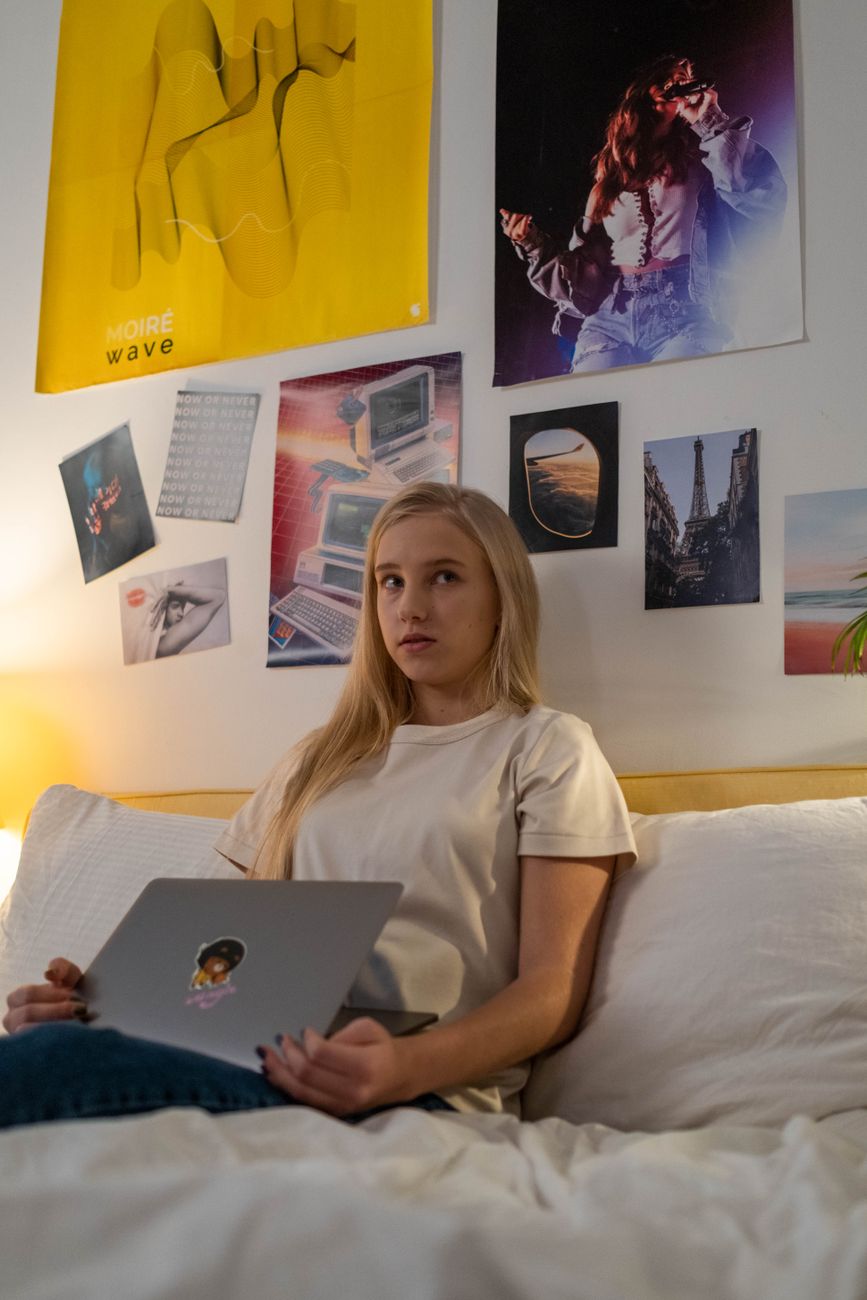
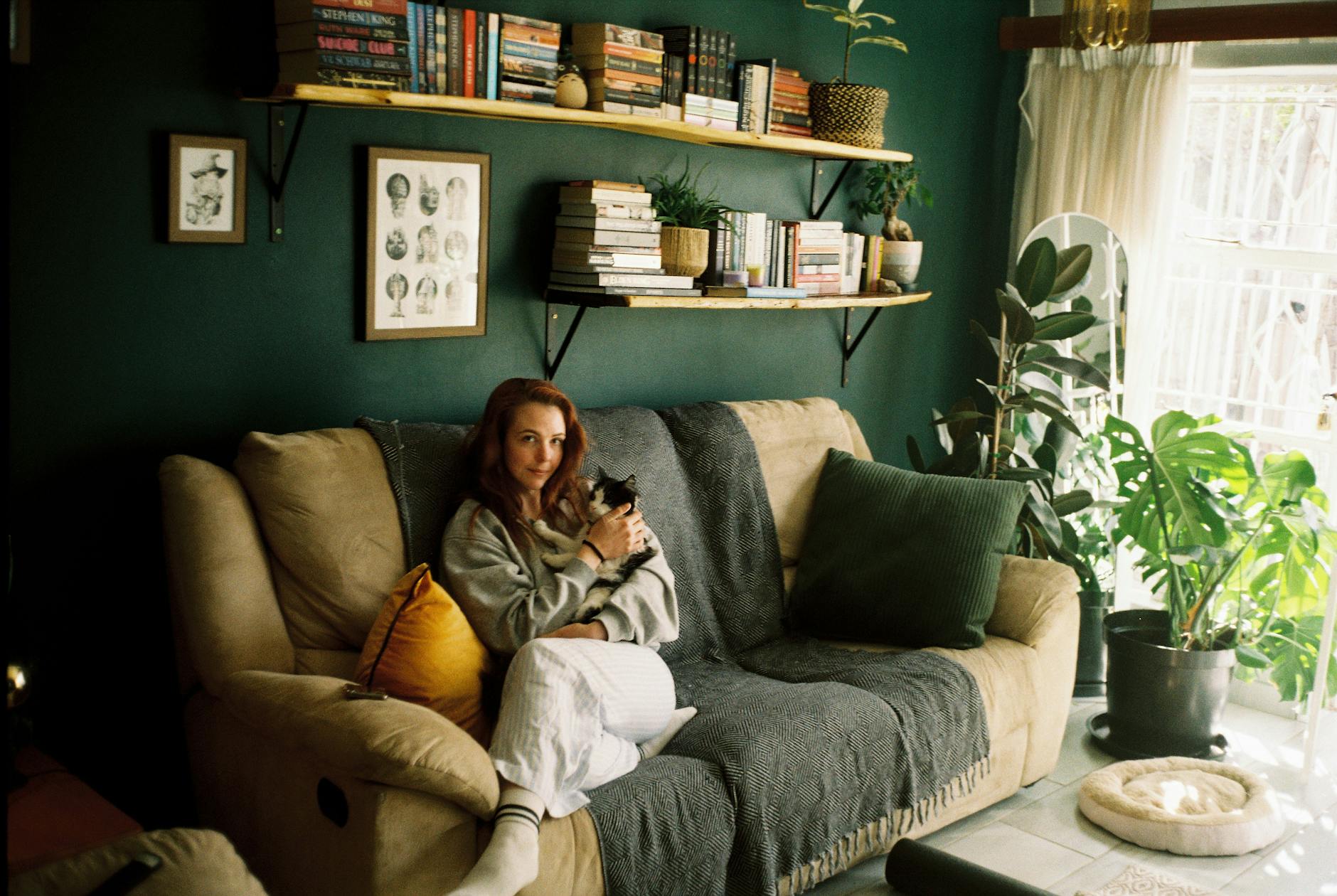
The phone is face-down on the coffee table. The group chat is still fizzing. Someone has found a last-minute booking, someone else is already in the Uber, and I am sitting on the floor in trackpants with a cup of tea going lukewarm beside me, feeling something that would have been harder to admit a few years ago: relief.
Relief is the real story in the current burst of JOMO talk. Not the acronym itself, which Merriam-Webster has already flattened into dictionary English, and not the faintly patronising idea that Gen Z has invented a new personality out of staying home. What feels new in Australia is that opting out no longer reads only as failure, or shyness, or a social lapse. In Melissa Hoyer’s recent column for The Age, the mood lands less as retreat than recalibration. I think that is exactly right.
FOMO assumes the best version of your life is always happening somewhere else. JOMO knows better.
— Melissa Hoyer, The Age
Still, the sceptical read matters, and it needs to arrive early. If every cancelled dinner becomes evidence of wisdom, we are kidding ourselves. Channel NewsAsia’s reporting on JOMO makes the distinction cleanly: stepping back can be healthy self-regulation, but it can also be avoidance in a cashmere disguise. A study published via ScienceDirect, built on samples of 507 and 488 adults, lands in roughly the same place, linking JOMO to mental-health and self-perception questions rather than treating it as a simple lifestyle upgrade.
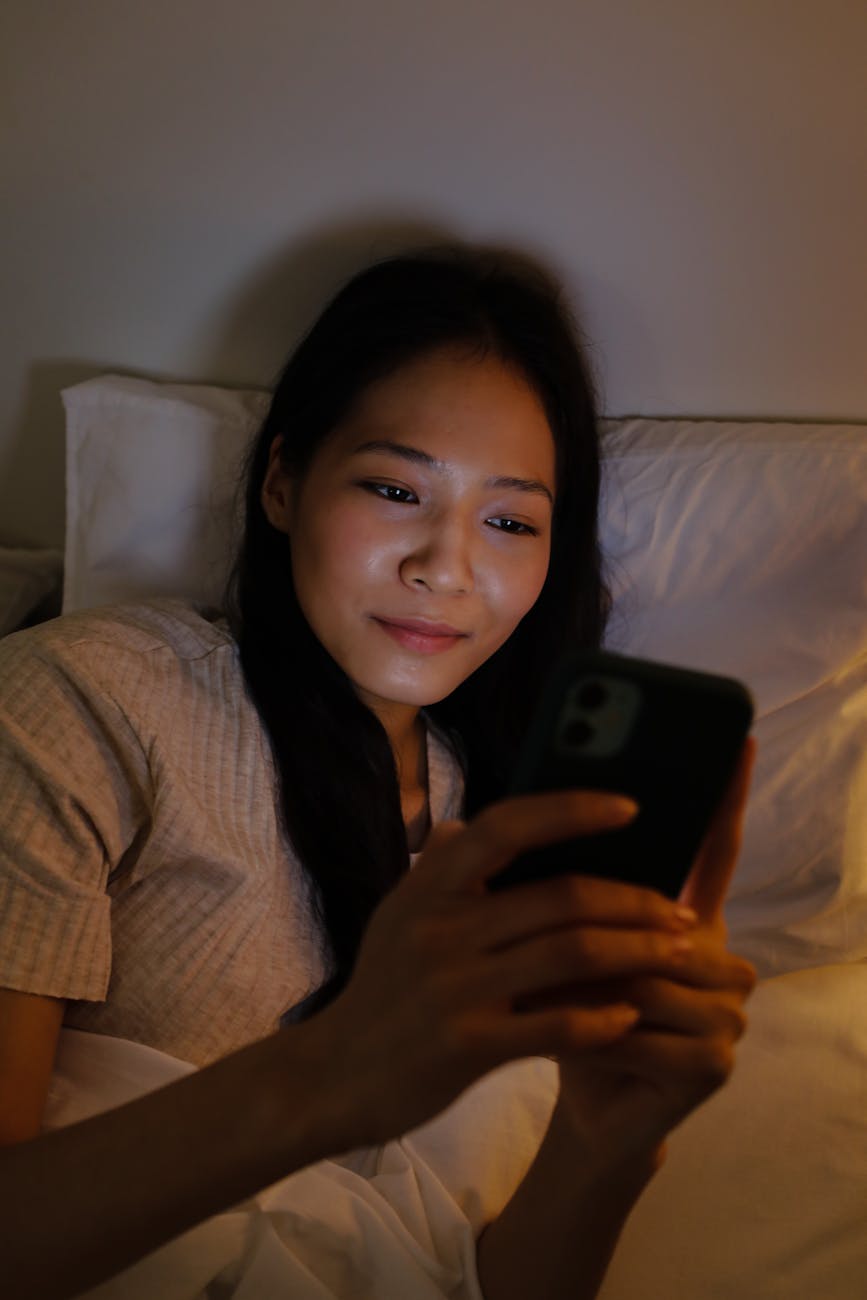
Which is why the phrase has bite. The user-affected view is easy to recognise if you have tried to organise anything social in Australia lately. Nights out are expensive. Full weeks spill into weekends. Phones turn every plan into a live performance. The analyst view is harder, and more useful: maybe people are not becoming antisocial so much as financially and cognitively overdrawn.
What changed in the room
As I read it, the shift is that low availability has become culturally legible. It used to be mildly embarrassing to be the person who stayed home. Now it can look like judgment. Vogue recently argued that even brands have noticed the recoil from always-on posting, addictive feeds and algorithmic overexposure. In Australian lifestyle media, the same mood keeps surfacing in softer forms: Homes to Love’s piece on analog living treats friction, texture and less screen dependence as a design aspiration, not a Luddite panic.
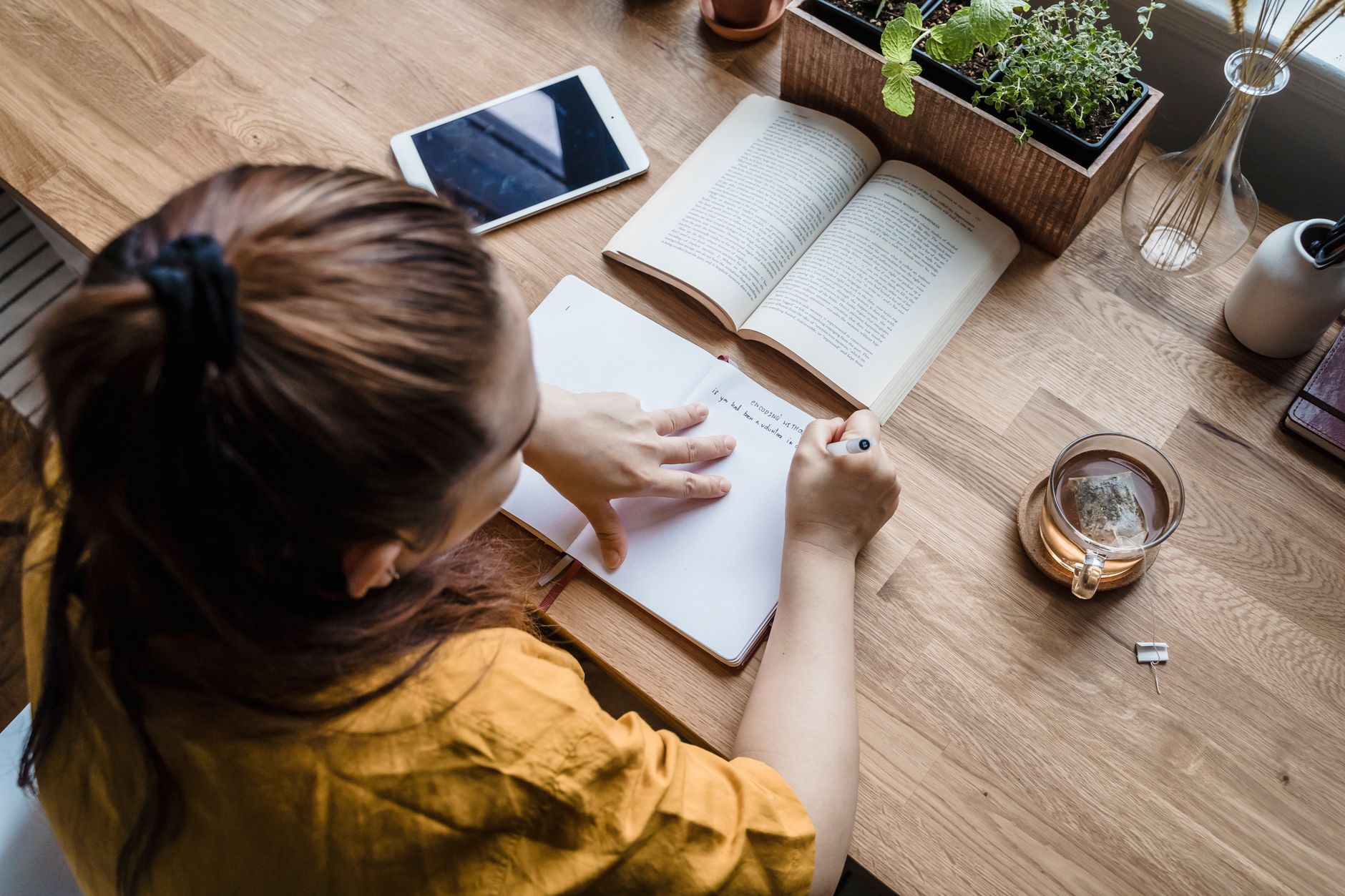
Maybe that is why JOMO suddenly feels less like a wellness slogan and more like taste. Taste in the broad sense, not the expensive one. Taste as in knowing when more noise will not improve the night. Taste as in understanding that a good weekend does not have to be documented to count. I am less interested in whether Gen Z invented that instinct than in the fact they seem less apologetic about acting on it.
Hoyer puts the status element plainly.
being a little unreachable is more of a status symbol than always being available
— Melissa Hoyer, The Age
In a more buoyant economy, that line would have sounded smug. In this one, it sounds observational. When the average Australian worker is already running hot, social ambition starts to look like one more bill. The Conversation AU reports that one in two Australian workers face burnout, with young people and parents most at risk, and that Australians are doing an average 3.6 hours of extra unpaid work each week. Put that beside Hoyer’s account of people protecting their energy, plus the reported gains of 32 per cent lower stress and 45 minutes more sleep among people embracing JOMO over FOMO loops, and the mood stops looking trivial.
Elsewhere, the adjacent lifestyle signals point the same way. Homes to Love’s reporting on weekend stays notes that shorter, quieter breaks are overtaking the fantasy of the big escape. Holidays need not be lavish to feel restorative. Social life too, I suspect. A smaller plan, or no plan, can look less like deprivation and more like proportion.
Then there is the work story. In the same four-day-week reporting, one Australian chief executive said adopting the model felt overdue because staff had already shown flexibility through the pandemic.
it was a little rich if we didn’t do the same
— Australian chief executive quoted by The Conversation AU
It is not a quote about parties or group chats, obviously. Still, it hints at something wider. If work culture is slowly admitting that total availability is a poor organising principle, social culture tends to follow. The regulator-policy perspective in this story is less about formal law than about permission structures. People copy what stops being punished.
The line between rest and retreat
I would not romanticise the idea that every instinct to stay home is wise. Some of it is wisdom. Some of it is depletion. Some of it is fear wearing a nicer outfit. The ScienceDirect paper on JOMO is useful precisely because it complicates the fantasy version. JOMO, as measured there, was not just pure serenity; it sat beside questions of self-perception, social-media use and social anxiety. That does not make the instinct false. It makes it human.

Which leaves the skeptic’s question: how do you tell whether your missing out is nourishing you or shrinking your life? The cleanest answer in the reporting is also the least glamorous. If opting out leaves you calmer, clearer and more available to the parts of your life that matter, that is probably healthy JOMO. If it leaves you smaller, more avoidant and more frightened of re-entry, it is not really joy at all. That is the question Channel NewsAsia’s piece answers, at least in part, and it is the one worth keeping.
It also helps to strip the acronym of its merch. JOMO is a silly little word for a serious recalculation. Young Australians are not only chasing hygge with better branding. They are editing for cost, for energy, for attention, for the private pleasure of having a night that does not need witnesses. In that sense the phrase belongs to the same family as the recoil from compulsive posting, the appeal of analog interiors, and the modest fantasy of a weekend that is actually restorative rather than merely full.
None of this means the old fear has vanished. FOMO is too basic, too social, too human for that. There will always be a pang when you imagine the better table, the better holiday, the better version of your friends laughing without you. I might be wrong, but I suspect what has changed is not our appetite for belonging. It is our tolerance for the performance around it.
Yes, the joy of missing out suddenly feels sane. Not because abstinence has become chic, and not because Gen Z has solved loneliness with a clever acronym. It feels sane because Australia is tired. Tired at work, tired online, tired of spending money to prove we are alive. Under those conditions, staying home is no longer always a failure of nerve. Sometimes it is the first adult decision you have made all week.

Brisbane-based GP turned health writer. Covers women's health, fertility and the gap between clinic and culture.
The Lifestyle Desires brief
Style, food, travel and wellbeing — weekly in your inbox.
Subscribe