The beauty swaps that make plastic feel less inevitable
A realistic bathroom-cabinet reset: finish what you own, swap the easy repeat buys first, and get clearer about which empties can actually leave your house responsibly.
If you give me 20 minutes and a bathroom shelf, I can usually tell where the plastic guilt is coming from. Not the serum you finish to the last drop. The half-squeezed cleanser tube with the split lid. The pump bottle that never quite empties. The travel minis breeding in the back corner like bobby pins. On cold mornings, when the tiles feel mean and the mirror is still foggy from the shower, those are the things that make beauty feel less like ritual and more like packaging management.
Want to cut plastic from your routine without turning beauty into a moral exam? Make this a cabinet reset, not a shopping spree. In half an hour, you can work out what to finish, what to refill, what to swap and what needs a proper drop-off plan. The reason it matters: almost 60% of beauty packaging is made from plastic and more than 10,000 tonnes of cosmetic waste goes to landfill in Australia each year. The useful part, if there is one, is that the mess is usually in the packaging, not in your moisturiser. This is the version I would actually do.
1. Finish the nearly-empty things first
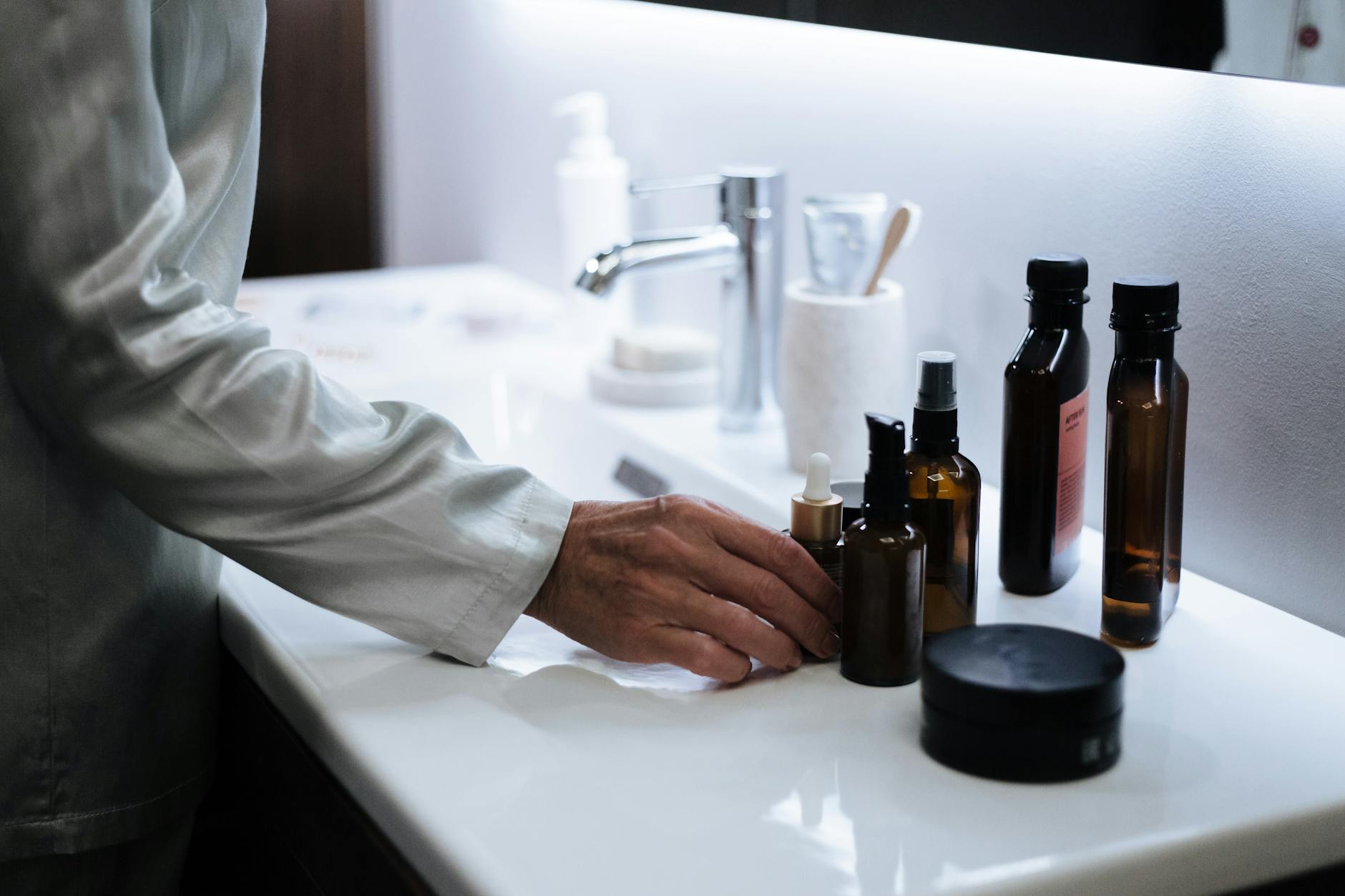
Start with the products already living on your sink, in your shower caddy and in the drawer where bad purchases go to wait for absolution. Pull everything out. Wipe the shelf. Put the nearly-empty items in one row, unopened backups in another, and the products you genuinely do not use in a third. A tube already creased to death that you are still keeping for later? Bring it forward. Later is now.
This is the least glamorous step, and probably the one that saves the most waste. I like a before-and-after here because the visual is rude in a useful way. Before: three cleansers open, two body lotions, one mystery lip oil, a cap with no bottle. After: one active product per slot, the almost-finished things at the front, the fantasy-self purchases demoted. Nobody needs a new bamboo tray. What you need is to see what you already own.
Dr Anita Vandyke is not sentimental about this. “A product you love and actually finish is infinitely better than five products you don’t.” I agree. The plastic problem in beauty often looks like overbuying dressed up as self-care. Before you chase the perfect bar cleanser or aluminium tin, finish the formula that is already half done. If something is open, usable and still suits your skin, the lowest-waste move is to use it up.
2. Swap the repeat buys before the fiddly products
When you do replace something, start with the categories you churn through fast: body wash, shampoo, conditioner, hand soap, maybe cleanser if you are not terribly fussy about texture. These are the easiest places to test bars, refill pouches or shop refills because the feedback loop is quick. You will know within a week whether the swap is annoying, fine or surprisingly good.
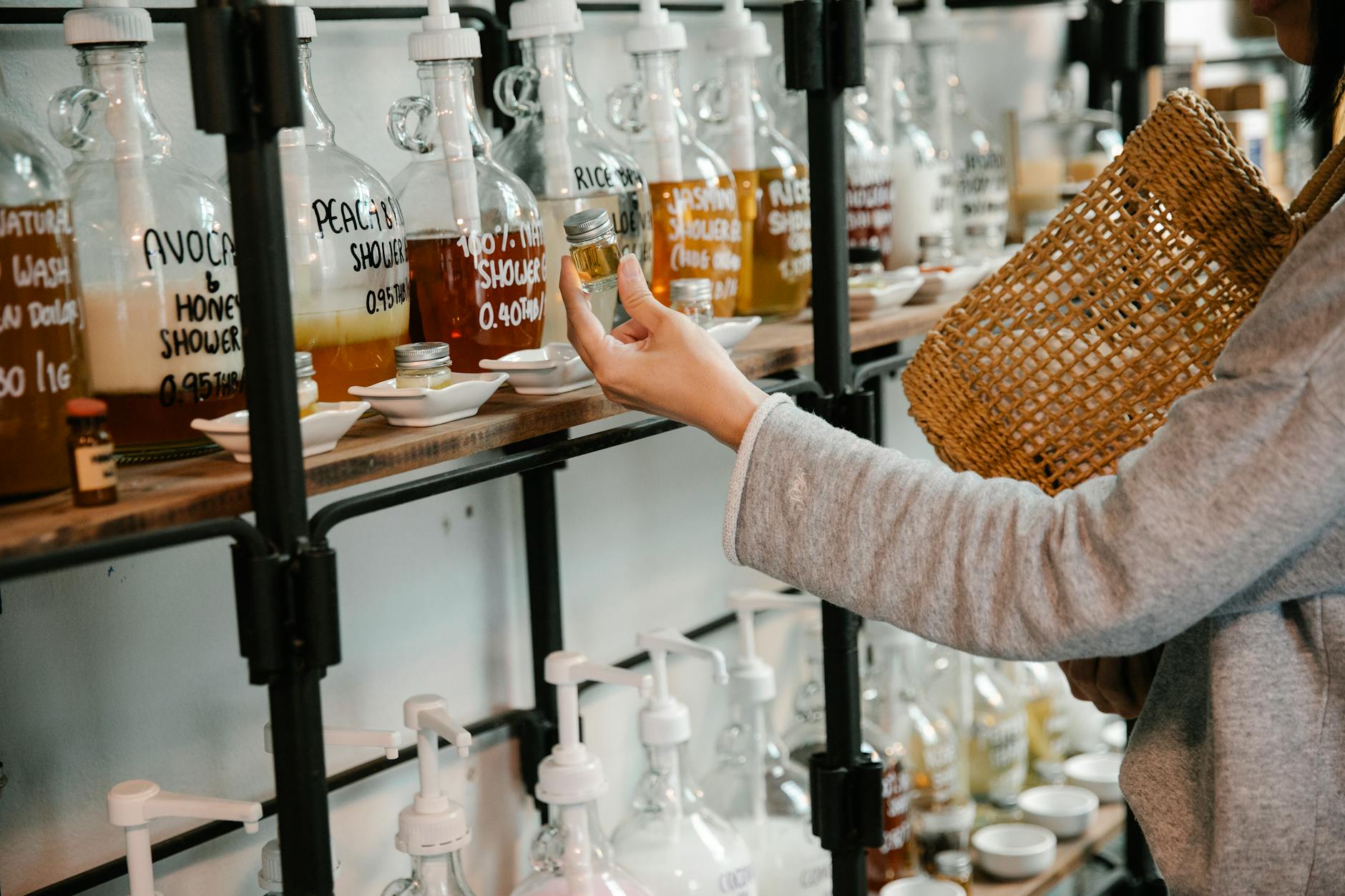
The Australian options here are more ordinary than most people think, which I mean as a compliment. When I pulled the numbers for this piece I kept finding the same thing: about 50 refill stores through The Source Bulk Foods network across the country. That is not a niche anymore. Nobody needs to make a pilgrimage to a refill shrine. Lower-plastic formats are just… available now. In a way they were not even three years ago.
Keep the first round boring. Try one refill hand soap. One shampoo bar. One body wash you can buy in a pouch rather than a fresh pump every time. Leave the fiddly, specialist products alone until later. If a retinol, prescription cream or delicate cleanser already works for you, it does not need to become your first battlefield. I am less convinced by the performance of a lot of earnest eco packaging than I am by a routine simple enough to repeat. The aim is not visual purity. It is fewer bottles coming home with you every month.
3. Buy for the version of you who actually uses it
A big bottle is not automatically the sustainable choice if it goes stale in a warm bathroom or joins the graveyard under the sink. One of the grimmest numbers I have seen in recent beauty-waste reporting: Australians bought and threw away 179 million personal care bottles in a year, and only 15% were recycled. Waste is not only what you rinse out. It is the half-used formula you bought because it was on special, or because the aspirational version of you definitely needed a second exfoliant.
Here is where I get sceptical of the bigger-is-greener reflex. Sometimes it holds. Often it is just a more expensive way to feel virtuous before the product expires. Buy smaller when you are trialling something. Skip backups unless it is a staple you empty on schedule. Tempted by a sale? Ask one irritating question: will I finish this before I forget I own it?
Making this practical means one rule per category. Only one cleanser open at a time. No replacement mascara until the current one is done. No just-in-case body scrub. Mine would be cleansers and lip products because I am embarrassingly persuadable around those. Yours might be hair masks or sheet masks. The point is to stop shopping for a fantasy bathroom and build a routine that gets finished in real life.
4. Read the packaging the way you read the ingredients
If you already inspect niacinamide percentages and fragrance, extend that same suspicion to the pack itself. Look for the Australasian Recycling Label. Check whether the pump unscrews, whether the cap and bottle are different materials, and whether the brand gives any actual disposal instructions beyond a leafy colour palette and the word conscious in a serif font. When the packaging cannot tell you what it wants to be when it grows up, that is information.
This is where brand messaging and real-world disposal often split apart. Beauty brands should already be phasing out single-use and problematic plastics. Fair enough. But you are the one standing in the chemist trying to work out whether a pump, a lid and a sleeve can be separated without needing engineer-level patience. So make it simple. Prefer formats you can open, empty and understand at a glance.
Clear labelling beats vague eco language, every time. A sturdy bottle with a refill system is usually more convincing than a one-off pack in muted green. A bar in a cardboard box beats a pump you cannot rinse, and a pack that tells you what bin it goes in beats a brand that wants applause for good intentions. Read the outside of the product with the same suspicion you bring to the ingredient list. Maybe more.
5. Give the awkward empties a real exit route
Some beauty packaging is annoyingly bad at being recycled kerbside. Squeezy tubes, pumps and tiny sample sachets have a way of making you feel guilty and confused at the same time. So make the decision before the next empty lands in your hand. Check your council guidance, such as the ACT Government’s recyclopaedia entry on cosmetic tubes, and use store take-back schemes where they exist, including TerraCycle at MECCA.
I would not romanticise this part. It is admin. Manageable admin, but still admin. Keep a small box, paper bag or old cosmetics case under the sink for the items your kerbside bin does not want. When a tube is empty, cap it, toss it in, move on. When the bag is full, take it with you the next time you are already near a drop-off point. That beats standing in the bathroom trying to remember whether a shiny little cap counts as hard plastic or just wishful thinking.
This is also where Dr Nick Florin is practical rather than purist. “The next priority should be looking at reuse, so refills, and take back packaging, then looking at better recycling.” In other words, recycling is not step one. It is the clean-up step after buying less and reusing more. That order matters.
6. Set a boring system you can repeat
The routine that cuts the most plastic is usually the one that feels almost dull. A short shelf. Fewer duplicates. One refill reminder in your phone. A quick cabinet check before you buy anything on sale. Take a photo of your usual line-up now. In six weeks, compare it with what is left. If the same half-used products are still hanging around, your problem is probably not that you need better sustainable packaging. You probably need fewer categories.
This is also the moment to decide what counts as enough. Not zero plastic. Not a saintly bathroom with matching amber jars. Enough might mean you finish what you buy, you swap the easy repeat products into lower-plastic formats, and you stop pretending every empty can go in the kerbside bin. That is already a meaningful reduction in clutter and waste.
If a swap fails, let it fail cheaply. Go back to the formula that works and try a lower-plastic version next time, or in a different category. There is no prize for forcing yourself through a miserable shampoo bar or a cleanser you secretly hate. What to do next is simple: finish three things, replace one of them in a lower-plastic format, and set up one proper drop-off habit for the weird empties. That is enough movement for one month. Maybe more than enough.

The Lifestyle Desires brief
Style, food, travel and wellbeing — weekly in your inbox.
Subscribe