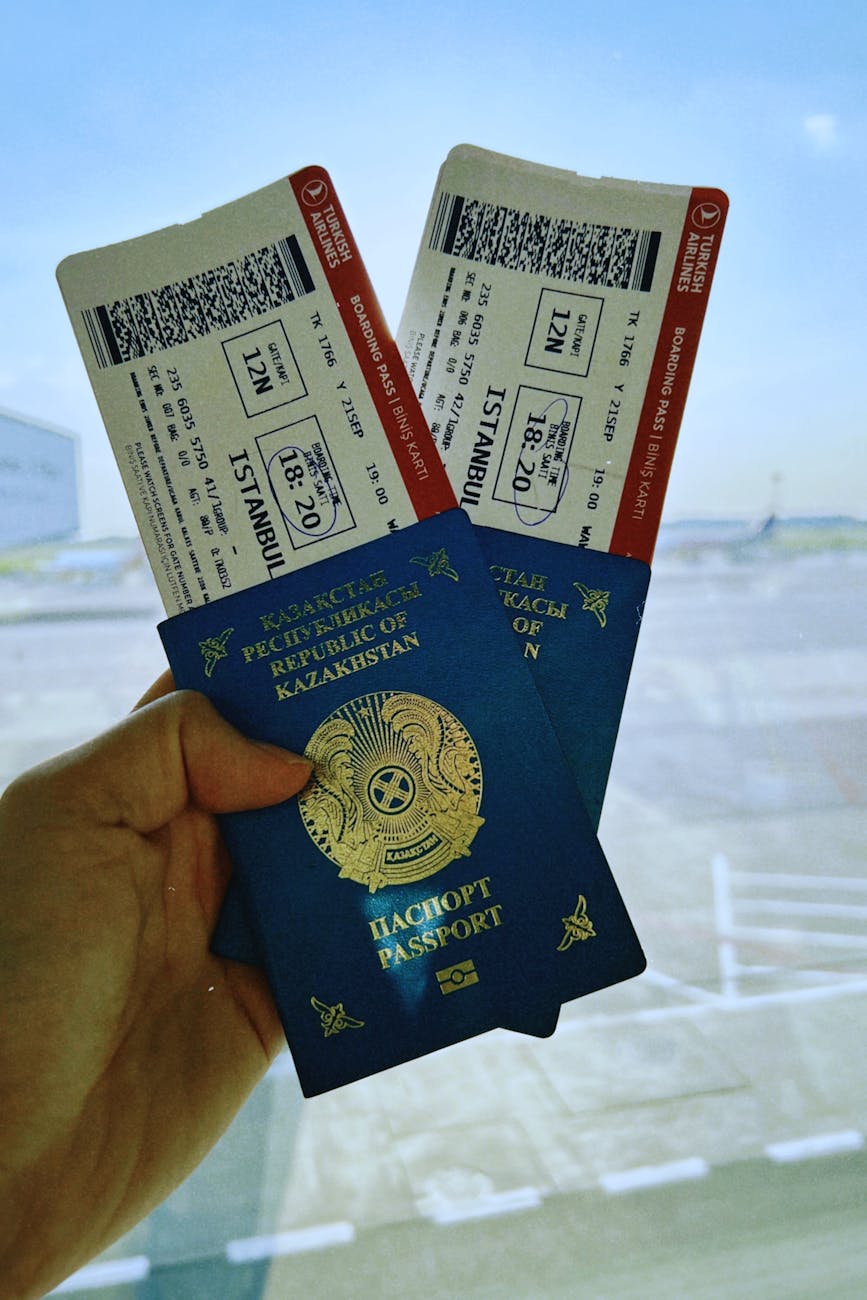
The 2026 travel paperwork to check before you book
Travel in 2026 still works fine, but it wants more admin first: shorter Thailand stays, the UK's ETA, Europe's new systems and one last official check before you fly.
I keep thinking about the version of travel that used to run on instinct: a cheap fare, two tabs open, someone in the group chat insisting Thailand is easy, Europe is easy, and the passport is probably still in the drawer. In 2026 that version feels slightly made up. The beach still exists. The London long weekend still exists. But a thicker layer of admin now sits over both.
Set aside 20 quiet minutes before you pay for anything. That’s the job here. By the end, you should know whether your trip needs a digital approval, a shorter-stay plan, a border registration, or one last official check before you go.
I’m not trying to spook you. This is housekeeping. Travel in 2026 is still fun, still worth the red-eye sometimes. You just can’t rely on last year’s rules, or what your cousin did in January.
1. Start with the destination’s own entry page, not the group chat
I now close the chat where everyone is swapping half-remembered border rules and open the official page instead. Less romantic, yes. Also where the answer lives.
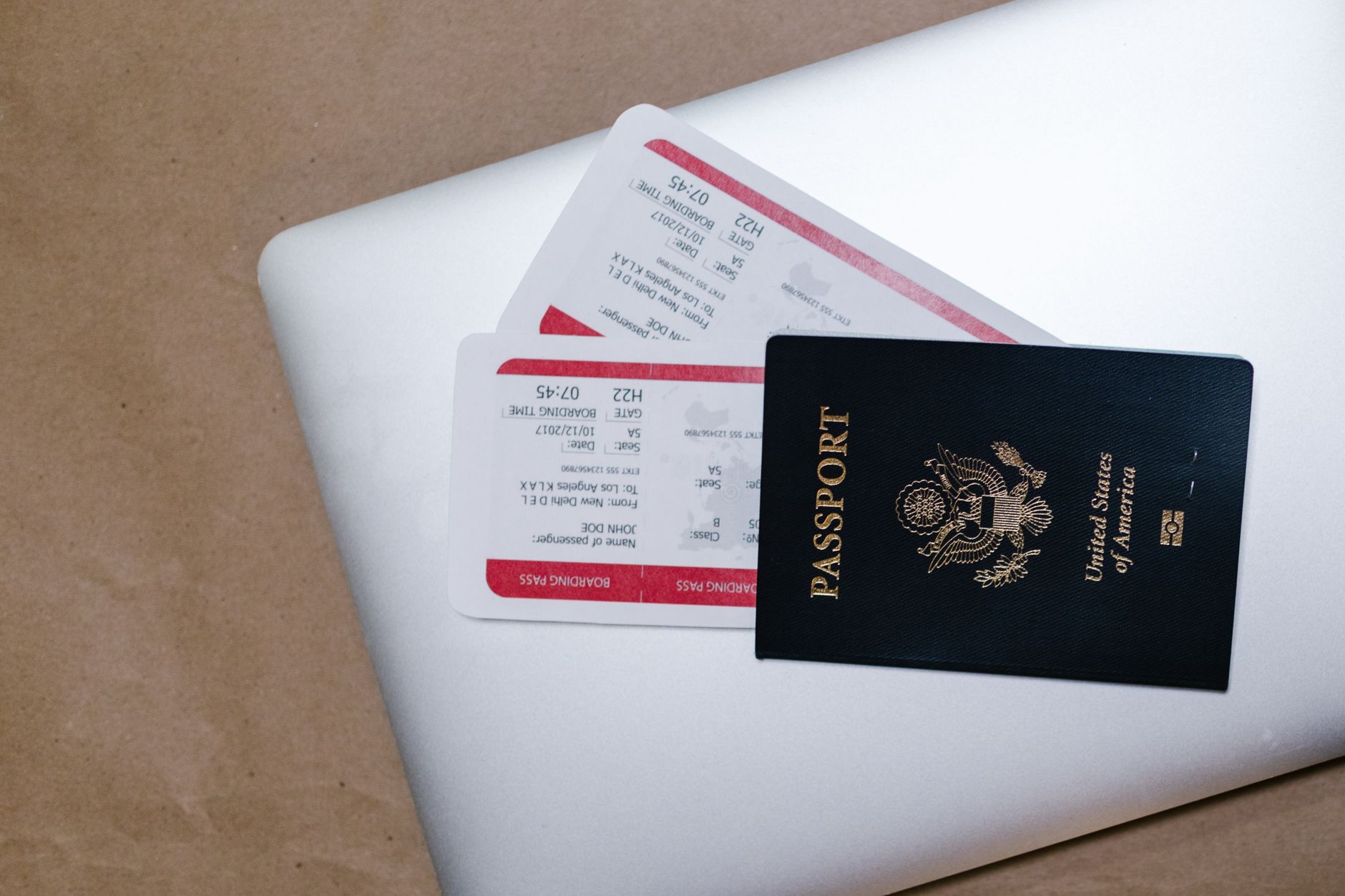
For a UK city break, that means the UK ETA page. For Europe, start with the European Commission’s Entry-Exit System page and the official ETIAS page. For Thailand, go straight to the Thailand Digital Arrival Card guide.
Do that before you compare fares, not after. The practical question is simple: does this country now want a pre-approval, a digital arrival form, a shorter visa-free stay, or some mix of the three? Once you know that, the trip stops being a browser fantasy and starts behaving like a plan.
2. Check how long you are actually allowed to stay now
Thailand is probably the place most likely to catch Australians out because the old setting is wrong. If “Thailand equals 60 easy days” is still living rent-free in your head, clear it.

SBS News reported that Thailand has cut visa-free stays for Australians from 60 days back to 30. Not just a bureaucratic footnote. It changes whether an add-on week still fits, whether the remote-work fantasy can stretch, and whether your return flight needs to move.
Check the length of stay before you book anything rigid. Count the days properly. Count arrival day. Count the day you leave. If your itinerary is brushing up against that 30-day mark, fix it on the couch with a cup of tea, not under fluorescent lights after an overnight flight.
3. Treat digital approvals like part of the booking, not part of the airport
The paperwork drift of 2026 isn’t only about visas. It is also the digital permissions that sit beside the booking, quiet until they’re the only thing that matters.

The UK ETA currently costs £20 and is valid for two years. Thailand’s digital arrival card is mandatory and needs to be completed within the three days before arrival. Neither step is hard on its own. Timing is what gets people. They leave both in the vague bucket of “airport admin”, which is how small tasks get ugly.
My rule is blunt: if a destination needs a digital approval, I make a calendar reminder the same day I book the flight. For fixed-window tasks, like Thailand’s arrival card, I set it for the first morning I’m allowed to do it. For longer-running approvals, like the UK ETA, I sort it early and keep the confirmation in two places: one screenshot on the phone, one copy in email. Boring. A little obsessive. Worth it.
4. Europe now needs its own separate mental folder
Europe used to sit in the easy, sprawling part of the Australian travel imagination. You landed, joined the queue, got stamped, got on with it. That picture is changing.

The Entry-Exit System is set to start on 10 April 2026. The ETIAS scheme is due in the last quarter of 2026. They are not the same thing, and it helps to separate them now. EES is the border recording system. ETIAS is the travel-authorisation layer expected to sit on top later.
If you’re booking Europe for late 2026, don’t settle for “I don’t need a visa”. That may remain broadly true and still miss the admin you’re actually expected to do. Ask a better question: when I arrive, what system will I meet, and what has to be finished before I get on the plane?
5. Build one small travel-admin folder before you spend real money
This step is not glamorous, which is exactly why it saves trips. Once you know the entry rules, build one folder on your phone and laptop with the documents this itinerary might need: passport photo page, booking reference, accommodation address, onward ticket, ETA approval if relevant, arrival-card confirmation if relevant.
I’ve become mildly evangelical about this because travel admin now lives across too many tiny screens. An airline app has one answer. A government email has another. Your notes app has the apartment address in Lisbon. None of it is hard until airport Wi‑Fi turns feral and you’re digging through old inboxes at the gate.
Name the folder with the destination and dates. Keep the confirmations inside it. If a border system or airline asks for evidence, you want one place to reach, not a scavenger hunt.
6. Recheck the official pages 72 hours before departure
This is the step people skip because by then the holiday feels emotionally complete. The bag is half packed. Somebody has booked dinner. You want to think about sandals. Fair enough. Do it anyway.

Go back to the official pages you used at the start: GOV.UK for the ETA, the Thailand Digital Arrival Card guide, the European Commission’s EES page, the official ETIAS page. You’re looking for changes in timing, form requirements and rollout dates. In 2026, that last check isn’t paranoia. It’s maintenance.
If nothing has moved, lovely. If something has shifted, you still have time to fix it from home, in socks, with decent internet. That’s the point.
7. If something still feels fuzzy, slow the booking down
Troubleshooting is usually less dramatic than it feels. If two sources disagree, trust the official government or immigration page over a travel roundup. If the rule changed recently, assume old advice in saved Instagram posts and forum threads is already stale. If your stay length is close to a limit, trim the trip or get clearer advice before you commit money.
Pick the trip you’re most likely to book this winter. Open the official entry page. Check stay length, digital approvals and timing. Build the folder. Set the reminder. Then go back to the fun part: the restaurant tabs, the coastal drives, the fantasy version of yourself who absolutely will wake for sunrise on the first morning. The holiday is still there. It just wants a bit of paperwork first.

The Lifestyle Desires brief
Style, food, travel and wellbeing — weekly in your inbox.
Subscribe