The war clause hiding in your holiday
Travel insurance war cover is narrower than many Australians assume. Before you cancel, check the trigger, the advisory level and what losses still count.
Every long-haul booking has a moment where the trip stops feeling like a fantasy and turns into admin. For me it is usually around midnight, laptop light on, half a glass of wine going warm, the route map open in one tab and the policy booklet sulking in another. You start with the fun parts: the hotel with the tiled courtyard, the flight that threads neatly through Singapore or Doha, the little promise you make to yourself about packing lighter this time. Then the world barges back in. A conflict flares. Airspace closes. A stopover that felt like a harmless line on the screen suddenly looks loaded. The phrase “war exclusion” stops sounding legal and starts sounding personal.
That shift is why so many Australian travellers are asking the same blunt question right now: does travel insurance cover war? The trouble is that the useful answer lives inside a narrower question. The real hinge is what caused the loss you want to claim, and when it happened. Under the guidance now circulating from RACV and the Insurance Council of Australia, war or armed-conflict losses are commonly excluded, while other losses inside the same trip can still survive if they are not caused by the conflict itself. A cancelled leg, a delayed reroute, a medical episode, a bag that goes missing in the usual airport chaos: these do not always land in the same insurance bucket. That is the part people miss.
Insurers, unsurprisingly, read the clause as a boundary line, not a moral statement. Their argument is practical. War is a tail risk, sprawling and hard to price, so the industry excludes it across the board and expects travellers to sort the rest of their decisions around that fact. The industry line from the Insurance Council is blunt enough to be useful.
War and conflict exclusions are present in all general insurance policies.
— Insurance Council of Australia
But the traveller standing in their kitchen with a passport on the bench is reading the same situation differently. They are not pricing geopolitical risk. They are trying to work out whether a booking made in good faith still has a safety net under it, or whether that net has holes big enough to turn one bad week into a very expensive lesson.
Where the clause bites
The biggest misunderstanding sits around cause and timing. A war exclusion does not automatically erase every part of your cover the minute a destination or transit point enters the news cycle. It usually matters because insurers ask what directly triggered the loss. If hostilities shut an airport, suspend a route or make an evacuation flight necessary, the exclusion may bite hard. If you twist an ankle in Rome, get appendicitis in Athens or lose luggage in Dubai while broader regional tensions dominate headlines, the analysis can be more granular. The route matters. The event matters. The paperwork matters.
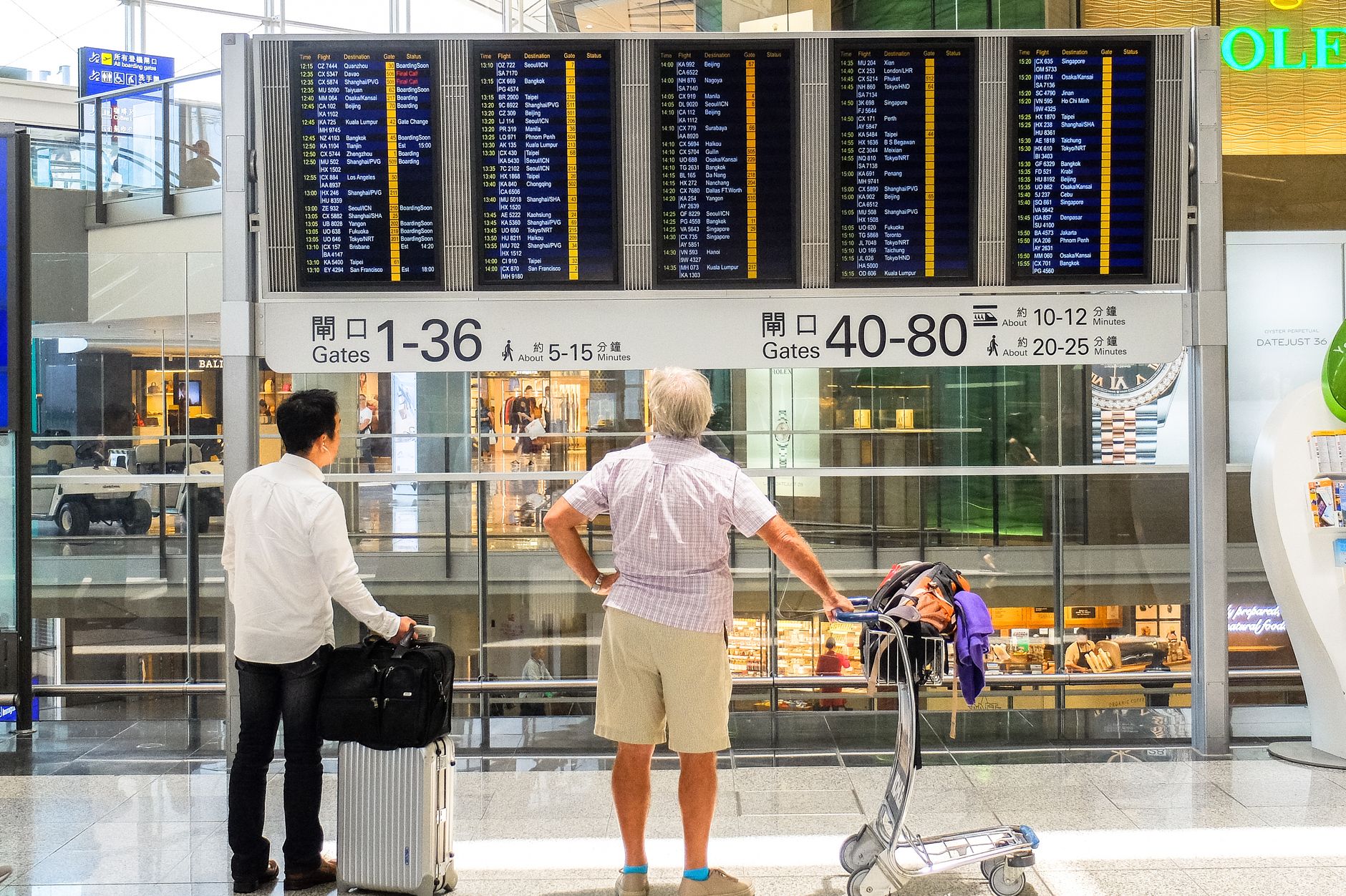
That is why Smartraveller’s armed conflict advice is worth reading alongside the Product Disclosure Statement, not after you have started panicking. The government advice is about personal risk and operational reality, not claim generosity. Smartraveller’s Level 3 warning means reconsider your need to travel. Level 4 means do not travel. Neither phrase is a magic insurance code by itself, yet both can change the practical shape of your trip very quickly, especially if airlines, tour operators or local authorities start moving before your insurer does.
You should not rely on the Australian Government to evacuate you.
— Smartraveller
That warning lands harder than most policy wording because it cuts through the fantasy a lot of us carry into overseas travel: that somebody larger, tidier and better organised will step in if things go sideways. Often they won’t. Recent ABC coverage has put that anxiety back into ordinary Australian trip planning, particularly for travellers with Middle East stopovers or itineraries that suddenly feel closer to volatility than they did at the time of booking. Still, the government’s caution and an insurer’s denial belong to adjacent systems. Treating them as the same thing is how confusion starts.
The industry perspective is tidy because it needs to be. Andrew Hall and the Insurance Council keep coming back to exclusions because exclusions are administratively legible. The consumer experience is messier. Most people buy travel insurance as a bundle of reassurance. They hear “comprehensive” and picture an umbrella. What they have actually bought, as Smartraveller’s own basics page gently reminds readers, is a list of triggers, conditions and carve-outs that behave differently depending on the thing that went wrong. From the traveller’s vantage, that can feel like the product changes personality the moment world events intrude.
The sceptical view is more uncomfortable, and it deserves space by the middle of the story rather than the end. Consumer-law critics are asking a different question from the insurer’s one. They are less interested in whether war exclusions exist than in whether ordinary people can understand how they work in practice. The fairness argument canvassed in The Conversation turns on comprehension and expectation. The ombudsman trail matters here too. The AFCA decision archive shows how these disputes end up being argued through wording, causation and evidence, not through the vibe of a scary headline. That is a very different frame from the way most policies are sold.
The expensive mistake comes first
From the traveller’s side, the practical playbook is plainer than the marketing copy. Do not cancel first and ask questions later. Start with the supplier, then the route, then the advisory, then the policy. Check whether the airline has changed or withdrawn the service. Check whether your travel agent can reissue or reroute. Check the date on the official warning. Then read the clause you have been avoiding. In a lot of cases, the most expensive move is the emotional one: you panic, you self-cancel, and you accidentally create the weakest claim on the board.

That is why CHOICE’s guidance is refreshingly unglamorous. It does not promise a heroic workaround. It tells people to preserve their options and make the insurer do its job.
You should still contact your travel insurer and lodge a claim.
— CHOICE
Jodi Bird’s consumer-facing point, and the broader CHOICE logic around it, is that a war exclusion does not give travellers permission to assume the answer for themselves. A claim can still succeed on some other basis. An airline cancellation may activate refund rights outside the insurance policy altogether. A reroute may solve the immediate problem without ever touching the PDS. A medical issue or unrelated theft can still sit in its own lane. Once you see the trip as a stack of separate transactions and risks, rather than one grand holiday object, the advice gets clearer. Paperwork first. Feelings later.
This is also where the user-affected perspective becomes more valuable than the usual industry FAQ. Travellers need a decision tree in ordinary English. Another performance of certainty adds nothing. What changed? Who moved first? Did the airline cancel, or did you? Was the loss caused by conflict itself, or did it happen in the background noise of a troubled region? What did the advisory say on the day you booked, and what did it say when the trouble escalated? Those questions sound small. They are the whole game.
The answer to the traveller’s practical question is partly reassuring and partly irritating. Some cover can survive inside a trip touched by conflict. RACV’s explainer and the Insurance Council’s FAQ both point readers toward that nuance. The presence of a conflict does not transform every later mishap into an insured event. Causation still rules. So does documentation. The line between a covered mishap and an excluded loss can look absurdly fine when you are living through it, which is exactly why tidy slogans about “covered” or “not covered” are such poor guides.
I keep coming back to the ritual quality of travel insurance. We buy it because we want uncertainty to behave. We want a PDF, a helpline and a premium payment to turn the world back into something legible. War exclusions are the moment that fantasy breaks. They expose how much of travel planning is really about sequencing decisions under pressure: whether to go, whether to reroute, whether to wait, whether to claim, whether to swallow a loss and move on. For Australian travellers booking their next trip, start with a more exact question: what exact event am I claiming for, and who has already put that in writing? Ask that early enough, and the fine print becomes less of an ambush. It starts to read like what it has always been: an argument about cause.

Hobart-based travel writer chasing regional Australia, off-grid stays and the slow road.
The Lifestyle Desires brief
Style, food, travel and wellbeing — weekly in your inbox.
Subscribe