What peptide lip liners are fixing that old lip pencils never could
Peptide lip liners promise care, but the real upgrade is comfort: softer glide, less drag and a blurrier, easier mouth than old pencils.
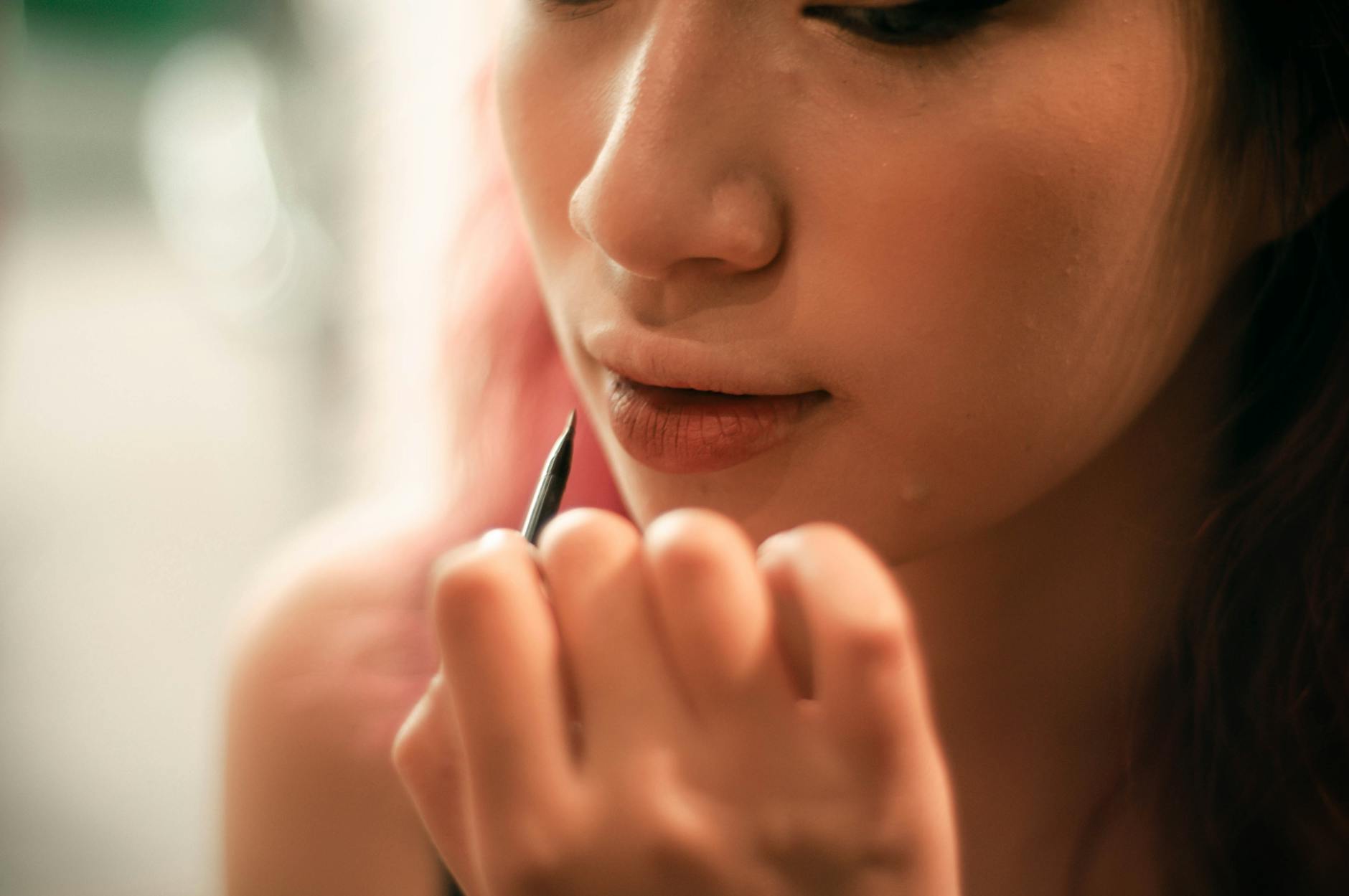
There is a very specific kind of annoyance only an old lip pencil can produce. You sharpen it, trace carefully, feel the tug at the corners of your mouth, then catch your reflection an hour later and discover that the line has gone chalky while your lips feel drier than when you started. I have bought enough of those pencils to know the little betrayal by heart.
So when Vogue’s fresh piece on peptide lip liners landed this week, I did not read it as another miracle ingredient moment. I read it as a comfort story. Beauty has spent years telling us that lips need to be outlined, blurred, overdrawn and somehow still left looking effortless. The real gap in the market was much plainer than that: people were sick of liners that skipped, piled and behaved like stationery.
From the bathroom mirror, the user-facing appeal is obvious. By the time you get to paragraph three, though, the insider read starts pushing back. Makeup artists and formulators are not talking about a revolution so much as a narrow technical problem finally being handled with more finesse. The useful way to understand peptide lip liners is that brands have found a better language, and in some cases a better texture, for the old job of drawing around a mouth without punishing it.
The feel comes first
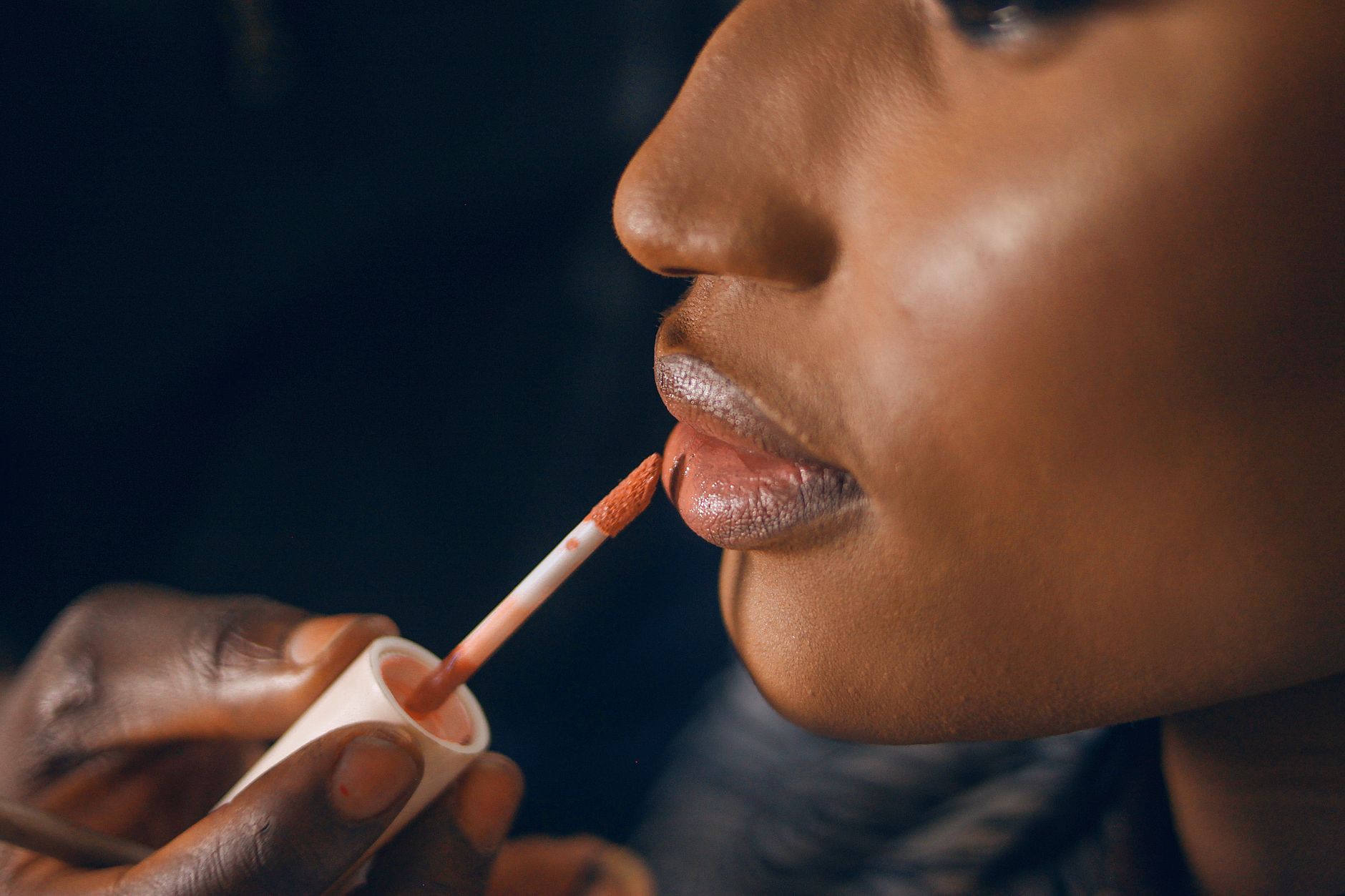
Mary Phillips, the celebrity makeup artist behind m.ph Beauty, put the technical constraint neatly in Vogue’s report: lip liner formulas have to stay structured enough to shape the mouth, but smooth enough not to crumble on contact. That is a finicky brief. A lipstick can slip. A balm can melt. A pencil has to hold itself together.
“Lip liner formulas are more technically restrictive than people realize.”
— Mary Phillips, Vogue
Ron Robinson, the cosmetic chemist quoted in the same story, gives the peptide case its best evidence-based version. He is not promising filler in stick form. He is describing support work: barrier comfort, some soothing, maybe a little visual softening around fine lines.
“Peptides are short chains of amino acids… they can help soothe the lips, repair the skin’s barrier, as well as plump and reduce the look of lines around the lips.”
— Ron Robinson, Vogue
From an analyst’s angle, that modest claim is almost the point. The category only became legible to ordinary shoppers once brands stopped calling these products liners and started calling them contour, blur or treatment. Hailey Bieber’s launch interview with The Cut was blunt about it.
“It’s not meant to be a lip liner, it’s actually meant to be a lip contour.”
— Hailey Bieber, The Cut
For beauty editors, this did not appear from nowhere. Peptides already had a halo in skin care, and Vogue’s recent reporting on collagen-stimulating ingredients shows how easily the language now travels from face serums to anything meant to feel restorative. Once that vocabulary was in place, moving it onto a lip pencil was almost inevitable.
Then the wording itself finished the job. Traditional liner implies precision, a sharpened edge, a slightly stern relationship to your own face. Contour suggests permission to smudge. It is a softer brief, and a much better fit for the mouth beauty has been selling for the past year: less drawn-on, more diffused, as if you just happen to have better lips than you did ten minutes ago. Rhode made that language visible, but Vogue’s round-up makes clear the lane is broader than one celebrity brand. Bobbi Brown, Victoria Beckham Beauty, Kulfi and m.ph are all circling the same consumer complaint.
From a reader’s side, this is where the user-affected perspective lands hardest. Nobody buying a pencil for a dinner out cares whether the amino-acid story is elegant if the thing drags at 7pm and gathers in little ridges by dessert. One review of Rhode’s pencil for The Independent found the shape flattering but the wear closer to four or five hours before fading and piling. That is not a scandal. It is a reminder that comfort and longevity still fight each other a bit. The old-school pencil lasted because it was dry. The new one feels nicer because it is not.
Care, but only to a point
Strip away the marketing gloss and the sceptic’s question is plain: how much can a peptide really do in a waxy product that sits on the lips for a few hours, gets licked, wiped, coffee-cupped and reapplied? The answer is probably some, but not magic. A 2026 systematic review and meta-analysis in Frontiers in Medicine found topical and oral peptides plausibly helpful in skin-ageing contexts, but it also reads like a lesson in limits. Delivery matters. Contact time matters. Formulation matters. The lips are not an abstract patch of skin in a lab; they are a moving target.
Meanwhile, the formulation trade is still trying to make the case from inside the lab. Personal Care Magazine reported on Lubrizol data claiming its oil-soluble Argireline YOUth peptide improved lip roughness in 14 days, which is interesting in the way supplier data often is: useful for thinking about possibility, less useful as proof that every pencil on a beauty shelf is suddenly treatment-grade. It answers one insider question, which is whether brands can even get peptides into this format at all. They can. It does not answer the reader’s harder question about whether the benefits survive normal wear.
That is why I keep coming back to the base of the product rather than the headline ingredient. Cosmetics & Toiletries wrote earlier this year about the broader hybrid-lip market as a barrier-crossing exercise, with gloss, balm, care and colour collapsing into one another. Read through that lens, the peptide pencil is less a biotech leap than a format upgrade. Oils, waxes, film formers and emollients are doing a lot of the heavy lifting for glide. The peptide story helps explain the softness in a language beauty shoppers already understand.
Bluntly, brands also know that care sells more gently than correction. A lip liner once suggested a flaw to be fixed: your lip line is vague, your lipstick feathers, your mouth needs discipline. A peptide lip contour suggests nurture. It belongs to the same commercial mood that has turned peptide eye patches into social-feed staples and made collagen powders feel adjacent to beauty rather than wellness admin. The market is not only selling colour now. It is selling the feeling that every step of getting ready can double as maintenance.
Buried in that shift is the real answer to the analyst’s question about purchase intent. I do not think most people are buying these pencils because they have carefully weighed peptide literature. They are buying because the ingredient story gives cover to a more emotional desire: to wear lip definition without the punishment old pencils used to exact. The science makes the product legible. The texture closes the sale.
Maybe the fairest way to say it is this: peptide lip liners are fixing an attitude problem before they fix a biology problem. They are correcting the hard, dry, slightly punitive feel of the category. They are also giving brands a better excuse for softness than simply saying, this one is nicer. When Allure wrote about peptide lip treatments, the emphasis was on plumping without sting. That is the same promise in a different outfit. Less irritation. More cushion. A prettier excuse to keep the product in your handbag.
If you care about ingredients, there is enough plausibility here to stay interested and enough ambiguity to stay sceptical. If you care about wear, the story is simpler. The best of these new pencils seem to understand that most people never wanted a stricter lip line. They wanted a forgiving one. In beauty, that is sometimes as close to progress as things get.

Melbourne beauty editor and ingredient nerd. Five years on the brand side before turning to writing about what's actually in the bottle.
The Lifestyle Desires brief
Style, food, travel and wellbeing — weekly in your inbox.
Subscribe