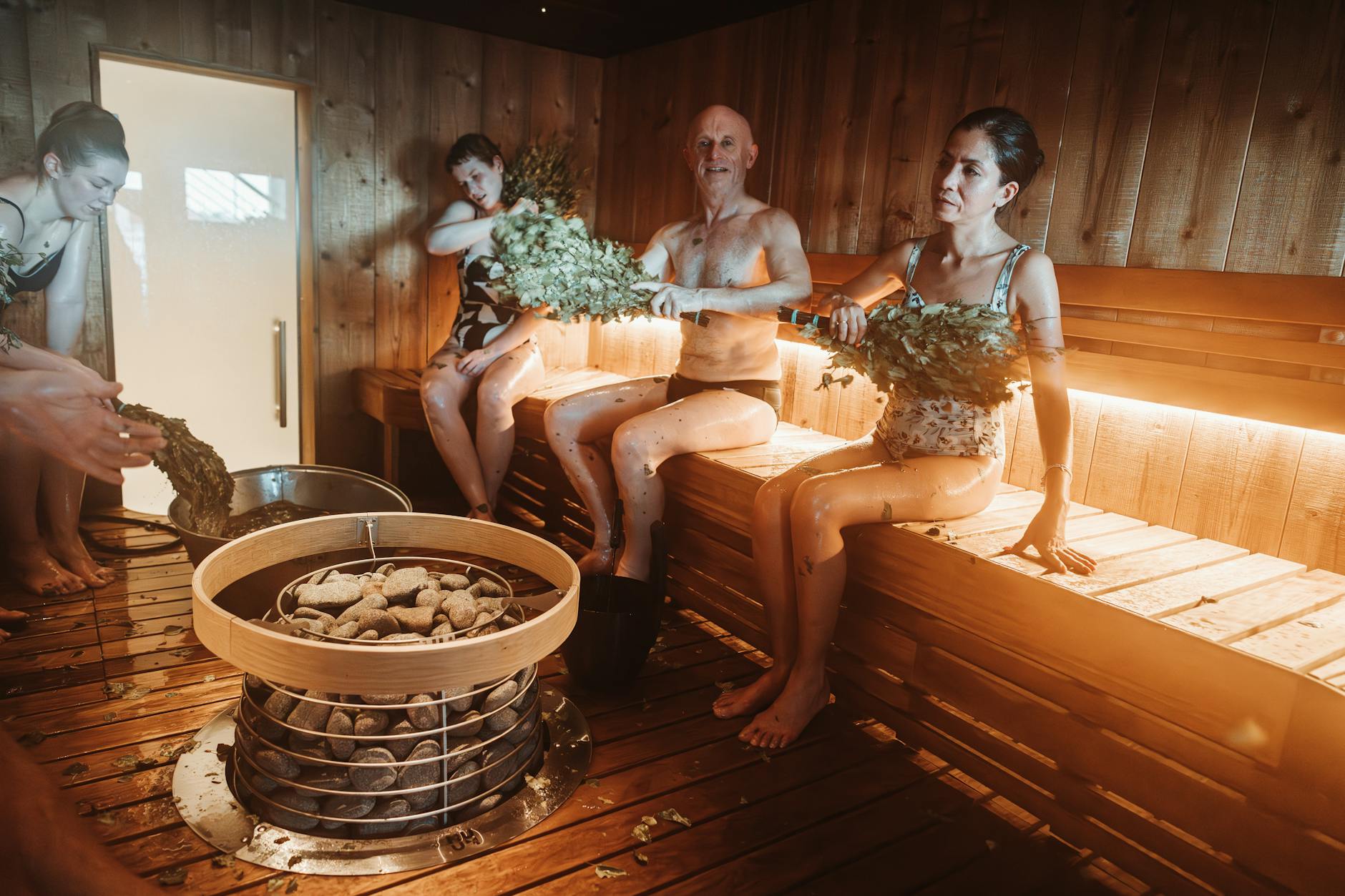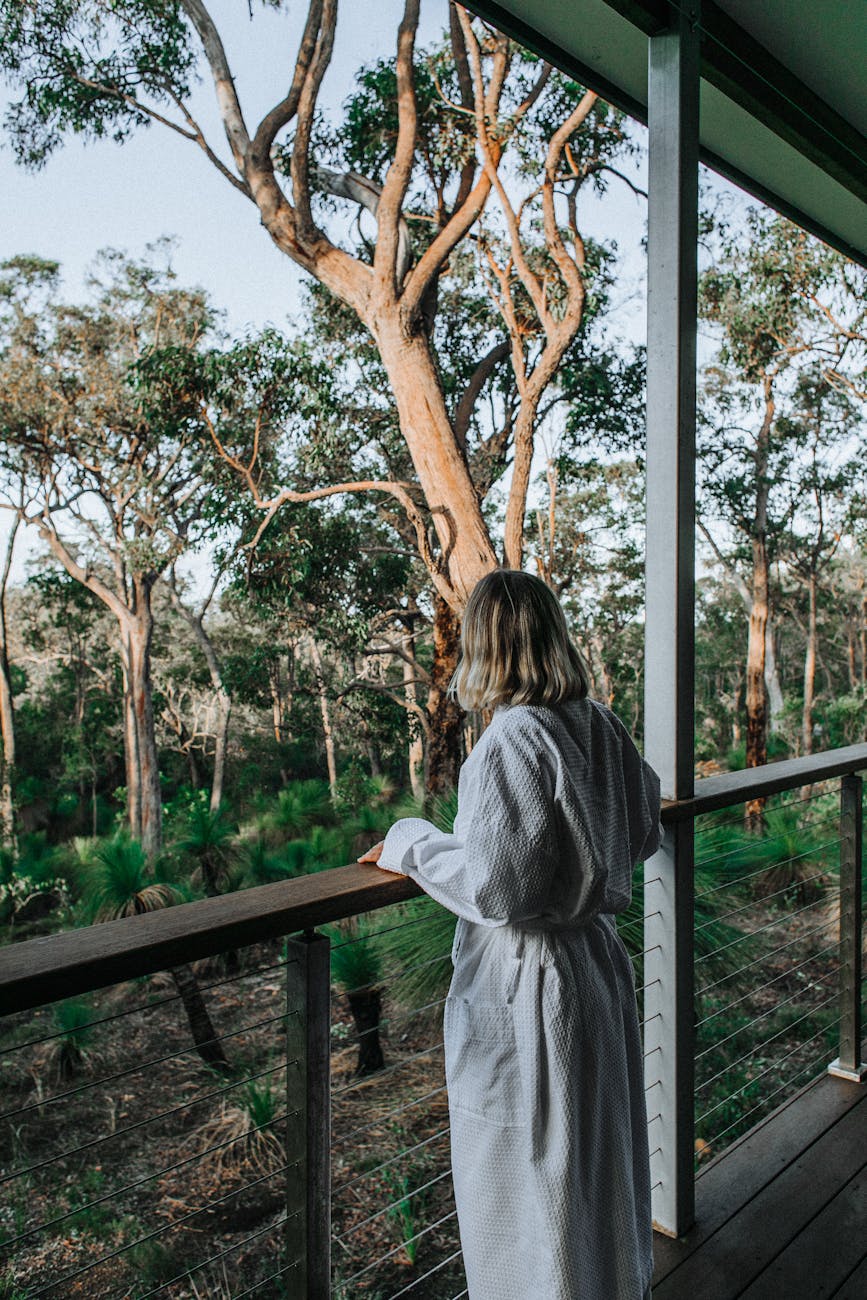
At Coogee, the spa day becomes a persona
Coogee spa culture is shifting from pampering to performance, as Èliva at InterContinental Sydney Coogee Beach sells ritual, recovery and status.
The fantasy arrives before the booking confirmation does. Late autumn at Coogee — the sea still bright but the air sharp enough to make you pull your towel closer — and somewhere above the beach a hotel is promising that recovery can be arranged into a sequence. Salt on the skin. Robe on the body. Warm water, cold water, silence, then dinner. That is the proposition behind Èliva Spa at InterContinental Sydney Coogee Beach, and they are selling that sequence as carefully as any single treatment on the menu.
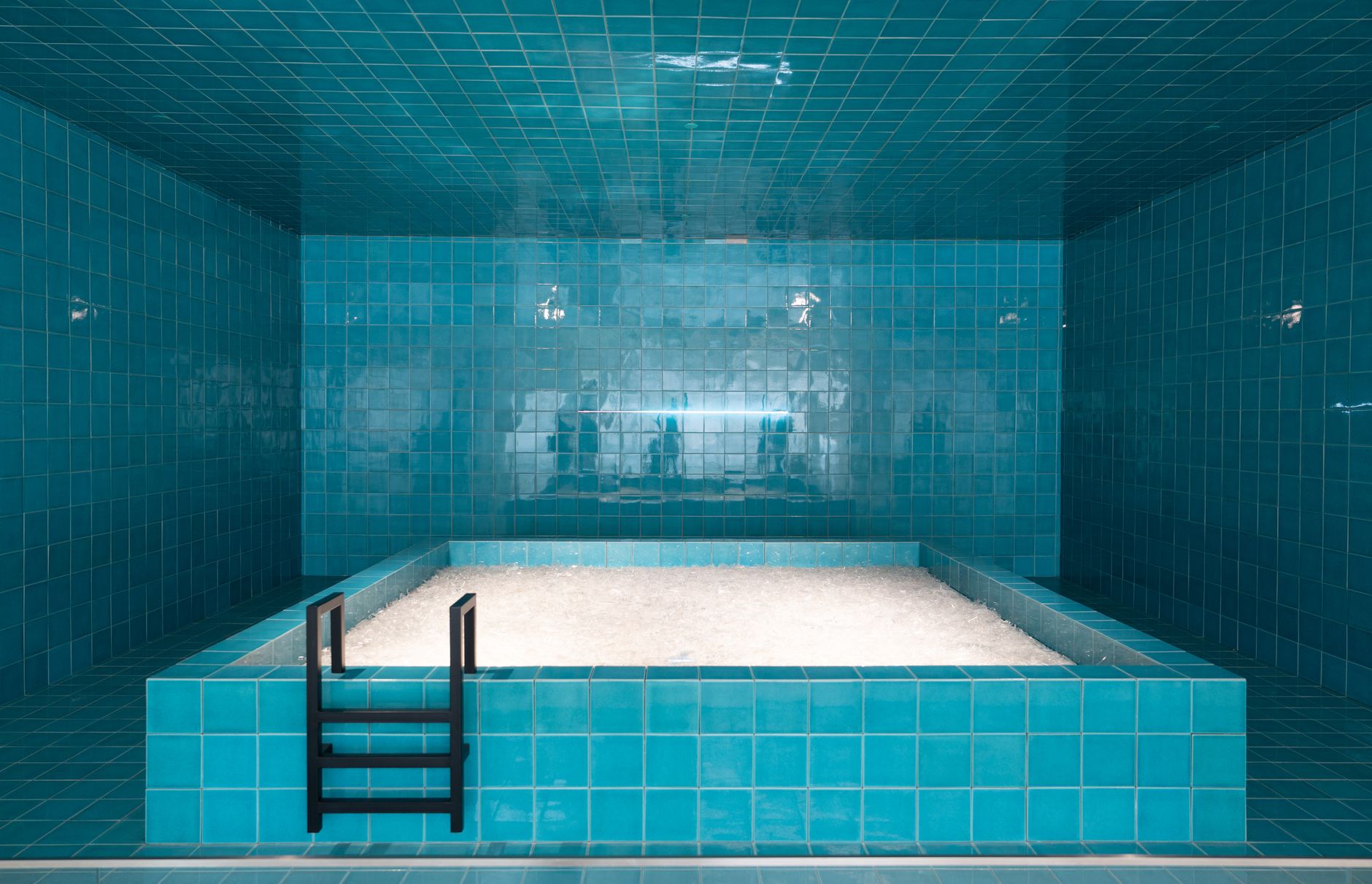
On paper? A hotel-spa launch. In tone, it’s an argument about what a spa is for in 2026. The official language leans on ritual and reconnection, and the practical details do the same kind of work: three warm magnesium mineral pools, two cold plunge baths, four private treatment rooms, one couples suite, and an 18-plus rule that signals hush rather than family-hotel energy. Nothing here reads accidental.
By the third paragraph of any wellness opening I start bracing for the old vocabulary: indulgence, escape, self-care as reward for overwork. But the cultural read on this launch lands differently. What HN Magazine described as the status symbol of wellbeing is now showing up in hotel design as a whole atmosphere. The spa isn’t the quiet room off to the side anymore. It’s the mood board for the trip.
LATTE Luxury News’s launch coverage put the insider logic plainly:
“It’s about creating a destination within a destination, where guests can truly switch off and reconnect.”
— Melinda Lampier, LATTE Luxury News
The robe comes before the treatment
What strikes me is how thoroughly the experience has been arranged as a progression rather than a menu. Hotel spa pages used to lead with facials and massages — Èliva leads with the feeling of arriving, moving between temperatures, inhabiting a coastal calm that starts well before anyone touches your face. Savvy read of the moment. People don’t really book a spa for the pedicure. They book the temporary story about themselves.
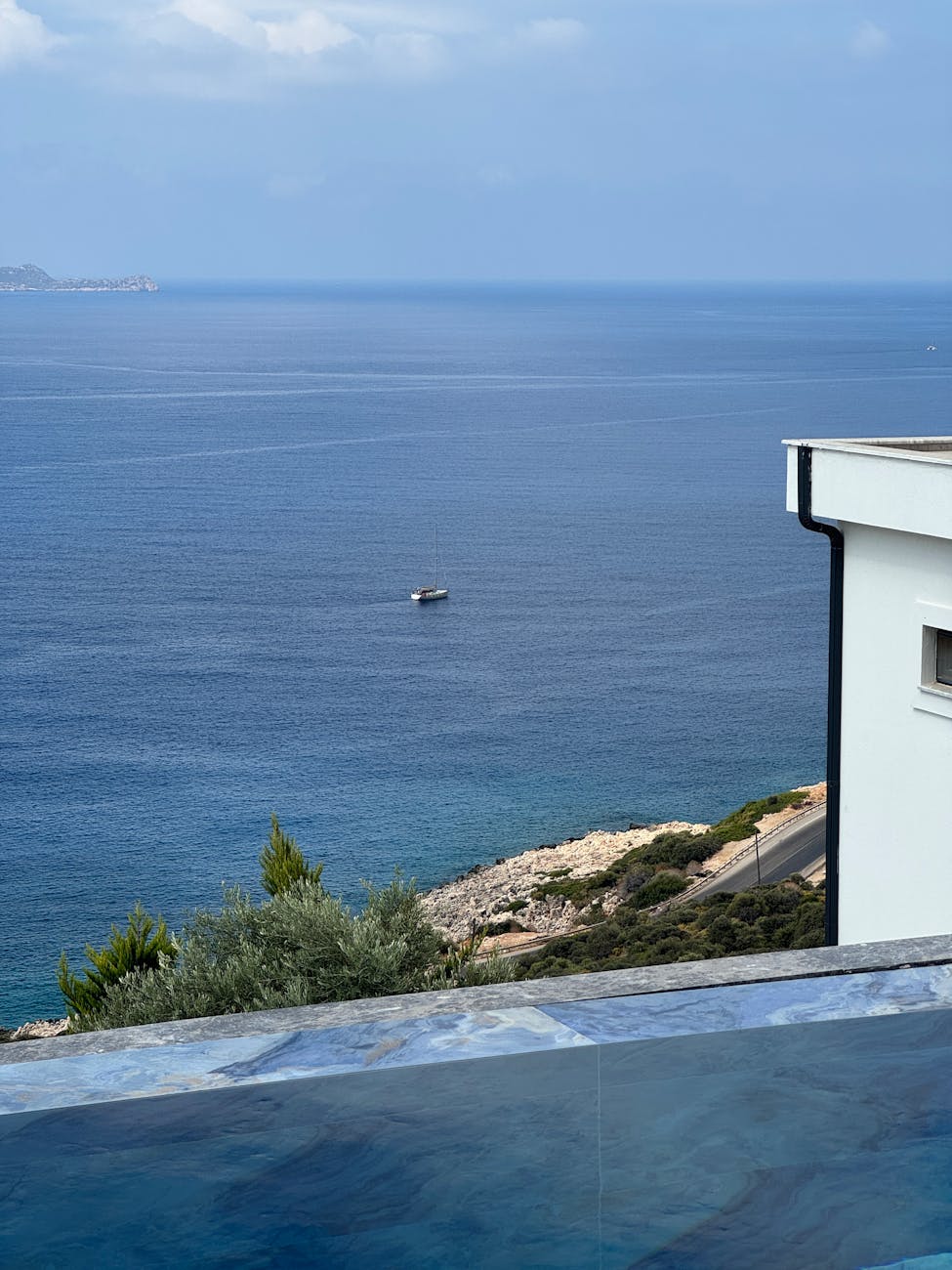
Coogee gives the hotel a ready-made palette. Salt, sandstone, pale light, the little shock that comes off the Pacific even when Sydney is trying to convince you winter hasn’t arrived yet. The beach does half the emotional work before the treatment-room door closes.
I keep thinking about this as hospitality learning from theatre. Room design, pacing, the robe, the hush, the order of warm and cold — all of it turns a service into a private ceremony. Even the adults-only policy matters. It tells guests the spa isn’t a splashy amenity bolted onto a family stay. It’s a sealed little world with its own tempo. In a market crowded with hotel upgrades, that kind of staging makes a place feel worth crossing town for.
Recovery has become hospitality’s new language
This isn’t only a Coogee story. It’s a hotel-industry story, a consumer story, and — if we’re honest — a small status story too. In Hotel Designs’ conversation with spa consultant Tracey Lee, the future of wellness is framed around design, belonging and longer emotional after-effects, not a single service. HN Magazine pushes the point further — reading travel itself as a marker of wellbeing. Where those two lines meet, you get the modern beach hotel spa: a place where recovery is meant to look intentional, visible, almost legible from across the lobby.

Australians have become fluent in this kind of coded leisure. We know how to read a magnesium pool. A plunge circuit. A robe with proper weight to it. These aren’t just amenities — they signal that rest has been organised, maybe even earned. In a culture that likes its pleasures to come with a faint undertone of usefulness, wellness has become an elegant compromise. You get to soften, but you’re still allowed to call it a practice.
The broader hotel context matters here. As Gourmet Traveller reported this week, the incoming Laval Hunter Valley resort is pitching a longevity-focused spa as part of its luxury proposition too. Guardian Travel recently profiled a Montenegro hotel designed around fitness and wellbeing rather than old-school languor. Different countries, different price points, same broad move: hospitality has worked out that people want care to feel structured.
Coogee is especially suited to that mood because beach culture already blurs pleasure and virtue. A swim can be leisure — or it can be discipline. A long walk along the headland can be beautiful — or it can be your evidence that you are looking after yourself. Place a polished spa inside that grammar and the pitch becomes easy. You aren’t checking into decadence. You’re checking into an improved version of your own routine.
The plunge has its own mythology
This is where the sceptic in me starts doing useful work. Cold plunges and recovery circuits now come wrapped in an aura of seriousness. They suggest discipline, inflammation control, a clearer brain, a cleaner life. But there is a systematic review and meta-analysis in PLOS One — and it’s a reminder that cold-water immersion belongs to an evolving evidence base, not a settled miracle. There is research. There is also marketing. The two don’t travel at the same speed.
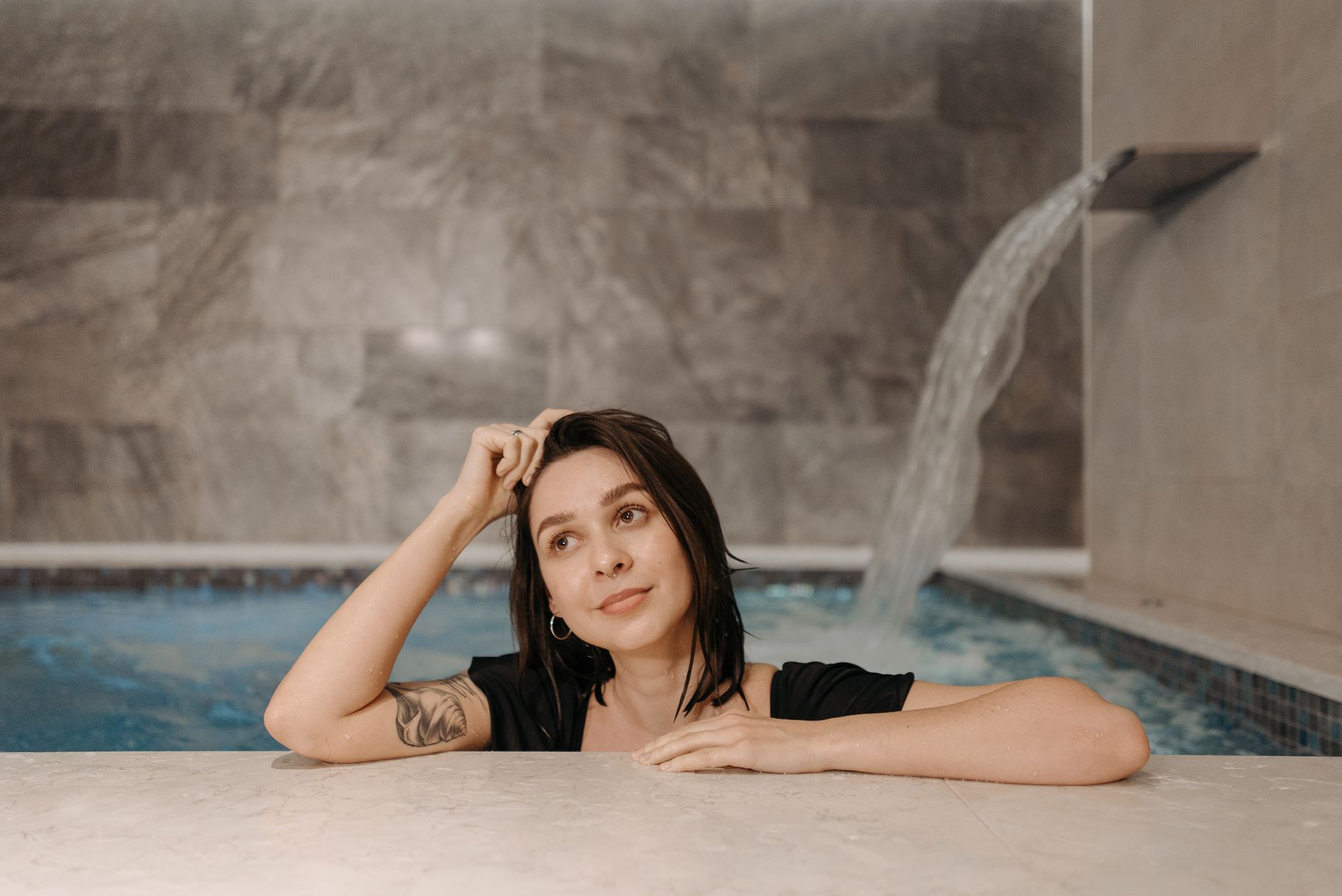
The sensible reading isn’t that these rituals are fake. It’s that they’re context-dependent, personal, and easy to oversell. Some people genuinely find alternating hot and cold restorative — clarifying, even mood-lifting. A hotel, meanwhile, has every incentive to present that feeling as universally available after a booking and a robe. The promise is tidy. Bodies are not.
Nobody needs a clinical alibi for pleasure. I think that’s where a lot of modern wellness copy gets itself tangled. A soak can be lovely because it’s warm. Quiet can matter because it’s rare. The body doesn’t become unserious the moment it enjoys itself. Hotels, though, know that enjoyment alone can sound indulgent, so they lace every lovely thing with the vocabulary of recovery.
As a GP who now writes for a living, I’m always wary when recovery language starts doing the job of medicine. The calmer, more honest version of the story is persuasive enough on its own: warm water can settle a body that’s been braced all week; a cold plunge can jolt you into the present; a quiet room can feel medicinal without claiming to cure anything. The trouble begins when hospitality borrows the certainty of healthcare while keeping the softness of lifestyle copy.
Èliva’s pitch works best when it stays aesthetic and experiential. Say the pools are beautiful. Say the sequence helps some guests switch off. Say the adults-only rule creates hush. All of that rings true. Start hinting at transformation on demand, and the language gets thinner than the robe.
What people are really checking into
What I think Australians are buying in spaces like this isn’t pampering in the old sense. It’s permission to appear deliberate about rest. The Vogue essay on the Umbrian hotel Reschio’s lifestyle expansion made a similar point from another angle: beautiful hotels increasingly want their feeling to travel home with you. The product isn’t the room alone. It’s the possibility of becoming the sort of person who knows how to arrange a life around texture, time and recovery.
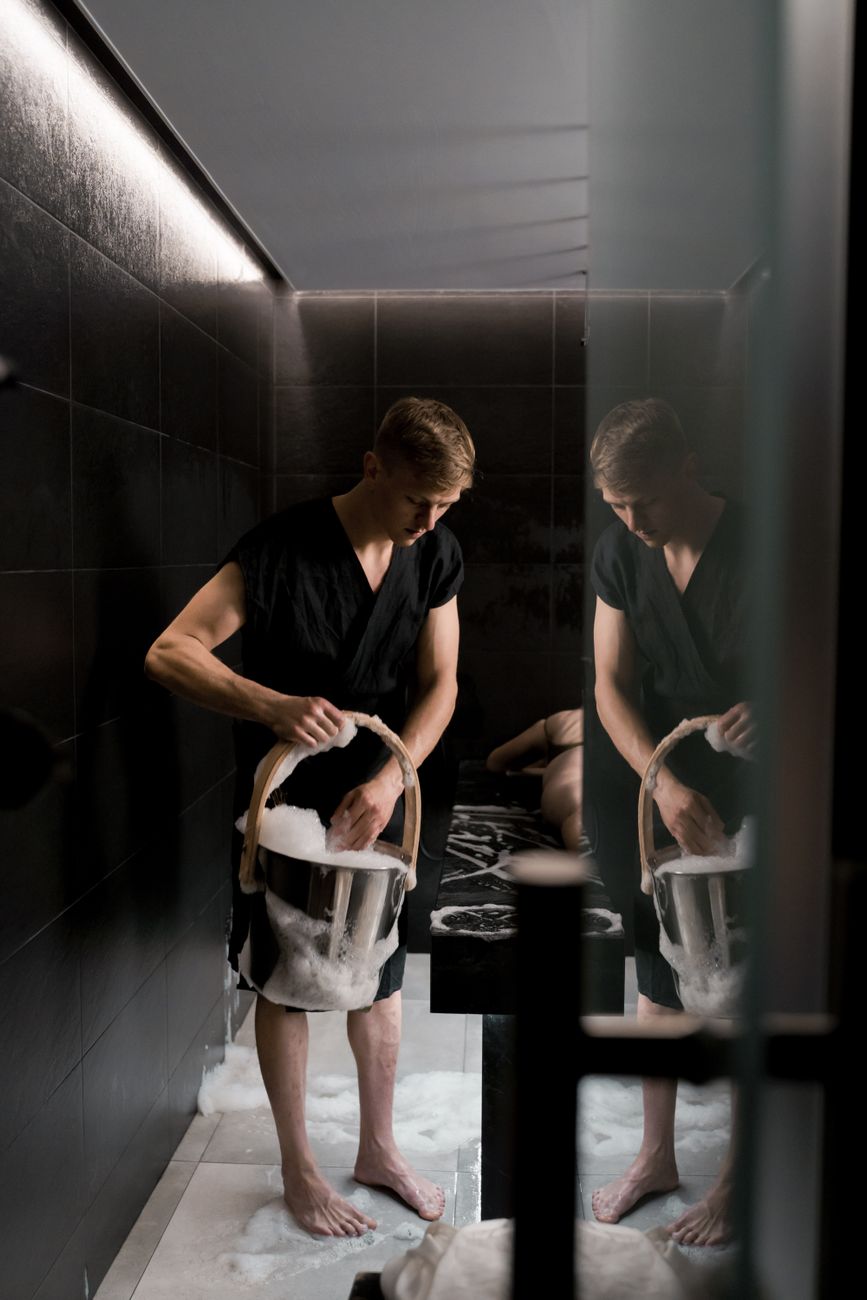
In Sydney, and especially along the eastern beaches, that aspiration lands cleanly. Coogee already carries its own mythology of competence: ocean swims before work, clean-lined apartments, an orderly kind of looseness, the sense that your life might be chaotic but at least your tote bag contains electrolytes. Put a polished spa inside a beachfront hotel and you aren’t inventing a fantasy from scratch. You’re refining one people already understand.
That’s why the launch reads as a cultural signal, not just a property update. Èliva’s own page speaks in the idiom of ritual and reconnection, but the broader message is about self-management. Be restored, yes. Be wrapped in the right kind of calm. Mostly, be the person who’s built enough margin into life to disappear for two hours and call it recovery.
I might be wrong about this, but the old spa script has plainly lost some of its charge. Pure pampering can sound frivolous in an era obsessed with optimisation, and pure optimisation is too joyless to sell on a beach. Èliva lands in the narrow strip between those urges — offering softness with a schedule and a coastal calm arranged carefully enough to feel like character. Whether guests leave transformed is beside the point. For now, the real achievement is making restoration look like a whole social mood.

The Lifestyle Desires brief
Style, food, travel and wellbeing — weekly in your inbox.
Subscribe