Perth's new social ritual begins in the steam
Perth's sauna-and-ice-bath boom looks less like a wellness fad than a public ritual, with community doing as much work as the cold.
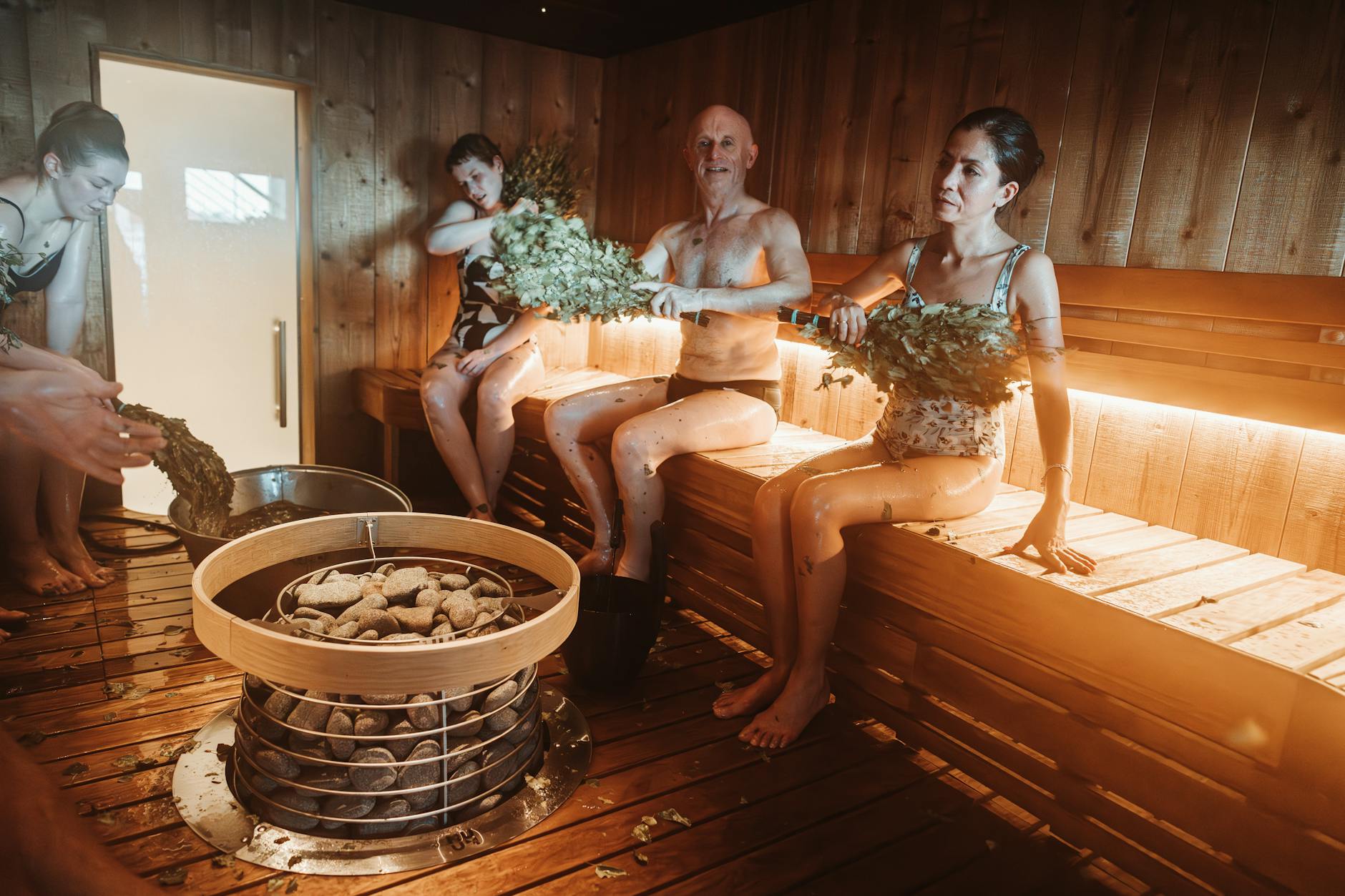
What I keep circling back to about Perth wellness culture is the theatre of it. Steam on glass. Wet concrete. A row of strangers working up the nerve to lower themselves into water cold enough to shut down small talk. The West Australian’s reporting on Perth’s sauna-and-ice-bath surge catches the whole thing mid-scene, and it reads less like a gym session than a new social hour — recovery folded in, public life creeping back through the side door of self-care.
Fads come and go. A serum. A supplement. A gadget that promises to sort out the modern nervous system. This feels different. One regular, Paul Gumina, told the paper he had racked up 799 visits — not the language of a passing curiosity. He put the social case more plainly than any wellness brand would: “There’s something special about slowing down together — you end up meeting people from all walks of life in a really genuine way.” Strip away the cold-plunge bravado and that is the real offer.
Company.
Once a wellbeing habit becomes a place people return to, the cultural story shifts. It stops looking like a dare and starts looking like routine.
I might be wrong about this, but the boom tracks better when you read it as a script. Perth’s sauna rooms give people a repeatable, visible ritual. You book in. You sweat. You brace. You laugh at yourself a bit. Then you do it again next week. Alchemy Saunas, according to head of marketing Ebony Lane, is now seeing “tens of thousands of bookings per month”. The operator already runs nine Perth locations and has four more slated for next year.
Businesses don’t expand at that pace on curiosity alone. They expand when a habit slips into ordinary scheduling — when friends know the booking link and people talk about a sweat-and-plunge session the way they once talked about brunch.
For years the most saleable version of health was private and dutiful. It lived in solitary runs, supplement organisers, meditation apps used alone in bed, the faintly moral language of being “good” during the week. The sauna-and-plunge scene offers another model. Still disciplined, but social discipline. You show up in front of other people. You endure something mild but memorable. You leave with the soft badge of having done a hard thing, without the loneliness that clings to more individual forms of self-improvement.
The local Perth story lines up with the wider Australian one. A news.com.au look at the rise of ice baths framed the practice as a national trend rather than a subcultural quirk, and that feels right. Contrast therapy has moved out of elite sport and podcast masculinity and into the mainstream language of feeling better, sleeping better, coping better, belonging better. The draw isn’t only the promise that your muscles will thank you. It’s the chance to attach self-care to a schedule, a venue and a set of familiar faces — to make wellness less lonely.
Places like these resolve two modern complaints at once. They promise relief for bodies that feel over-screened and overcaffeinated. But they also solve the social awkwardness of trying to build connection as an adult. Nobody has to invent conversation from scratch when the room has already organised the experience. Heat does some of the softening. Shared mild suffering does the rest.
None of that means the science has suddenly become more dramatic than it is. One of the more reassuring things about the Perth reporting is that it occasionally cuts through the theatre. The case for sauna use is more grounded than the internet version tends to admit. The piece cites evidence that two to four sauna sessions a week can be linked to meaningful health benefits. Substantial enough to matter. Ordinary enough to disappoint anyone hoping for a miracle.
Cold immersion is a different story, or at least a more modest one.
UNSW’s warning about the ice-bath boom is useful because it refuses the mystical tone that often creeps into this conversation. There are health risks. The evidence base is still mixed for some of the claims floating around online. In the Perth reporting, Curtin University exercise science expert Dale Chapman makes the sensible point that “for general health, the cardiovascular and mood-related effects appear more relevant, and these don’t require the extreme cold temperatures often promoted online.” Print that sentence on the wall of every plunge room in the country.
Extremes look better on video, of course. A boringly sensible recovery routine rarely travels online. Someone gasping through a plunge, then announcing a new life, does. The trouble is that a visual culture built on spectacle can make moderation look like a lack of commitment, when moderation is usually the part most likely to keep a wellbeing habit safe enough to repeat.
The macho version is the least convincing one. Two to five minutes of cold immersion is enough for non-athletes. Nobody needs to emerge reborn. Nobody needs to shake on camera. Nobody needs a redemption arc narrated over a stainless-steel tub. If there is something worth protecting in the sauna boom, it’s the part that brings people together without asking them to perform a myth of invincibility.
The Conversation’s essay on ancient instincts and modern wellness culture becomes more than a clever bit of context here. It argues that our obsession with wellness isn’t just about health outcomes but about older human drives: ritual, signalling, belonging, the search for control in uncertain times. That lands. A plunge pool is a bodily experience, yes, but it is also a social object. It tells a small story about the person using it.
Disciplined. Game. Up for discomfort. Serious about looking after themselves, or at least serious about being seen to try.
There is something quite Australian in the way the trend is being absorbed into ordinary life, even if the aesthetic is imported from Scandinavian calm and podcast-era recovery culture. We are good at turning health behaviours into social routines when they can be attached to place. Beach walks. Bush tracks. Saturday sport. The local sauna boom slots neatly into that tradition because it offers a venue, a sequence and a reason to gather that doesn’t have to revolve around drinking.
Still, I’d be cautious about pretending the whole thing is pure community medicine.
Wellness culture is still a market, and markets are very good at making social needs look like personal purchases. A sauna booking can offer relief. It can also sell a mood, a tribe and a cleaner-looking version of the self. Wanting those things isn’t wicked. But they aren’t neutral either. The rhetoric around contrast therapy tends to blur together mood support, health aspiration, aesthetics and status. That’s partly why the trend has travelled so fast. People aren’t only buying heat and cold. They’re buying coherence — something to do with the body that also organises the week and says a little something about who they are trying to become.
The most convincing detail in the Perth story is still Gumina’s line about meeting people from all walks of life. That sounds truer than most wellness copy ever does. When a trend survives beyond its first flush of novelty, it’s usually because it solves a problem more basic than the one it advertises. Maybe the advertised problem here is inflammation or recovery or stress. The more basic one might be that plenty of adults are lonely, tired, overstimulated and slightly embarrassed about all three.
So no, I don’t think Perth’s sauna-and-ice-bath boom is really a story about people discovering that cold water exists. It’s a story about what happens when wellness becomes public, scheduled and social. The science, from the careful local voices to UNSW’s more guarded take, supports a measured version of the practice rather than the online theatre of extremes. The culture is what has moved faster. People want rituals that make them feel steadier, but they also want to do those rituals in view of other people who are trying, fumbling, sweating and bracing too. That’s not nothing. It may even be the whole point.

The Lifestyle Desires brief
Style, food, travel and wellbeing — weekly in your inbox.
Subscribe