What a wellness retreat really sells
Australia's wellness retreats are selling different scripts for exhaustion in 2026, from soft luxury to permission to disappear for a weekend.
The fantasy arrives before the booking does.
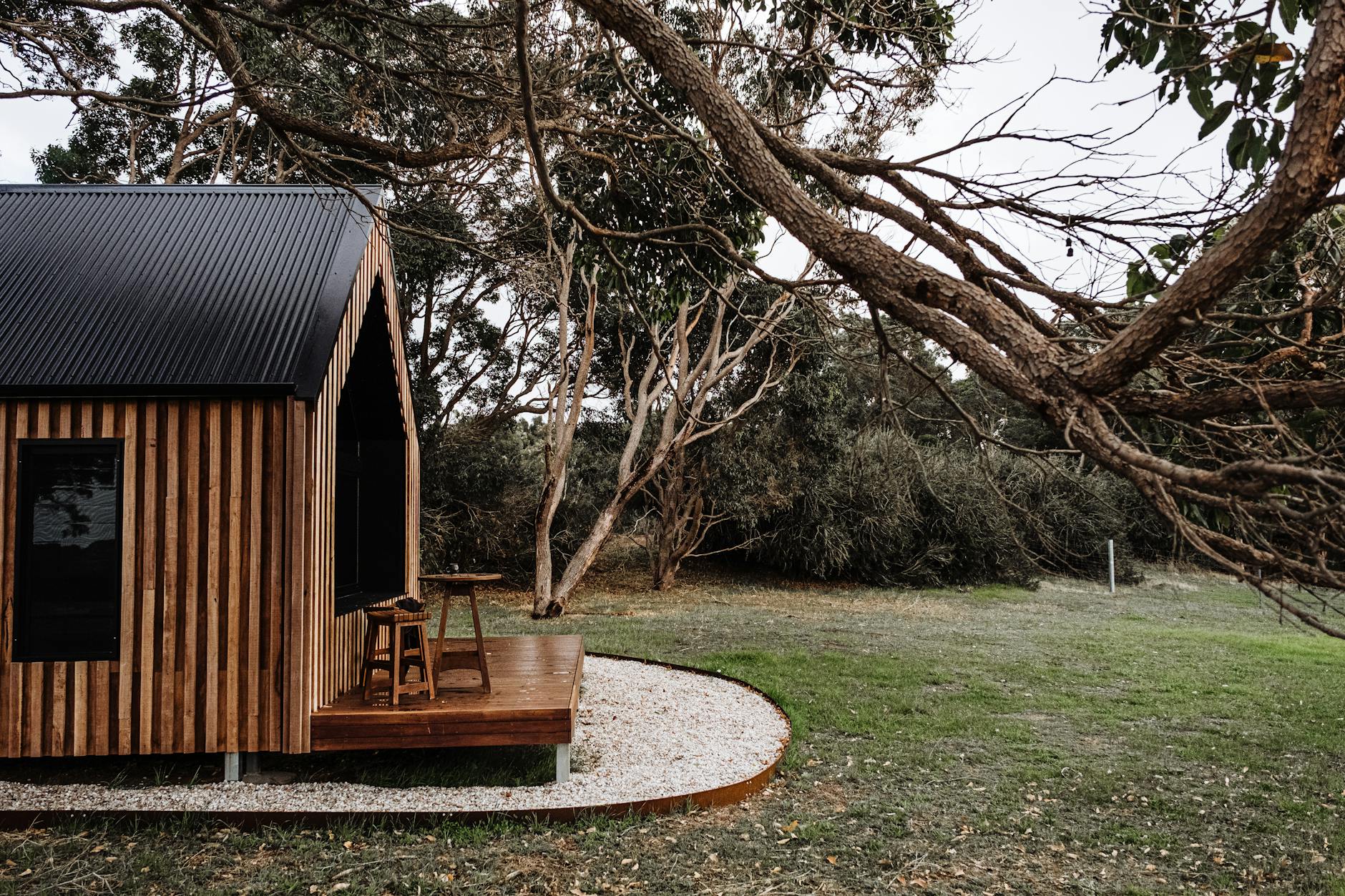
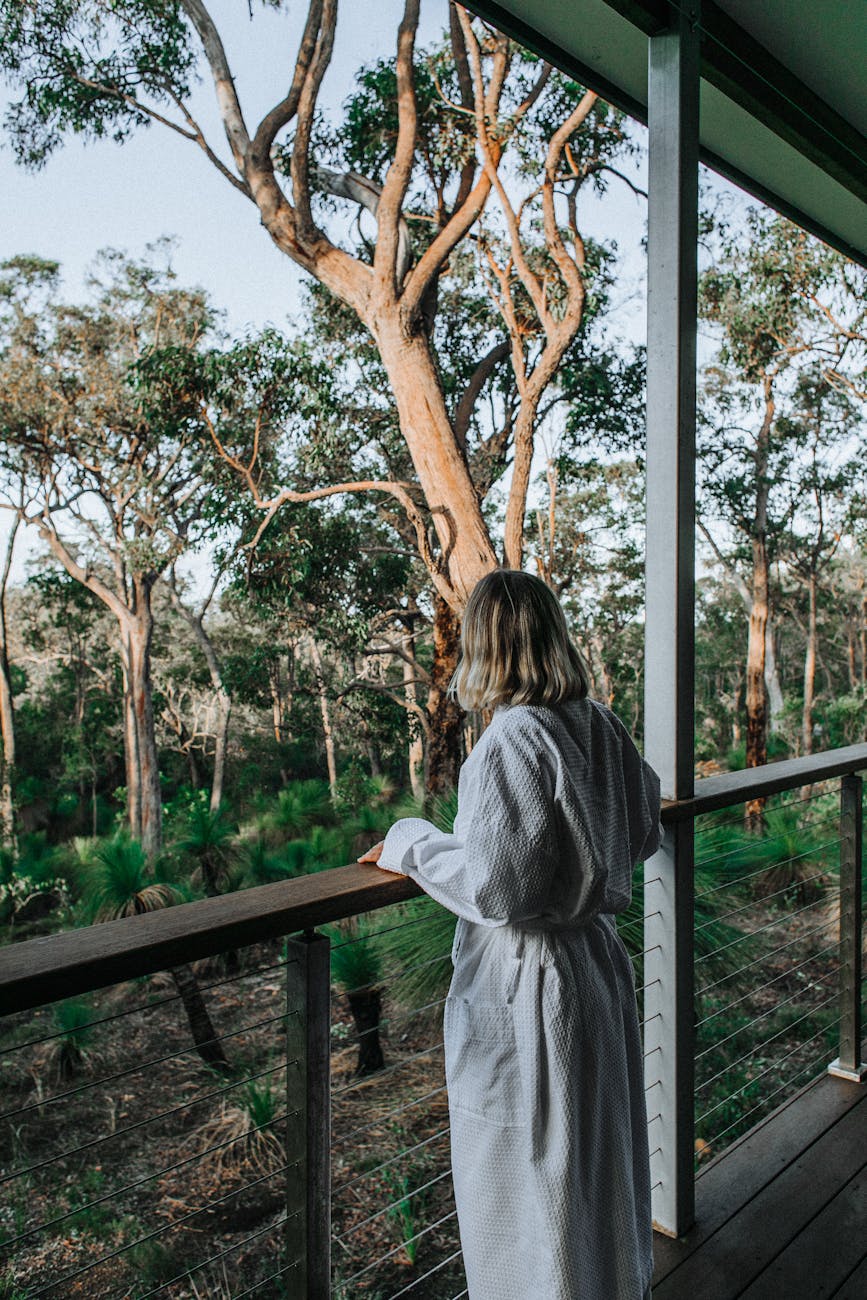
It is the sound of gravel outside a cabin, the odd weight of a phone switched off in a linen robe pocket, the small private thrill of knowing nobody is meant to need anything from you for the next two days. When I look at the Australian wellness-retreat boom in 2026, that is the image I keep circling. Not green juice. Not moral purity. Not the promise of becoming a shinier woman by Monday. Just a short, expensive period of being unreachable.
That’s worth pausing on, because the retreat category has become unusually easy to read. A quick pass across Urban List’s 2026 guide to Australian health retreats, the cheeky horoscope framing at Well Traveller, and the huge category pages at BookRetreats shows the same thing from different corners of the market. Retreats are no longer being sold as one generic spa weekend. They are being sorted into emotional scripts. Sleep. Silence. Burnout recovery. Soft luxury. A digital detox, if you still tolerate that phrase. A reset, if you prefer the newer language. Sometimes, more honestly, they are selling permission to stop performing wellness so aggressively and let somebody else organise your breathing, breakfast and bedtime.
The price ladder tells the story even more plainly. On one end, the Billabong Retreat review in The Age Traveller puts a shared-bath stay at roughly A$300 a night, which is still plenty of money but remains legible as a reachable splurge. In the polished middle, a three-night package at Gwinganna, via SMH Traveller, starts around A$1,985. A three-night package at Eden Health Retreat, profiled by SMH Traveller, starts from about A$2,750. Then there is the more emotionally specific and more expensive end, including The Burntout Mumma Retreat, where a five-day package runs to A$7,600 or more. Even BookRetreats, which is broad and imperfect but useful as a market map, shows Australian listings stretching past A$4,649 at the upper end. That is not one product. It is a stack of different appeals, each aimed at a different version of exhaustion and a different household budget.
Look at it another way: the retreat market now behaves less like a hotel category and more like a menu of acceptable excuses for leaving ordinary life for a minute. One property sells the romance of simplicity. A different one runs on the language of science. Another promises feminine collapse with nicer linen. A fourth translates recovery into leadership language so the invoice can pass the internal voice in your head that still thinks rest must be justified like a business expense. The differences matter because they reveal how precisely operators understand the customer’s shame, ambition, exhaustion and self-story.
And still, most of these places are not really selling bodily perfection.
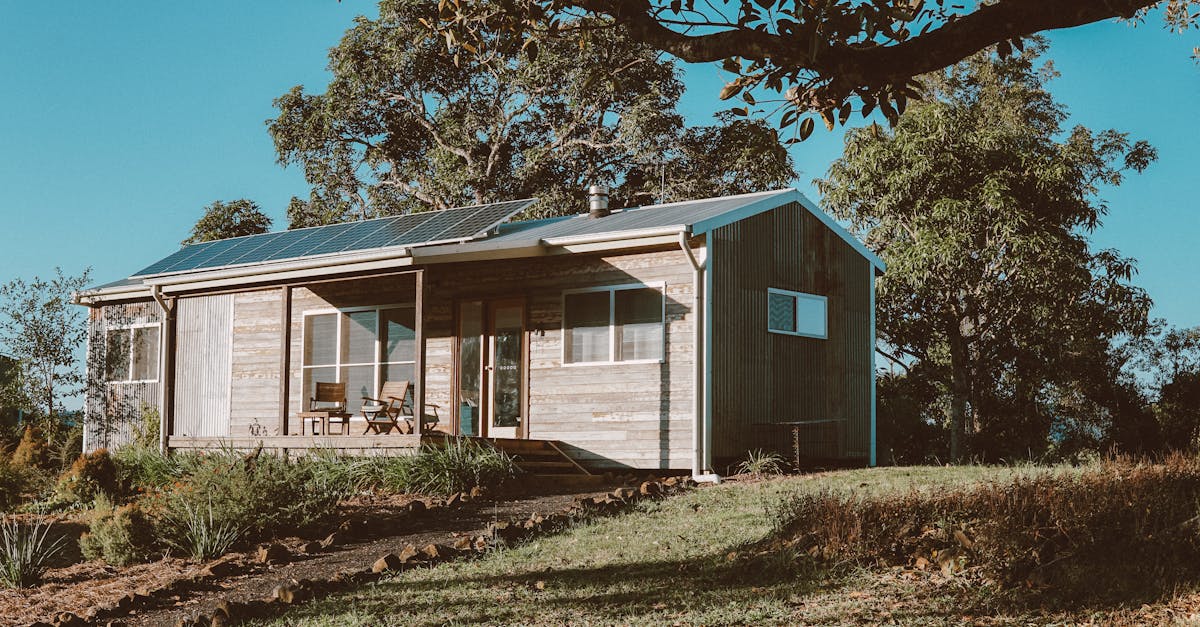
The quieter end of the market often feels more candid than the gleaming one. Billabong Retreat has appeal precisely because it does not sound like a laboratory or a luxury department store. Bushland. Simplicity. A little roughness around the edges. I am less convinced by the fantasy that any of us will leave a retreat transformed than I am by the smaller promise tucked inside that setup: fewer decisions. Somebody else cooks. Somebody else sets the class time. You are not deciding what to watch, what to answer, what to scrub, what to buy for dinner, whether you have once again failed to become the person who meal-preps properly on Sunday. For a tired city brain, that kind of administrative surrender can feel almost indecently glamorous.
The more premium operators use a different vocabulary for the same ache. At Gwinganna, Katlyn Martin explains the thinking behind its longevity programme like this: “We wanted to enhance our retreat program and incorporate some of the exciting scientific developments in the field of longevity and healthy ageing.” You can hear the category adjusting itself in that sentence. Rest is still the product, but now it arrives with the polish of research, the reassurance of healthy-ageing language, the implication that switching off might be more defensible if it can be framed as something adjacent to evidence. I understand the appeal. Plenty of people feel guilty spending money on rest unless rest can disguise itself as responsibility.
Eden Retreat’s executive retreat offer, reported by Karryon, pushes the logic into even sharper focus. Ash Martin, Eden’s general manager, says the package “allows teams to work deeply, recover properly and return to work genuinely reset.” There is something almost beautifully unsentimental about that line. Some retreats are not promising escape from work at all. They are promising a cleaner, calmer re-entry into it. The guest is not invited to become a mystic. The guest is invited to become marginally less wrecked at the next strategy day. Slightly bleak, perhaps. Also very contemporary.
Then you get the softer luxury pitch. On the Gaia Retreat & Spa site, off-peak stays are sold with the line: “More tranquillity, more time, more you – without the peak price!” Leave aside the exclamation mark and it is a fairly precise expression of what a lot of wellness travel now understands. Guests do not necessarily want to be corrected. They want to be handled gently. A bed with good sheets and nobody’s phone ringing. A warm pool. Less noise. The idea that comfort might count as a legitimate intervention after months of speed and low-grade vigilance.
The editorial packaging is revealing here, not just decorative. Well Traveller’s star-sign retreat guide is playful, but it also captures the way the market now behaves. The consumer is not simply being asked to choose a property. She is being asked to identify her style of depletion. Are you over-scheduled and faintly cynical, wanting bushland and silence? Are you after structure, softness, maybe a little benevolent supervision? Are you the kind of traveller who can only justify switching off if the brochure speaks fluent executive? Even Urban List’s roundup works this way, sorting the field into recognisable moods rather than offering one flat fantasy of wellness. The modern retreat is part getaway, part personality test.
None of that erases the class question. If anything, it sharpens it. A$1,985 for three nights is already serious money for most households. A$2,750 asks even more. A$7,600 turns rest into an object that looks suspiciously like status, even when the marketing insists otherwise. I do not mean that as a cheap gotcha. It is simply what the numbers say. When people book these stays, they are not only purchasing massage or meditation or a better breakfast buffet. They are buying outsourced care: meals, quiet, timetable, landscape, transport between activities, the absence of domestic admin, the brief relief of not being the designated organiser for everybody else. Seen that way, the whole enterprise can look less frivolous than brutally practical. It is a temporary transfer of labour.
That might be why a wellness retreat can look more rational to buyers than an ordinary holiday, even when the spend is eye-watering. Leisure on its own still carries a whiff of indulgence for plenty of Australians, especially women who are used to being useful first and rested second. Wrap the same absence in the language of recovery, nervous-system care, healthy ageing or burnout prevention, and the trip starts to sound medicinal enough to permit. Not clinical, exactly. Legitimate. The retreat becomes a form of permission architecture.
I suspect that’s also why the old punitive wellness language feels less fashionable than it once did. The category still nods to “detox”, and I doubt that word will disappear entirely. But the more persuasive Australian retreat copy now tends to promise relief rather than reform. Healthy ageing. Reset. Tranquillity. Time. Space. Even where the offer is expensive, it is rarely framed as a moral lecture. It is framed as mercy.
So what Australians are really buying, I think, is not virtue and not even transformation. It is a controlled experiment in absence. A few days in which somebody else carries the clipboard, lights the fire pit, decides the mealtime, runs the yoga mat straight, pours the tea, and leaves you alone long enough to remember what your own mind sounds like when it is not fielding requests. Some guests will want the scientific gloss of Gwinganna. Others will reach for the prettier softness of Gaia. A third group will trust the rougher honesty of Billabong Retreat. Beneath those choices, though, the deeper sale is simpler than the brochures let on: the chance to go quiet without having to earn it first.

The Lifestyle Desires brief
Style, food, travel and wellbeing — weekly in your inbox.
Subscribe