When a beautiful hotel follows you home
Reschio Collections turns the mood of an Umbrian stay into linen, leather and ritual, part of a wider luxury push to sell not just rooms but a whole private world.
The hotels that really get under your skin leave you wanting something faintly embarrassing. Not another night, exactly. A way to keep the place humming once you’re back to emails and laundry. Maybe it’s a lamp. Maybe it’s a sheet set. More often it’s the cadence of the morning, that softened feeling that ordinary Tuesday might be made to behave a little better.
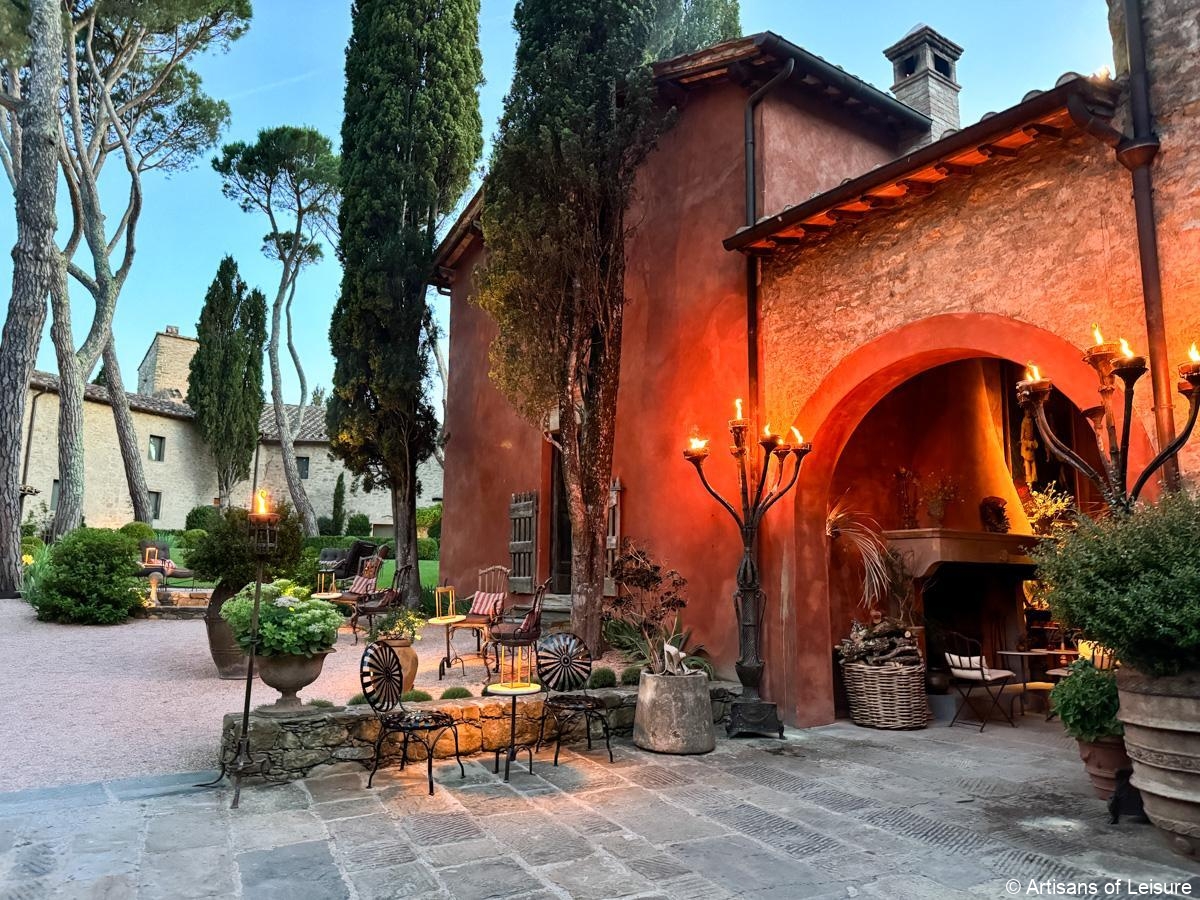
That is the feeling Reschio is now trying to sell more plainly. At the Umbrian estate whose 1,000-year-old castle hotel opened in 2021, the family’s 3,700-acre world of linens, leather goods and household rituals now extends past checkout, with the launch of Reschio Collections.
Which is why this reads as more than merch. Guests hear permission to keep the mood going. People who watch luxury travel see a bigger industry turn, hotels and fashion houses building retail worlds around place. And the sceptics hear the obvious risk: once lifestyle-brand language gets too smooth, it starts to sound like a room spray.
The part you want to keep
In Vogue’s launch story, guests had apparently been asking to buy pieces of Reschio for years. Giorgiana, the daughter leading the line, described the collection less as a flash of inspiration than as something the estate had already been doing, only now with firmer edges.
“What has changed is that it has now taken on a more defined and structured form.”
— Giorgiana, quoted in Vogue
That rings true to me. A great hotel doesn’t finish when you hand over the key. It hangs around in smaller, stranger ways: the weight of a towel, the discipline of a breakfast table, the way an old building can make your thoughts go quieter. When a place gets that far inside your head, buying from it doesn’t feel especially crass. It feels a bit inevitable.
Reschio’s own copy leans into the afterglow. In a note about the collection, the brand says these are objects guests can live with away from the estate.
“Now, they are available to live with, wherever you are.”
— Reschio Collections
The logic on the guest side is easy enough to understand. Most people aren’t trying to rebuild an entire holiday at home. They want one convincing shard of it. A pair of Handcrafted Orange Friulane. A Tote Bag Made in Italy. Or maybe just the permission those things seem to carry, which is to let the trip keep flickering through ordinary life.
Not a souvenir rack
What makes this more interesting than the average luxury gift shop is the restraint. The launch covers only five products, Vogue reported, and the case for them rests on use, not branding theatre. That sounds fussy until you remember how many so-called lifestyle brands collapse the minute you ask what, exactly, the object is for.

The family says it has been restoring, designing and imagining life at Reschio since 1994. That history matters. It suggests these things were sold after years of being handled, washed, worn and lived with, not brainstormed in a strategy off-site. A Linen King/Double Bed Sheet Set is intimate to the point of being slightly dull, which is exactly why it scans as believable. So does a Handcrafted Leather Waist Bag, which sounds built to be used, scuffed, then forgotten about for a while.
Count Benedikt Bolza still presides over the estate as owner and architect, and that helps explain the coherence. Reschio has always sold a very specific private world: old stone, measured quiet, cultivated looseness. The collection only works if it behaves like an extension of that world rather than a glossy interruption. Need first. Merch second. Thin distinction, but it is the whole argument.
When the gift shop grows up
The analyst’s case is harder to wave away. Reschio isn’t arriving in a vacuum. The hotel gift shop has grown up into its own category: less logo residue by reception, more fully lit universe with its own photography, tone and purchase logic. In 2026, luxury travel keeps drifting towards the idea that a stay should be immersive enough to become a domestic aesthetic.

You can spot the same instinct elsewhere. Homes to Love reported that Capella Sydney is hosting a Liaigre exhibition that turns hotel-adjacent space into a design showroom. A recent Vogue dispatch from Porto Cervo treated Mytheresa and Dolce & Gabbana’s resort event through the place itself, its architecture, light and social theatre. The object isn’t really the object anymore. It’s the doorway into a scene.
From a distance, that says something slightly awkward about travel. It is one of the last arenas where people still consent to total aesthetic persuasion. You might roll your eyes at a fashion label telling you how to live on a Tuesday. After three slow mornings in a good hotel, a better lamp and a room that has rearranged your nervous system, you’re more open to the suggestion. I don’t think that makes the pitch less commercial. It just makes it more honest about how desire works.
Reschio is also landing at the right moment. Branded domesticity is back, only with a lower voice. The gaudy flex feels tired. What sells now is retreat: texture, craft, a protected little world, some buffer against the noise. On that reading, Reschio Collections is less a side hustle than a well-timed extension of the stay.
The spell can still break
Still, the sceptic’s warning matters. We’ve already done a full lap of brands promising taste, moral clarity and a better self through the correct object. The New Yorker recently argued that even the clean-lined millennial version of that promise has thinned out. Once the language gets too polished, or too pious, the mood evaporates.
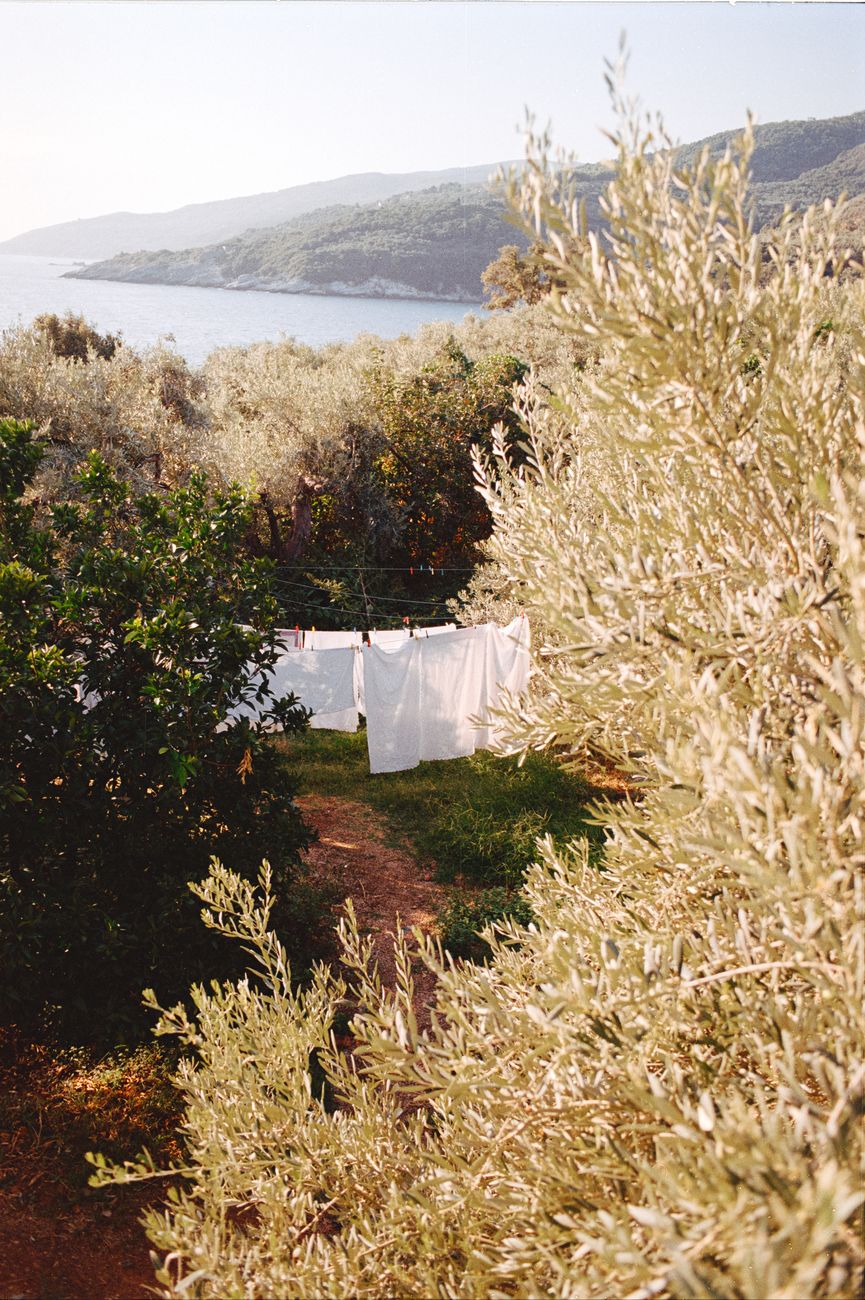
Reschio may dodge that for one plain reason: its best pitch is wear. Nerina, another daughter in the family, made the point in Vogue’s reporting when she described the appeal of seeing things already used and loved.
“There is something about seeing a piece worn and lived in that makes you notice it differently, and makes it more desirable.”
— Nerina, quoted in Vogue
It’s a better sentence than most luxury copy can manage because it understands that desire rarely comes from polish alone. People respond to signs of life. Softened leather. Creased linen. The sense that a room, or a bag, or a pair of shoes has already passed through a daily routine and come out more itself. If Reschio can stay in that register, it has a decent chance.
The clever part of this launch isn’t that it sells a hotel. Plenty of brands do that. It sells the softer fantasy that a place might teach you how to live, and that some small part of the lesson could survive the flight home. I’m wary of that promise, which feels healthy. I understand it too. Anyone who has come back from a beautiful stay and then gone looking for the sheet set already does.

The Lifestyle Desires brief
Style, food, travel and wellbeing — weekly in your inbox.
Subscribe