Rachel Ward found purpose where glamour ran out
Rachel Ward's farm life is a story about labour, ageing and the relief of stepping out of the beauty script for something tougher and truer.
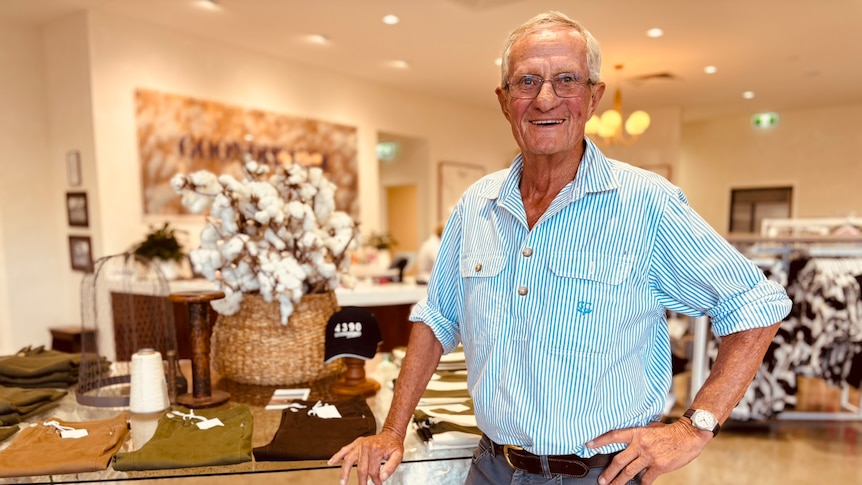
The photograph that ran with ABC News’ profile of Rachel Ward works partly because it is not trying very hard. Blue work shirt. Short grey hair. Grass behind her. Relief, not performance. What caught me almost immediately was how little soft-focus vanity the image allowed. Judge me by the paddock, it seemed to say, not by a ring light.
In lifestyle culture, that still feels close to radical. The fantasy machine says a woman may age, sure, but only beautifully, tidily, with the correct products lined up around her like moral support. Ward’s story has celebrity in the frame. Of course it does: she is Rachel Ward. Even so, the pull comes from somewhere plainer. Work. Weather. The dull, hard authority of having something real to do before lunch.
Still, the beauty script does not let go easily. The Brisbane Times analysis understood the nastier part of the response. People were not really arguing about regenerative farming, or cattle, or regional life. They were reacting to a woman declining to buff herself smooth for public use. That friction, between the farm she actually lives on and the face strangers think they own, gives the story its voltage.
What keeps nagging at me is that Ward’s appeal here is not the syrupy, inspirational kind these pieces so often chase. No reinvention package. No promise that a tree change will make you pure. Instead, she seems to have found something narrower and more convincing: a purpose sturdy enough to survive bad comments, bad weather and the long comedown from glamour.
The paddock answers back
Out on the 350-hectare property in the Nambucca Valley, Ward told ABC she had just moved 80 breeders into a lush paddock. More important is the detail itself. Now her day is organised around feed, pasture, timing and the read of the land. At 68, she has spent three years managing the farm and says the country has been regenerating for six. None of it sounds effortless. Good. That is part of the point.
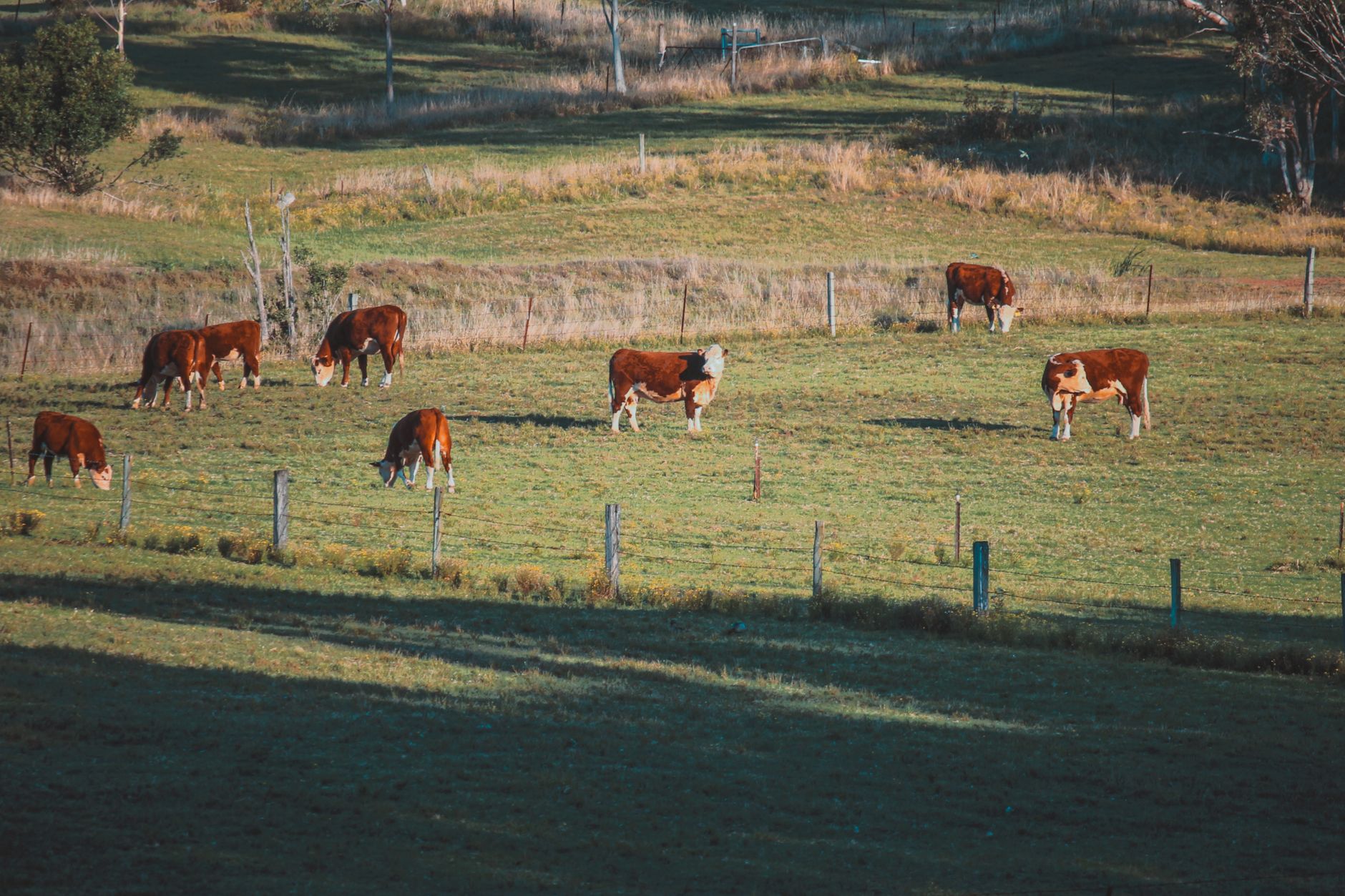
Plenty of copy would call this a second act. I don’t quite buy it. The phrase still sounds theatrical, as if the point were the neatness of the pivot. What the reporting suggests instead is a transfer of attention. Ward is no longer spending her best energy on looking maintained. She is spending it on stock, grass and the slow confidence that comes from learning a place well enough to notice when it is off. For plenty of women, especially older women who have spent decades being looked at before they were listened to, that transfer feels closer to escape.
Ward, in her own telling via ABC News, put it bluntly:
“I’m so past caring about what people think about one’s appearance or age. All I want to hear is, ‘Actually, Rachel’s cows are looking pretty good.’”
— Rachel Ward, ABC News
Funny, because it’s true. It also flips the usual hierarchy. In the glamour economy, the body is the project and everything else decorates it. On a farm, the body becomes an instrument again. Boots get dirty. Your back aches. Usefulness matters or it doesn’t. Romanticising that would be silly. Rural labour is still labour: repetitive, physical, sometimes frighteningly indifferent to how you feel that day. Still, there is dignity in being answerable to something other than appearance.
Somewhere at the edge of the reporting sits Bryan Brown, as he should, because family is part of the architecture of any long marriage and any long-held property. Even so, the centre of gravity here is Ward’s competence. The story is strongest when it stays with that and refuses to turn the farm into a picturesque backdrop for celebrity domesticity. The cows are not props. The land is not a mood board. The work is the story.
After the fire
Put the climate context back in and the labour lands harder. In the ABC Listen interview about regenerative practices and Rachel’s Farm, and again in Gardening Australia Magazine’s account of Ward learning the land, Black Summer sits in the background as the event that stripped away any lingering pastoral fantasy. Fire has a brutal way of clarifying whether you are merely consuming a landscape or trying to care for it.
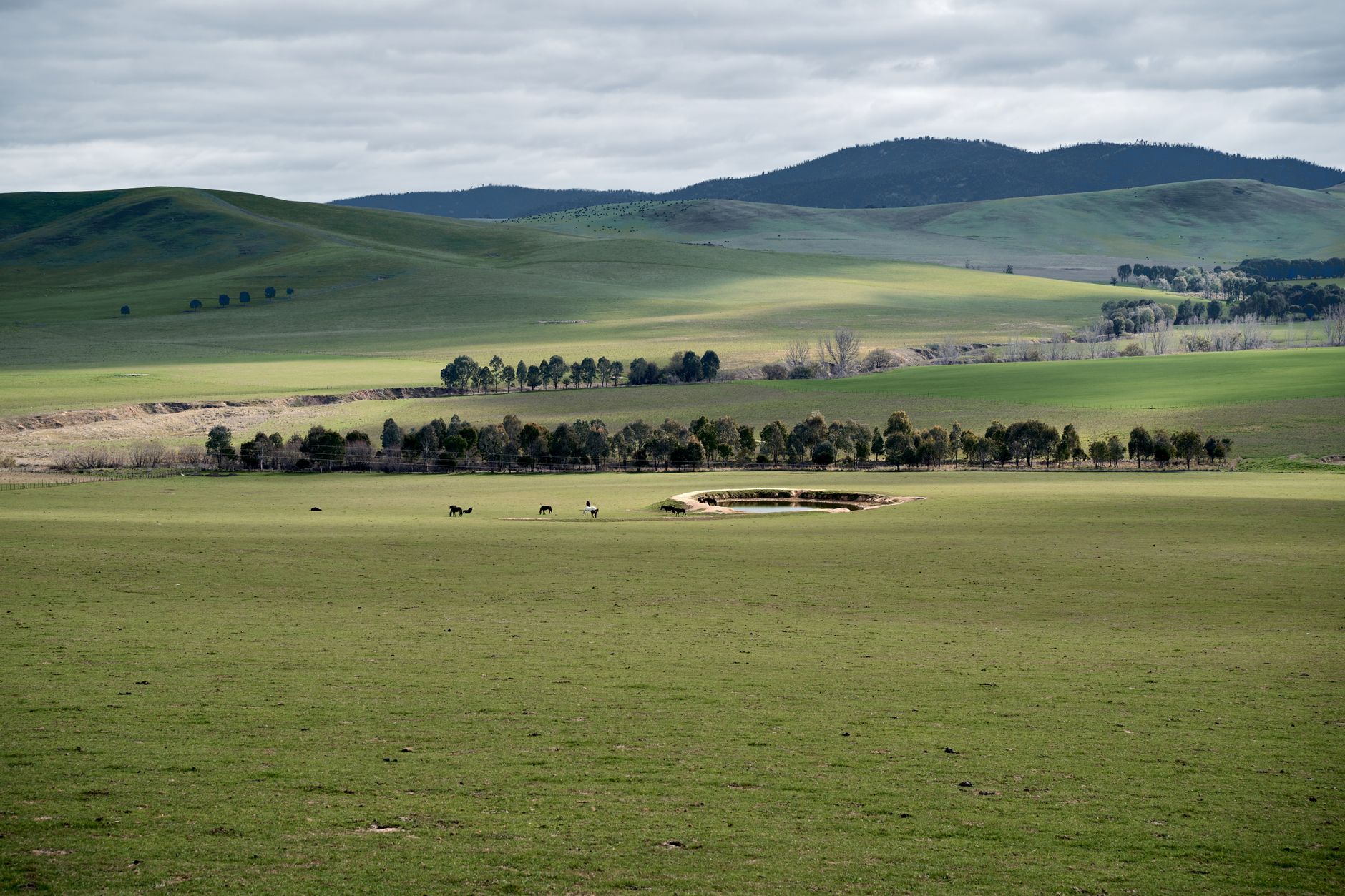
Then the farm stops being a lifestyle accessory and starts reading as moral education. Regenerative farming, in this telling, is not a chic wellness cousin with better boots. It is a response to damage. Soil health, rotational grazing and biodiversity can sound airy in city copy. Once you have watched a place burn and understood your own ignorance inside it, those words turn stubbornly material. The land tells you what your slogans are worth.
Perhaps that is why the story carries beyond celebrity curiosity. Australia has spent years selling regional life as salvation: a cleaner horizon, a nicer kitchen, a more photogenic version of yourself. Ward’s version is sterner. The land does not flatter her. It asks for observation, repetition and humility. It asks her to learn. For readers tired of polished self-optimisation, there is something sane in that. Improvement, here, is not about your skin. It is about whether the paddock is holding.
Home also feels more serious in this frame. It is not where you retreat from the world. It is where you become accountable. That can sound unfashionable. It also explains why the story feels earned. Someone who stays through fire, who keeps attending to the place afterwards, is making a different claim about belonging than someone merely posting the sunset.
The face in the comments
Then again, the other version of Ward keeps tugging at the frame: the woman whose face people think they are entitled to discuss. The Brisbane Times piece is useful because it names the mechanism cleanly. A famous woman is allowed to age only if she seems to have managed it. The moment she looks plainly her age, some part of the public reads that as a failure of duty. Not a neutral fact. A failure.

Inside the whole piece sits the sceptic’s question: are we admiring the farm, or are we simply startled that Ward has stopped performing glamour on schedule? I suspect the honest answer is both. The labour gives the story its moral centre, but the ageing face exposes the culture around it. You can see how badly we still want women to disguise time, even now, even after years of lofty talk about authenticity.
Later, Ward’s daughter Matilda Brown, quoted by ABC News, cut through the euphemisms with one sentence:
“We should be allowed to look 68 if we want to.”
— Matilda Brown, ABC News
Hard to improve on that. The line lands because it is so unadorned. No empowerment branding. No fake generosity. Just a statement of permission that should not need stating. And yet it does. The Now To Love reporting on Rebecca Gibney’s own ageing backlash and the solidarity it prompted suggests this is not an isolated sore point. Older women online are still being asked to perform the correct relationship to time: resist it, but make the resistance look natural; admit it, but do so prettily.
Strip the slogans away and what does permission look like? Maybe it looks like Ward on the farm, busy enough not to centre her face all day. Maybe it looks like being allowed to have a public life without turning your skin into a group project. Maybe it looks ordinary. That, to me, is the most affecting part. Not defiance as theatre. Defiance as a practical reallocation of energy.
What purpose looks like from the road
Out on the road, regional life has a way of reordering status. In plenty of country towns, the useful person outranks the decorative one before the week is out. If you can read weather, keep a gate swinging properly, notice when the stock are unsettled, people tend to care more about that than about whether you have remained cosmetically faithful to your own past. This is one reason Ward’s story sits so naturally in a community frame. It is about a public figure, yes, but it is also about the quiet democracy of being measured by what you can do.
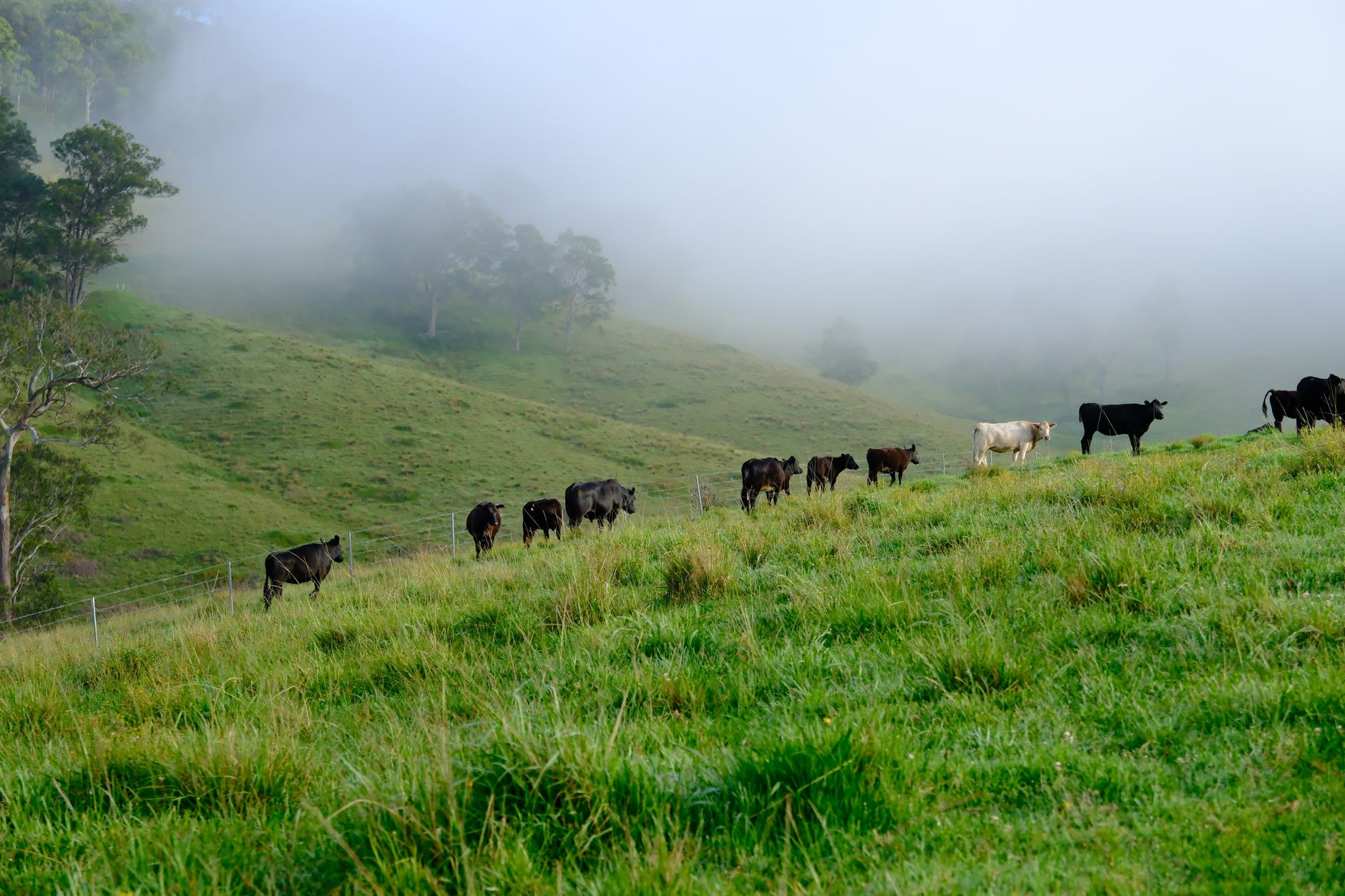
None of this means the bush is morally pure, or that regional Australia is free of vanity, cruelty or hierarchy. Anyone who says that has not paid attention. I might be wrong about parts of this, but I do not think Ward’s story resonates because it offers escape from human nonsense. It offers a different weighting of it. On the farm, appearance is demoted. Care rises. Consequence rises. Your attention has somewhere better to go.
Later, Ward herself, in the same ABC News profile, put the core idea more simply:
“Purpose gives everybody a sense of life, doesn’t it? And a passion.”
— Rachel Ward, ABC News
For anyone tired of beauty culture, that line answers the question the story leaves hanging. What replaces the beauty script once you stop believing in it? Not neglect. Not saintliness. Purpose. Something that asks more of you than maintenance does. Something outside the mirror. For Ward, the answer seems to be cattle, country and the stubborn satisfaction of helping a damaged patch of Australia recover. For the rest of us, it will look different. But the hunger underneath it feels familiar.
That may be why the piece lingers. Not because a famous woman moved to a farm and discovered authenticity. We have been sold that fantasy too many times already. It lingers because Ward’s version feels harder than that, and therefore more trustworthy. She is not asking for applause for ageing. She is asking, in effect, to be judged on the state of the paddock. In a culture still trying to trap women inside the beauty script, that looks less like retreat than a serious kind of freedom.

The Lifestyle Desires brief
Style, food, travel and wellbeing — weekly in your inbox.
Subscribe