Sfogliatelle at 7am, Mussels at Midnight: Bar Bruno Is the All-Day Italian Diner Sydney Actually Needs
Odd Culture Group's Bar Bruno opens 21 May on York Street, serving pastries and Genovese coffee from dawn before shifting to handmade pasta, seafood, and negronis past midnight — a bet that the Sydney CBD still has room for a restaurant that never closes.
There’s a particular kind of emptiness that settles over the southern end of the Sydney CBD after about 3pm. The office towers empty out, the sandwich shops pull down their roller doors, and York Street becomes a wind tunnel for takeaway coffee cups and the occasional tourist who’s wandered too far from Circular Quay. But someone at Odd Culture Group has been watching this stretch of asphalt with a very specific kind of patience, and they’ve decided it’s time to give it a pulse that lasts past dusk.
On 21 May, Bar Bruno opens its doors at 18–20 York Street — an all‑day Italian osteria that starts serving pastries at 7am and doesn’t close until the last negroni has been poured, well after midnight. It’s the kind of venue that makes you wonder why nobody did it sooner: a diner‑shaped Italian joint that bends itself around the city’s actual hours, rather than demanding the city bend around it. And in a CBD that has spent the past five years slowly remembering how to stay up late, the timing lands with unusual precision.
“What I want to try and create is a really great place that is solid, that feels reliable at any time of the day — it doesn’t close, it just unfolds throughout the day,” says Odd Culture CEO Bec Lines. She’s not selling a concept. She’s describing a missing piece of furniture in a neighbourhood that’s been short one for years — a room you can depend on whether you roll in at 7:15am with a laptop and a deadline, or at 11pm with three friends and a hard week to shake off.
The numbers bear her out. The York Street corridor sits between Wynyard and Town Hall, surrounded by high‑rise office stock and a residential population that’s been climbing steadily for a decade. The morning crowd needs coffee and something to eat with it — preferably something that didn’t come out of a plastic wrapper. The evening crowd — residents, hospitality workers finishing their own shifts, the post‑dinner set — needs a place that doesn’t require a booking made three weeks in advance. Bar Bruno is architecturally designed to catch both, and catch them without making either group feel like they’re in someone else’s restaurant. Because that’s the quieter achievement here: a room flexible enough to feel like a café at dawn, a diner at noon, and a proper bar by eleven.
The pastry shift
Mornings run on Genovese coffee and a short, focused lineup of Italian breakfast staples. Think biscotti that actually taste like almonds and not just sugar. Sfogliatelle — those shell‑shaped Campanian pastries with the impossibly thin, crisp layers and a ricotta‑semolina filling that tastes like patience — baked fresh each morning. Cannoli filled to order, the shells still carrying the faint warmth of the fryer.
This isn’t a café that decided to call itself an osteria for the branding. The pastry program is being taken seriously, which is rarer than it should be. Most Sydney venues treat breakfast as a cash register, not a craft. A tray of commercially baked croissants and a batch‑brew urn will pay the rent just fine. So committing to a pastry chef, to Genovese beans pulled properly, to sfogliatelle that demand two days of laminated‑dough work — that’s a statement of intent disguised as a menu.
The man in the kitchen
Chef Tony Gibson is the reason the craft argument holds water. Gibson’s CV runs through some of Sydney’s better kitchens — he’s been cooking in this city long enough to know that the fastest way to lose a customer is to hide behind technique. “There’s no smoke and mirrors,” he tells me, and he means it as a structural promise, not a soundbite. Spend ten minutes talking to him and you understand that simplicity, in his hands, is the hardest thing to pull off. It means you can’t disguise a mediocre mussel under three competing sauces. It means the pasta has to be right every time because there’s nothing else on the plate to deflect attention.
The lunch and dinner menu leans hard into what Gibson does best: handmade pasta, seafood treated with restraint, and a handful of dishes that don’t need a paragraph of menu copy to justify themselves. Mussels arrive with fagioli giganti — those enormous, creamy Italian butter beans — and a spoonful of 'nduja butter that melts into the broth and turns the whole thing the colour of a late‑autumn sunset. Murray cod swims in a delicate broth that Gibson builds from the bones up, the kind of clear, deep liquid that tastes like someone spent the morning on it. There’s a classic burger on the menu too, alongside an Italian Caesar salad — moves that read as deliberate rather than concessionary. Gibson isn’t chasing stars. He’s building a menu you can actually eat from four times a week without exhausting either your patience or your wallet.
Why this, why now
That’s a sharper calculation than it sounds. Sydney’s restaurant landscape has been haemorrhaging fine‑dining rooms for the past eighteen months. The closure of Quay in early 2026 wasn’t just the loss of a single restaurant — it was a structural signal that rippled through every kitchen in the city. The degustation‑only, $400‑per‑head model is contracting, and the gap between fast‑casual takeaway and special‑occasion dining has become the only territory worth building on. Odd Culture Group, whose portfolio already includes the eponymous Odd Culture bar in Newtown and the Oxford Tavern in Petersham, has been reading the same tea leaves. Bar Bruno isn’t a pivot so much as a conviction bet: that the future of Sydney dining lives in a room where you can walk in at 9pm on a Tuesday and eat a bowl of handmade pasta without having planned it six weeks earlier.
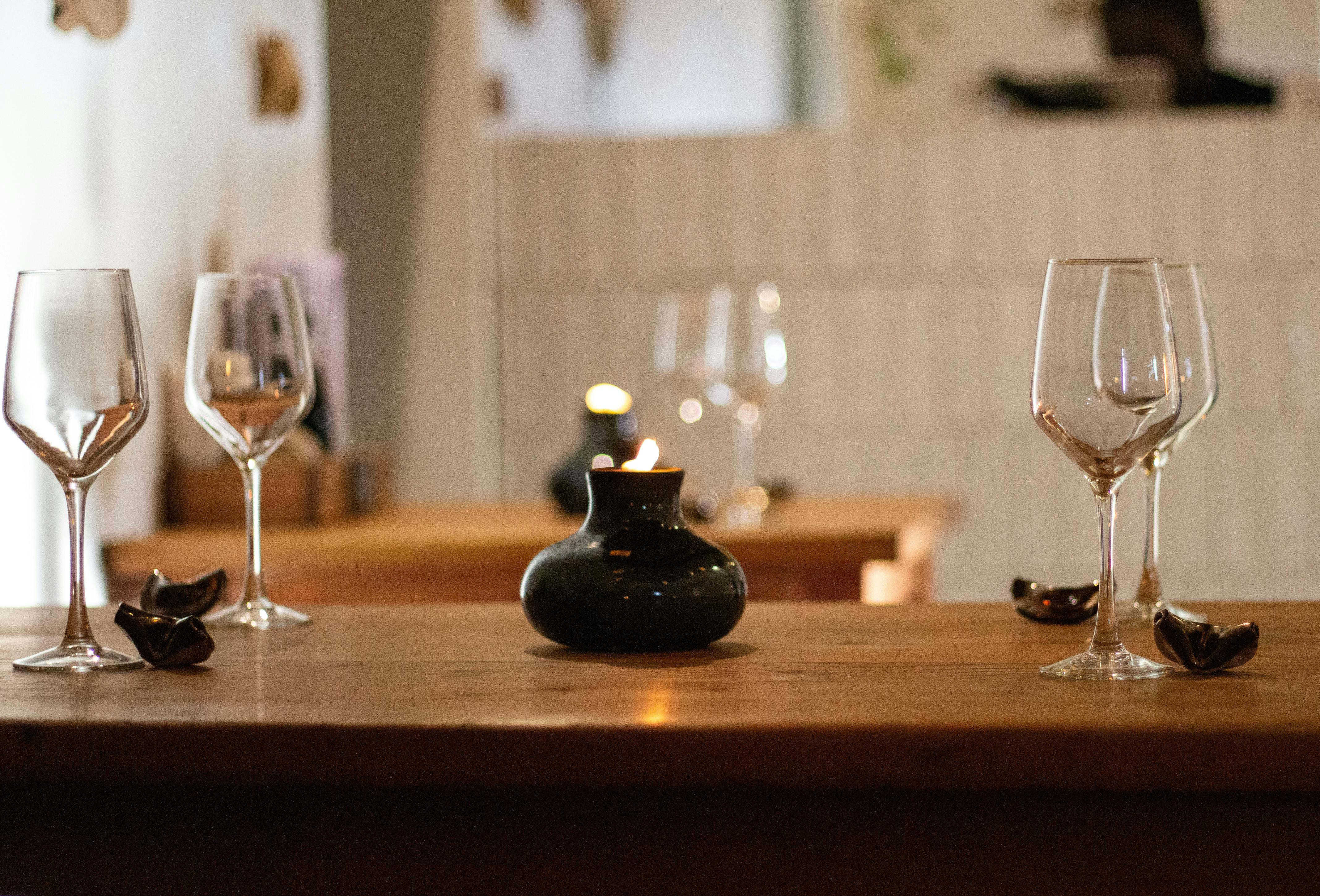
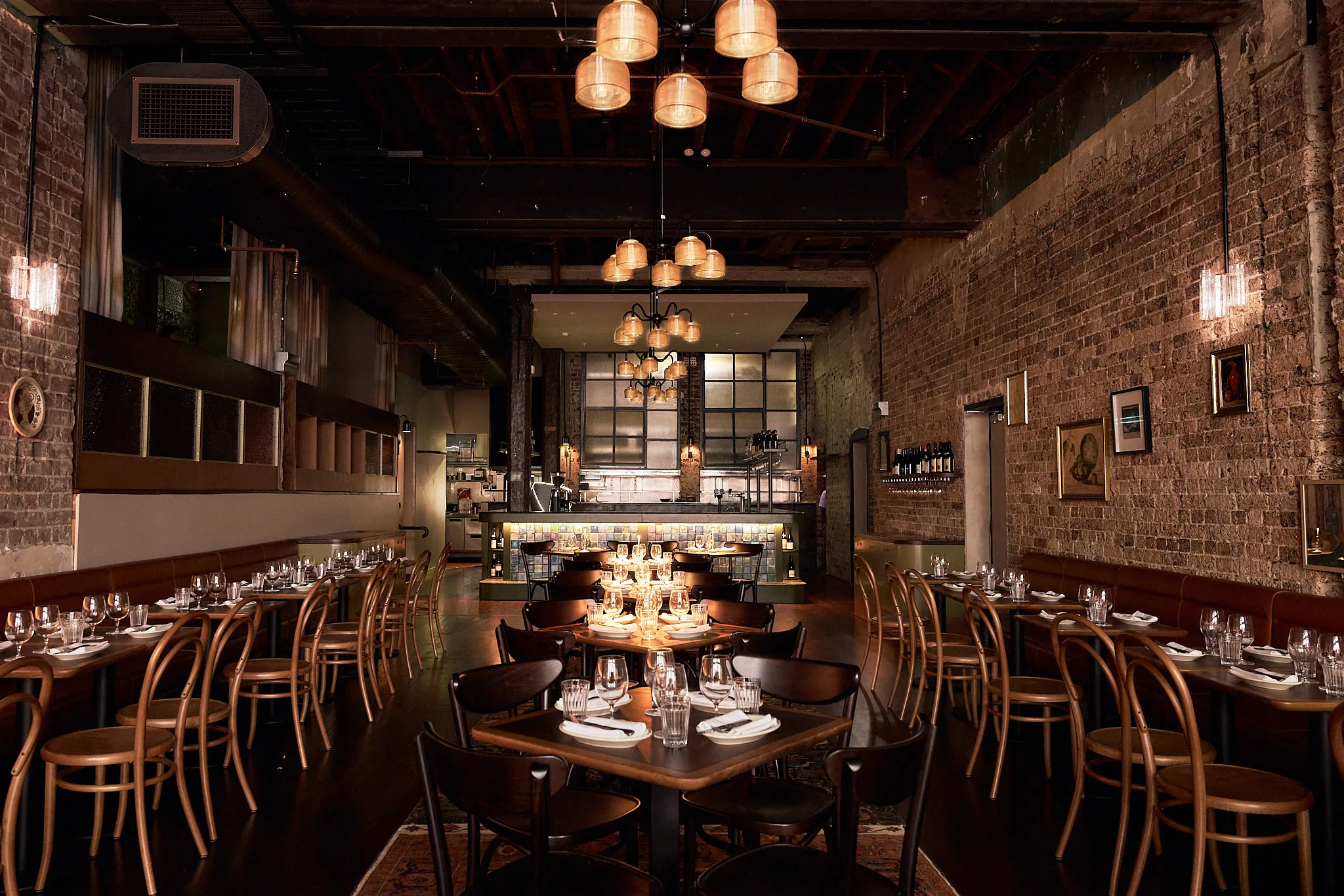
The osteria model itself is the right vehicle. In Italy, an osteria is traditionally a simpler, more democratic cousin to the ristorante — a place where the wine list might be written on a chalkboard and the menu changes based on what looked good at the market that morning. Gibson is importing the spirit of the thing, not the period fittings. So don’t expect Chianti bottles dangling from the ceiling or red‑and‑white checked tablecloths. The fit‑out, designed in‑house by the Odd Culture team, leans towards warm timber, low amber lighting, and the kind of long bar seating that makes a solo diner feel like they’ve made a deliberate choice rather than a lonely one. A booth in the back corner will handle groups. The geometry is simple, intuitive, the sort of room you understand the moment you walk in.
The wine list will tilt Italian — natural‑leaning but not dogmatic, the way Odd Culture’s other venues have trained their regulars to expect. Cocktails will lean bitter and brown: negronis, Americanos, maybe a Milano‑Torino if you ask nicely. These are drinks that reward a second round, which is precisely the behaviour the floor plan encourages.
Yet it’s the temporal ambition that really sticks. Most Sydney venues pick a lane: morning trade or evening trade. Even the best all‑rounders tend to close between 3pm and 5pm for a soft reset — a changeover period where the kitchen staff down, the coffee machine gets wiped, and the front‑of‑house steels itself for dinner service. Bar Bruno is being built to run straight through, with the kitchen handing over from the pastry team to the pasta team somewhere around 11am and nobody touching the light switch until the small hours. Lines says the goal is a venue that “feels reliable at any time of the day,” and reliability, in the language of hospitality, is just another word for survival.
She’s not being modest, and she shouldn’t be. The Sydney CBD has spent the past five years slowly recovering its after‑dark identity after a decade of erosion. Lockout laws are formally gone, repealed in 2020, but the habits they forged — go home early, eat before 8pm, treat the city centre as a workplace rather than a destination — have been slower to unwind than anyone in government wants to admit. A venue that anchors a block from 7am to 1am isn’t just serving food. It’s rewiring a circadian rhythm, one cannolo and one negroni at a time.
Can it work? The early signs are promising. The Odd Culture Group has a track record of opening venues that feel immediately lived‑in — the kind of places where you can’t tell whether they’re two months old or two decades, where the bar staff already know someone’s name by the second visit. Because that’s the real metric, isn’t it? Not the opening‑weekend crowd or the first wave of Instagram posts, but whether the place is still full on a wet Wednesday in July when nobody’s making a special trip. Gibson’s approach to the menu — honest, unfussy, built around produce rather than presentation — gives Bar Bruno a fighting chance at the hardest trick in the Sydney hospitality playbook: becoming a regular’s spot in a city where nobody stays put for long.
The osteria opens on 21 May. I’ll be there for the sfogliatelle. And probably the mussels. And almost certainly a negroni at an hour when York Street, for the first time in recent memory, still has its lights on.

Melbourne restaurant critic and drinks writer. Files from kitchens, bars and the long lunches in between.
The Lifestyle Desires brief
Style, food, travel and wellbeing — weekly in your inbox.
Subscribe