The TV bundle came back in app icons
Streaming fatigue in Australia now means ad tiers, stacked apps and quiet monthly charges that make a night in feel more like household admin.
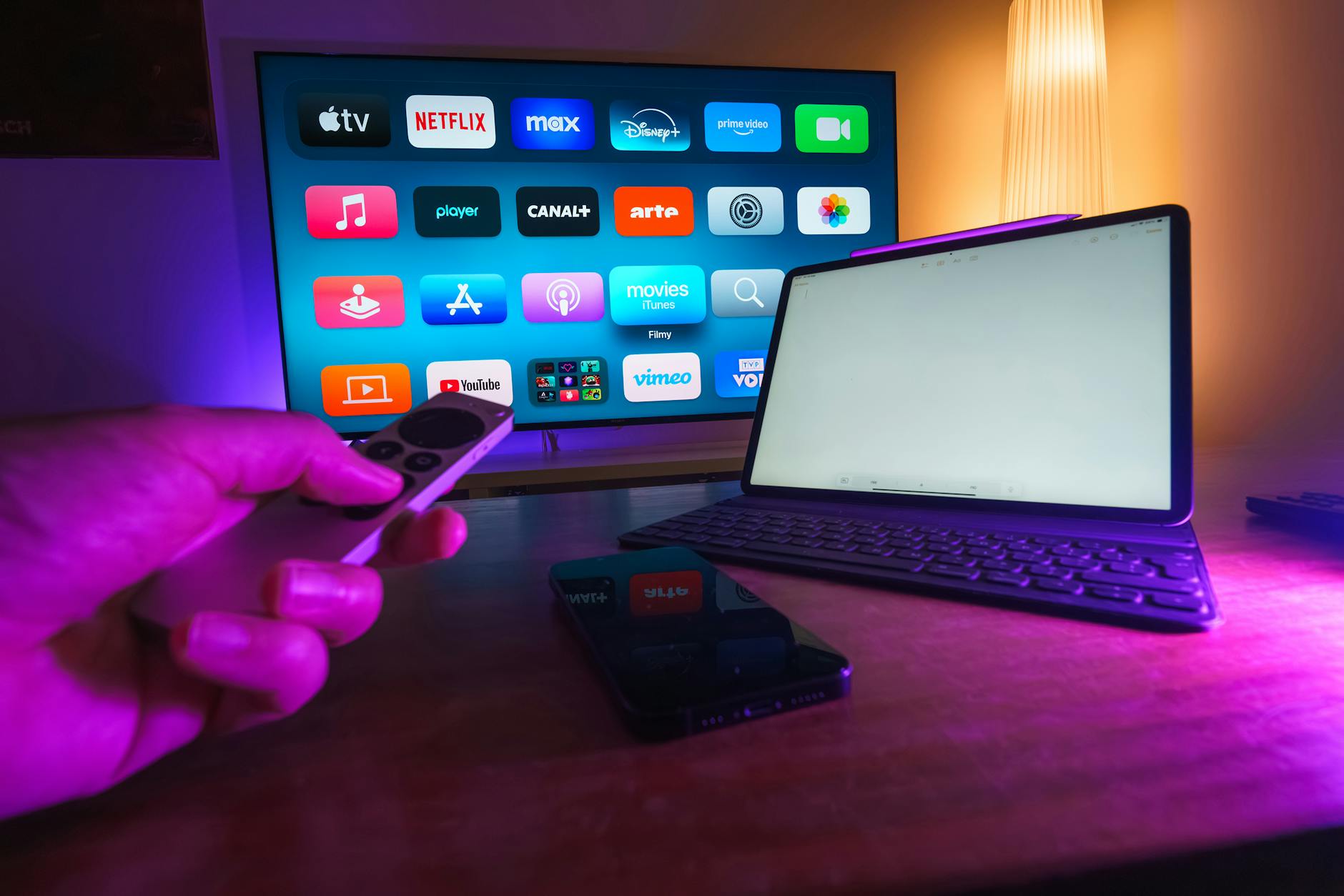
There is a particular kind of annoyance that arrives after dinner, when the house has finally gone quiet and the couch is meant to feel earned. The television wakes with that glossy tiled grin. Netflix. Prime Video. Disney+. Stan. Maybe sport. Maybe one more because somebody promised a single series was worth the trouble. Ten minutes later, nothing is on. You are doing arithmetic with your thumbs.
Once, streaming did feel lighter than the old pay-TV bundle. One subscription, then two, then a few more, each justified by a prestige drama, a football season, a reality binge, a wet long weekend. I doubt Australians are suffering only from too much choice. We are carrying one more piece of household admin. Entertainment has become a spreadsheet line with nicer colours.
Maybe that is why “streaming fatigue” feels almost too soft a phrase. The latest Australian market data from Worldpanel by Numerator says 8.06 million households now pay for at least one video streaming service, with average monthly spend at $49. That is still mass-market behaviour. Yet the direction is telling: households are trimming, rotating and stepping down instead of adding blindly. The old bundle did not disappear. It broke up, then re-formed as a line of smaller charges that stay ignorable until they suddenly do not.
What the recent Australian reporting from The Times captured well was the ordinariness of the irritation. Viewers are not swearing off streaming altogether. They are becoming choosy, suspicious, a little fed up. By now the complaint belongs to ordinary weeknights, not early-adopter grumbling. You only wanted one decent episode. Instead, you found yourself sorting subscriptions again.
The little charges add up
Rarely does this arrive as one spectacular bill. Usually it lands as a cluster of half-seen ones. Forty-nine dollars a month on streaming will not sink a household on its own, but it arrives in a cost-of-living climate where every recurring charge starts to feel personal. Under that pressure, value beats abundance. That helps explain why one in three new subscribers are choosing ad-supported tiers rather than paying extra for a cleaner screen.

More revealingly, that trade is not just about thrift. It is about patience. Deloitte’s latest digital media survey found 61% of subscribers would cancel their favourite service after a $5 price rise, while 68% already have at least one ad-supported plan. Those numbers describe an audience bargaining with the screen. I will accept the ads if the monthly hit softens. I will stay for the one show everyone is discussing, then leave.
Stephanie Dolan came closest to naming the mood in TheWrap’s analysis of “streamflation”:
“Consumers are playing this game of give and take.”
Stephanie Dolan, quoted by TheWrap
That line sounds right because streaming is no longer in its gold-rush phase. It is in retention mode. Ad tiers, cross-app bundles and loyalty traps are not playful extras now; they are defensive architecture. Even the US Federal Trade Commission’s latest move on negative-option marketing reads like a regulator catching up to a feeling viewers already know: companies have become very good at making recurring payments frictionless on the way in and faintly annoying on the way out.
The nicest screen in the house is now paperwork
Money is only half of this story. The other half is cognitive. A streaming night now behaves like a planning exercise. You open the television to switch off and end up triaging libraries, weighing whether the prestige drama deserves another month, wondering if the kids still use the family plan, promising yourself you will cancel on Sunday, then forgetting until the next direct debit lands.

Attention is what is really being sold. Every service wants to be your default screen, your background habit, your first reflex when the room goes quiet. Most of us, though, do not live inside ideal streaming conditions. We are tired. Half-scrolling. Replying to messages. Folding washing. Eating dinner from a bowl on the couch. In that state, too many libraries stop feeling luxurious and start feeling like homework with excellent branding.
So the sharpest response I found was not a rankings guide or a spreadsheet hack. It was refusal. In a recent Stuff column, Craig Grannell looked at his own stack and decided he had had enough.
“I’m sick of it.”
Craig Grannell, quoted by Stuff
Later, he arrived at the only streaming strategy that sounds sane to me right now:
“Get rid of it all. See what I actually miss.”
Craig Grannell, quoted by Stuff
I like that line because it punctures the fantasy the platforms depend on. They want to become ambient, permanent, part of the electrical wiring of the home. Plenty of subscribers do not actually want permanent access to everything. They want a good month of television, maybe a big live event, maybe one show that gives the group chat something to do. After that, letting the app go dark for a while starts to look sensible.
Australia makes the pattern easier to read. Global giants chase attention. Local services such as Stan fight to keep their place in the stack. Sport and live events pull people back in. Ad-supported plans present themselves as the reasonable compromise. None of that looks like collapse. It looks like reconvergence. Streaming is borrowing habits from the system it once mocked: bundles, tiers, sticky memberships, bits of advertising, seasonal churn treated as an engineering problem. The interface still whispers convenience. The billing logic is pure old-fashioned television.
I am not nostalgic for cable, and I am not pretending streaming has failed. In plenty of obvious ways, it remains a better viewing experience. You can watch what you want, when you want, without the old tyranny of the schedule. Still, the emotional pitch has changed. Streaming once felt like freedom from clutter. Lately it feels more like clutter that followed us indoors and learned to bill monthly.
Maybe that is why cancelling one service now carries relief that barely has anything to do with television. Saving eight or fifteen dollars matters, sure. So does removing one more tiny obligation, one more icon asking to be justified, one more charge that assumed it could disappear into the background. The grown-up streaming habit in 2026 may not be building the perfect stack. It may be admitting that nobody needs six half-watched libraries and calling the situation what it is: subscription overload with a very expensive user interface.

Melbourne film and television critic. Streams the lot so you don't have to. Writes about the Australian screen industry and what's worth a night in.
The Lifestyle Desires brief
Style, food, travel and wellbeing — weekly in your inbox.
Subscribe