The road out of town: four weekends from Sydney, mapped by season
I left Sydney on a Thursday in July, two hours later than I'd meant to. The city exhales on a Friday afternoon and half a million people point their bonnets toward the same escape routes. Here is what I've learnt about the four escapes that actually deliver.
I left Sydney on a Thursday in July, two hours later than I’d meant to. Traffic on the M1 was the kind that makes you wonder whether everyone else had the same idea at the same moment — which, of course, they had. Come Friday afternoon, the city exhales and half a million people point their bonnets toward the same escape routes, the same mountain air, the same stretch of coast where the water finally turns that particular blue.
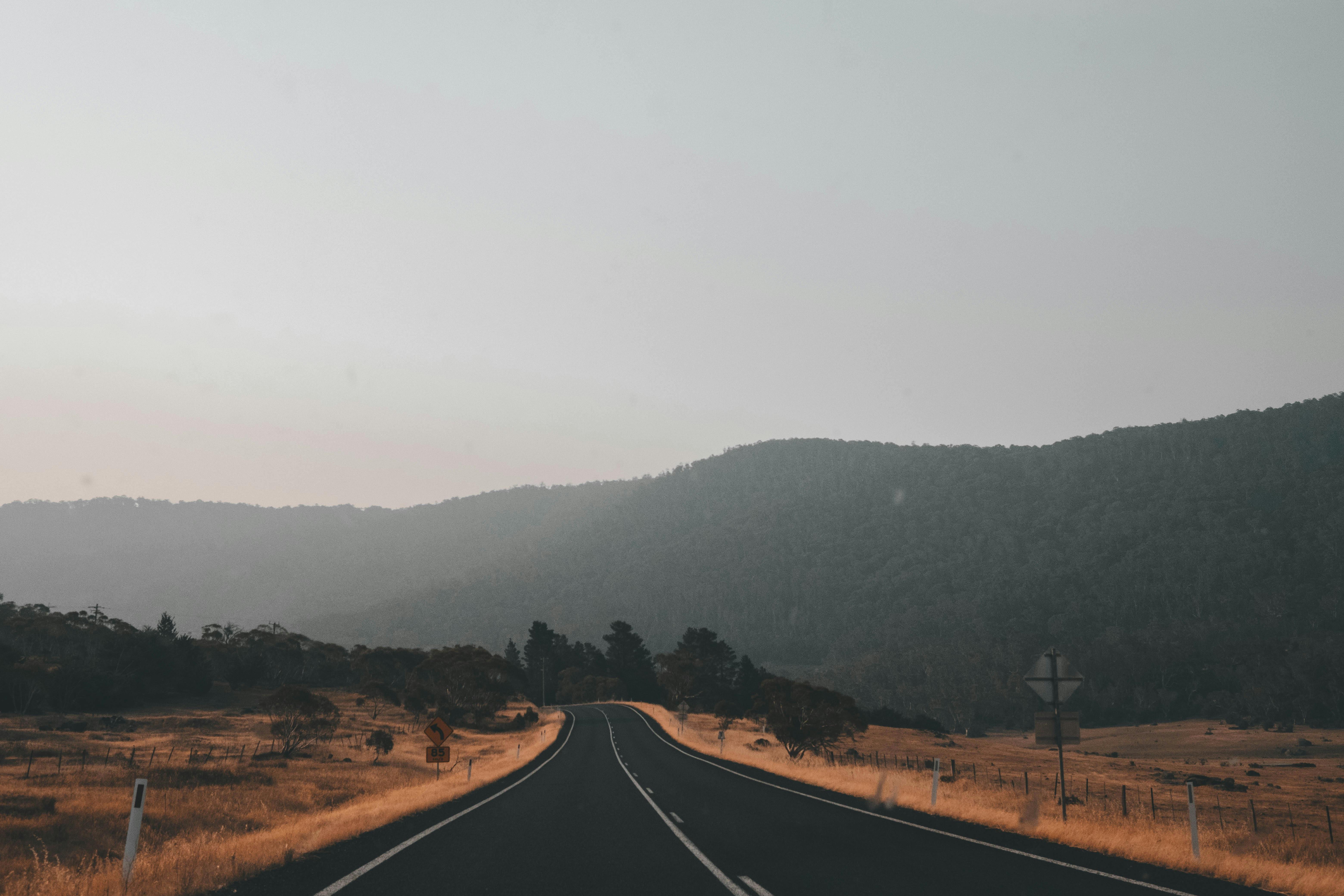
By the time I cleared Hornsby the sky had done something. The grey that had been sitting on the city all week thinned, then broke, and suddenly there was light spilling across the Hawkesbury in a way that made the river look like hammered tin. At the first lookout after the bridge — the one the tourists never stop at because it isn’t signposted — I pulled over. A kookaburra watched me from a power line. Cold dirt and eucalypt: that was the smell of the air.
Here’s the thing about leaving Sydney for a weekend. It’s not the destination that does the work. It’s the moment the city loosens its grip. Your phone signal drops a bar. The radio finds a station you didn’t know existed. Somewhere around the third hour, you remember what your shoulders feel like when they’re not pinned to your ears.
Years now I’ve been doing this — pointing the car in a direction and driving until the air changes. Here is what I’ve learnt about the four escapes that actually deliver, season by season, whether you’re going alone, with someone you love, or with a boot full of nappies and a toddler who’s already asked “are we there yet” at Hornsby.
The mountains in winter
Ask a Sydneysider where they go for the weekend and the Blue Mountains will be the first answer, and the one most people get wrong. They drive up the Great Western Highway on a Saturday morning, queue for a coffee in Leura, stand at Echo Point long enough for a photograph, and drive back. That’s not a weekend. That’s a day trip with traffic.
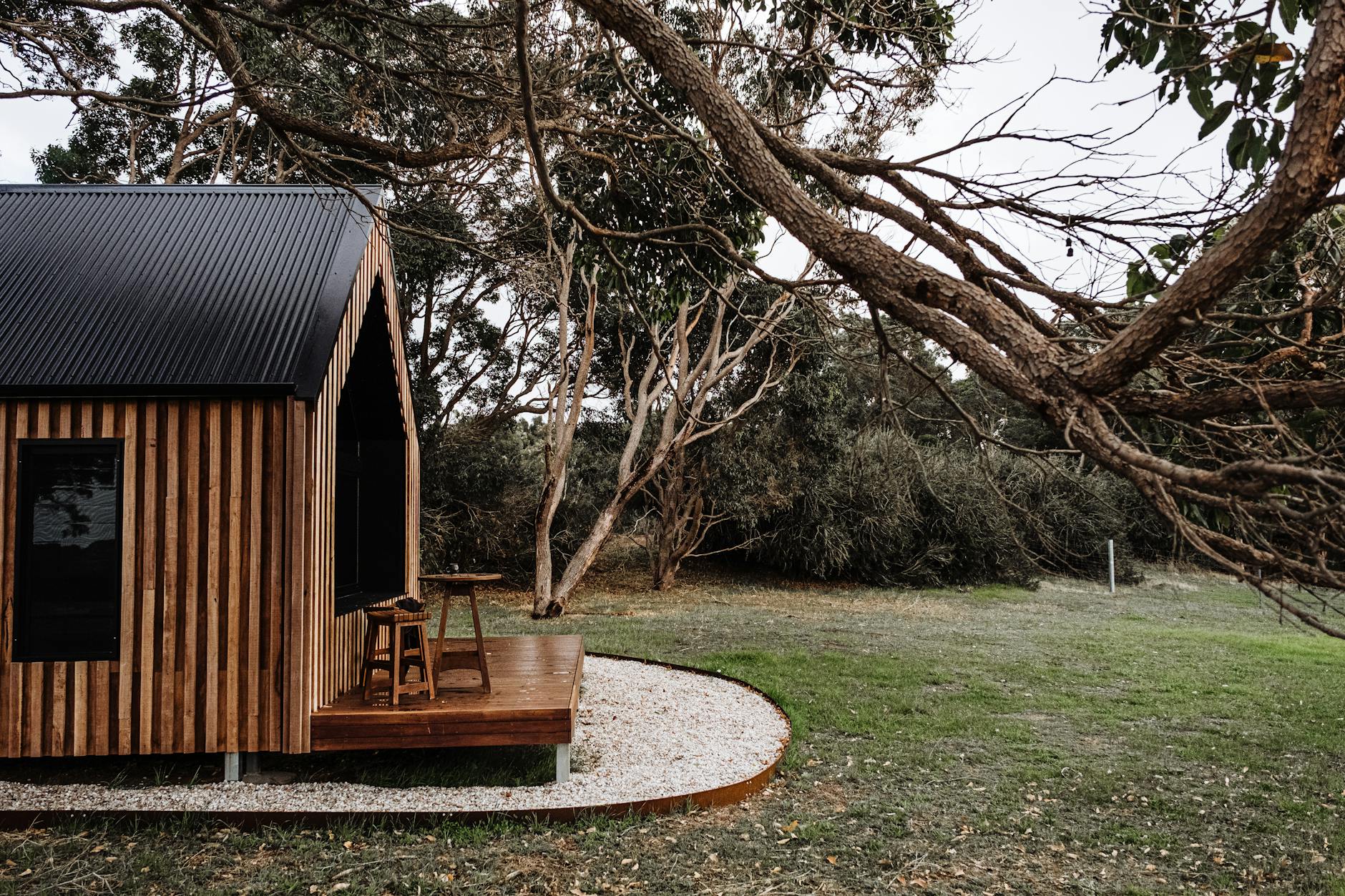
Go on a Friday in June or July, when the sun sets at five and the temperature in Katoomba drops to something that justifies a fireplace. Book a place with an actual wood fire — not a gas imitation, not an electric heater with a picture of flames. Wood. The kind you have to build yourself, badly, the first three times, until you work out that kindling goes underneath.
Last winter, a cottage in Wentworth Falls, nothing but a bag of groceries, a paperback I’d been meaning to read for two years, and a pair of boots that had seen better days. On the Saturday morning I walked the Charles Darwin track, the air so cold it hurt to breathe, the sandstone steps slick with overnight frost. By lunchtime I was sitting in front of the fire eating toast and reading. For 36 hours I spoke to no one.
If you’re a couple, the mountains in winter are the obvious play — fires, long dinners at the Hydro Majestic, foggy morning walks where you can’t see more than twenty metres ahead. Solo travellers, though: this is the best of the four for a weekend alone. Permission to do nothing — the cold hands it to you. Is anybody watching? No. The bush doesn’t care if you’ve made plans.
Families will want to stay closer to Leura or Blackheath, where the cafés open early and the toy shop in Leura Mall has been keeping children occupied since before I was born. Katoomba’s Scenic Railway is the steepest passenger railway in the world — a fact children find thrilling and adults find briefly terrifying — and the walkway through the Jamison Valley floor takes about an hour with small legs.
The coast in summer
What nobody tells you about the South Coast: it’s the escape you keep to yourself. Not the overdeveloped bits — not Kiama with its bus-park blowhole, not Nowra. I’m talking about the stretch from Berry down through Gerringong, Gerroa, and on toward Jervis Bay, where the beaches are white because they’re made of the finest sand in the world. Hyams Beach, they’ll tell you, has a Guinness World Record for it. Whether that’s still true I don’t know. Standing on it in January, the water glass-clear and warm enough to stay in for an hour, you won’t care about the record either.
More times than I can count I’ve done this drive, usually leaving at 5am to beat the southbound traffic through the Royal National Park. The trick is to take the coast road through Stanwell Park and down the Sea Cliff Bridge — that stretch where the road hangs over the water and, for about ninety seconds, you feel like you’re driving across the surface of the ocean. Never gets old, that stretch. Physically incapable of getting old.
Berry is the first proper stop: a main street that’s almost too picturesque, the sort of town where the bakery queues at 8am and the sourdough sells out by 10. Inside the Berry Hotel, the schnitzel’s bigger than the plate and the beer garden out the back fills up with families by noon. Gerringong, fifteen minutes further, is quieter — the rock pool at the north end of Werri Beach is the kind of place you swim laps at 7am with nobody else around except a handful of locals who’ve been doing it for forty years.
Travelling with kids? The South Coast in January or February is the most forgiving of the four escapes. Distances are short, beaches are patrolled, and there’s always a fish-and-chip shop within a five-minute drive. Couples should skip Gerroa and head further south to Bendalong or Manyana — smaller beaches, fewer people, the kind of coast that feels like it hasn’t been discovered yet even though it was discovered decades ago.
Going solo? Take a book and a towel and pick any beach north of Ulladulla. Nobody will bother you.
The vines in spring
Spring in the Hunter Valley — September or October — is the weekend that feels the most like you’ve actually left your life behind. The vines are in bud, the air is warm without being aggressive about it, and the whole valley smells like freshly turned soil and fermenting grapes. Generosity — that’s what the Hunter has in spring, in a way the other seasons don’t quite match — the wineries are awake but not yet besieged by the summer bus tours, and you can sit at a cellar door for half an hour talking to the winemaker because there’s nobody else waiting.
A wine expert I am not. What I like and what I don’t — that’s what I can tell you. But I’ve learnt enough to know that the Hunter’s semillon is genuinely unlike anything grown anywhere else in the world: a white wine that starts out lean and citrus-sharp at two years old and, if you leave it alone for a decade, turns into something honeyed and complex and completely unexpected. The first time someone poured me a ten-year-old semillon at a cellar door in Pokolbin, I laughed at the idea of ageing a white wine. Then I tasted it. I don’t laugh about it anymore.
Built for couples, the Hunter — the long lunches at places like Muse Restaurant or the more casual Bistro Molines, the afternoon tastings, the hot-air balloon at dawn if you’re feeling extravagant and don’t mind waking at 4:30. But it also works for a group of friends. Hire a house in Lovedale, split the cost four ways, designate a driver or book a tour bus, and spend the day moving between cellar doors without a plan.
Families, don’t write off wine country. The Hunter Valley Gardens has a hedge maze and a train ride. The Hunter Valley Zoo has kangaroos you can feed. And most wineries have lawns where children can run around while you taste, as long as you keep one eye on the glass and one on the toddler.
The highlands in autumn
Argue with me if you want, but the Southern Highlands are not “just Bowral.” Bowral is lovely. Bowral has the Biota dining room and the Dirty Janes antique market and a main street that photographs well in any light. The Southern Highlands, though — they’re something else entirely: a landscape of dry-stone walls and hawthorn hedgerows, of morning mist that settles in the hollows and doesn’t lift until ten. There are parts of the Highlands that feel less like Australia and more like a corner of the English countryside that someone transplanted and forgot to water. Except they did water it, because it’s green in a way the rest of the state rarely is.
Autumn is the season for the Highlands. April and May, when the poplars along the Old Hume Highway turn gold and the air has that particular crispness that makes you want to walk further than you meant to. Down I drove last April on a whim — no booking, no plan, just a vague idea that I wanted to see the leaves and eat something warm. I ended up in Berrima at the Surveyor General Inn, Australia’s oldest continuously licensed pub, sitting by a fire with a bowl of pumpkin soup and a glass of something red, watching the rain start and stop through a window that had probably seen two centuries of rain.
Of the four, the Highlands are the best for a weekend that feels like a proper country escape — the kind where you bring a jumper even in March and you’re glad you did. Robertson has the pie shop and the Big Potato — a concrete monument to agricultural optimism that children love for reasons adults have stopped trying to explain. Fitzroy Falls is a proper waterfall, the kind that drops eighty metres into a rainforest gorge, and the walking track along the escarpment gives you views that make the drive worth it before you’ve even arrived.
Couples, take the Highlands in autumn — a fireplace, a long lunch, an antique shop, a walk — it’s the weekend that restores whatever the city has rubbed raw. Solo travellers will find the quiet almost unsettling at first, then addictive. Families should book a farm stay with animals; there are several around the Kangaroo Valley that will occupy children for an entire weekend with nothing more than a chicken coop and a creek.
What holds all of this together
Once I thought the point of getting out of Sydney was the destination. I planned weekends around restaurants and lookouts and the things the guidebooks told me I should see. And those things were fine — some of them were genuinely wonderful. Getting older, though, I suspect the point is something simpler. It’s the leaving. The moment the road opens up and the buildings thin out and the sky gets bigger and you realise, somewhere around the third hour, that nobody needs anything from you and you don’t need anything from the world except petrol and a place to sleep.
These four escapes — the mountains, the coast, the vines, the highlands — they’re not secrets. Millions of people from Sydney have driven them. They will drive them again. But they endure because they’re close enough to reach in a tank of fuel and far enough to feel like somewhere else entirely.
Driving back from the Highlands that Sunday afternoon, windows down, the radio playing something I didn’t recognise, I watched the traffic thicken as I got closer to the city, the way it always does. Didn’t mind. I’d had three days of air that smelt different, and that was enough.

Hobart-based travel writer chasing regional Australia, off-grid stays and the slow road.
The Lifestyle Desires brief
Style, food, travel and wellbeing — weekly in your inbox.
Subscribe