Tiny, Off-Grid, Two Nights Max: How Aussies Are Travelling in 2026
The two-week beach holiday is being quietly retired. Airbnb data and Tourism Australia figures both show short, regional, off-grid stays surging — and South Australian tiny cabins now leading the country's most-wishlisted list.
Three weeks ago I drove from Hobart to a stargazing pod near Ross. Four hours up the Midland Highway, including the unavoidable pie at Mood Food in Campbell Town (the curried scallop, if you must know). The pod had an outdoor bath, no reception bar one bar of Telstra if you stood on the deck rail, and a cooked breakfast on Sunday before I drove the four hours back. That was the whole holiday.
I keep doing this. So does, apparently, half the country.
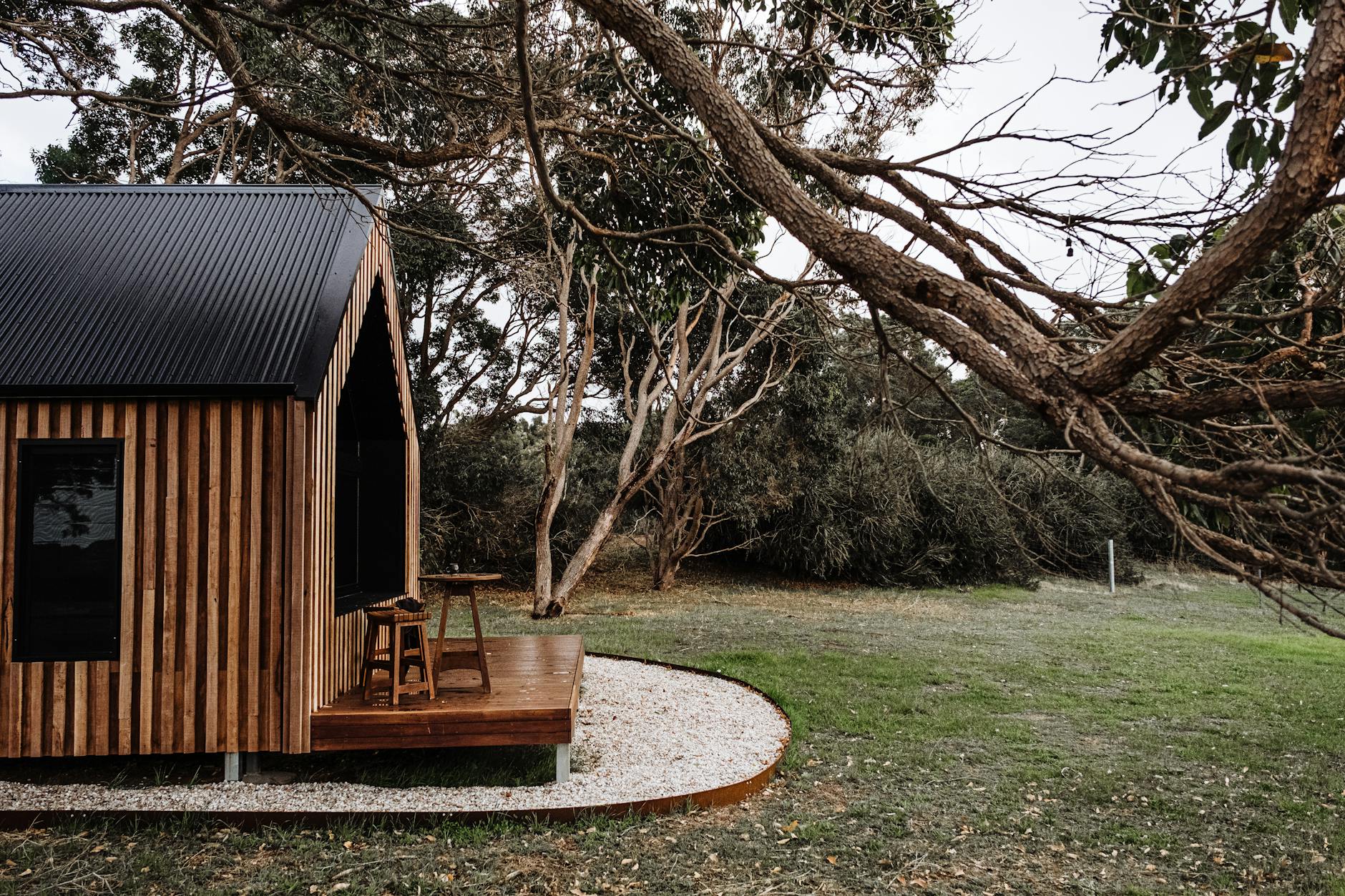
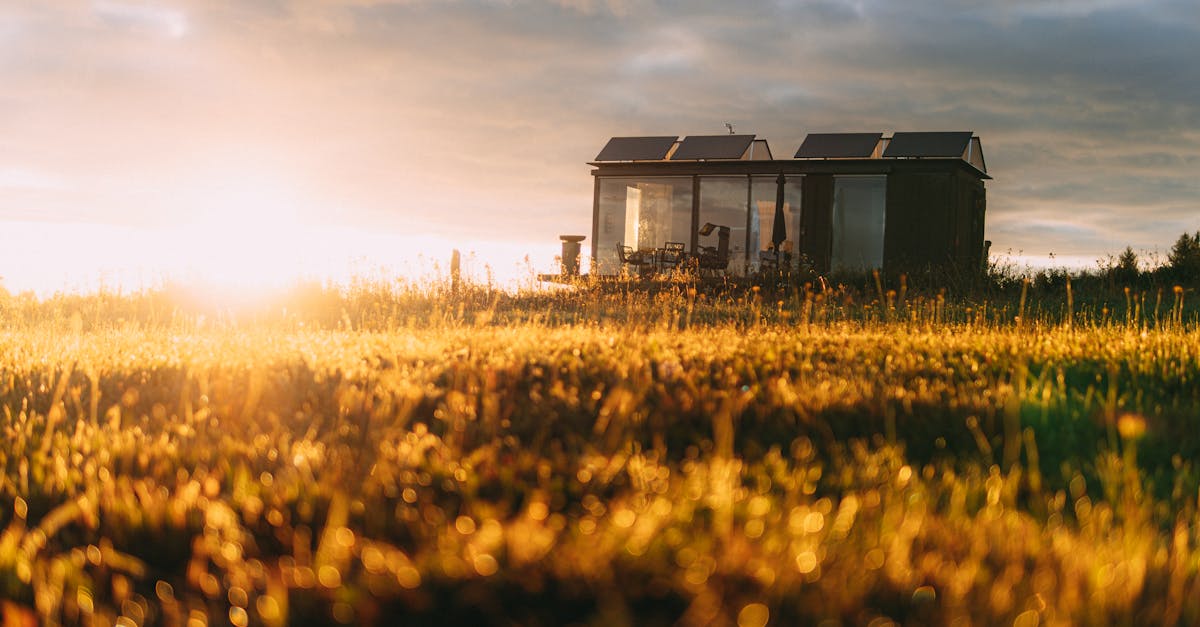
Airbnb’s 2026 most-wishlisted list dropped last week and the Australian entries are basically my last six bookings. Two of the top ten saved Aussie properties are South Australian tiny stays. A glass-fronted cabin in the Adelaide Hills. A stargazing pod outside Burra in the mid-north. The other Aussie picks land in the same neighbourhood: small, off-grid, within four hours of a capital. The two-week summer beach house is being quietly retired and nobody is sad about it.
What the data says (briefly, then I’ll stop)
Airbnb’s internal AU figures show short stays of one to three nights grew 28% year on year through 2025. Stays of seven nights or more grew 2%. Their research arm asked why and 80% of Australian respondents in a March survey said they found shorter trips less stressful than longer ones. Which, yeah. Obviously.
Tourism Australia’s domestic-overnight survey backs it from a different angle. Average length of stay for intrastate leisure trips slid from 4.1 nights in 2022 to 3.4 in 2025. Trip count grew faster than bed-nights. People are going more often, for less time.
Search has shifted too. Airbnb’s “off-grid” wishlist filter became their fastest-growing AU search filter in 2025. Outdoor baths, fire pits, hammocks, dark-sky stargazing. That’s the listing vocabulary now. If you’re scrolling and there’s no fire pit in the photos, you scroll on.
Where everyone’s going
South Australia’s mid-north is having its first real boom. Burra, Clare Valley, Riverton, two to three hours out of Adelaide, sky quality is genuinely dark out there. I saw the Magellanic Clouds from a paddock outside Burra without straining my eyes once. The state government’s regional-tourism investment fund has been subsidising cabin construction in three local government areas since 2024 and supply has overshot demand. Good news if you book late, bad news if you’re a local trying to find a long-term rental. More on that in a minute.
The Mid-North Coast of NSW is the other obvious one. Bellingen, Dorrigo, Nambucca. Hinterland properties an hour inland from the Pacific Highway are fully booked through autumn and winter weekends. Dorrigo especially. Drive up from Coffs Harbour, climb the escarpment, and you’re suddenly in cloud forest in 40 minutes flat. It is a completely different country up there. Pack a jumper even in February.
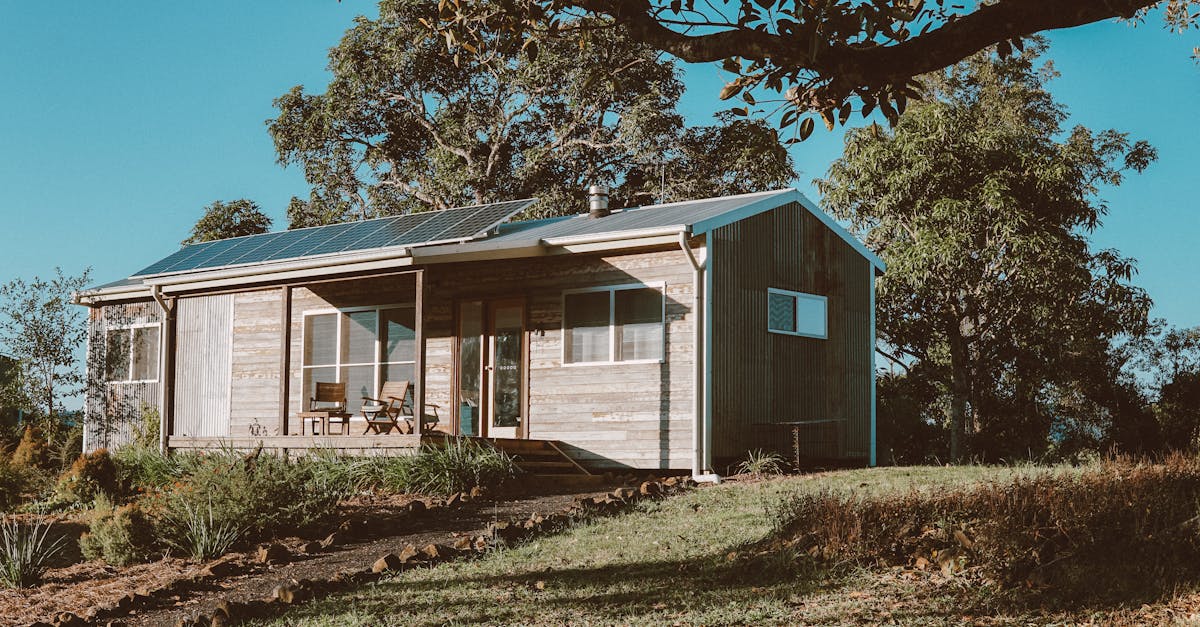
Victoria’s Otways and Macedon Ranges keep showing up on the lists. Both within two hours of Melbourne. Both have been quietly building cabin inventory through the cost-of-living squeeze on first-home buyers. Landowners who can’t make the mortgage maths work are putting tiny rentables in their back paddocks. Same trend, different driver.
And the perennial Sydney sleeper: Bundeena. Mamamia ran a piece three weeks back calling it the no-fuss coastal escape you can reach without a car. The piece went viral. Bundeena is now harder to book than Byron. Strange world.
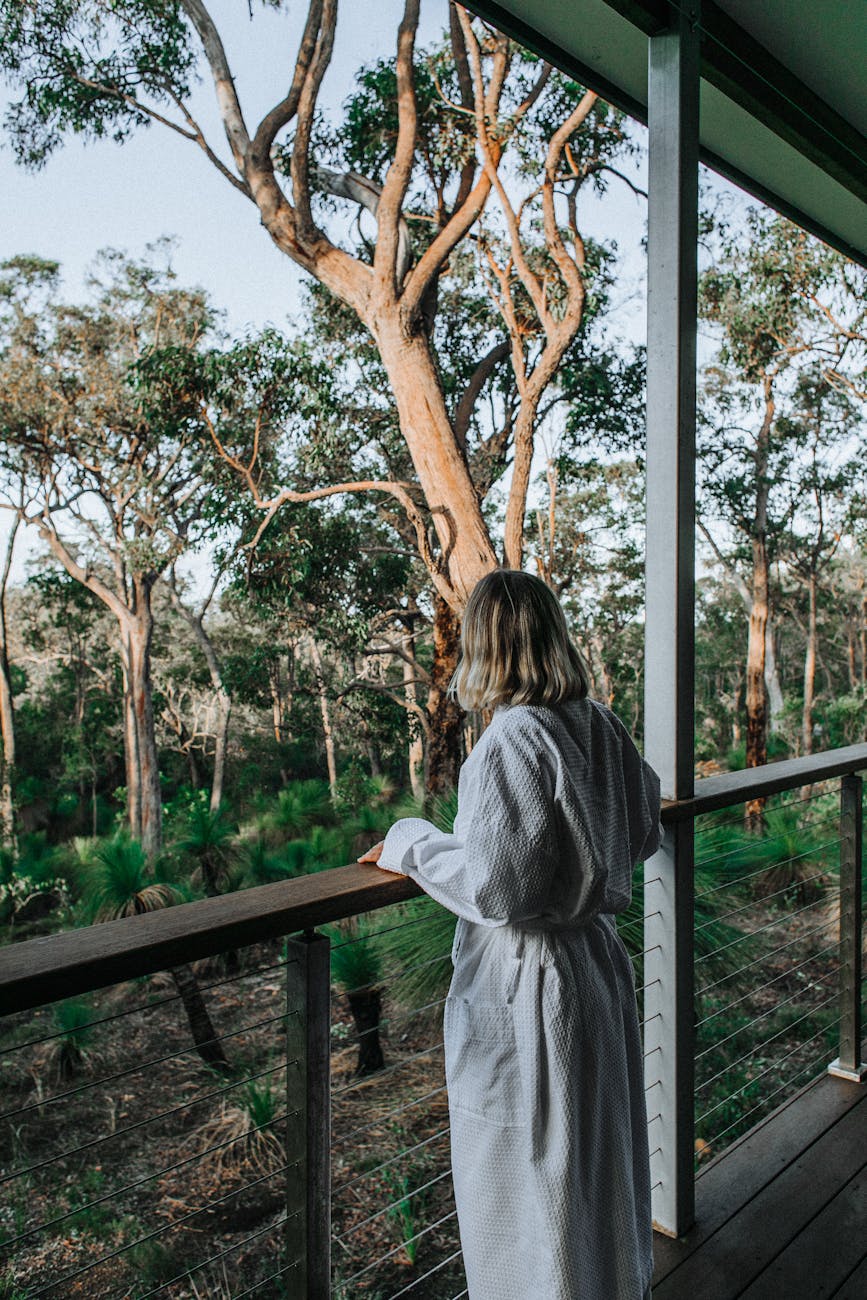
A personal recommendation, since the algorithmic top-ten lists are mostly recycled press releases anyway. There’s a cluster of off-grid pods on Tasmania’s east coast, near the Wukalina Walk. I stayed at one in March. Won’t name it because the host already has too many bookings and I’d like one more myself in spring. Outdoor bath. Kookaburras at 5am whether you wanted them or not. Three minutes’ barefoot walk to a beach with no footprints on it. Drive from Hobart is three hours up the A3. Stop at Kate’s Berry Farm in Swansea on the way back, get the raspberry ice cream, thank me later.

What hosts are actually telling me
I rang three for this. Adelaide Hills, Bellingen, Mornington Peninsula. They described the same booking pattern almost word for word. Friday-Sunday two-nighters are booked three months ahead. Five-night midweek slots, even discounted, sit empty. The Mornington host put it best: “People want a reset. They do not want a holiday.”
She’s right. A holiday now means logistics, packing for kids, two flights and a hire car and a different bed every night. A weekend cabin is just drive, arrive, do nothing, drive home. Cognitive load roughly equivalent to a long lunch.
The price math has shifted to match. A one-bedroom off-grid cabin within three hours of a capital city now averages $280 to $420 per night on the Airbnb AU index. Add cleaning fees and the Friday-Sunday minimum and a weekend run for two is $700 to $1,000. That is, genuinely, more per night than a coastal apartment in Surfers Paradise. Funny if you sit with it. Also a fraction of the cost (and the planning load) of a week-long anything.
The ugly bit nobody loves writing about
For regional councils, the boom is double-edged and getting sharper. The same dynamics putting a tiny cabin in every paddock are pulling long-term rental supply out of already-tight regional markets. Several councils, Adelaide Hills, Byron and the Macedon Ranges most recently, have introduced caps on short-term rental nights per property per year. The trend is heading one way and I don’t think anyone is going to fight it very hard.
Practical advice if you’re going. Book three months out, especially for SA in autumn. Drive Friday afternoon, not Saturday morning. Yes the Friday traffic out of Sydney or Melbourne is annoying, but Saturday morning is genuinely worse and you arrive grumpy. Pack a head torch (the cabin will have one but the batteries will be dead). Bring your own ground coffee. Tank water tastes better than bottled. Turn your phone off when you arrive.
The off-grid bit is, mostly, the point.

Hobart-based travel writer chasing regional Australia, off-grid stays and the slow road.
The Lifestyle Desires brief
Style, food, travel and wellbeing — weekly in your inbox.
Subscribe