I almost didn't go: Milton Park's $10m makeover and the case for imperfection
A $10 million renovation, a 115-year-old country estate, and the question of whether chipped paint matters when the gardens look like that.

I almost didn’t go.
The invitation said Milton Park Bowral, reopened after a $10 million renovation, flagship of the new Ardour Hotels group, Salter Brothers Hospitality’s luxury play, etc. I’d been filing too many hotel reviews that month and the Southern Highlands in autumn is a cliché I wasn’t sure I had anything to say about.
But the Hume Highway was clear, the podcast ran long, and by the time I turned off at Mittagong I’d talked myself into being curious.
The light hits first. That particular quality of Southern Highlands sun in late afternoon , it pools in the sash windows of the 1910 manor, falls across sage walls and blush upholstery in a way that makes you want to sit down and stay. I arrived on a Friday, was handed a glass of Taittinger at check-in, and discovered maybe twenty minutes later that my suite had chipped paint on the door.
This is the story of a $10 million renovation and a 115-year-old country estate. It is also the story of whether chipped paint matters when the gardens look like that and the dining room smells of bay and butter.
Milton Park has been a lot of things since Anthony Hordern built it in 1910. Family retreat. Hotel since the 1980s. Vogue weddings. That Bridgerton garden party launch Netflix staged. In February this year it reopened as Ardour’s flagship, the first property to wear the new brand from Salter Brothers Hospitality, who acquired Spicers Retreats and have been assembling what they call Australia’s leading collection of luxury retreat hotels. I don’t know if that’s true but they’ve certainly bought enough of them. Milton Park carries the weight of being the proof of concept.
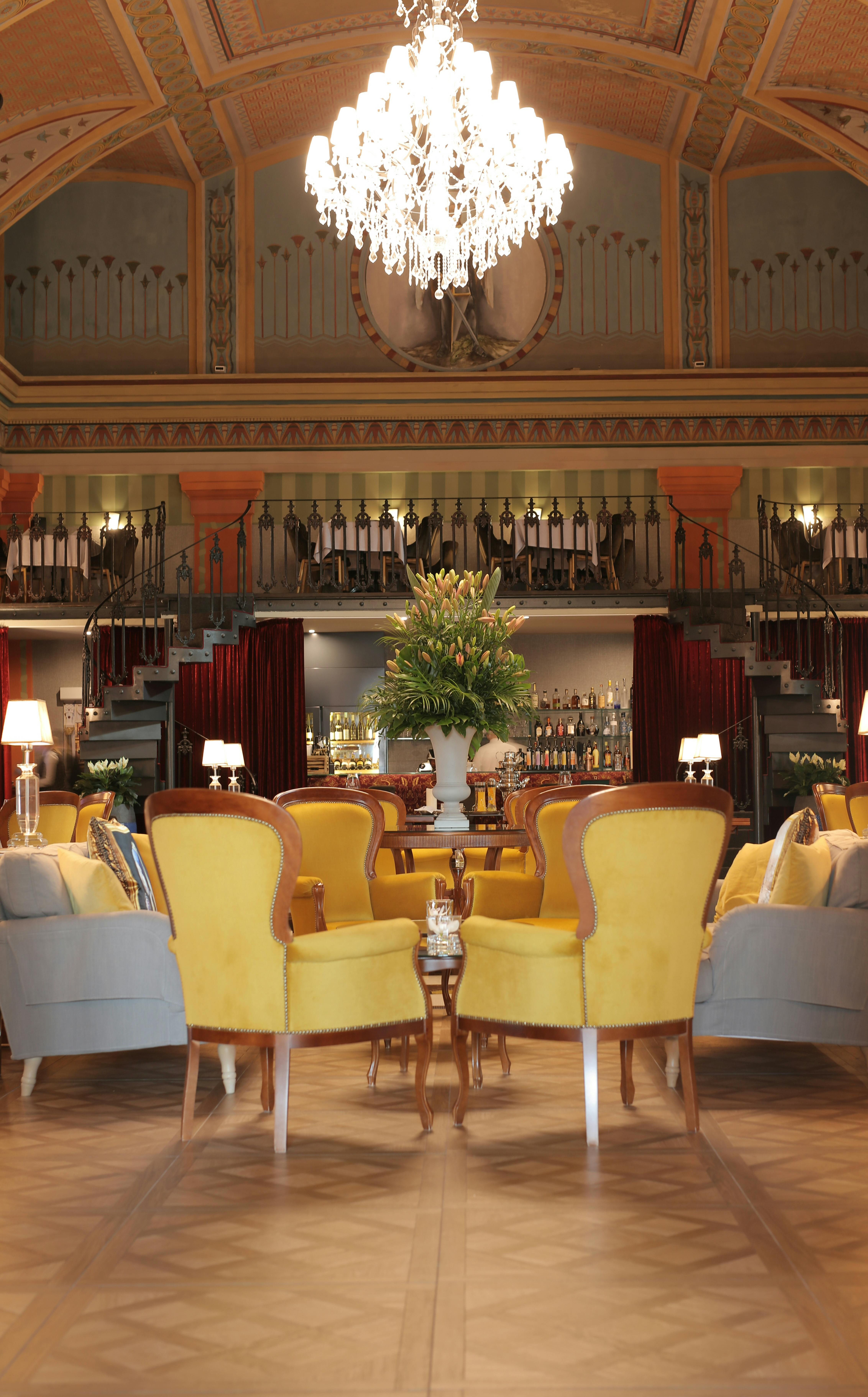
Sydney firm MAC Design Studio led the refresh. The brief: romantic countryside manors of Europe, filtered through a modern sensibility. The palette leans into sage green, blush pink, warm neutrals , nothing surprising but it works. Horderns Restaurant moved to a larger space with wraparound windows overlooking the gardens; capacity went from 38 seats to 102. Polo Bar got a redo. New cheese and charcuterie room behind it. The Eliva spa sits in a separate ivy-clad building a short stroll from the main house: sauna, steam room, mineral hot tub, indoor heated pool. There’s a picnic service that lets you assemble a basket and have it delivered anywhere on the property. I did not use the picnic service. I regret this.
The SMH Traveller’s Anthony Dennis reviewed the hotel recently, called his stay genuinely blissful, and awarded four stars. I get why. The bones are good.
But $10 million in 2026 applied to a 115-year-old building gets you a long way, not all the way. Dennis noted chipped paint on guestroom doors, peeling balcony balustrades, ramshackle gatehouses. I saw some of the same. The plantation shutters in my suite’s living area, inherited from previous owners, had seen better decades. Dennis was right that “such a seemingly large allocation of funds is by no means sufficient in this day and age.”
Here’s the thing though: I think the friction is what makes Milton Park interesting.
There’s a whole genre of Australian luxury hotel review where everything is so polished, so perfectly appointed, that the prose slides into brochure-speak and you finish the piece knowing nothing real about the place. This is not that. Milton Park feels like a work in progress, and I mean that as a compliment. Someone is still caring about what it could become.
The gardens. I keep coming back to the gardens. Laid out by Mary Hordern more than a century ago, they’re considered among Australia’s finest: meandering paths, English-style flower beds, specimen trees grown into their maturity. The formal gardens roll out from the main house in a series of manicured rooms framed by hedges and heritage-listed plantings. Bowerbirds have built two nests on the property. Unregistered, the gardener told me. Not unwelcome. The head gardener’s father once held the same role here, and he oversees the grounds with the kind of authority that comes from decades of reading one particular landscape. Dennis said make time for the garden. I’d add: take a book, find a bench, do not hurry. I spent an hour sitting near the fountain doing exactly nothing. Best hour of the trip.
The autumn colours across the Highlands right now are ridiculous. It’s about ninety minutes south of Sydney , close enough that the transition from city to countryside happens in the space of a podcast episode. The recent opening of Burradoo Park Farm, Annie Cannon-Brookes’ regenerative agritourism project on 250 hectares, gives you a reason to extend your stay. Three Blue Ducks runs the food. It’s ambitious and grounded in equal measure. Go on a Saturday morning if you can, but the weekend crowds are real.
Burradoo Park is not a boutique farm experience. It’s a genuine agricultural operation with a hospitality component , the kind of project that makes you wonder why more regional tourism money isn’t going into ventures like this. I walked paddocks. I ate at the Three Blue Ducks outpost. It felt like a glimpse of what Australian agritourism could look like if we actually took it seriously, which we mostly don’t.
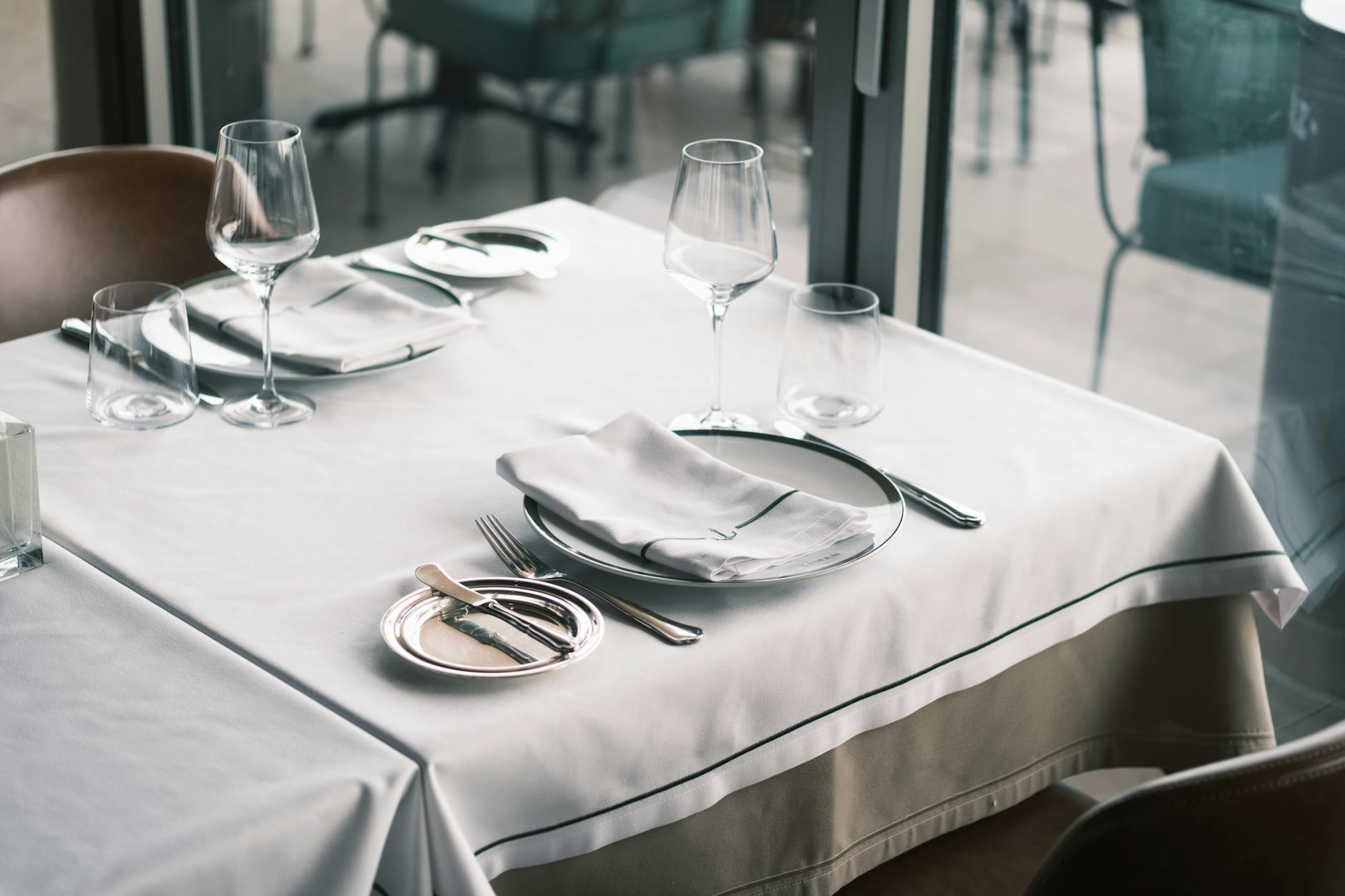
Dinner. Executive chef Mark Holland came from Nomad and Paddington Inn in Sydney and Box Tree in England, and he’s doing modern European with a seasonal sensibility. The menu changes daily. The wraparound windows at Horderns are at their best during the day, when the garden becomes the backdrop to lunch. Breakfast in the Conservatory: house-baked pastries, good coffee, the kind of cooked options that justify skipping lunch. I ate too much at breakfast both mornings. No regrets. The Polo Bar in the evenings is smaller, more intimate. The cheese and charcuterie room is a genuine point of difference , actual thought went into it rather than ticking a box.
The drive from Sydney is part of it. The Hume Highway gives way to the old Moss Vale Road somewhere around Mittagong and the landscape shifts. Greener. Slower. The road narrows, curves through stands of plane trees turning gold and red. By the time you reach the gates the city feels further away than ninety minutes.
I wrote about the short-stays trend a few weeks ago , the move from two-week beach holidays to weekend regional escapes. Milton Park fits that pattern neatly. Close enough to Sydney for a long weekend, far enough to feel like a proper exit. The Southern Highlands has been repositioning itself as more than a pit stop on the way to Canberra, and this hotel is part of that shift.
My top-floor suite, with its gas fireplace and garden glimpses, was comfortable in the ways that matter. The sage-and-blush palette was softer than the photographs. The bed was excellent, the linen crisp. The bathroom clean and functional. Not luxurious, but I didn’t care. The gas fireplace took the edge off the cool Highlands evening. I sat in front of it with a book and the kind of stillness that city apartments don’t allow.
The heated pool in the French-style bath house was a genuine pleasure on a cool afternoon , indoor, warm, quiet, the garden visible through tall windows. I swam. Nobody else was there. At the Eliva spa I booked a massage. Competent, not transcendent. The therapist was professional, the room calm, and I walked out looser than I walked in. That’s really all you can ask.
$518 for a garden terrace room with breakfast. The tariff range goes up to around $1,000. At the top end the small flaws start to feel less like character and more like oversight. At the entry level they feel like honest wear on a building that’s been standing for more than a century. I’d take the garden terrace and spend the difference in the restaurant.
I’m not sure the answer matters much for a single weekend. The place charmed me, uneven as it is. The gardens alone are worth the drive. The dining is serious. The spa is well-run. There’s something genuinely appealing about a luxury hotel that doesn’t pretend to have everything figured out.
These old Australian country estates , the ones built by retail dynasties in the late nineteenth and early twentieth centuries , are having a moment. A new generation of operators is figuring out what they mean to people who didn’t grow up with them. Sometimes that means a $10 million facelift and a rebrand. Sometimes it means accepting that a 1910 manor will never be fully finished. And that is okay.
Would I go back? Yes. Would I pay the top-end rate for a suite? Probably not. Book a garden terrace room, spend your money at Horderns and Burradoo Park Farm, walk the grounds until your legs remind you it’s time for the drive home.
The writer stayed as a guest of Ardour Milton Park.
Cleo Tasman
Hobart-based travel writer chasing regional Australia, off-grid stays and the slow road.