Something Has Gone Wrong With Australian Streaming
Free aggregation apps like Stremio are gaining traction as streaming costs rise and the market fragments. What happened to the promise of easy, affordable television?
I noticed it first on a Tuesday night in March. Opened Netflix, scrolled for eleven minutes, closed it. Opened Stan, scrolled again, same feeling. Opened Disney Plus, found something I had already seen. Opened Binge, found nothing I wanted to start at 9.30pm. Ended up watching a documentary on ABC iView about inland waterways. It was fine.
The whole thing took forty minutes before I pressed play on anything.
Australians spent nearly $4 billion on streaming subscriptions in 2025. The average household pays about $42 a month across subscriptions, up 18 per cent year on year. That is roughly the cost of a mid-range internet plan, a weekly coffee habit, a single dinner for two in Melbourne.
Forty-two dollars a month gets you access to content spread across nine or ten separate apps. Each with its own interface. Its own password. Its own recommendation algorithm with no idea what you watched on the other nine.
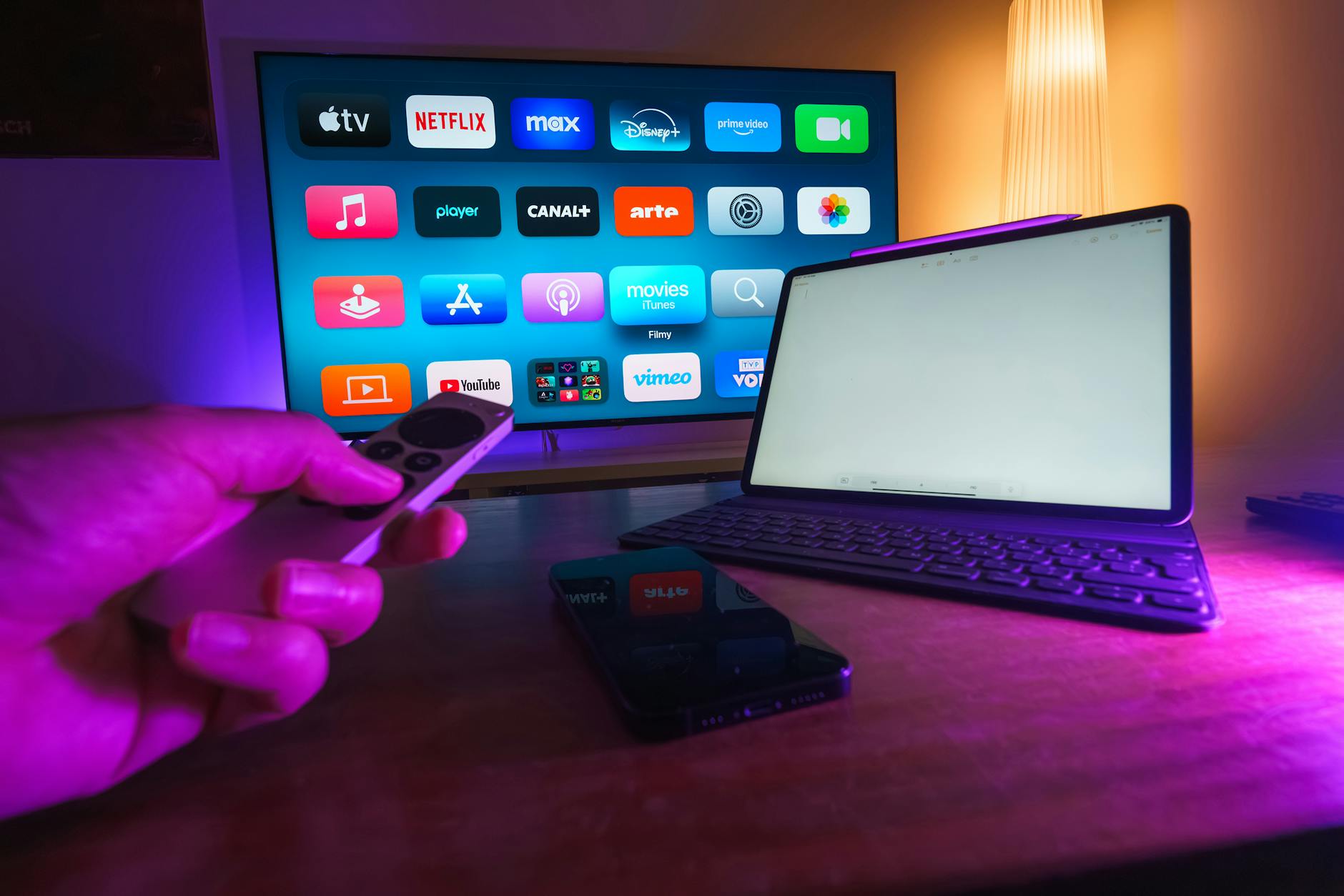
Ten years ago Netflix launched here. Convenient, affordable, one sub for everything. Online piracy dropped by about 4 per cent in the months after it arrived. The industry called it solved. Then that single hub splintered into a dozen specialised silos. Apple TV Plus, Binge, Disney Plus, HBO Max, Netflix, Paramount Plus, Prime Video, Stan, Kayo Sports. Each one runs between $10 and $25 a month. Subscribe to four and you are past what a cable bundle used to cost.
I spend a fair chunk of my working life telling people what to watch. I put together a list of the best shows streaming in Australia this May a few days ago, and I stand by every recommendation on it. But writing that list made me confront something uncomfortable. To compile thirteen recommendations across five platforms, I logged into five different apps, remembered five different passwords and navigated five different search functions. That is the viewer experience in 2026. The content is good. The infrastructure is exhausting.
Enter Stremio. Developed by a Bulgarian company called Smart Code OOD, it is a free open-source media aggregation platform. It hosts nothing itself. It pulls together material from multiple sources through a single interface. Users install community-built add-ons that connect to content libraries, including peer-to-peer torrent networks. One search bar that finds almost anything, regardless of service or payment.
The app itself is perfectly legal. It is on the Apple App Store and Google Play Store. The legal questions come from what people do with it. In Australia, the Copyright Act 1968 lets copyright holders seek Federal Court orders to block websites designed primarily for copyright infringement. Section 115A has blocked dozens of piracy sites. Stremio sits in a grey area. It is an aggregation interface, not a content host. Using it to access copyrighted material through torrent add-ons is generally infringement under Australian law, but enforcement against individual users is uncommon. The law was built for a world where piracy meant visiting a dedicated website, not installing an add-on inside an otherwise legitimate app.
The numbers around Australian piracy stop me cold every time. In 2015, 29 per cent of Australians aged 18 to 64 reported illegally downloading movies or TV shows. Among 18-to-24-year-olds, the figure was 54 per cent. When the fourth season of Game of Thrones aired that year, Australia accounted for 11.6 per cent of global illegal sharing. Melbourne alone was responsible for 3.2 per cent, making it the top city in the world for that season. These numbers are less than a decade old. The conditions that produced them are returning.
Kantar and UC Berkeley polled Gen Z users this year. Their finding: 59 per cent actively cancel and resubscribe to streaming services to chase single titles. Platform loyalty is done for this group. Subscriptions are treated like pay-per-view. A cost tied to one show, not a long-term commitment. Another 62 per cent will not pay full price for video games. More than 70 per cent have stopped buying physical music or movies. Permanent libraries are not how this generation thinks. They subscribe for a month, watch what they want, cancel. That behaviour is ideal for free aggregation tools, because the relationship between viewer and platform has become episodic.
Australia has responded with regulation. In November 2025, the government passed a law forcing major platforms to invest a minimum of 10 per cent of their Australian programme expenditure, or 7.5 per cent of local revenue, into new Australian content. Platforms with at least one million subscribers must comply. The Australian Communications and Media Authority oversees compliance. Netflix, Amazon Prime Video, Stan, Apple TV Plus, Disney Plus, Paramount Plus and Binge are all captured. The law was meant to protect local production. It adds another cost to a system already testing subscriber patience.
Marc C-Scott, an associate professor of screen media at Victoria University, put it simply. Streaming services once reduced piracy by offering convenience, access and affordability. When those three things erode, the old behaviours return.
I keep thinking about that Tuesday night. The forty-minute scroll. The six apps I opened and closed. The documentary about inland waterways I watched because it was what happened to be on. Streaming in Australia is not broken in any catastrophic sense. The content is still good. The infrastructure works. But the balance between what we pay and what we get is off. When that balance tilts far enough, people look for ways around it. Aggregation apps like Stremio fill that gap, and the gap is getting wider.

Melbourne film and television critic. Streams the lot so you don't have to. Writes about the Australian screen industry and what's worth a night in.
The Lifestyle Desires brief
Style, food, travel and wellbeing — weekly in your inbox.
Subscribe