What Australia’s best pie still says about how we eat now
Australia’s best pie for 2026 is a Malaysian prawn winner from regional Victoria, and the result says more about comfort food than lunch.
Every winter, Australia remembers that lunch can be a public event. When Australia’s best pie for 2026 was announced, it arrived with the slightly absurd solemnity we give to election nights, grand final teams and Sydney’s alleged crimes against the flat white. I love this about us. Hand Australians a crisp lid, a hot filling and a judging table, and suddenly everyone has principles.
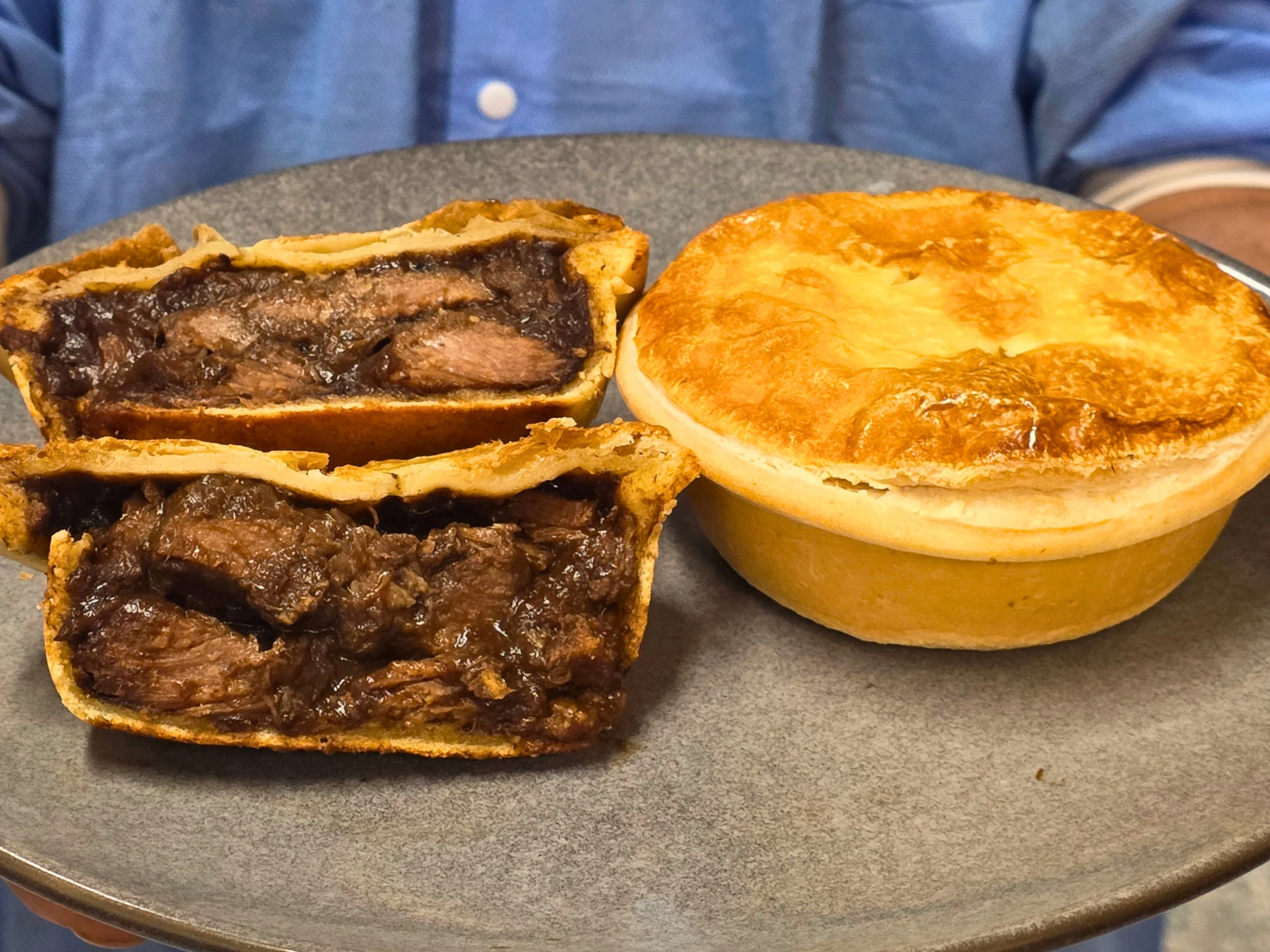
For 2026, the winner was Country Cob Bakery, the regional Victorian bakery whose Malaysian prawn pie beat more than 300 bakeries after three days of judging. There were 10 categories and 12 medals overall, according to Broadsheet’s account of the competition. Cute food news, sure. But it also says something about how Australians want to eat now: warmly, casually, with one foot in nostalgia and the other already wandering away from plain mince.
By the third paragraph, where any honest food argument starts muttering back, the tension turns up. Traditional pie people have a fair question. Are judges choosing the best pie, or the most surprising one? Has the category drifted from lunch to performance? If the winning filling is Malaysian prawn, what are we crowning exactly: the best pie in Australia, or the pie that makes us feel nicely adventurous?
Maybe the grumble gives novelty too much power. A form this durable does not collapse because a bakery gets curious. You can still hold a pie in one hand, eat it standing up and understand the proposition before the first bite. The filling moves. So does the country around it.
The seriousness of lunch
For me, the annual pie winner measures technique, but also the stubborn emotional life of the thing. A BBC Travel essay on why the meat pie still defines Australia framed the pie as shorthand for value, memory and ordinary national belonging. That still feels right. Brilliant or not, a pie is not restaurant food. It is the lunch bought after a freezing school pickup, the paper bag opened on the bonnet at a footy ground, the thing you promise yourself on a road trip if the next town has a bakery with a queue.
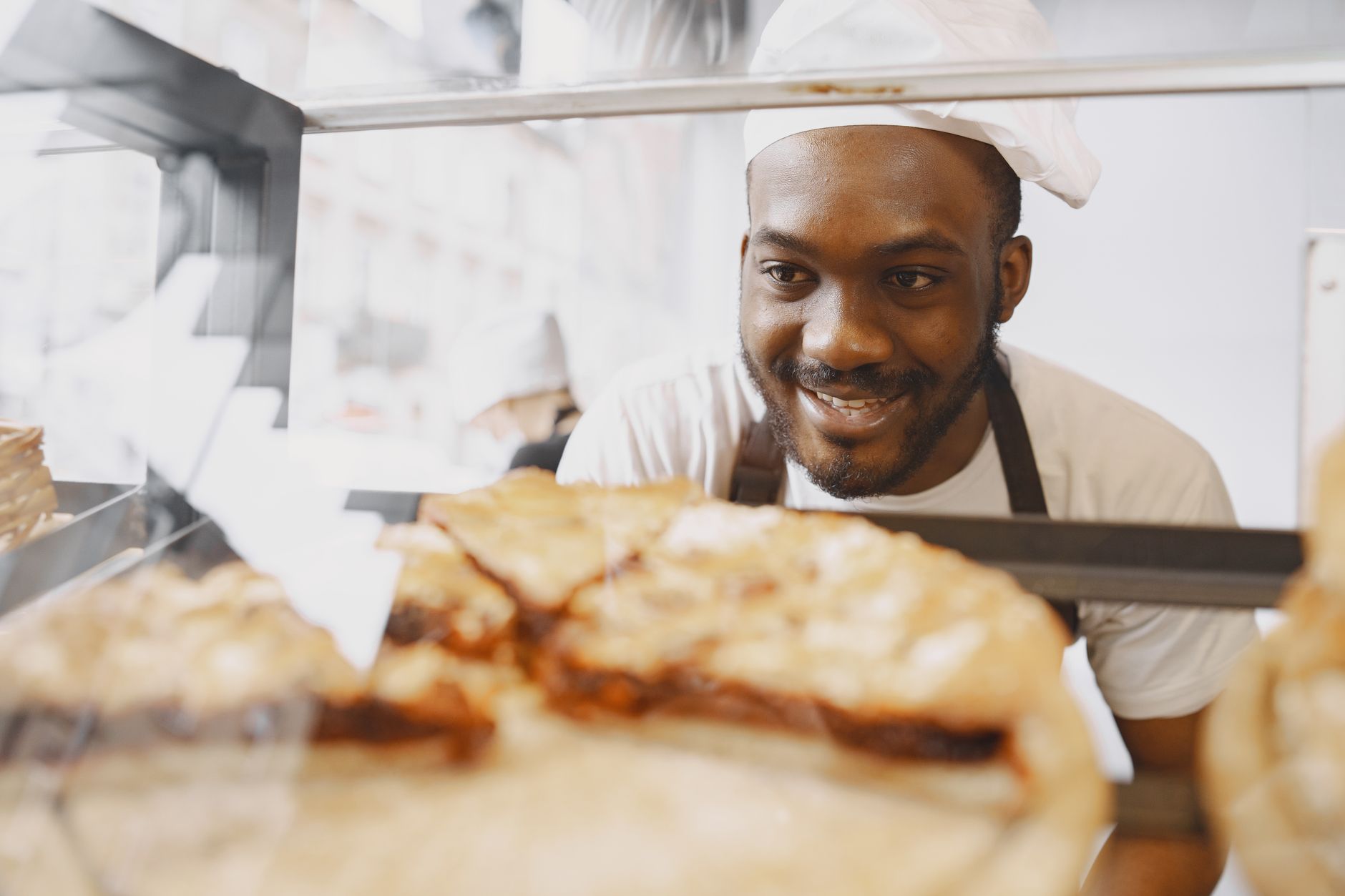
Oddly, Australians receive these competition results with tenderness. We are ranking pastry, yes, but we are also protecting an idea of lunch as modest, filling and faintly local. Listen to the language around these awards and you can hear it. Nobody talks about a winning pie as if it were a tasting menu. Worth the money comes before genius. Travel from counter to car matters more than theatre.
Around bakery cabinets, our snobberies soften. Fine dining can split a table in half. Natural wine can clear the room. A good bakery rarely starts a class war. It is one of the few places where value, pleasure and local bragging rights can sit on the same metal tray. Maybe that is why the pie still carries everybody’s feelings without looking as if it is trying.
A pie that knows where it came from
At Country Cob, the important thing is that the bakery did not chuck out the form to look contemporary. It kept the crust, the heat and the immediate recognisability, then pushed the filling towards the way Australia actually eats now. A Malaysian prawn pie sounds flashy for half a second. Think about it for longer and it starts to sound almost ordinary, in the best sense: migration-era flavour tucked into a format every servo, school canteen and country town already understands.

Ryan Khun, one of the bakery’s co-owners, put the starting point in the plainest possible terms when he told Broadsheet:
“This would make a great pie”
Ryan Khun, via Broadsheet
That quote gets me because it refuses the puffed-up language of innovation. No manifesto. No chef explaining a concept while someone tweezers herbs nearby. Just a baker noticing that a flavour can travel into a familiar shell without wrecking the shell’s job. The bakery has won five national titles since 2016, so this does not read like a fluke. More like a habit.
Less glamorous, and probably more telling: by the time the winning pie was being discussed publicly, the filling had already gone through more than two weeks of testing and refining. That partly answers the insider’s question about instinct versus discipline. The result sounds playful; the method sounds old-fashioned: test, adjust, taste, repeat. In bakery terms, that is not novelty. That is labour.
“It took more than two weeks of testing and refining to get the flavour just right.”
Country Cob team, in a report on the 2026 win
Here is the cultural bit, at least as I read it. The move from plain mince to Malaysian prawn says our comfort food has stopped pretending migration happened somewhere else. The old pie canon was never as pure as nostalgia claims, and the current one is more honest about it. The filling can move because the frame is secure. Nobody eating a hot pie in winter mistakes it for anything other than comfort food, even if the comfort carries lemongrass, spice or a family memory that did not come from an English pub.
The road bends towards the bakery
From the road-tripper’s side, the question is simpler. Do pie competitions actually change behaviour? I think they do, though not because anyone is completing a culinary checklist. A bakery is one of the easiest reasons to leave the highway. No booking. No dress code. No plan beyond hunger and maybe a napkin in the glovebox.

Tourism bodies know this. Tourism Midwest Victoria’s material for the Ballarat pie competition and trail treats pie as a reason to show up, not a garnish on the itinerary. That is not silly boosterism. It is a realistic read on weekends. We tell ourselves we are driving for the scenery, the antique market, the cellar door. Then we quietly organise the whole day around where we are eating at 12.30.
Tim Bone, the tourism chief behind that Ballarat push, said the quiet part out loud in the competition material:
“A hot pie on a Ballarat winter’s day! Does it get any better than that?”
Tim Bone, via Tourism Midwest Victoria
Across regional Australia, there is a whole economy built on this modest desire. You can see the same travel logic in Homes To Love’s local guide to Huskisson, where pastries are folded into the day instead of treated as an afterthought, and in Gourmet Traveller’s latest national round-up of regional openings, which is further proof that Australians still organise leisure around where a place can feed them well. The pie works inside that system because it is portable and story-friendly. It gives a town something to brag about.
Pie trails probably bring people in. Not because pies are magical. Because they offer an unusually low-friction pilgrimage. A destination restaurant demands commitment, and a credit card with a bit of courage. A bakery asks for petrol, a paper bag and the willingness to eat in the car if the queue is too long.
The classics are not being replaced
Skeptics still deserve an answer. Fancy fillings can look suspiciously like competition bait, and Australia is full of people who believe the true test of a bakery remains the plain meat pie, maybe the sausage roll if they are feeling generous. I have sympathy for that position. The classics matter because they test judgement with nowhere to hide. A bad curry filling can blame the spices. A bad plain pie is simply exposed.
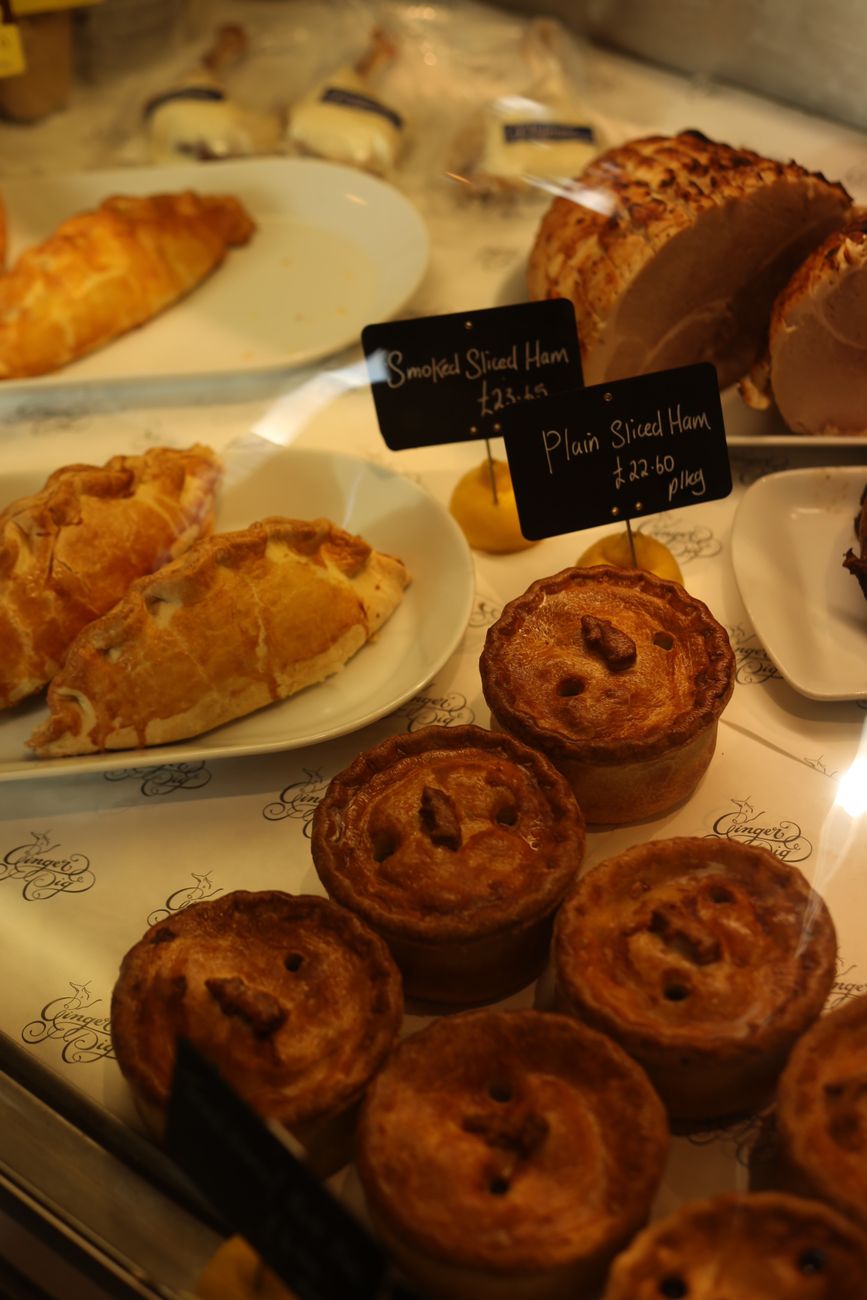
Still, I do not read the Malaysian prawn result as a betrayal of the category. The field was huge, more than 300 bakeries, and it was not arranged as a single novelty pageant. There were 10 categories and 12 medals across three days of judging. A pie like this wins because judges can see that a form built on thrift and portability has always been more adaptable than its mythology admits.
The line I keep circling is this: we like to imagine the most Australian foods are the ones least touched by change. The opposite is often true. Foods survive here when they absorb the country as it is, not as a souvenir tea towel once drew it. The pie is still shorthand for value, yes, but value is no longer only monetary. It is cultural too. We want lunch to feel familiar, and we want it to acknowledge who is cooking.
Read properly, a best-pie winner is a map of appetite. Regional pride on one side, migration-shaped flavour on the other, with plenty of ordinary hunger running between them. That is why these bakery crowns land harder than they should. They are not really about the best thing in a glass cabinet. They are about the version of Australia that still gathers around a hot lunch and calls it everyday life. The crust holds. The country keeps changing underneath.

The Lifestyle Desires brief
Style, food, travel and wellbeing — weekly in your inbox.
Subscribe